Connie Hawkins was kept out of the NBA for eight years by a wrongful banishment. When he finally arrived in Phoenix at age 27, he still made four All-Star teams. The full story of #42.
Paul Westphal is the only figure in Suns history who led the franchise to the Finals both as a player and as a head coach. His #44 honors a contribution that spans two defining eras.
"Thunder Dan" Majerle was a three-time All-Star and the Suns' most electrifying two-way wing of the 1990s. His #9 represents the warrior spirit of Phoenix's greatest era.
Kevin Johnson spent 12 seasons as the Suns' franchise point guard, earning three All-Star selections and leading Phoenix to the 1993 Finals alongside Charles Barkley.
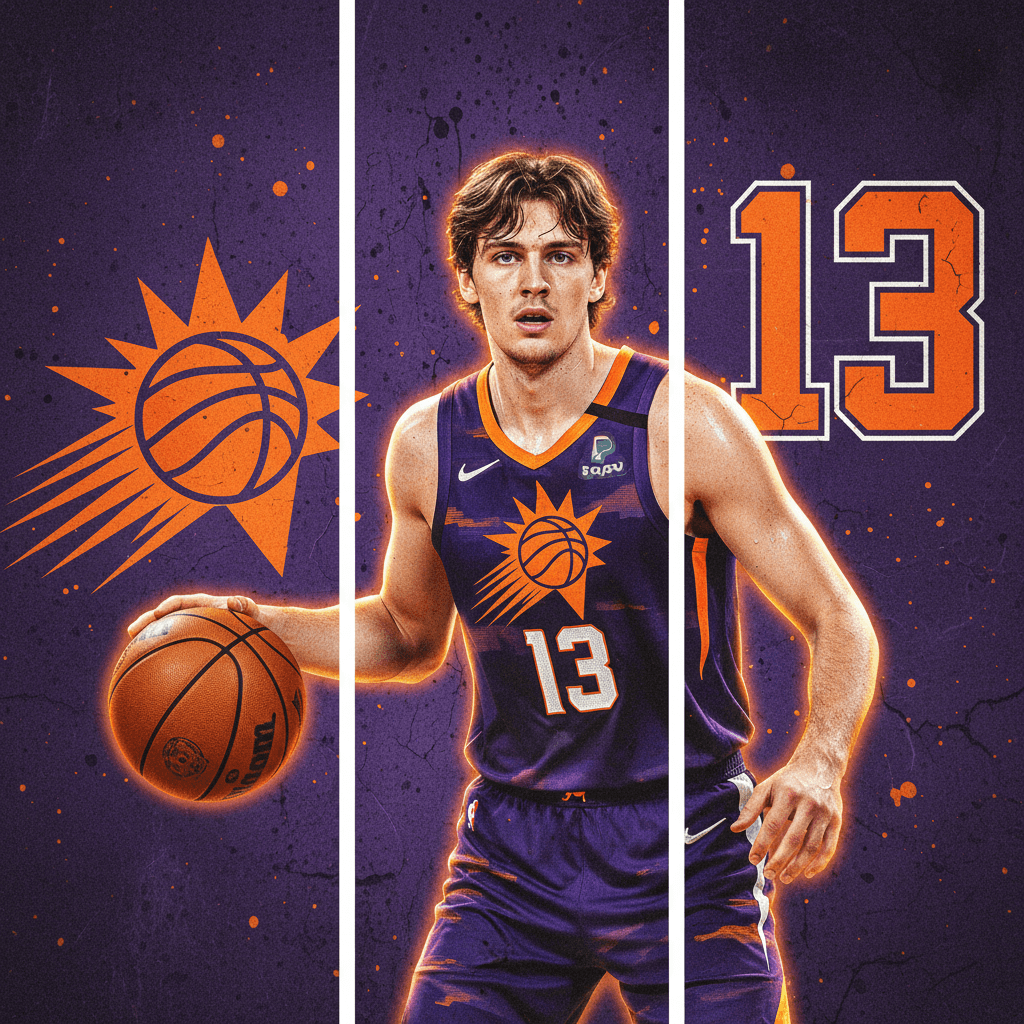
Back-to-back MVP and the engine of Seven Seconds or Less — the offense that rewrote the modern NBA. Why the Suns retired Steve Nash's #13, titles or not.
Doug Moe won 432 games as Denver Nuggets head coach — more than any other coach in franchise history. His run-and-gun philosophy turned Denver into one of the most exciting teams in the NBA and defined what Nuggets basketball looked like for a generation. Here is why the franchise honored him with a retired number.
The Round Mound of Rebound. 1993 MVP, a Finals run cut short by Jordan's Bulls, and one of the greatest players never to win a ring. Why the Suns retired Charles Barkley's #34.
Dikembe Mutombo came to Denver from Kinshasa, Congo, became the best shot-blocker on the planet, and changed basketball history with a single finger. Here is why #55 belongs in the rafters — and why his story is bigger than the game.
Dan Issel scored 27,482 professional points, served as player, coach, and GM for the same franchise, and earned the Hall of Fame on pure relentless production. Here is why #44 belongs in the Ball Arena rafters.
Before there were championships, before there were legends, there was Byron Beck — the first player ever signed by the Denver Nuggets franchise, who wore the jersey for ten straight years. Here is why #40 belongs in the rafters.
Before Michael Jordan, many considered David Thompson the most gifted shooting guard the sport had ever seen. His 44-inch vertical leap, his 73-point game, and his 1974 national championship defined an era — and why #33 belongs in the Ball Arena rafters.
Alex English scored more points than anyone else in the NBA during the 1980s — and did it in Denver, quietly, brilliantly, with a consistency that defined an era. Here is why #2 belongs in the rafters forever.