Why the Bucks Retired Kareem Abdul-Jabbar's #33: The Milwaukee Chapter That Started Everything
Kareem Abdul-Jabbar gave Milwaukee six seasons, three MVP awards, and the franchise's only championship before departing for LA. Why #33 belongs in the rafters forever.
Diosh Lequiron
··11 min read·
M
Share
This page contains affiliate links. We may earn a commission if you purchase through these links, at no extra cost to you. As an Amazon Associate I earn from qualifying purchases.
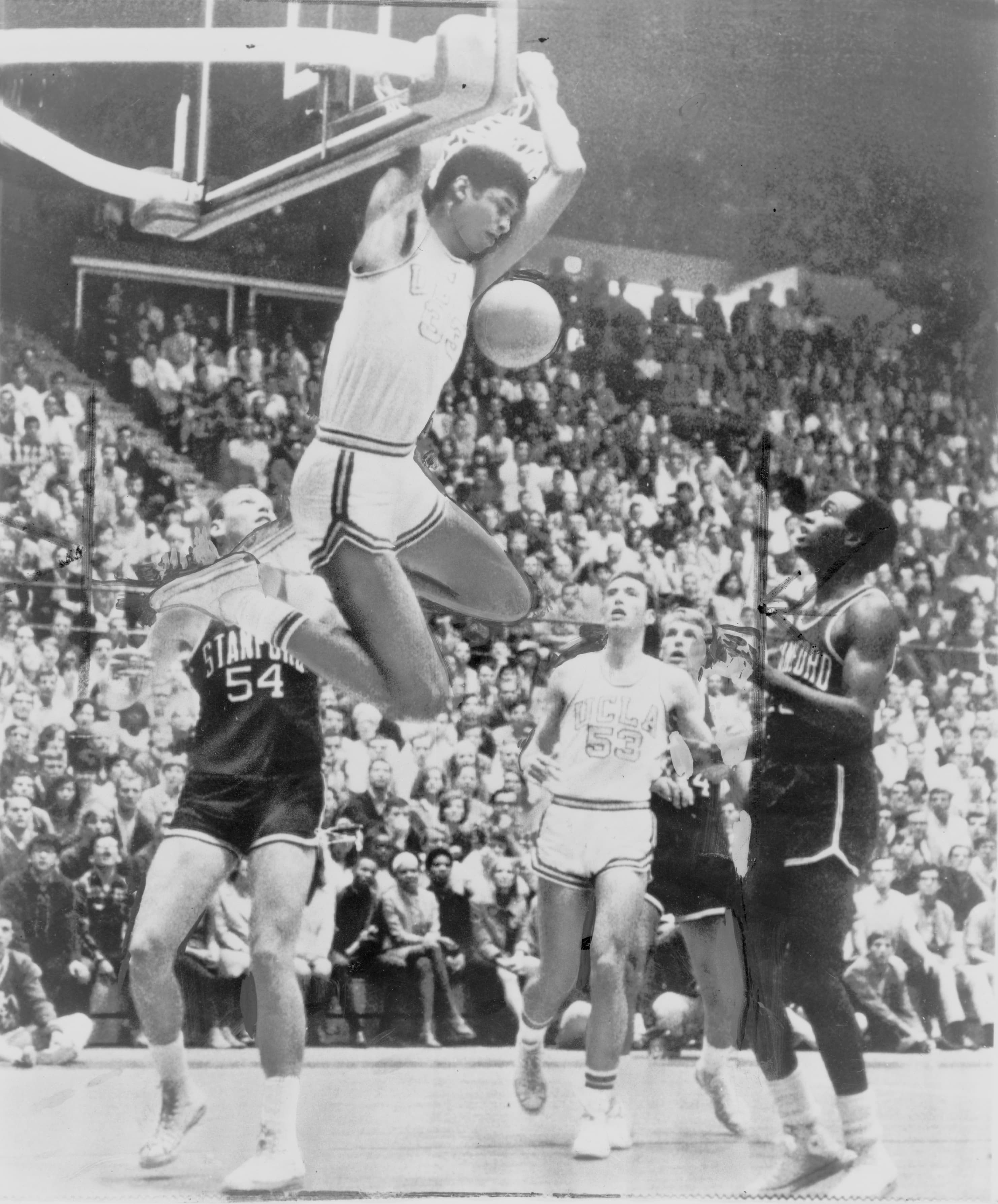
The Milwaukee Bucks retired Kareem Abdul-Jabbar's #33 in 1993, acknowledging what the Milwaukee chapter meant before he became a Los Angeles Laker. He arrived in 1969 as Lew Alcindor, a 22-year-old center and the first overall pick, after the franchise won a coin flip with Phoenix for the right to draft him. The three-year-old Bucks, coming off a 27-55 season, were transformed within months. In Milwaukee, Kareem won three consecutive MVP awards (1971, 1972, 1974) and led the franchise to its only NBA championship in 1971 — a 4-0 sweep of the Baltimore Bullets in which he averaged 27 points and 14.5 rebounds. The 1971 team went 66-16, losing only two games in the entire playoff run. The unstoppable skyhook was invented on the Bucks' floor. He requested a trade in 1975 and Milwaukee honored it, but #33 hangs in the rafters because the franchise knows what it had — briefly, brilliantly, and completely.
Kareem Abdul-Jabbar Milwaukee Bucks Autographed Green Mitchell and Ness 1970-71 Throwback Jersey
The Player Who Changed Milwaukee
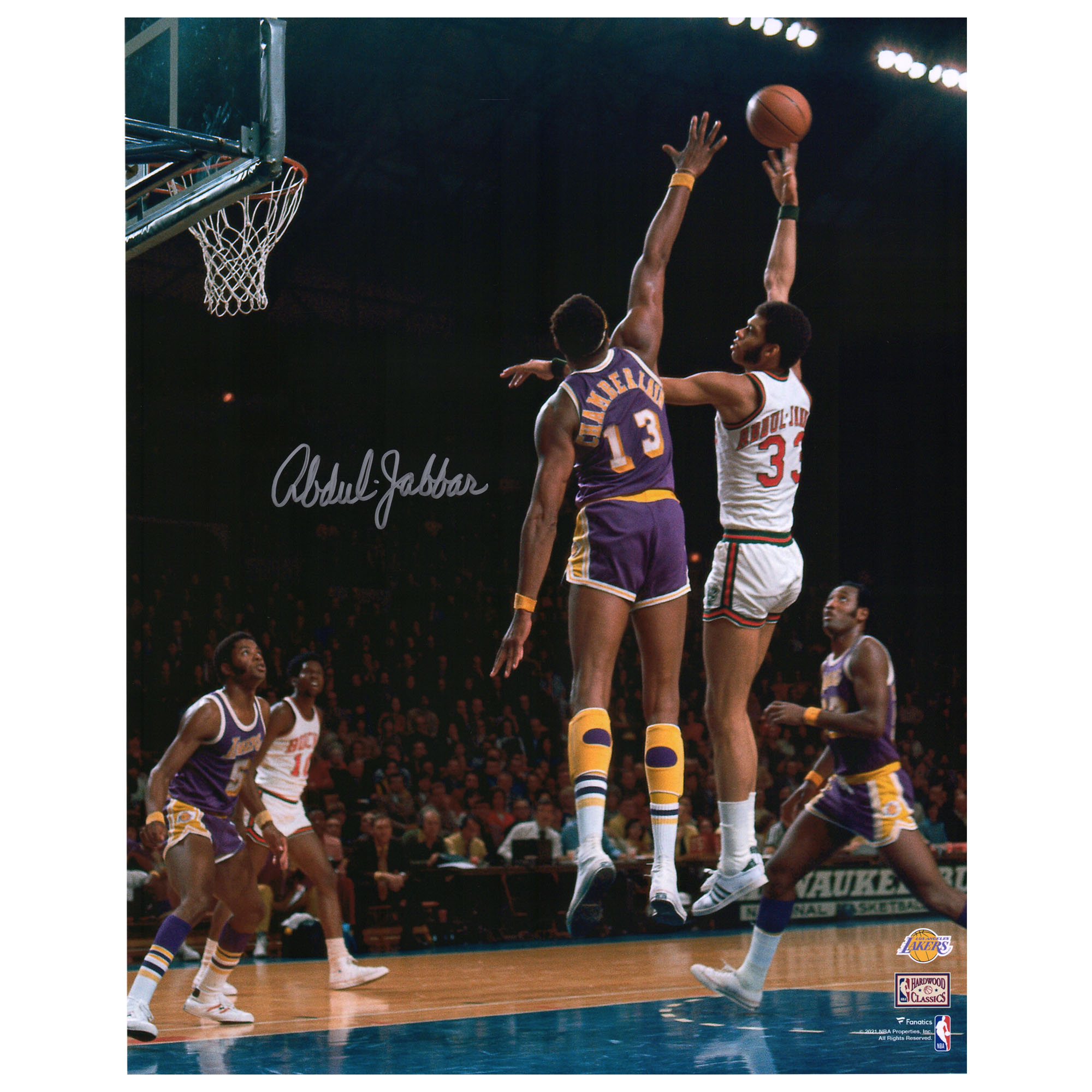
The Milwaukee Bucks were three years old when Kareem arrived. They had gone 27-55 in their second season. The franchise had traded for the right to draft Kareem in a coin flip with Phoenix — and then watched the most physically dominant player the sport had ever seen build an entire team identity around his presence within months of his first training camp. The skyhook — the shot that would become basketball's most unstoppable weapon — was not yet the refined instrument it would become over twenty years. But even in its early form in Milwaukee, it was already unguardable. Defenders could not reach the release point. Double teams created open shooters.
In Milwaukee, Kareem won three consecutive MVP awards (1971, 1972, 1974) and led the franchise to its only NBA championship in 1971 — a 4-0 sweep of the Baltimore Bullets that remains the most dominant Finals performance in franchise history.
Kareem Abdul-Jabbar Milwaukee Bucks Autographed 16" x 20" Sky Hook Photograph vs. Los Angeles Lakers
The 1971 Championship
The 1971 Milwaukee Bucks went 66-16 in the regular season — the best record in the NBA — and lost only two games in the entire playoff run. The Finals sweep of Baltimore was not competitive after Game 2. Kareem averaged 27 points per game with 14.5 rebounds, holding Wes Unseld's interior game below his season averages while scoring from every position in the paint. He was 24 years old. He had already won an NBA championship. He had already changed his name to Kareem Abdul-Jabbar after converting to Islam — a declaration of identity made during the same season he won Milwaukee's only title, one of the most significant acts of personal conviction in professional sports history.
Kareem Abdul-Jabbar Milwaukee Bucks Autographed Framed Mitchell & Ness Green 1970-71 Throwback Jersey
The Trade and the Legacy That Remained
In 1975, Kareem requested a trade to a larger cultural community. Milwaukee honored the request. He went to Los Angeles, where he won five more championships and became the all-time NBA scoring leader. The trade reshaped both franchises, but it could not reshape what had already been built in Wisconsin. The Bucks retired #33 in 1993, acknowledging what the Milwaukee chapter meant — the foundational era that proved the franchise was capable of competing at the highest level the sport offered.
Kareem Abdul-Jabbar Milwaukee Bucks Autographed White Mitchell and Ness Replica 1971-72 Throwback Jersey
Why #33 Is in the Rafters
Kareem Abdul-Jabbar gave Milwaukee a championship, three MVP awards, six seasons of the most dominant individual performance in franchise history, and proof that a small-market Wisconsin team could build something the entire NBA had to reckon with. The skyhook was invented on the Bucks' floor. The first championship banner was raised in Milwaukee Arena. The player who would score more points than anyone in NBA history wore green and cream before he wore purple and gold. #33 is retired because Milwaukee knows what it had — briefly, brilliantly, and completely — before it was gone.
Unisex Nike Giannis Antetokounmpo Hunter Green Milwaukee Bucks Swingman Jersey - Icon EditionKareem Abdul-Jabbar Los Angeles Lakers Autographed Purple 1983-84 Mitchell & Ness Hardwood Classics Replica Jersey with "HOF 95" InscriptionKareem Abdul-Jabbar Los Angeles Lakers Autographed 16" x 20" Sky Hook vs. Houston Rockets Photograph
Enjoying this analysis?
Get more breakdowns like this delivered to your inbox.
Scottie Pippen is the greatest example in basketball history of what it means to be exactly what your team needs. Without Pippen's #33, there is no second three-peat, no dynasty mythology, and arguably no six championships at all.
October 1, 1994: the Bulls retire #23 for the first time. Eighteen months later, Jordan faxed two words and they took it back down. The story of six championships, two three-peats, and the number that bent the gravity of basketball around itself.
Bob Love was the Chicago Bulls' first great offensive player — a jump-shooting artist who averaged 21 points a game and made three All-Star teams. But the story of why the Bulls retired his #10 has as much to do with what happened after basketball as during it.