This page contains affiliate links. We may earn a commission if you purchase through these links, at no extra cost to you. As an Amazon Associate I earn from qualifying purchases.
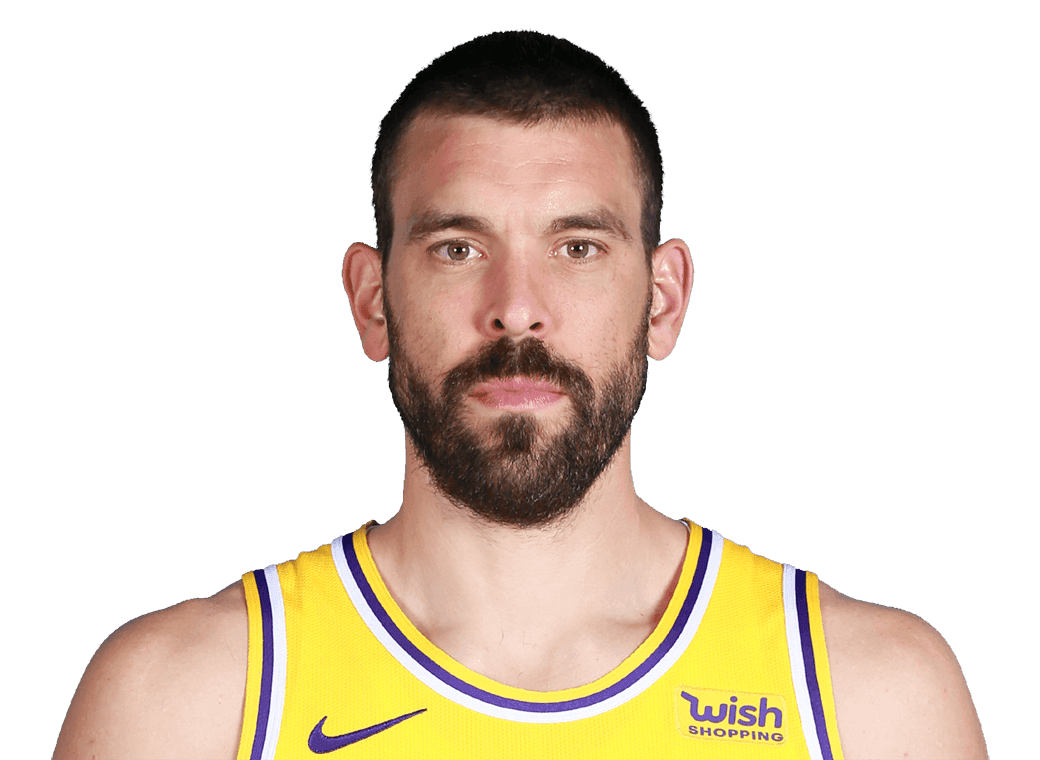
The Memphis Grizzlies retired Marc Gasol's #33 in June 2024, honoring eleven years that transformed how the franchise played and how the NBA thought about modern big men. Drafted 48th overall in 2007, Gasol arrived in Memphis in 2008 with none of the fanfare of his brother Pau, then a Laker. He silenced the comparisons quickly. By 2011-12 he was averaging 14.6 points, 8.9 rebounds, and 3.8 assists, and the 2012-13 season cemented his status: he won NBA Defensive Player of the Year and anchored a Memphis team that reached the Western Conference Finals, the deepest playoff run in franchise history. A three-time All-Star (2012, 2015, 2017), he later won the 2019 championship with Toronto after a February trade. Memphis fans cheered for him anyway. His #33 hangs beside Zach Randolph's #50 and Tony Allen's #11 as the record of the franchise's defining era — and Gasol was its anchor.
A Slow Build to Something Historic
Gasol arrived in Memphis with none of the fanfare that typically accompanies franchise-altering players. He was the younger brother of Pau Gasol, then a Laker and one of the best players in the league. The comparisons were constant and unflattering. Marc was slower, less athletic, and had come from Spanish professional basketball rather than the NCAA pipeline most teams preferred.
The Grizzlies drafted him 48th overall in 2007 and allowed him to spend the first year developing in Spain. When he arrived in Memphis in 2008, the organization asked for patience. What followed required none — Gasol made an immediate impact and never stopped improving.
By his fourth season, 2011-12, he was averaging 14.6 points, 8.9 rebounds, and 3.8 assists while emerging as one of the best defensive centers in basketball. Memphis was becoming something, and Gasol was the reason the team's defensive schemes could operate at the level they did.
Defensive Player of the Year
The 2012-13 season cemented Gasol's status as the league's premier defensive big man. He was named NBA Defensive Player of the Year, becoming just the third center in ten years to win the award. The honor was deserved but also somewhat reductive — Gasol's defensive impact went far beyond individual statistics.
He functioned as the defensive conductor of a Memphis system that ranked among the best in the league annually. His ability to protect the paint, switch onto smaller players when needed, and communicate defensive rotations made everyone around him better. Tony Allen could gamble for steals on the perimeter knowing Gasol was behind him as a failsafe. Point guards could press up on ball handlers knowing the paint was protected.

That 2013 team reached the Western Conference Finals — the deepest playoff run in franchise history — and Gasol was central to every win. His defensive command in the interior was one of the most devastating performances in postseason basketball that decade.
Three All-Star Appearances
Gasol made the All-Star Game in 2012, 2015, and 2017, representing a consistent peak that lasted across different supporting casts and coaching staffs. He remained elite even as the franchise around him went through transitions, injuries, and roster changes. The Grizzlies won fifty games in three separate seasons with Gasol at center, a standard of success uncommon for a small-market franchise without a star-caliber point guard.
His offensive development during this period was as impressive as his defensive reputation. He expanded his range to include reliable mid-range shooting, developed a drop-step move that was nearly unstoppable in the post against slower centers, and became one of the best passing big men in the Western Conference. He averaged 4.2 assists in 2016-17, a number that ranks among the best single-season totals ever recorded by a center.

The Trade and What Came After
In February 2019, with Memphis rebuilding around Ja Morant and the next generation, the Grizzlies traded Gasol to the Toronto Raptors. The move made basketball sense for both sides — Memphis got younger, Toronto got a championship-caliber center.
Four months later, Gasol won an NBA championship as a key contributor to the Raptors' title run against the Golden State Warriors. He played 59 games in Toronto, brought his defensive intelligence to a team that needed playoff-tested experience, and earned the ring that his eleven years in Memphis had never delivered. Few players have won a championship with a team they'd been with for less than a year, and fewer still had the résumé to justify the opportunity.
Memphis fans celebrated for him. That reaction — cheering for a former Grizzly who found a title elsewhere — told you everything about how the city felt about the man who had given them the best basketball their franchise had ever played.
A New Kind of Center
Gasol's legacy extends beyond Memphis. He is widely credited, along with a small group of contemporaries, with changing what NBA teams looked for in a starting center. The traditional back-to-the-basket bruiser gave way to the passing big, the defensive anchor who could guard multiple positions, the center who made his teammates better with his reads rather than just his scoring.
That evolution was visible in Gasol's game from his first years in Memphis. Teams watched what he did and tried to replicate it. The modern NBA center, asked to set screens and relocate, switch defensively, and facilitate from the elbow, owes something to what Marc Gasol demonstrated was possible.
The Honor
The retirement ceremony in 2024 gave Memphis a chance to say what the city already knew: that Marc Gasol was the most important player in franchise history. Not the most celebrated — Ja Morant holds that distinction today. But the most important, in terms of what Gasol's presence meant to how Memphis basketball was built, played, and understood.

His #33 hangs alongside Zach Randolph's #50 and Tony Allen's #11 as a permanent record of an era when a small-market franchise competed at the highest level with genuine identity. Marc Gasol was the anchor of that identity. The number lives in the rafters because Memphis earned the right to retire it.
Enjoying this analysis?
Get more breakdowns like this delivered to your inbox.