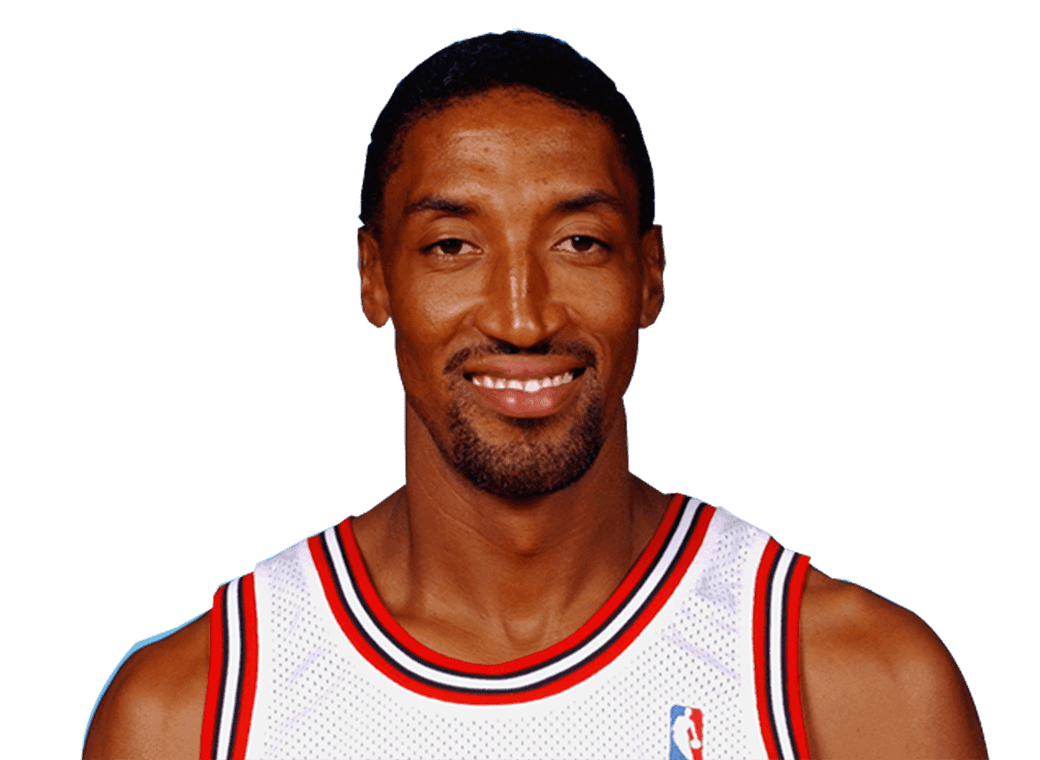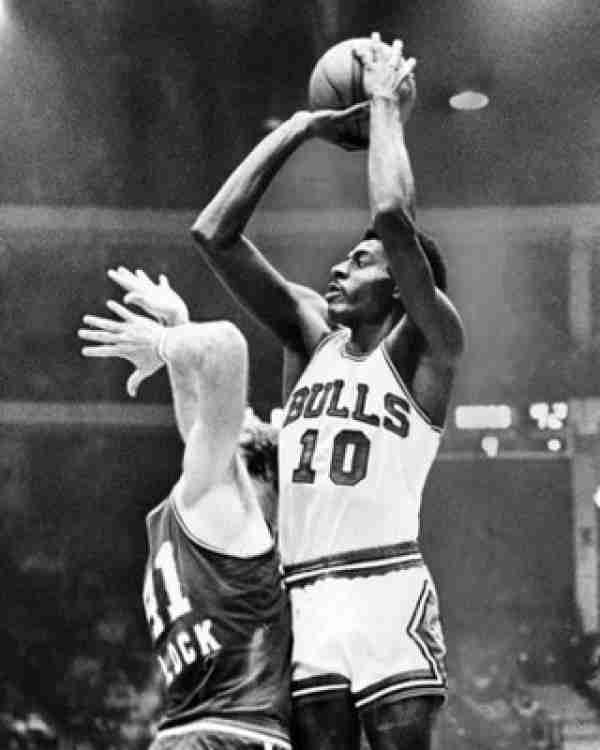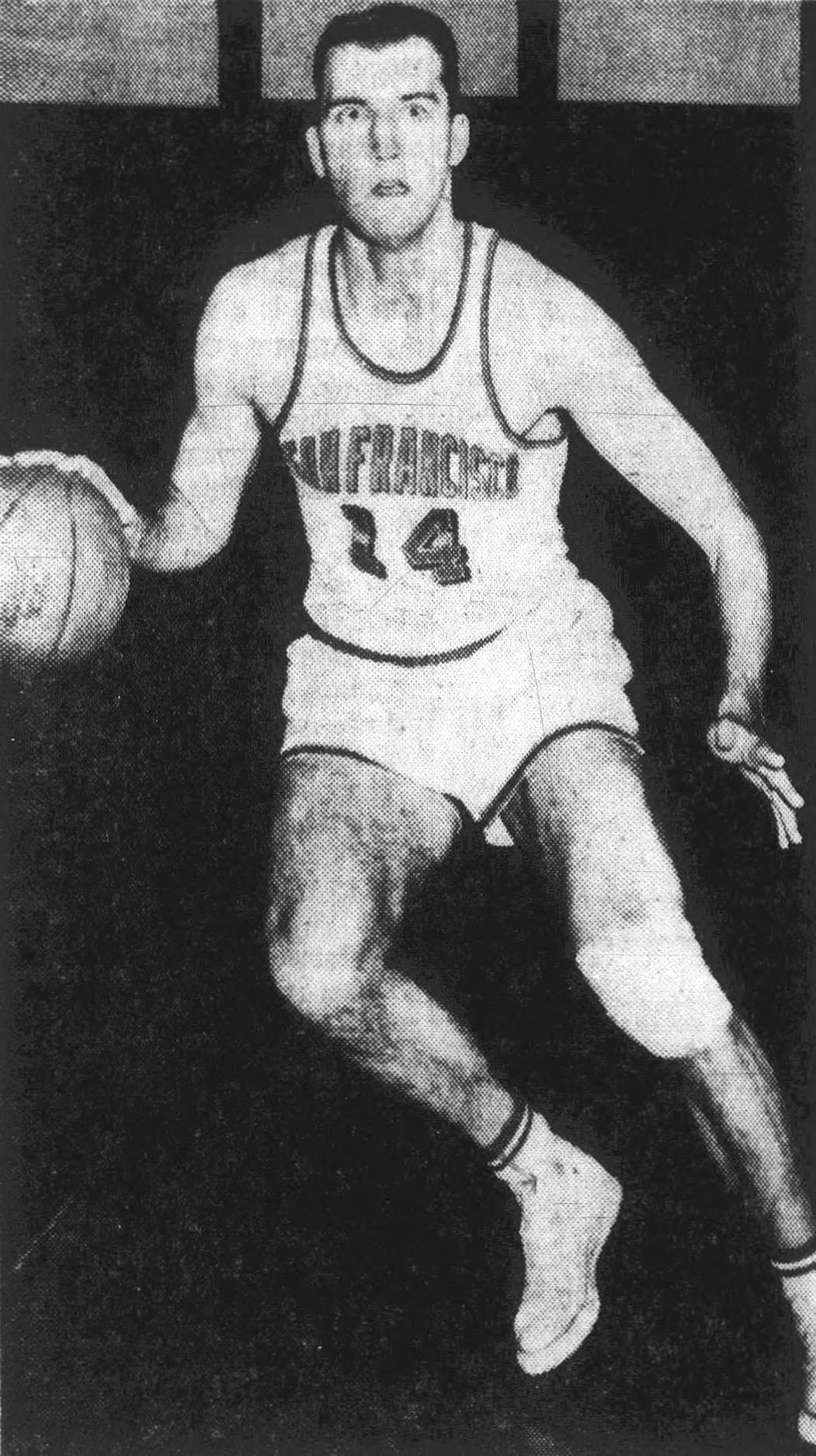
The Golden State Warriors retired Tom Meschery's #14 because he embodied something the franchise has always prized: the willingness to compete without pretense, every night, regardless of the circumstances. Meschery was drafted by the Philadelphia Warriors in 1961 and made the journey west when the franchise relocated to San Francisco in 1962, becoming one of the foundational figures of the team's earliest West Coast era. He played the game the way it was meant to be played before athleticism became its primary currency — with intelligence, physicality, and an absolute refusal to yield, averaging between 13 and 16 points a night through his peak while doing the unglamorous work that defined Warriors basketball of the period. His number hangs in the rafters not for gaudy statistics but for the standard he set: that effort and toughness are themselves worthy of immortality.
From Philadelphia to San Francisco
Meschery was drafted by the Philadelphia Warriors in 1961 and made the journey west when the franchise relocated to San Francisco in 1962. He averaged between 13 and 16 points during his peak seasons and was the Warriors' primary power forward through the mid-1960s — a bruising, physical presence in an era when that description was not a criticism but a job requirement.
Playing alongside Wilt Chamberlain, Meschery's role was clearly defined: he was the enforcer, the physical deterrent, the player who absorbed contact and delivered it in equal measure. The Warriors of that era needed someone to match the physical intensity of opposing frontcourts, and Meschery filled that role with a professionalism that his teammates noticed even if box scores rarely captured it.
Meschery's teammates called him "Mad Dog" — a nickname that reflected his on-court demeanor more than his actual personality. Off the court, he was reading poetry. On it, he was the last player you wanted to test in the paint.
The Poet Behind the Player
What separates Meschery from the average retired number is the depth of his inner life. He was a published poet — a pursuit that surprised many of his contemporaries and defined how he processed his career long after it ended. His collection "Nothing We Lose Can Be Replaced" addressed sport, identity, and the particular dislocation of athletes whose bodies age faster than their sense of self.
He was born in a Japanese internment camp in Siberia, the son of Russian parents who had fled the revolution. His family eventually settled in San Francisco, where he became a local basketball star before his Warriors career brought him back to the city professionally. The arc of his story — from a Soviet internment camp to the Warriors starting lineup — is the kind of narrative that makes a retired number feel earned in dimensions that statistics cannot measure.
After basketball, he taught English and coached high school basketball in Nevada for decades, remaining connected to the sport through education rather than celebrity. He wrote about the game with more clarity and honesty than most players twice as famous.
Why the Warriors Retired #14
The Warriors retired Tom Meschery's #14 because he gave the franchise six seasons of hard, committed basketball during its critical transition from Philadelphia to San Francisco — a period of organizational uncertainty that required players who would stay, compete, and not treat the situation as temporary. Meschery stayed. He competed. He never treated it as anything less than exactly where he was supposed to be.
The number in the rafters honors a particular kind of player: not the superstar whose statistics demand recognition, but the foundational piece without whom the structure of a team does not hold. Meschery was that piece for the early Warriors, and the franchise has remembered it accordingly.
Enjoying this analysis?
Get more breakdowns like this delivered to your inbox.