

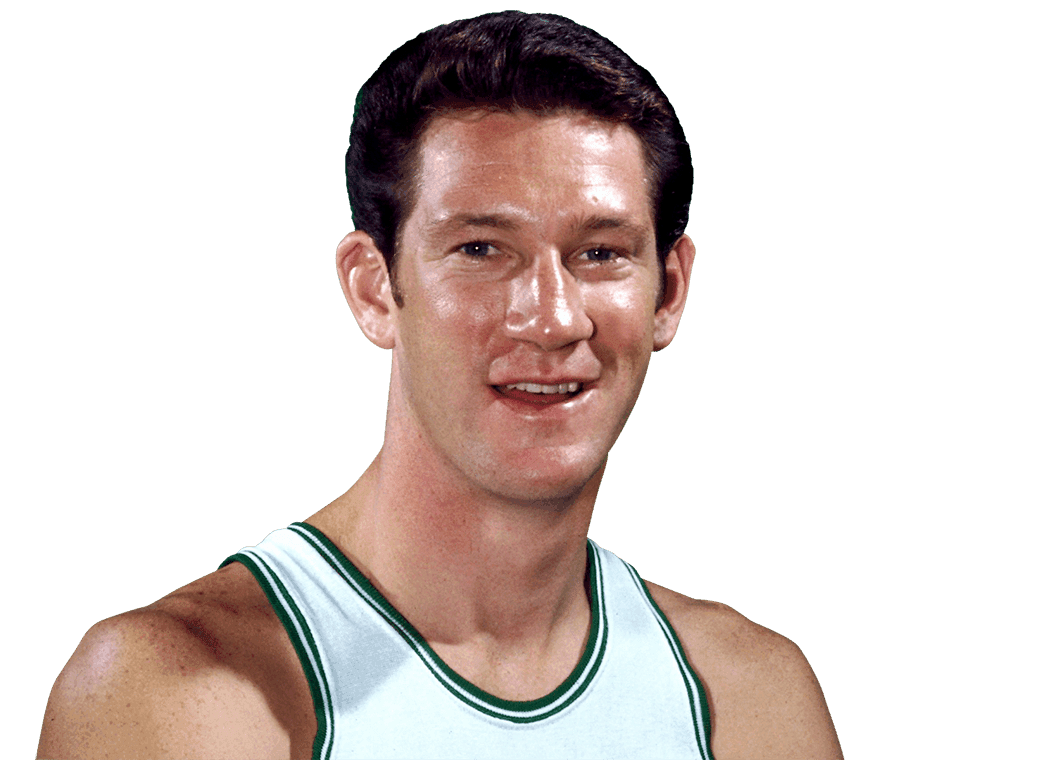
Offensive Game
Elite shooter with one of the purest left-handed strokes in NBA history. A 51.5% career field goal shooter with deep three-point range, mid-range mastery, and the ability to score in bunches. Averaged 26.5 PPG at his peak.
Career Journey
Golden State Warriors
1985-1997
Indiana Pacers
1997-2000
5x NBA All-Star
Selected every year from 1989 to 1993 during his peak with the Golden State Warriors.
Hall of Fame (2011)
Inducted into the Naismith Memorial Basketball Hall of Fame for his individual playing career.
2x Olympic Gold Medalist
Won gold in 1984 in Los Angeles and again with the 1992 'Dream Team' in Barcelona.
Run TMC & Retired No. 17
Anchored Golden State's high-scoring trio; the Warriors retired his No. 17 in 2012.
Chris Mullin was a craftsman in an era that rewarded athleticism. A left-handed sharpshooter with a lightning-quick release and elite footwork, he averaged 25-plus points for five straight seasons — the first player to do so since Wilt Chamberlain — as the centerpiece of Golden State's beloved 'Run TMC' trio with Tim Hardaway and Mitch Richmond. Over 16 seasons, 13 of them with the Warriors, Mullin made five All-Star teams and earned All-NBA First Team honors in 1992. He was also a two-time Olympic gold medalist, winning in 1984 and again as a member of the 1992 Dream Team. Golden State retired his No. 17, and the Hall of Fame enshrined him in 2011 — recognition for a scorer whose game was built on skill and preparation rather than highlight-reel explosion.
Offensive Game
Elite shooter with one of the purest left-handed strokes in NBA history. A 51.5% career field goal shooter with deep three-point range, mid-range mastery, and the ability to score in bunches. Averaged 26.5 PPG at his peak.
Defensive Game
Solid defender who used excellent positioning and basketball IQ to compensate for athletic limitations. Never a shutdown defender but competed hard and understood team defensive concepts.
Intangibles
One of the highest basketball IQs of his generation — a player who processed the game so efficiently that he seemed to always be in the right place at the right time. His understanding of spacing and shot creation was elite.
Personal Life & Family
Partner
Liz Mullin
Children (4)
Parents & Siblings
Off the Court
Addiction recovery awareness advocacy
Chris Mullin Basketball Camp for youth development
Support for Catholic school athletic programs in New York
Did You Know?
Mullin was selected for the 1992 U.S. Olympic Dream Team — widely regarded as the greatest sports team ever assembled — alongside Michael Jordan, Magic Johnson, Larry Bird, and Charles Barkley, a recognition of his status as one of the elite players of his generation.
He overcame a battle with alcoholism that required rehabilitation in 1987, emerging stronger and more focused — his recovery became one of the sport's great comeback stories and a testament to resilience and character.
Run TMC — Mullin, Tim Hardaway, and Mitch Richmond — is considered one of the most electrifying offensive trios in Warriors history and one of the most exciting small-ball combinations of the late 1980s and early 1990s.
Mullin is one of the rare left-handed shooters in NBA history whose mechanics have been used as instructional models — his release point, arc, and follow-through were considered textbook by shooting coaches of his era.
Career Honors
5x NBA All-Star (1992, 1993, 1994, 1995, 1996)
Olympic Gold Medalist (1992 Dream Team)
NBA 50th Anniversary All-Time Team
Naismith Memorial Basketball Hall of Fame (2011)
St. John's University Athletic Hall of Fame
Official Jerseys

134.99
Check Price on NBA Store
224.99
Check Price on NBA Store
199.99
Check Price on NBA StoreGolden State Warriors · Official
399.99
Check Price on NBA StoreAffiliate link · Disclosure
99.99
Check Price on NBA StoreAffiliate link · Disclosure
206.00
Check Price on NBA StoreAffiliate link · Disclosure
48.99
Check Price on NBA StoreAffiliate link · Disclosure
Shop · Worldwide
This page contains affiliate links. We may earn a commission if you purchase through these links, at no extra cost to you. As an Amazon Associate I earn from qualifying purchases.
All articles
Chris Mullin spent 13 seasons as a Warrior, anchored the Run TMC era, played on the Dream Team, and became a Hall of Famer through skill and work ethic alone. Here is why #17 belongs in the rafters.
Golden State Warriors
Golden State Warriors
Subscribe for in-depth player analysis and stat breakdowns delivered to your inbox.


