
1999
San Antonio Spurs
Series Flow
4
Wins
1
Losses
Regular Season
37–13
Win–Loss
Playoff Record
15–2
Win–Loss
Finals
4–1
vs New York Knicks
Finals MVP
Duncan
Tim
San Antonio Spurs
37–13New York Knicks
27–23The 1999 New York Knicks are one of the most improbable Finals participants in NBA history — an eighth seed who knocked out the Miami Heat, Atlanta Hawks, and Indiana Pacers to reach the championship round. Jeff Van Gundy's physical, defensive system made them dangerous, but the San Antonio frontcourt was simply too much to overcome.
Finals MVP
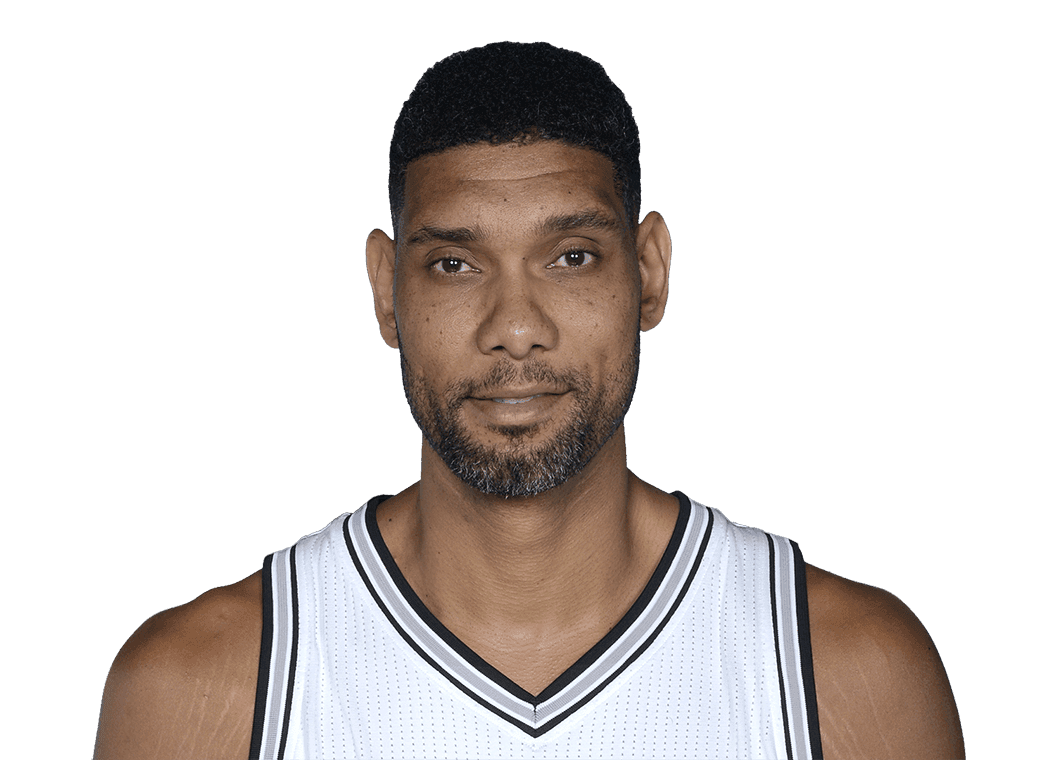
Tim Duncan
#21 · Power Forward / Center
27.4
PPG
14.0
RPG
2.4
APG
2.2
BPG
57.8
FG%
In just his second NBA season, Tim Duncan delivered one of the most dominant Finals performances in history — 27.4 points, 14 rebounds, and 2.2 blocks per game against a Knicks defense that had no answer for his combination of size, footwork, and intelligence. He became the first player to win Finals MVP, regular season MVP, and a championship in the same year since Michael Jordan in 1998.
First player since Michael Jordan (1998) to win Regular Season MVP, Finals MVP, and a championship in the same year
Youngest player to win Finals MVP since Magic Johnson in 1980
Averaged a 27-14 double-double across 5 Finals games against the Knicks
Anchored the only back-to-back Defensive Player of the Year campaigns while winning his first championship
How the Series Unfolded
G1 · W
1–0
G2 · W
2–0
G3 · L
2–1
G4 · W
3–1
G5 · W
4–1
89
SAS
77
NYK
Tim Duncan set the tone immediately — 33 points and 16 rebounds against a Knicks team that had no answer for his combination of post footwork and defensive presence. David Robinson contributed 14 points and 11 boards, and the Twin Towers frontcourt made New York look undersized at every position. The Knicks — who had barely survived the regular season to reach the Finals as the lowest seed in history — looked overmatched from the opening tip.
San Antonio Spurs
Tim Duncan
33 pts · 16 reb · 2 blkSet the tone with a dominant two-way masterclass that no Knicks big could match.
David Robinson
14 pts · 11 rebThe Twin Towers frontcourt operated as a unit, controlling the paint completely.
NYK
Latrell Sprewell
22 pts · 6 astThe Knicks' most dangerous weapon showed flashes but couldn't sustain momentum.
80
SAS
67
NYK
The Spurs tightened their defensive grip in Game 2, holding the Knicks to their lowest output of the series. The San Antonio defense — anchored by Robinson and Duncan in the paint — contested every interior touch and forced New York into difficult perimeter shots. Avery Johnson orchestrated the offense with precision, pushing the pace in transition and finding Duncan for repeated catch-and-finish opportunities that the Knicks simply couldn't stop.
San Antonio Spurs
Tim Duncan
25 pts · 15 reb · 3 blkAnother dominant performance — 15 rebounds sent an unmistakable message about interior control.
Avery Johnson
19 pts · 8 astControlled pace and found Duncan repeatedly in pick-and-roll actions that New York couldn't stop.
NYK
Allan Houston
18 ptsThe Knicks' best scorer kept New York competitive but couldn't generate consistent opportunities.
81
SAS
89
NYK
Madison Square Garden roared back to life as the Knicks responded with their best performance of the series. Patrick Ewing and Latrell Sprewell combined to dominate on their home court, and the crowd energized a New York team that had been largely passive in San Antonio. The Spurs' offense stalled on the road, and the Knicks used home court energy to cut the series deficit to 2-1 and keep their title hopes alive.
San Antonio Spurs
Tim Duncan
23 pts · 12 rebContinued his brilliance but the Spurs' supporting cast couldn't match New York's intensity on the road.
NYK
Latrell Sprewell
24 pts · 7 rebLifted Madison Square Garden with an attacking performance that put San Antonio's defense under constant pressure.
Patrick Ewing
18 pts · 12 rebThe Garden legend delivered in his final Finals appearance, dominating the interior for the only time in the series.
96
SAS
89
NYK
On New York's court, the Spurs reasserted control and pushed the Knicks to the brink. Duncan was unstoppable on both ends — his 28 points and 18 rebounds remains one of the great road Finals performances in the modern era. Avery Johnson hit crucial shots in the fourth quarter to hold off a late Knicks charge, and the Spurs returned to San Antonio needing just one more win. The championship was one game away.
San Antonio Spurs
Tim Duncan
28 pts · 18 reb · 2 blkOne of the great road Finals performances — dominated MSG in a potential championship closeout game.
Avery Johnson
21 pts · 9 astHit clutch shots in the fourth quarter to preserve the lead when the Knicks threatened to force overtime.
NYK
Latrell Sprewell
23 ptsLed New York's valiant effort but the Knicks couldn't generate enough stops to match San Antonio's execution.
78
SAS
77
NYK
In the tightest game of the series, the San Antonio Spurs claimed their first NBA championship by a single point. The Knicks refused to go quietly, cutting the lead to one in the final minute and giving the Alamodome a scare it would never forget. But Tim Duncan calmly held the line — his experience, composure, and sheer competitive greatness settled the franchise's first championship moment. When the final buzzer sounded, a dynasty had officially begun.
San Antonio Spurs
Tim Duncan
31 pts · 16 reb · 5 blkClosed out the championship with his most complete game — 31 points and 5 blocks when the franchise needed him most.
David Robinson
13 pts · 9 rebThe Admiral's leadership and veteran calm helped the Spurs hold their nerve in a one-point thriller.
NYK
Allan Houston
21 ptsNearly willed the Knicks to a miracle — his fourth-quarter burst made the final minutes genuinely terrifying for San Antonio.
The Champions
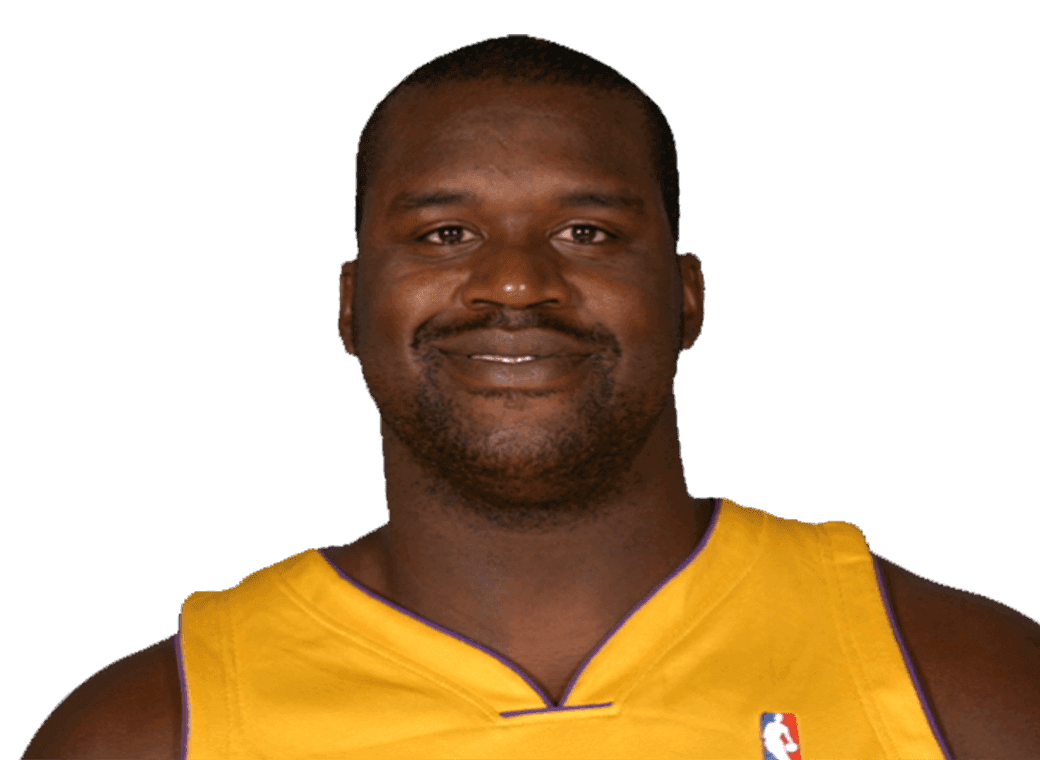
16.2
PPG
10.0
RPG
1.8
BPG
The Admiral provided the veteran anchor alongside Duncan — the Twin Towers defense that the lockout-shortened Knicks had no blueprint to defeat. Robinson brought championship experience, defensive intensity, and the mentorship that shaped Duncan's championship character.
Completed his Hall of Fame legacy by winning his first NBA championship at age 33
The Twin Towers frontcourt with Duncan gave opponents the most difficult matchup problem in the 1999 playoffs
Avery Johnson
#6 · Point Guard
17.2
PPG
6.4
APG
1.8
SPG
The Little General ran the Spurs offense with the tenacity and speed that made him one of the best point guards of his era. Johnson's ability to push pace, find Duncan in the post, and attack the rim off pick-and-roll kept the Knicks' defense scrambling all series long.
Mario Elie
#5 · Shooting Guard
10.2
PPG
44.4
3P%
1.4
SPG
The veteran wing and three-point specialist gave the Spurs a reliable shooter and defensive stopper who had been through championship battles with Houston. His experience in big moments was invaluable to a young team's confidence.
They Pushed Us to the Limit
The 1999 New York Knicks are one of the most improbable Finals participants in NBA history — an eighth seed who knocked out the Miami Heat, Atlanta Hawks, and Indiana Pacers to reach the championship round. Jeff Van Gundy's physical, defensive system made them dangerous, but the San Antonio frontcourt was simply too much to overcome.
Latrell Sprewell
#8 · Small Forward
21.0
PPG
5.2
RPG
The Knicks' most dynamic offensive weapon — electric and unpredictable, but ultimately outmatched by San Antonio's defensive depth.
Allan Houston
#20 · Shooting Guard
18.8
PPG
43.2
FG%
New York's best perimeter scorer, whose layup against Miami in the first round remains more iconic than anything from the Finals themselves.
Patrick Ewing
#33 · Center
14.4
PPG
10.0
RPG
The Garden legend's final Finals appearance — overmatched by the Twin Towers frontcourt but still a commanding presence.
History Written in 1999
San Antonio Spurs
First NBA championship in franchise history — the beginning of a dynasty
Tim Duncan
First player since Michael Jordan (1998) to win Regular Season MVP, Finals MVP, and a championship in the same year
Gregg Popovich
First NBA championship as head coach — the start of the most successful coaching tenure in modern NBA history
David Robinson
Won his first and only NBA championship in his 10th season — completing a Hall of Fame legacy
San Antonio Spurs
Only 8th-seeded team ever to reach the NBA Finals — the Knicks' historic run made this the most unlikely championship series of the modern era
San Antonio Spurs
Went 15–2 in the playoffs — the best postseason record in Spurs history
Beyond the Box Score
The 1998-99 NBA season was unlike any other in league history. A labor dispute between the players and owners wiped out the first three months of the season, compressing the schedule to just 50 games. Teams that depended on depth and systematic play — like the San Antonio Spurs — thrived in the shortened format. The Spurs went 37-13, the best record in the Western Conference, and entered the playoffs as the clear favorite.
Tim Duncan's first championship came in just his second professional season — a remarkable acceleration that even the Spurs hadn't fully anticipated. His partnership with David Robinson — the Twin Towers arrangement that made San Antonio's frontcourt the most dominant in basketball — gave Gregg Popovich a defensive weapon no opponent could crack. Duncan and Robinson together allowed 15–2 postseason record that still stands as the franchise's best playoff run.
The New York Knicks were the perfect Finals opponent for a franchise writing its origin story. No one expected New York to be there — they were the first eighth seed in NBA history to reach the Finals, surviving three elimination series to make it. But the Knicks' physical, Jeff Van Gundy-coached defense and their fighting spirit gave the 1999 Finals a legitimacy and drama that a more conventional opponent might not have provided.
This championship launched what would become the most sustained dynasty of its era. Between 1999 and 2014, the San Antonio Spurs won five championships in 15 years — a level of sustained excellence that no other franchise matched in that period. The 1999 title was the foundation stone, and its importance to the Spurs' identity cannot be overstated.
The Full Story
The 1998-99 season existed in a compressed, unusual reality. A 191-day lockout had wiped out the first three months of the NBA calendar, and when basketball finally resumed in February 1999, only 50 games remained. The San Antonio Spurs — built on system, depth, and the twin pillars of Tim Duncan and David Robinson — were perfectly suited to thrive in the chaos.
Duncan, in just his second professional season, was already the best player in the world. His combination of footwork, defensive instincts, and competitive intelligence was the foundation of everything the Spurs built. Alongside David Robinson — a 33-year-old still playing at an All-Star level — the Twin Towers frontcourt made San Antonio the team no one wanted to face in the Western Conference.
The Knicks arrived at the Finals as the most improbable opponent imaginable — an eighth seed who had somehow knocked out Miami, Atlanta, and Indiana. Jeff Van Gundy's physical system gave them a chance against anyone, but against Duncan and Robinson, they had no answers. Tim Duncan averaged 27-14 across five games, and David Robinson provided everything the franchise needed from its elder statesman: leadership, defense, and the mentorship that shaped a champion.
When the final buzzer sounded in Game 5 — a one-point thriller that had the Alamodome genuinely holding its breath — the San Antonio Spurs were NBA champions for the first time. What began that night in 1999 would define the next 15 years of professional basketball's golden age of sustained excellence.
Share the Legacy
Send this page to a fellow San Antonio Spurs fan. Let them relive every moment — game by game, play by play.