Esta página contiene enlaces de afiliados. Podemos ganar una comisión si compras a través de estos enlaces, sin costo adicional para ti. As an Amazon Associate I earn from qualifying purchases.
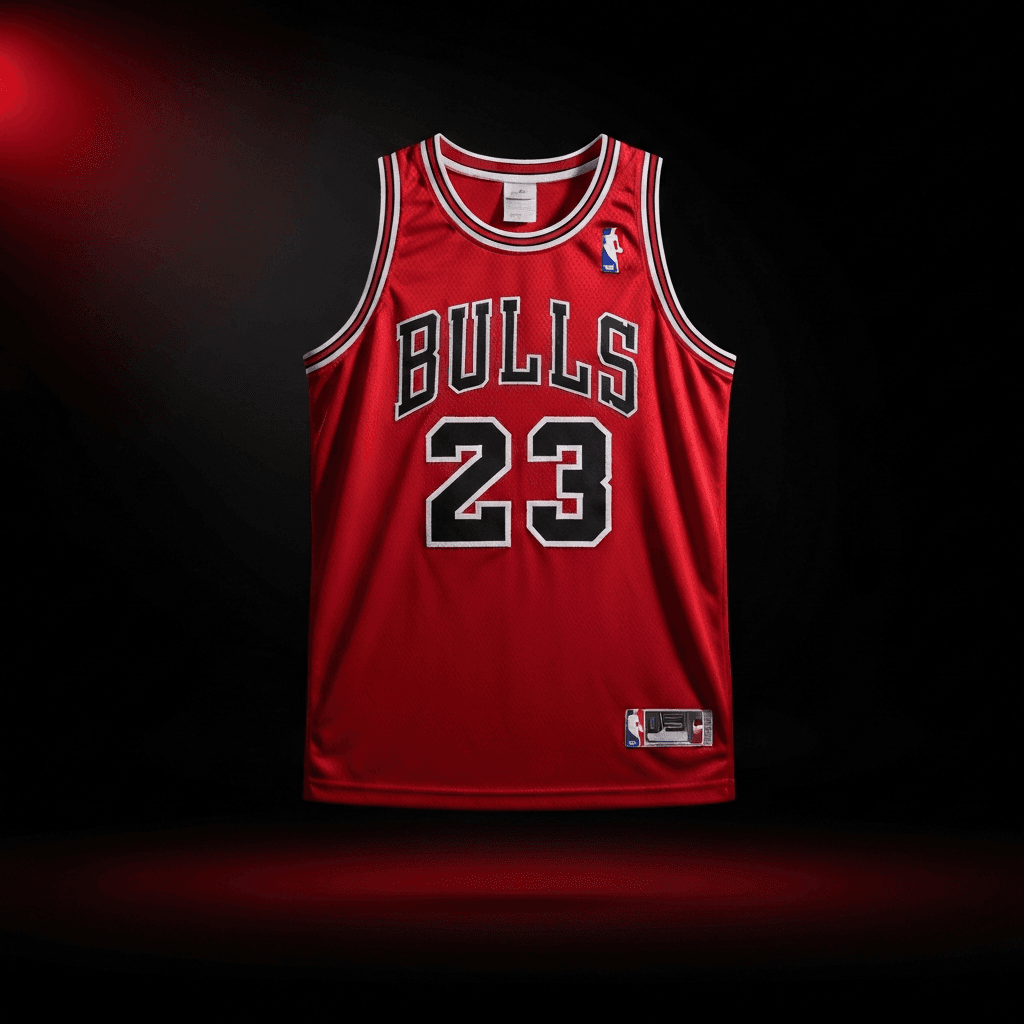
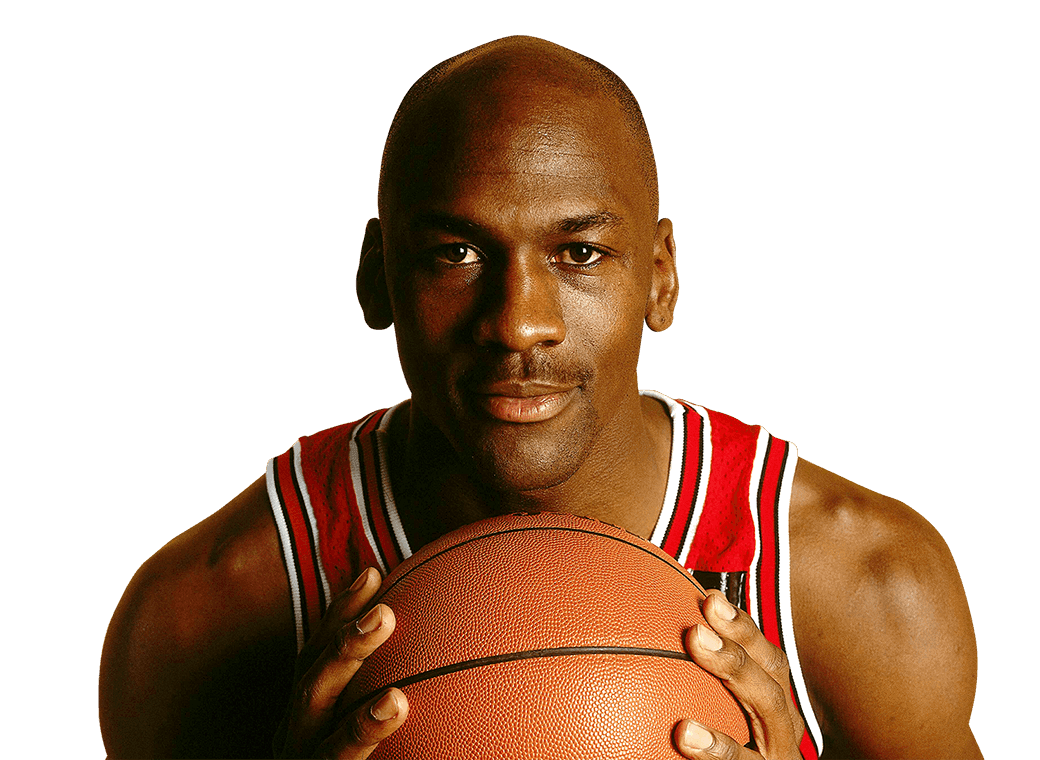
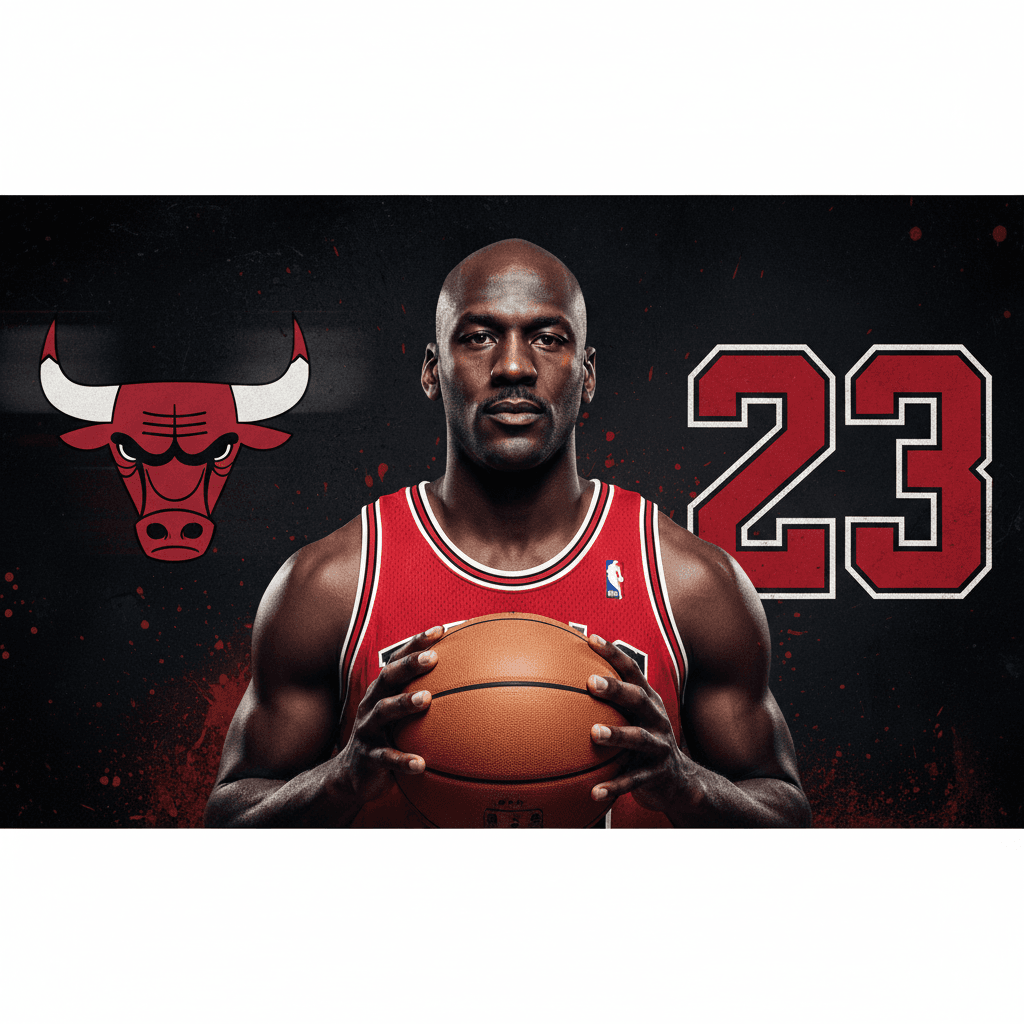
October 1, 1994. The Chicago Bulls retire #23. Michael Jordan had announced his first retirement ten days earlier, citing the murder of his father and an exhaustion no professional athlete had ever publicly named with that much honesty. The franchise organized a ceremony in the old Chicago Stadium, raised a banner to the rafters, and said goodbye to the greatest player who had ever worn their uniform. Phil Jackson cried. Scottie Pippen looked at the floor. Jerry Reinsdorf read from a prepared script and lost his place twice. In a city that had spent thirty years waiting for a basketball god, the goodbye felt rehearsed and inadequate at the same time, the way real goodbyes always do.
Eighteen months later, Jordan faxed two words to the Bulls' press office: "I'm back."
They unretired the number.
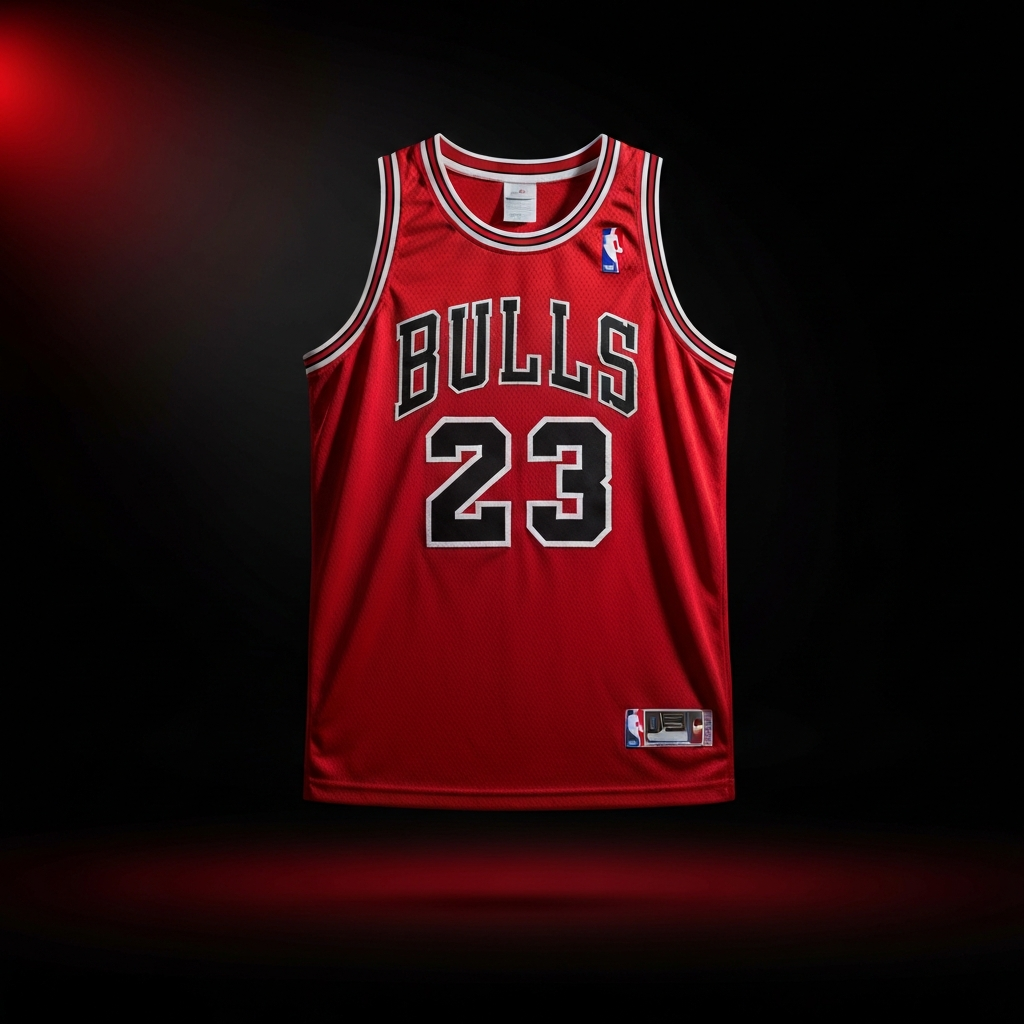
It came back down again after the 1998 championship — the second three-peat, the last dance, the shot over Bryon Russell that won his sixth and final title. Then it went back up, permanent this time, alongside the six championship banners it had helped earn. The story of #23 is the story of everything the Chicago Bulls are.
The Kid Cut From Varsity
The biographical detail that Michael Jordan told himself every time he stepped on a court — that he had been cut from his high school varsity team as a sophomore — was not quite literally true. He had been moved down to the JV roster because the Laney High coaches needed a tall sophomore to start at center for the junior varsity, and the varsity already had its starting two-guard. The distinction never mattered. What mattered was the story Jordan built around the slight: the year he spent staring at the list of varsity names on the gym door and not finding his own. He used the memory the way other people use prayer.
By his junior year he was the best player in the state. North Carolina recruited him. As a freshman in 1982, he hit the game-winning baseline jumper against Georgetown to give Dean Smith his first national championship. The Tar Heels sent him to the 1984 draft as the third pick overall — after Hakeem Olajuwon went first and Sam Bowie went second to Portland. The Bowie pick became one of the most studied parables in front-office failure: a parable not about Sam Bowie, who was a fine center when healthy, but about a league that did not yet have the language to describe what Michael Jordan was about to become.
Years One Through Six
Jordan averaged 28.2 points per game as a rookie and won Rookie of the Year. The second season he played 18 games — a broken foot in October, a doctors-clearance fight with management in March, and a playoff return at less than full health. He came back to drop 63 points on Larry Bird's Boston Celtics in Game 2 of a first-round series the Bulls lost in a sweep. Bird left the locker room and told reporters: "I think he's God disguised as Michael Jordan."
The third season Jordan averaged 37.1 points per game — still the highest scoring average for any player not named Wilt Chamberlain — and the Bulls still lost in the first round. The fourth and fifth seasons he won scoring titles, MVPs, and Defensive Player of the Year, and the Bulls still ran into the Detroit Pistons wall. The Bad Boys built their entire defensive system around a single concept they called the "Jordan Rules": hit him on every drive, double-team his catches above the free-throw line, force him to give up the ball, and dare anyone else to beat them. It worked three years in a row. Jordan went home in 1988, 1989, and 1990 while the Pistons went to the Finals.
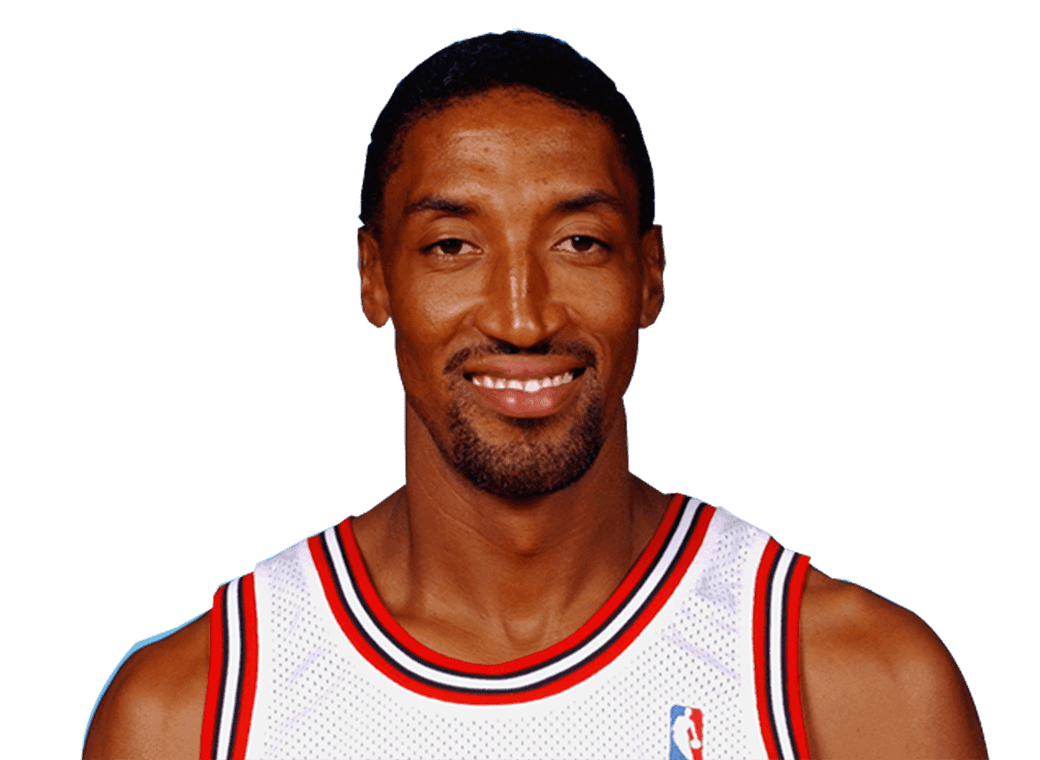
Phil Jackson took over as head coach in 1989. Scottie Pippen, drafted in 1987, was now a four-year veteran who could defend any wing in the league. Tex Winter's triangle offense — three players strong-side, two weak-side, every read driven by where the defense shifted — gave Jordan a framework that turned his individual brilliance into collective dominance. The Bulls finally broke the Pistons in 1991, sweeping them out of the Eastern Conference Finals. The Detroit players walked off the floor without shaking hands. Chicago did not care.

The First Three-Peat: 1991–1993
The 1991 NBA Finals matched Jordan against Magic Johnson's Los Angeles Lakers — the last gasp of the Showtime era and the first ring of what would become a dynasty. The Bulls lost Game 1 at home, then won four straight. Jordan averaged 31.2 points, 11.4 assists, and 6.6 rebounds across the series. After the final buzzer of Game 5 in the Forum, he sat in the locker room and cried into the trophy, a private man experiencing a public relief after seven years of being told he could not win the big one. Pippen stood at the door and watched, because in basketball some moments are private even when they happen in front of cameras.
"I never thought I'd feel this way. I never thought winning would mean this much." — Michael Jordan, June 12, 1991, holding the Larry O'Brien Trophy for the first time
The 1992 Finals against Portland produced the shrug. Game 1, Chicago Stadium, the Trail Blazers' Clyde Drexler had spent the spring being compared to Jordan in newspapers across the country. Jordan hit six three-pointers in the first half — more than he had hit in any full half of his career to that point. He turned to the press table after the sixth one, palms up, eyes wide, and shrugged. It was equal parts genius and showmanship, and it became one of the defining images in sports history.

The 1993 Finals against the Phoenix Suns produced the single greatest individual performance ever delivered in a championship round. Jordan averaged 41 points per game across six games. Forty-one. Per game. He shot 51 percent from the floor and went the entire series without a quiet game. The Suns had won 62 regular-season games and had Charles Barkley as the league MVP. They were the bigger, deeper, more physical team. They lost in six because every time their defense forced Jordan into a difficult shot, he made it anyway. No player in the thirty years since has come within four points per game of that Finals output.
The Murder, the Exile, the Return
James Jordan was found in a creek in McColl, South Carolina, in August 1993. He had been carjacked and shot in the chest. Two teenagers were arrested within weeks. Michael Jordan, who had spent his life telling reporters that his father was the man he most wanted to impress, walked away from basketball two months later.

He signed a minor-league contract with the Birmingham Barons, a Double-A White Sox affiliate, and showed up to spring training in 1994 wearing #45 instead of #23. The number was a quiet tribute to a high school memory: in eighth grade in Wilmington, before he had ever heard of varsity cuts, he had worn #45 on a youth-league team. His older brother Larry had picked the number. James Jordan had been at every game. The connection was the kind of thing Michael never explained to reporters.
The .202 batting average is the number history remembers. The detail history forgets is that he played 127 games of professional baseball, hit 13 doubles, drove in 51 runs, and stole 30 bases — a season that for any other 31-year-old non-prospect would have been respectable. He came back to the Bulls in March 1995 wearing #45 again, scored 55 points on the New York Knicks at Madison Square Garden in his fifth game back, and lost in the second round of the playoffs to the Orlando Magic. Then the offseason came. Then the gym opened. Then everything changed.
The Second Three-Peat: 1996–1998
The 1995–96 Bulls won 72 regular-season games. That record stood for twenty years as the greatest single-season performance in NBA history, broken briefly by Golden State in 2016 and rendered meaningless the same June when the Warriors lost the Finals. Jordan, then 33, had reshaped his game around the post-up and the fadeaway. Dennis Rodman had arrived from San Antonio with green hair and the best rebounding instincts in the sport. Pippen was at the peak of his two-way prime. Jackson's triangle ran with the precision of a machine that had been welded together in 1989 and finally rusted into perfection.

The 1996 Finals against Seattle ended on Father's Day. Jordan held the trophy and wept on the locker-room floor — three years to the day after his father's murder, on the holiday that had defined the absence. ABC's broadcast camera caught a full minute of it. He did not look up. He did not perform for the lens. He grieved.
The 1997 Finals against Utah produced the Flu Game. Game 5, Salt Lake City, series tied 2–2. Jordan woke up before dawn vomiting from food poisoning that he and the team doctor diagnosed in the moment as the flu. He spent the day hooked to an IV in his hotel room. He arrived at the arena 90 minutes before tip and could not stand without leaning on a wall. He played 44 minutes and scored 38 points. With 25 seconds left and the Bulls down by one, he hit a three-pointer. Pippen carried him off the floor at the final buzzer. Jordan could not walk on his own.
The 1998 Finals ended on the Last Shot. Game 6, Delta Center, Bulls trailing by three with 41 seconds left. Jordan drove on Bryon Russell, scored, then stripped Karl Malone of the ball on the next possession. He dribbled up the floor, isolated Russell at the top of the key, took two dribbles to his right, pump-faked, planted, and pulled up from 18 feet with 5.2 seconds on the clock. The shot hung in the air for what every witness in the building later described as a long time, which is what time does when you know what is going to happen before it happens. The shot went in. The Bulls won their sixth title. Jordan held his follow-through for a beat too long, the way a calligrapher holds the pen above the page after the final character.

The Numbers Behind the Number
- 6 NBA championships (1991, 1992, 1993, 1996, 1997, 1998)
- 6 Finals MVP awards — won every Finals he played
- 5 regular-season MVP awards (1988, 1991, 1992, 1996, 1998)
- 10 scoring titles — the most in NBA history
- 30.1 career scoring average — highest in NBA history, regular season and playoffs
- 14× All-Star, 3× All-Star MVP
- 10× All-NBA First Team
- 9× All-Defensive First Team
- 1988 Defensive Player of the Year — the only guard in the modern era to win it
- 1984 Rookie of the Year, 1992 Olympic gold, 1996 NBA 50 Greatest, 2009 Hall of Fame
None of these numbers contains what Michael Jordan meant to the sport. The Air Jordan brand has generated more than $50 billion in lifetime revenue and is now the largest signature shoe line in the history of any sport. When the Bulls played road games in the mid-1990s, arena attendance records were broken not to see the home team but to say you had been in the same building. Heads of state arranged meetings around his schedule. In Beijing, in Manila, in Lagos, in São Paulo, kids who could not name three other NBA players could draw the Jumpman silhouette from memory. The phrase "I want to be like Mike" outgrew its Gatorade campaign — it became a generational aspiration that crossed every cultural boundary the sport itself had not yet crossed.
Why #23 Hangs Forever
The Bulls retired Michael Jordan's #23 in a ceremony at the old Chicago Stadium on November 1, 1994. They unretired it briefly when he returned. They retired it again, permanently, after the 1998 championship. They have never allowed another player to wear it since, and the franchise's position on the matter has not wavered through three ownership eras and four head coaches.
The decision is simple. Some numbers are not about honoring a player. They are about acknowledging that something happened in your franchise that will never happen again — and that the number which witnessed it deserves to be treated accordingly.

#23 witnessed all of it. The 63 points against Boston in 1986. The first championship in 1991. The shrug in 1992. The 41 per game in 1993. The exile and the return. The Flu Game. The Last Shot. Thirty years of professional basketball and no one — no one — has won six Finals and six Finals MVPs. No one has averaged 30 points per game for a career. No one has bent the gravity of an entire global sport around a personal mythology the way this player did across the eighteen years his career spanned.
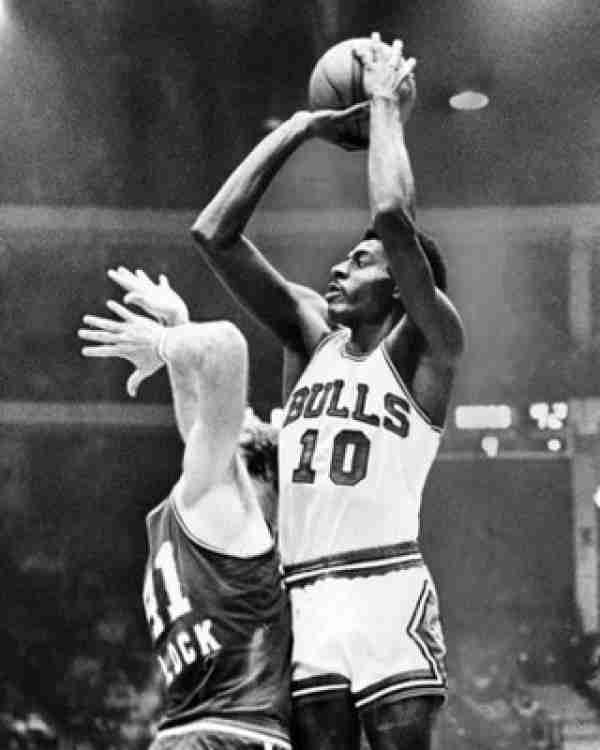
The number hangs in the United Center because the basketball world still has not finished processing what it witnessed. It hangs in the same rafters as Scottie Pippen's #33, Jerry Sloan's #4, and Bob Love's #10 — three numbers that each tell their own story of what a Chicago Bull is supposed to mean. None of them, on its own, is the franchise. Together they are the spine of it. And #23 is the number the spine was built around.
¿Te gusta este análisis?
Recibe más análisis como este en tu bandeja de entrada.