
2011
Dallas Mavericks
Series Flow
4
Wins
2
Losses
Regular Season
57–25
Win–Loss
Playoff Record
16–5
Win–Loss
Finals
4–2
vs Miami Heat
Finals MVP
Nowitzki
Dirk
Dallas Mavericks
57–25Miami Heat
58–24 (Regular Season)The 2010-11 Miami Heat were the most anticipated team in NBA history before the season began. LeBron James had announced in a nationally televised special — "The Decision" — that he was leaving Cleveland to join Dwyane Wade and Chris Bosh in Miami. At the press conference introducing the trio, LeBron promised "not one, not two, not three..." championships. The basketball world either celebrated or seethed, depending on their relationship with the superstar. What Dallas proved across six games was that star power alone — even the most concentrated star power in league history — cannot defeat a team that has mastered how to play the right way.
Finals MVP
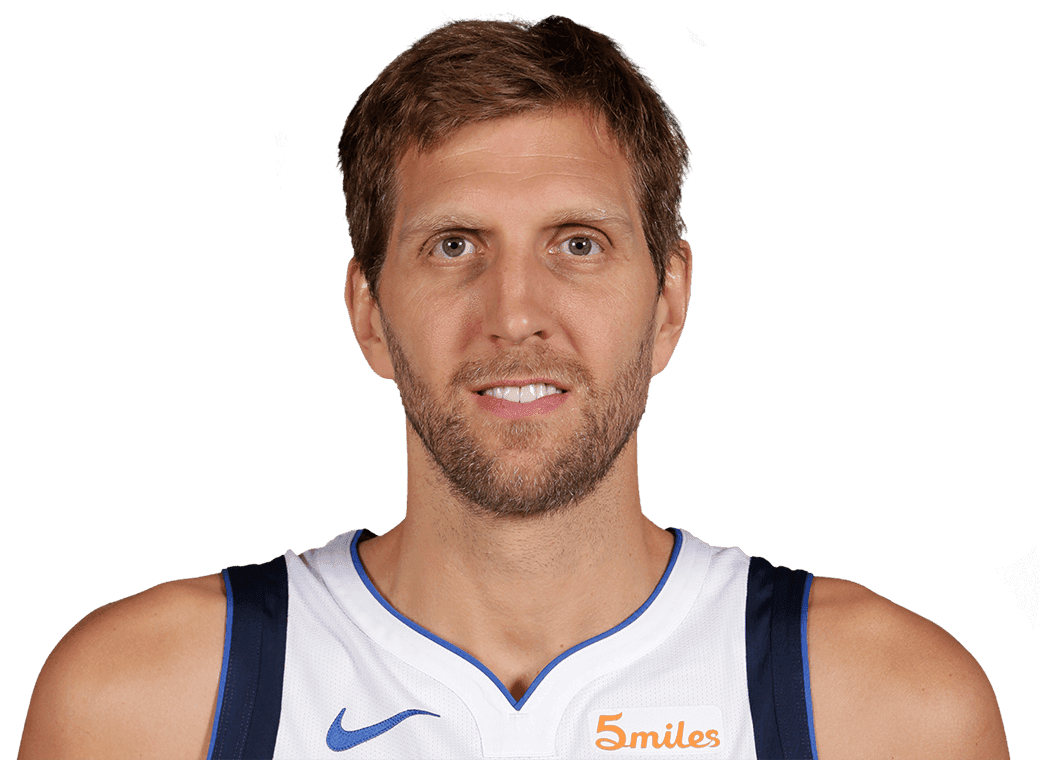
Dirk Nowitzki
#41 · Power Forward
26.0
PPG
9.7
RPG
2.5
APG
41.5
FG%
93.9
FT%
Dirk Nowitzki delivered the most unguardable performance in 2011 Finals history. His one-legged fadeaway jumper — a shot so anatomically improbable that the NBA eventually named it for him — proved completely indefensible against one of the most talented defenses in the league. In Game 3, with Dallas trailing by one with under 30 seconds remaining, he drove baseline, swept around Chris Bosh's contest, and banked a left-handed shot off the glass while being fouled — then made the free throw. That sequence distilled everything about Nowitzki into a single moment: technical mastery, physical creativity, and ice-cold composure when the season was on the line. He averaged 26.0 points on free-throw shooting that bordered on supernatural (93.9%), taking the game to a dimension LeBron James, Dwyane Wade, and Chris Bosh simply could not follow.
First and only championship for Dirk Nowitzki — the culmination of 13 NBA seasons with a single franchise
Averaged 26.0 PPG in the Finals while shooting 93.9% from the free-throw line across 6 games
Famous clutch play in Game 3: off-balance left-hand bank with Bosh defending + free throw to seal Dallas lead
Became the first European-born player to win Finals MVP in NBA history
Scored 20+ points in every Finals game, providing the offensive foundation for Dallas across all six contests
How the Series Unfolded
G1 · L
0–1
G2 · W
1–1
G3 · W
2–1
G4 · W
3–1
G5 · L
3–2
G6 · W
4–2
86
DAL
92
MIA
Miami opened the 2011 NBA Finals with a disciplined performance that immediately established the Heat as the series favorites. LeBron James scored 24 points with 9 rebounds and 5 assists, orchestrating the offense with the control that made him the league's most feared player. Dwyane Wade added 22 points, and the Heat's defense — which had shut down Boston and Chicago in the Eastern Conference — proved just as stifling against Dallas's offensive arsenal. Dirk Nowitzki scored 27 points but Dallas's supporting cast struggled to find rhythm in a hostile AmericanAirlines Arena environment. The Mavericks went home trailing 1-0, facing the challenge of matching Miami's collective star power with their own system-driven approach.
Dallas Mavericks
Dirk Nowitzki
27 pts · 6 reb27 points in a losing effort. Dirk showed he could score against Miami's defense, but Dallas needed more from its supporting cast to compete on the road.
MIA
LeBron James
24 pts · 9 reb · 5 astLeBron's complete performance — scoring, rebounding, distributing — established the Heat's offensive tone and gave Miami exactly the first game it needed on home court.
Dwyane Wade
22 pts · 7 rebWade's aggressive interior attack gave Dallas's defense fits and complemented LeBron's perimeter orchestration perfectly.
95
DAL
93
MIA
Game 2 produced one of the great fourth-quarter comeback performances in NBA Finals history. The Miami Heat built a 15-point lead midway through the fourth quarter — a margin that looked, in an arena buzzing with championship certainty, insurmountable. What followed was Dirk Nowitzki at his transcendent best. He carried Dallas on a 22-5 run that erased the deficit and stunned AmericanAirlines Arena into silence. Dirk finished with 35 points and 9 rebounds, converting free throws with supernatural calm as the clock ran down. When the final buzzer sounded with Dallas ahead 95-93, the Mavericks had stolen homecourt advantage in the most dramatic fashion possible. The Heat had played nearly perfectly for three-and-a-half quarters — and still lost. That fact alone changed the psychological balance of the series.
Dallas Mavericks
Dirk Nowitzki
35 pts · 9 rebThe performance that changed everything — Dirk scored the majority of his 35 points in the fourth quarter, orchestrating a 22-5 run from down 15 that remains one of the great Finals comeback moments in NBA history.
Jason Terry
18 pts · key 3-pointersTerry's three-point shooting during the fourth-quarter comeback gave Dallas's push the secondary scoring it needed to complete the improbable 15-point deficit reversal.
MIA
Dwyane Wade
36 ptsWade's 36-point effort kept Miami in a game Dallas eventually stole. He could not have played better — the problem was Dirk playing at a level no single defender could match.
88
DAL
86
MIA
Game 3 gave the basketball world one of the defining images of the 2011 Finals. With Dallas trailing by one point and less than 30 seconds remaining, Dirk Nowitzki drove the left baseline — Chris Bosh positioning himself for the contest — and produced what his career had been preparing him to deliver. As Bosh closed out, Dirk swept his right arm around the defender, transferred the ball to his left hand in mid-air, and banked a running shot off the glass while being fouled. The ball went in. He made the free throw. Dallas led 88-86 and the American Airlines Center exploded. That moment — off-balance, improvised, anatomically improbable, and absolutely clutch — communicated something that the series' first two games had not: this Mavericks team would not be defeated by pressure. They would manufacture winning plays in situations that defeated other teams.
Dallas Mavericks
Dirk Nowitzki
34 pts · 9 rebThe famous left-hand bank while fouled with under 30 seconds left — a shot so improvised and perfect that it became the defining image of the 2011 championship. The subsequent free throw made it a 3-point play and Dallas never trailed again.
J.J. Barea
17 pts · 5 astBarea's explosive speed off the bench gave Miami's defense no answer — the 6-foot guard repeatedly got into the paint and created Dallas advantages that broke the Heat's defensive scheme.
MIA
LeBron James
17 pts · 11 reb · 9 astA near triple-double but not enough — LeBron's performance that could not prevent Dallas from making the clutch plays the Heat couldn't answer.
86
DAL
83
MIA
Dallas went up 3-1 with another fourth-quarter defensive masterpiece. Dirk Nowitzki scored 32 points and grabbed 11 rebounds — his most complete two-way performance of the series — and the Mavericks' defense held Miami to 83 points on a night when LeBron James went quiet in the decisive fourth quarter. The Heat's fourth-quarter offense stalled repeatedly as Dallas switched schemes and forced Miami into difficult mid-range attempts rather than the drive-and-dish rhythm that had powered their offense all season. The game sealed something larger than a series lead — it revealed that Miami's Big Three could be collectively neutralized by a team smart enough to take away their comfort zones and individually tenacious enough to execute.
Dallas Mavericks
Dirk Nowitzki
32 pts · 11 rebDirk's most complete Finals game — 32 and 11 on both ends, he carried Dallas to a 3-1 series lead with a performance that made the Mavericks' first championship feel inevitable.
Shawn Marion
13 pts · 8 rebMarion's defensive commitment on LeBron James reached its peak in Game 4, limiting him to a diminished fourth-quarter role in the game's most critical minutes.
MIA
LeBron James
22 pts · 4 astA quiet fourth quarter from the league's best player — a disappointing performance that drew widespread criticism and became one of the enduring stories of the 2011 Finals.
95
DAL
103
MIA
Miami refused to go quietly. Back on their home floor facing elimination, LeBron James and Dwyane Wade combined for 57 points in one of the most explosive joint performances of the series. The Heat's defense tightened — holding Dallas to 95 points — and Miami's offensive execution in the fourth quarter was crisper and more disciplined than anything they'd shown since Game 1. The Mavericks could not find the fourth-quarter clutch gear that had defined their run. Game 5 reminded the basketball world that this Miami team had the talent to win any single game — the question was whether they could do it three more times in a row. They couldn't.
Dallas Mavericks
Dirk Nowitzki
29 pts · 7 rebEven in defeat, Dirk scored 29 — the loss was a team performance issue, not an individual one. Dallas simply couldn't match Miami's collective explosion on their home floor.
MIA
LeBron James
33 pts · 7 rebLeBron's best game of the series — a dominant 33-point performance that gave Miami the bounce-back win needed to extend the series and avoid a sweep.
Dwyane Wade
23 pts · 7 astWade's orchestration of Miami's half-court offense reached its sharpest level in Game 5, directing the Heat's attack with the precision that made him so dangerous.
105
DAL
95
MIA
The Dallas Mavericks won their first NBA championship on June 12, 2011, and they did it the only way this franchise knew how: through collective basketball, veteran execution, and Dirk Nowitzki at the center of everything. But Game 6 belonged equally to Jason Terry. The man who had tattooed Dirk's silhouette on his bicep as a pre-season guarantee came off the bench and scored 27 points — including three consecutive three-pointers in the third quarter that detonated American Airlines Center and buried Miami's final chance to extend the series. When the final buzzer sounded, Dirk ran off the court with tears streaming down his face. Jason Kidd collapsed in celebration. Shawn Marion — who had guarded LeBron James across six relentless games — raised his fists and screamed. The scoreboard read Dallas 105, Miami 95. After 13 years, one franchise player, and the single greatest individual playoff run in a decade, Dirk Nowitzki was a champion.
Dallas Mavericks
Jason Terry
27 pts · 3-3 three-pointers in 3QThree consecutive third-quarter three-pointers shattered Miami's last chance to stay in the game — Terry's 27-point championship clincher fulfilled the guarantee tattooed on his arm before the season began.
Dirk Nowitzki
21 pts · 11 rebDirk let his teammates shine in the clincher — 21 and 11 was enough. When the buzzer sounded, the tears on his face captured 13 years of waiting for this moment.
MIA
LeBron James
21 pts · 7 rebA competitive final game from LeBron, but not enough. The Heat's star-driven approach had been outplayed by Dallas's collective system across a 6-game series that redefined how the NBA thought about team basketball.
The Champions
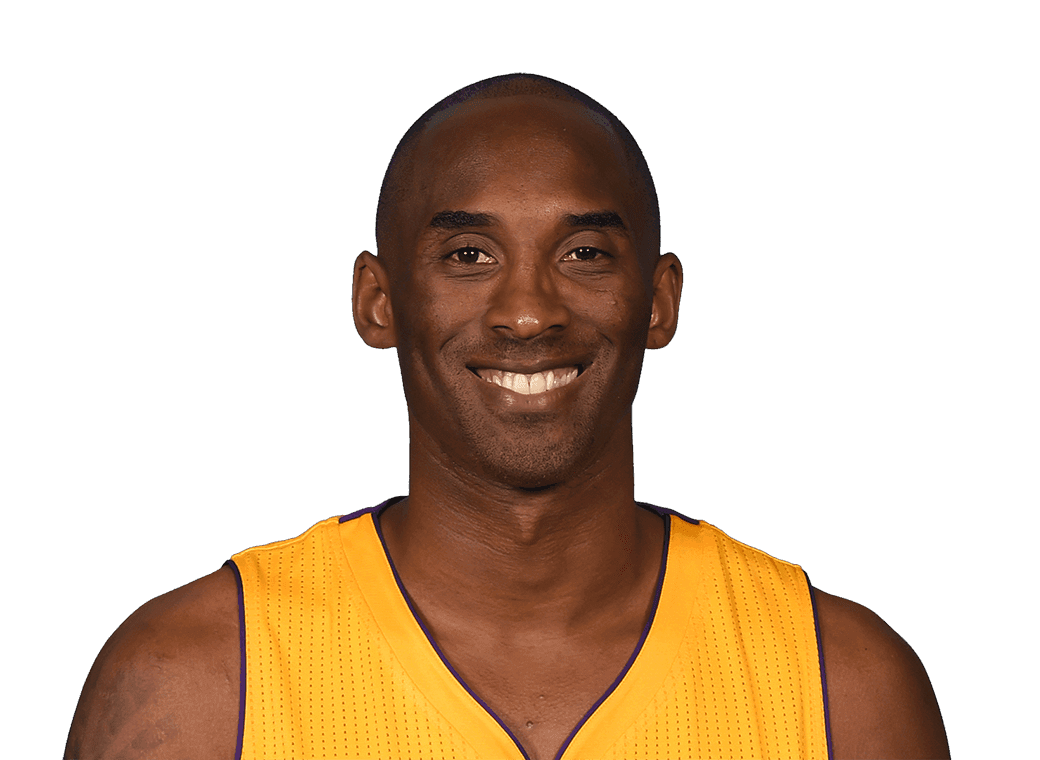
Jason Terry
#31 · Guard
18.0
PPG
2.3
APG
48.0
3P%
Before the 2010-11 season began, Jason Terry had Dirk Nowitzki's silhouette tattooed on his bicep — a personal guarantee that this would be the year. In Game 6, with the championship within reach, Terry scored 27 points off the bench and made three consecutive three-pointers in the third quarter that broke Miami's spirit and turned a close game into a celebration. His 18.0 PPG in the Finals from the bench was the most efficient and impactful reserve performance of any 2011 contender's run. The tattoo proved prophetic.
Scored 27 points off the bench in the championship-clinching Game 6 — including three straight three-pointers in the third quarter
Had Dirk Nowitzki's silhouette tattooed on his bicep before the season as a personal championship guarantee
Averaged 18.0 PPG in the Finals from the bench — the most impactful reserve performance of the series

Jason Kidd
#2 · Guard
8.7
PPG
6.0
APG
4.3
RPG
Jason Kidd arrived in Dallas at 37 years old with one objective: win the championship that had eluded him through 17 professional seasons. What he provided was not statistics — it was the veteran command of a man who had played in two Finals and learned from both losses. His court vision organized Dallas's half-court offense, his defensive positioning protected the paint, and his presence in the locker room gave the roster the championship DNA that young rosters cannot manufacture. When the final buzzer sounded in Game 6, Kidd collapsed in tears on the court, releasing 17 years of accumulated near-misses.
Won his only NBA championship at age 37 after 17 seasons — one of the most emotional veteran title moments in Finals history
Averaged 6.0 assists in the Finals, orchestrating Dallas's offense with championship-level precision
Provided the veteran leadership that transformed a talented Dallas group into a championship-caliber team
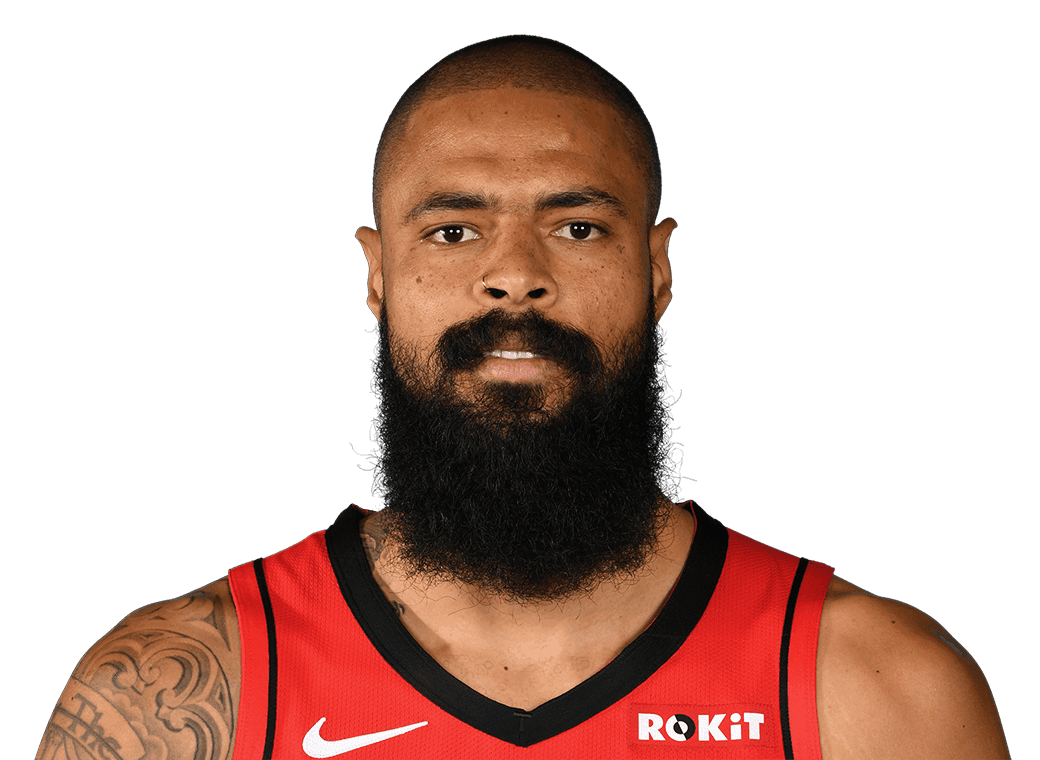
Tyson Chandler
#6 · Center
11.0
PPG
9.3
RPG
65.0
FG%
Tyson Chandler was the defensive cornerstone that made Dallas's championship possible. His assignment in the post — protecting the paint against Chris Bosh and creating second-chance opportunities through relentless offensive rebounding — freed Dirk Nowitzki to operate on the perimeter without interior defensive concerns. Chandler's 65% field goal percentage in the Finals reflected a center who functioned perfectly within the system: catching lobs, rolling hard, finishing everything inside. His vertical presence made the Miami Heat's drive-and-kick offense significantly more difficult in critical moments.
Shot 65% from the field in the Finals while anchoring Dallas's interior defense against Chris Bosh and the Miami front line
Averaged 9.3 rebounds per game — providing crucial second-chance points and defensive positioning throughout the series
His physical presence allowed Dirk to operate on the perimeter without interior defensive concerns
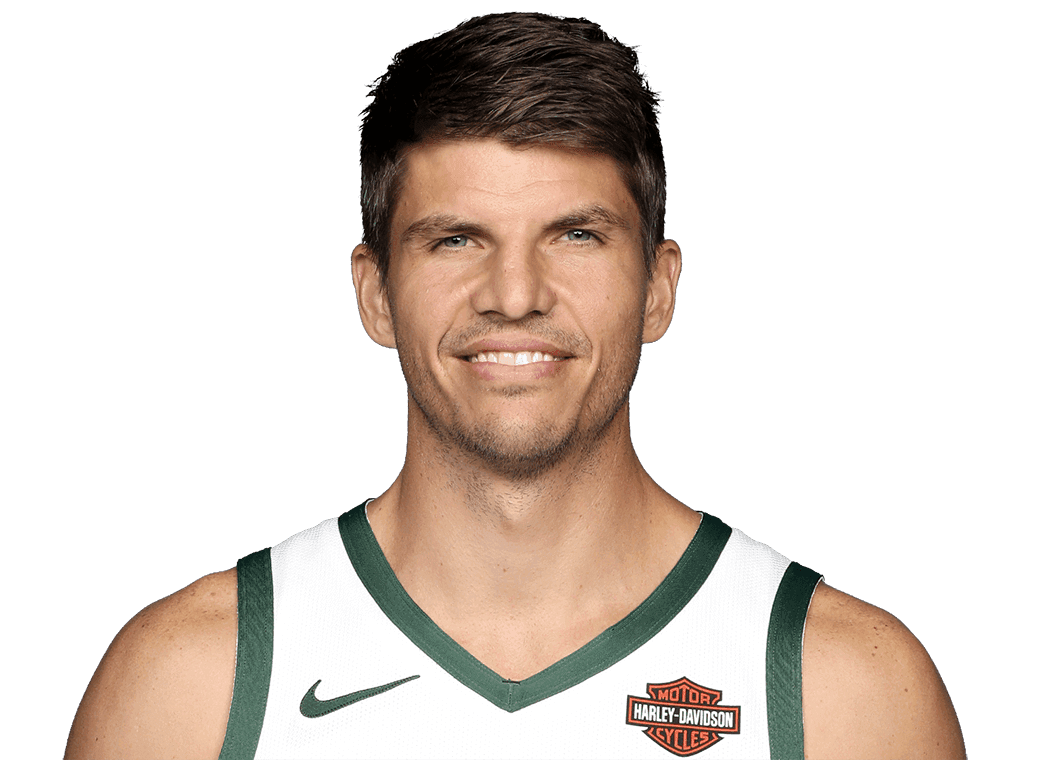
Shawn Marion
#0 · Forward
11.2
PPG
6.0
RPG
58.0
FG%
Shawn Marion drew the most thankless assignment in the 2011 Finals: guarding LeBron James — the most physically imposing and athletically gifted player in basketball. Marion held LeBron to his least efficient Finals series, using his unorthodox defensive footwork and veteran positioning to limit the spaces where James operated most dangerously. It cost Marion in terms of his own offensive output, but his willingness to sacrifice for the team's championship chances embodied the collective selflessness that separated Dallas from Miami's star-centric approach.
Held LeBron James to his least efficient Finals series through relentless defensive commitment across 6 games
Shot 58% from the field while maintaining the most difficult defensive assignment on the roster
Won his first and only NBA championship after 12 seasons — a veteran whose sacrifice defined Dallas's team-first identity
They Pushed Us to the Limit
The 2010-11 Miami Heat were the most anticipated team in NBA history before the season began. LeBron James had announced in a nationally televised special — "The Decision" — that he was leaving Cleveland to join Dwyane Wade and Chris Bosh in Miami. At the press conference introducing the trio, LeBron promised "not one, not two, not three..." championships. The basketball world either celebrated or seethed, depending on their relationship with the superstar. What Dallas proved across six games was that star power alone — even the most concentrated star power in league history — cannot defeat a team that has mastered how to play the right way.
LeBron James
#6 · Forward
17.8
PPG
7.2
RPG
6.8
APG
LeBron's 2011 Finals performance — 17.8 PPG below his season average — became one of the most analyzed and discussed playoff performances in NBA history. His fourth-quarter disappearances in close games, particularly Games 3 and 4, fueled widespread criticism. He rebounded the following two seasons to win championships, but the 2011 Finals remained a permanent part of his legacy.
Dwyane Wade
#3 · Guard
26.5
PPG
7.0
RPG
4.3
APG
Wade was the Heat's best player in the 2011 Finals, averaging 26.5 PPG and doing everything a franchise player could. His performance was championship-caliber — the problem was that Dirk Nowitzki's was historically so.
Chris Bosh
#1 · Forward
15.0
PPG
7.8
RPG
Bosh contributed solid numbers but was exposed defensively by Dirk Nowitzki's one-on-one mastery — the famous Game 3 bank shot came directly over Bosh's contest.
History Written in 2011
Dallas Mavericks
First NBA Championship in franchise history — the 2011 title brought Dallas its only Larry O'Brien Trophy after 31 years as an NBA franchise.
Dirk Nowitzki
First European-born player to win Finals MVP in NBA history — Nowitzki became the definitive international superstar and validated European basketball's place at the summit of the sport.
Dirk Nowitzki
Scored 20+ points in all 6 Finals games — the most statistically consistent individual Finals performance of the 2011 postseason from any player on either team.
Jason Kidd
Won his only NBA championship in his 17th season at age 37 — one of the most emotional veteran title moments in Finals history after reaching the Finals with New Jersey in 2002 and 2003 and losing both times.
Jason Terry
Jason Terry's pre-season Dirk Nowitzki tattoo proved prophetic — his 27-point Game 6 performance provided the offensive explosion that clinched Dallas's championship.
Dallas Mavericks
Swept the Los Angeles Lakers 4-0 in the second round — eliminating the defending champions with authority before dispatching Oklahoma City and Miami to complete the championship run.
Beyond the Box Score
The 2011 NBA Finals was framed as a referendum on how championships are built. LeBron James had made "The Decision" the previous summer — a nationally televised announcement that he was leaving Cleveland to join Dwyane Wade and Chris Bosh in Miami — and had promised a dynasty at the introductory press conference. The basketball world watched the Heat's 2010-11 season as either validation or repudiation of the superteam model. Dallas provided the repudiation. The Mavericks were a team assembled through the draft, development, and strategic free agent additions — not a single moment of star-chasing but 13 years of patient construction around one franchise cornerstone: Dirk Nowitzki.
What made the 2011 Mavericks unique was their combination of superstar excellence and veteran collective intelligence. Jason Kidd at 37, Shawn Marion, Jason Terry, Tyson Chandler — these were players who understood winning basketball at a level that age and experience produce. Rick Carlisle's offense gave everyone defined roles and Dirk the space to operate. The result was a team that, game by game, refused to allow Miami's star power to dictate what happened on the court. Dallas played the game at their pace, within their structure, and made LeBron, Wade, and Bosh adjust to them.
Dirk Nowitzki's place in basketball history changed permanently in the 2011 Finals. He had spent the decade widely acknowledged as one of the sport's transcendent offensive players — his one-legged fadeaway was literally unguardable — but questions lingered about whether he could deliver in the highest moments. The 2011 Finals answered those questions definitively: 26 points per game, 93.9% from the free-throw line, and the most clutch shot of the entire postseason in Game 3. He became the first European-born player to win Finals MVP, the standard-bearer for international basketball's potential, and a champion whose ring had been a long time coming.
The 2011 championship also produced one of the sport's most powerful counter-narratives about team basketball. LeBron James — who had dominated every step of the Eastern Conference playoffs — disappeared in fourth quarters at moments when his team needed him most. His 17.8 PPG average in the Finals, below his season average, and his fourth-quarter struggles became the defining story of that series. It was not a coincidence that the team built on collective effort, defined roles, and a single franchise player's 13-year commitment won. The Mavericks were what basketball was supposed to be. The trophy reflected it.
The Full Story
The basketball world came into the 2011 NBA Finals with a narrative already written. The Miami Heat — LeBron James, Dwyane Wade, Chris Bosh — had promised not one, not two, not three championships. They had dismantled their Eastern Conference path with relative authority. They were, by almost universal consensus, the team of the future. Dallas was the team of the past: a 33-year-old German seven-footer who shot one-legged fadeaways, a 37-year-old point guard who hadn't won anything, a tattooed sixth man who had guaranteed the title on his arm before the season began. What the basketball world failed to account for was simple: the Mavericks were actually the better team.
Game 2 established the series' defining character. Down fifteen points in the fourth quarter, in Miami, with the basketball world preparing to crown the Heat, Dirk Nowitzki simply refused. He orchestrated a 22-5 run that erased the lead, made the free throws that mattered, and walked off the floor with a win that the Heat should never have allowed. In one quarter, Dallas had demonstrated something the entire league needed to see: this team understood how to finish, how to compete under maximum pressure, and how to win games that great teams are supposed to lose.
Game 3 produced the shot. With less than 30 seconds remaining, Dallas trailing by one, Dirk drove the baseline — Chris Bosh closing to contest — and improvised. He swept around Bosh, transferred the ball to his left hand, banked it off the glass while being fouled, and made the free throw. Three points from a shot that had no rational right to go in. The American Airlines Center shook. Miami had no response. The play distilled everything about Nowitzki into twenty seconds: technical mastery, physical creativity, and a competitive nerve that the most hostile environments only made sharper.
Jason Terry made sure Game 6 would be remembered as a moment of collective joy rather than individual excellence. The man who had tattooed Dirk's silhouette on his bicep eight months earlier came off the bench and scored 27 points — three consecutive three-pointers in the third quarter that silenced whatever doubt remained about the outcome. When the buzzer sounded on Dallas 105, Miami 95, Dirk ran off the court and the tears came immediately. Thirteen years, one city, one franchise, one ring. It was basketball at its most honest — built the right way, won the right way, celebrated the right way. Dirk Nowitzki was finally a champion.
Share the Legacy
Send this page to a fellow Dallas Mavericks fan. Let them relive every moment — game by game, play by play.