
2018
Golden State Warriors
Series Flow
4
Wins
0
Losses
Regular Season
58–24
Win–Loss
Playoff Record
16–5
Win–Loss
Finals
4–0
vs Cleveland Cavaliers
Finals MVP
Durant
Kevin
Golden State Warriors
58–24Cleveland Cavaliers
50–32The 2018 Cavaliers reached the Finals for the fourth consecutive year on LeBron James's impossibly broad shoulders — a feat of individual will and organizational dependence that simultaneously celebrated his greatness and exposed the franchise's surrounding weaknesses. LeBron averaged 33.6 PPG across the series, but the Warriors' depth meant every Cleveland deficit required a superhuman response that no single player could sustain.
Finals MVP
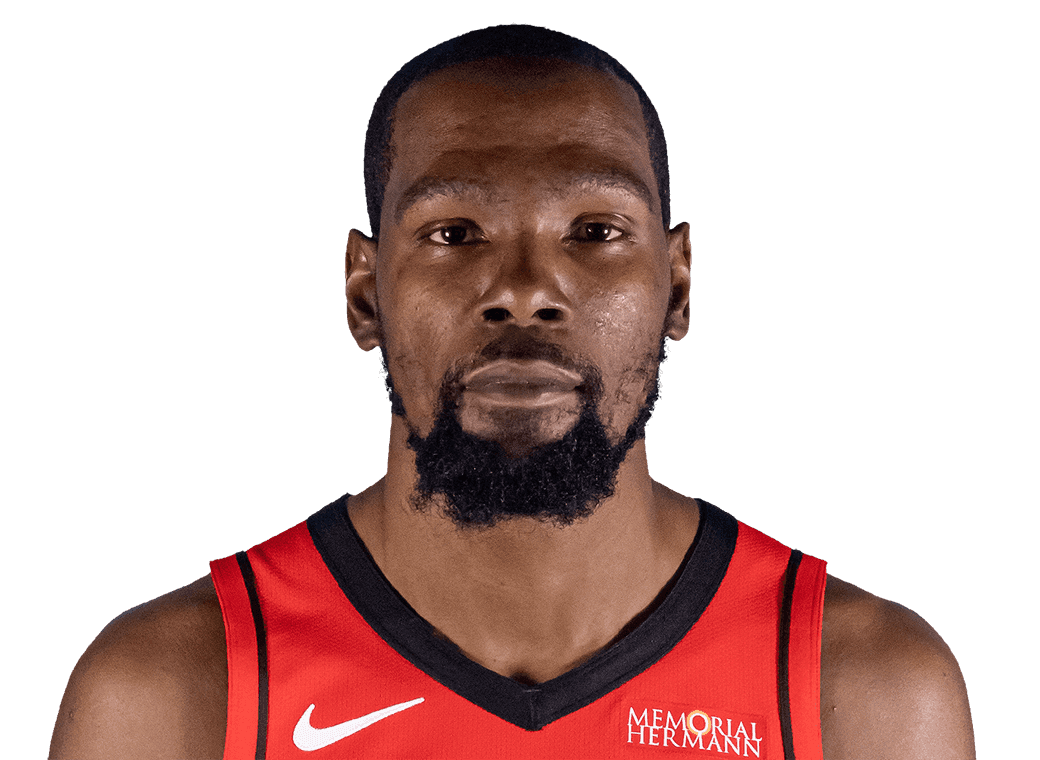
Kevin Durant
#35 · Small Forward
28.8
PPG
10.8
RPG
7.5
APG
2.3
BPG
52.7
FG%
Back-to-back Finals MVP for Durant — this time with a near triple-double average (28.8 PPG, 10.8 RPG, 7.5 APG) that demonstrated his complete two-way dominance. In the sweep of Cleveland, Durant was more of a conductor than a soloist: his passing elevated teammates, his positioning created defensive confusion, and his scoring remained automatic when the Warriors needed it. His game-winning three-pointer in the closing seconds of Game 1 — after J.R. Smith's infamous confusion cost Cleveland regulation — set the tone for a series that was never competitive.
Back-to-back Finals MVP — only the ninth player in NBA history to win consecutive Finals MVP awards
Near triple-double average: 28.8 PPG, 10.8 RPG, 7.5 APG in a four-game sweep
His Game 1 clutch three-pointer in overtime — after J.R. Smith's clock mismanagement — defined the series' psychological arc
Two consecutive Finals MVP awards established Durant's place in the dynasty's permanent record
How the Series Unfolded
G1 · W
1–0
G2 · W
2–0
G3 · W
3–0
G4 · W
4–0
124
GSW
114
CLE
Game 1 will forever be defined by J.R. Smith's decision to not shoot in the final seconds of regulation with Cleveland tied — a play that handed the Warriors an overtime opportunity and shifted the entire series' psychological momentum. Smith grabbed an offensive rebound with nine seconds remaining and the score tied, dribbled away from the basket instead of shooting, and assumed Cleveland had the lead. They did not. In overtime, the Warriors outscored the Cavaliers 9-6, with Kevin Durant's three-pointer over LeBron providing the decisive margin. Cleveland never recovered.
Golden State Warriors
Kevin Durant
26 pts · 13 reb · 10 ast · 3 blkA near triple-double that included the clutch overtime three-pointer over LeBron James — the defining shot of the series, converting a Cleveland error into a Golden State advantage.
Stephen Curry
29 pts · 11 astOrchestrated the Warriors' comeback from a regulation deficit with the combination of scoring and playmaking that gives Cleveland no single defensive answer.
CLE
LeBron James
51 pts · 8 reb · 8 astOne of the greatest individual Finals games in history — 51 points from the sport's best player in a heartbreaking OT loss. His performance deserved a win; J.R. Smith's confusion ensured it did not get one.
122
GSW
103
CLE
The Warriors' back-to-back road wins to open the series were psychologically devastating for Cleveland. Golden State won Game 2 by 19 points in what became a showcase for the Warriors' complete offensive system — Durant and Curry combining for 53 points while Klay Thompson and Green controlled the supporting roles. With a 2-0 series lead heading back to Oakland, the smell of another sweep was in the air.
Golden State Warriors
Kevin Durant
26 pts · 9 reb · 8 astNear triple-double in another dominant road performance — his combination of scoring and facilitating put Golden State in complete control of the series.
Klay Thompson
27 pts · 5 rebExplosive performance from the Warriors' third scoring option — his 27 points provided the gap that even LeBron's individual brilliance could not close.
CLE
LeBron James
29 pts · 9 reb · 9 astNear triple-double for LeBron but Cleveland's supporting cast simply could not match Golden State's depth — a pattern that repeated across every game of the series.
110
GSW
102
CLE
The series returned to Oracle for Games 3 and 4, and the Warriors won Game 3 in workmanlike fashion — not the blowouts of Games 1 and 2, but a controlled, professional eight-point victory that left Cleveland needing three consecutive wins to survive. Durant's versatility was the decisive factor: his 27 points came from post-ups, pull-ups, and cuts that forced Cleveland to choose which threat to contain, and there was no correct answer.
Golden State Warriors
Kevin Durant
43 pts · 8 reb · 5 ast · 4 blkChampionship-caliber performance in the series' most competitive game — his 43 points included every variety of scoring that makes him the most offensively complete player of his generation.
Draymond Green
11 pts · 11 reb · 8 ast · 3 stlNear triple-double as the Warriors' defensive backbone — his positioning and communication held Cleveland's offense to 102 points in their most competitive game of the series.
CLE
LeBron James
33 pts · 10 reb · 11 astA triple-double from the Cavaliers' leader who played his best basketball of the series — but the Warriors' collective talent remained a wall that no individual could climb alone.
108
GSW
85
CLE
The Warriors swept the Cavaliers for the second time in franchise history — completing a championship run that cemented Golden State's place among the great NBA dynasties. Stephen Curry's 37 points led the championship-clinching 108-85 victory, and LeBron James — who had given everything he had over four games to no avail — accepted defeat with grace before making the decision that would redefine his legacy: leaving Cleveland for the Los Angeles Lakers. Oracle Arena shook with the celebration of a back-to-back championship, the franchise's third title in four years. The dynasty was at its peak.
Golden State Warriors
Stephen Curry
37 pts · 6 reb · 7 astChampionship-clinching masterpiece from the face of the Warriors dynasty — 37 points in Game 4 was the punctuation mark on a season that had, occasionally, felt like it was Kevin Durant's team.
Kevin Durant
20 pts · 12 reb · 8 astStepped into the supporting role in the clincher and delivered it perfectly — his near triple-double was the ideal complement to Curry's scoring explosion.
CLE
LeBron James
23 pts · 7 reb · 8 astLeBron's last game as a Cavalier ended in defeat — but his 51-point Game 1 effort and triple-double series statistics remain a monument to individual greatness in a team-sport context.
The Champions
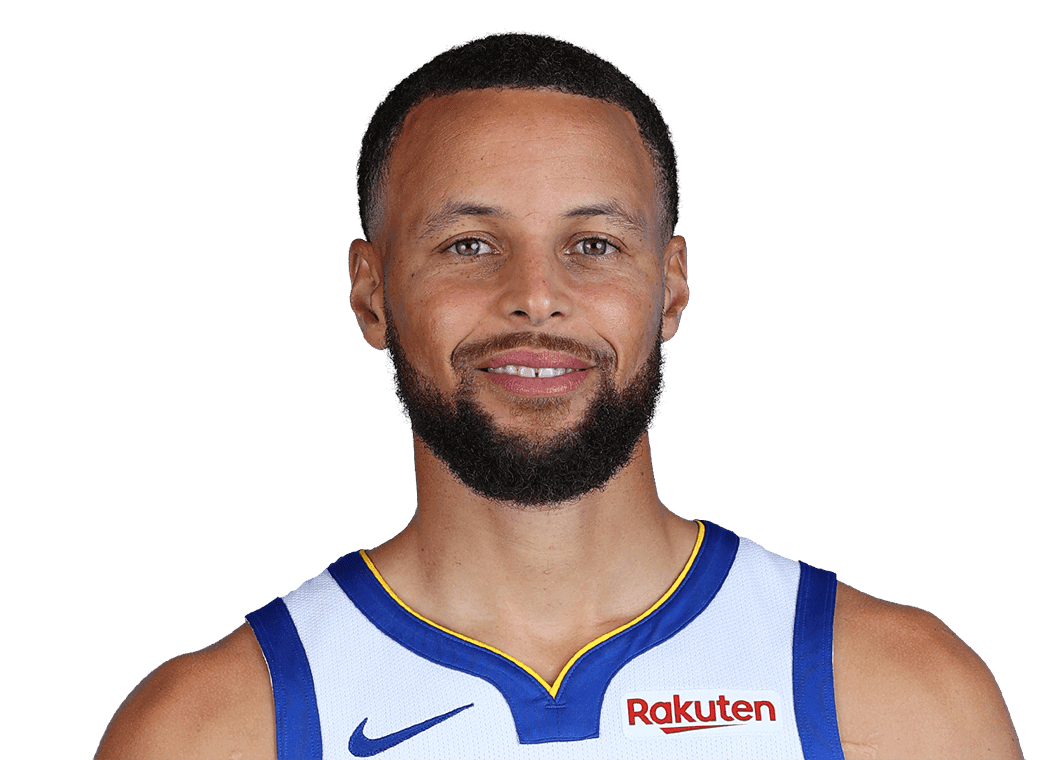
27.5
PPG
6.8
APG
4.3
3PM
47.2
FG%
Curry's 27.5 PPG in the sweep — including 4.3 three-pointers made per game — represented some of the most efficient Finals shooting of his career. His performance in Game 4 (37 points) was the defining individual effort of the series' final game.
37 points in the championship-clinching Game 4 — his finest individual Finals performance to that point
4.3 three-pointers made per game across the sweep — the most efficient Finals shooting of his career
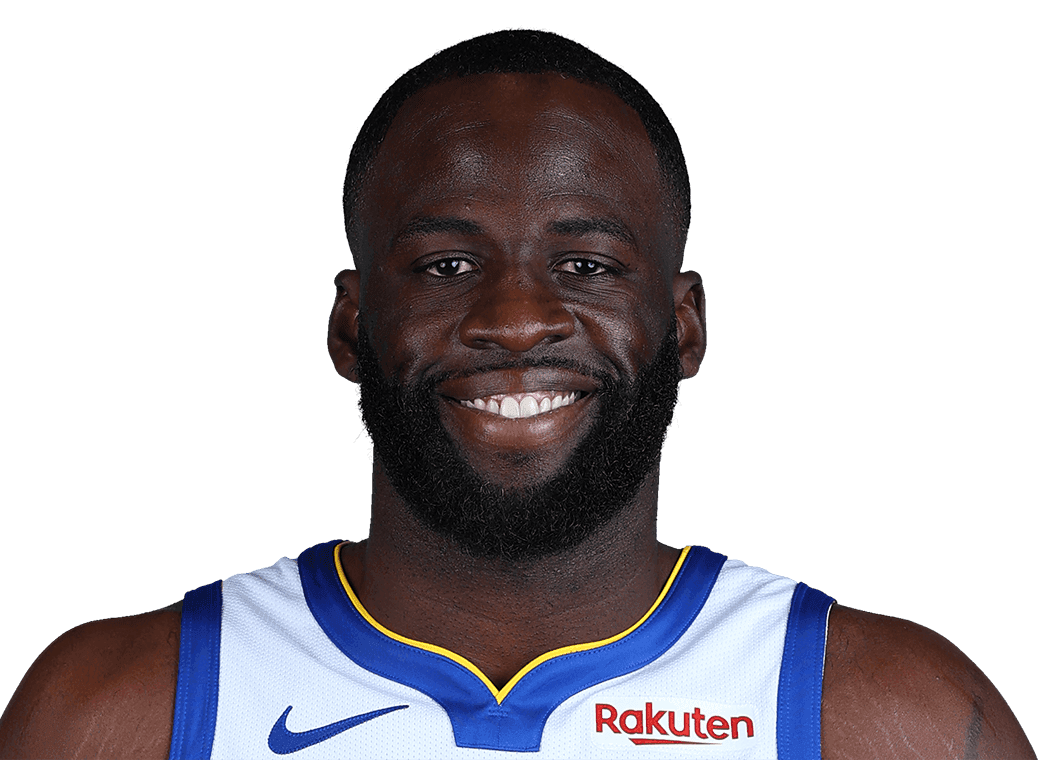
10.8
PPG
9.0
RPG
7.8
APG
2.0
SPG
Green's near-triple-double average for the second consecutive Finals demonstrated his unique value as the most positionally versatile player in championship history. His defensive switching, offensive orchestration, and leadership were the backbone of another dominant run.
Second consecutive Finals near-triple-double — establishing a pattern of complete impact that no other player of his era could match
They Pushed Us to the Limit
The 2018 Cavaliers reached the Finals for the fourth consecutive year on LeBron James's impossibly broad shoulders — a feat of individual will and organizational dependence that simultaneously celebrated his greatness and exposed the franchise's surrounding weaknesses. LeBron averaged 33.6 PPG across the series, but the Warriors' depth meant every Cleveland deficit required a superhuman response that no single player could sustain.
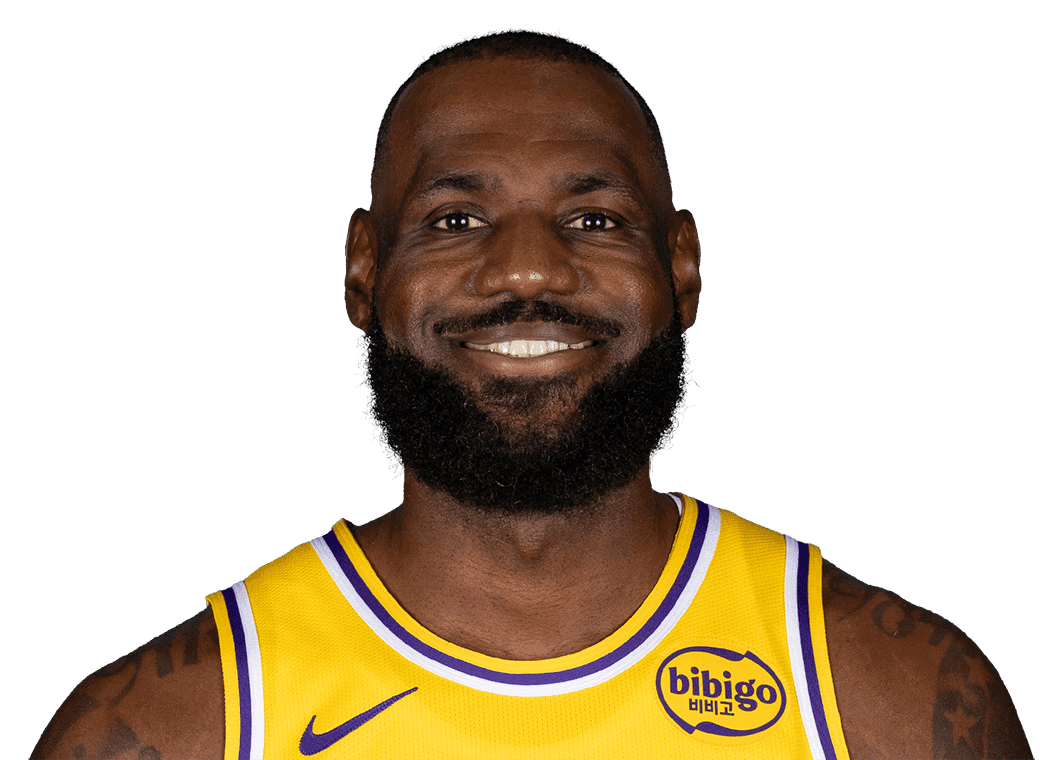
LeBron James
#23 · Small Forward
33.6
PPG
9.9
RPG
10.0
APG
Averaged 33.6 PPG, 9.9 RPG, and 10.0 APG in the sweep — a triple-double average in a four-game sweep that is one of the most astonishing individual statistics in Finals history. J.R. Smith's Game 1 decision may have cost Cleveland their only realistic path to upset.
History Written in 2018
Kevin Durant
Back-to-back Finals MVP — only the ninth player in NBA history to win consecutive Finals MVP awards.
LeBron James
His triple-double average (33.6 PPG, 9.9 RPG, 10.0 APG) in a sweep is the most extraordinary individual sweep performance in Finals history.
Golden State Warriors
Back-to-back championships — the third title in four years — cementing the Warriors' place among the great NBA dynasties.
J.R. Smith
His failure to shoot in the final seconds of regulation in Game 1 — assuming Cleveland had the lead when the score was tied — is one of the most consequential individual mistakes in Finals history.
Stephen Curry
37 points in the championship-clinching Game 4 — his finest individual Finals performance and a reminder that the dynasty belonged to him as much as Durant.
Beyond the Box Score
LeBron James's decision to leave Cleveland after the 2018 Finals — joining the Los Angeles Lakers as a free agent — ended the chapter of Cavaliers basketball that had defined the Eastern Conference for four years. His triple-double average in the sweep is a monument to individual excellence in a team-sport context that has no precedent in Finals history.
J.R. Smith's dribble-out in Game 1 has become one of the defining moments of the Warriors' dynasty — not because it was Golden State's doing, but because it encapsulated the psychological advantage that the Warriors' excellence created in opponents. Teams playing the Warriors often made mistakes under pressure that they would not make against lesser opponents.
The Warriors' three championships in four years (2015, 2017, 2018) placed them in the company of basketball's great dynasties. The Showtime Lakers won five in nine years; the Jordan Bulls won six in eight years; the Warriors' four-year window of dominance — including the 2016 Finals loss when they led 3-1 before collapsing — is one of the most debated chapters in modern basketball history.
The Full Story
J.R. Smith grabbed the rebound. He dribbled away from the basket. He assumed the score was something it was not. And in that moment of confusion, the 2018 NBA Finals effectively ended — not because of anything the Warriors did, but because the pressure of playing Golden State had created an error that could not be recovered from.
Kevin Durant made the overtime three-pointer over LeBron James that decided Game 1, and from that point forward, the series was never in doubt. Durant's back-to-back Finals MVP performance — 28.8 points, 10.8 rebounds, and 7.5 assists per game — was a demonstration of complete basketball excellence that put him in the conversation for the greatest offensive player of his generation.
The Warriors swept the Cavaliers for the second time in four years, but this sweep felt different. LeBron James's triple-double series average — the greatest individual performance in a sweep in Finals history — was evidence not of Cleveland's strength but of LeBron's impossible individual excellence on a team with insufficient supporting talent.
Stephen Curry's 37 points in the championship-clinching Game 4 was a reminder that this dynasty had a face, and it wore #30. Even in the Durant era, even as the Finals MVP trophy went to his teammate for the second straight year, Curry was the gravitational center of the most dominant team the sport had seen since the Jordan Bulls. Three titles in four years. Oracle Arena shook with a celebration that everyone in the building knew might be the dynasty's final peak.
Share the Legacy
Send this page to a fellow Golden State Warriors fan. Let them relive every moment — game by game, play by play.