
2013
Miami Heat
Series Flow
4
Wins
3
Losses
Regular Season
66–16
Win–Loss
Playoff Record
16–7
Win–Loss
Finals
4–3
vs San Antonio Spurs
Finals MVP
James
LeBron
Miami Heat
66–16San Antonio Spurs
58–24 (Regular Season)The 2012-13 San Antonio Spurs were, by any reasonable evaluation, the better basketball team for five of the seven games. Their ball movement, their collective intelligence, and Tony Parker's masterful series gave them multiple opportunities to close it out. They led Game 6 with 9.4 seconds remaining, one of their greatest championship opportunities concluded. What Ray Allen, Chris Bosh, and LeBron James produced in those final seconds was not the product of San Antonio's failure — it was the product of a championship team refusing to accept elimination. The Spurs would return to the Finals the following year and dismantle Miami in five games, making the point about their excellence that this series left unresolved.
Finals MVP
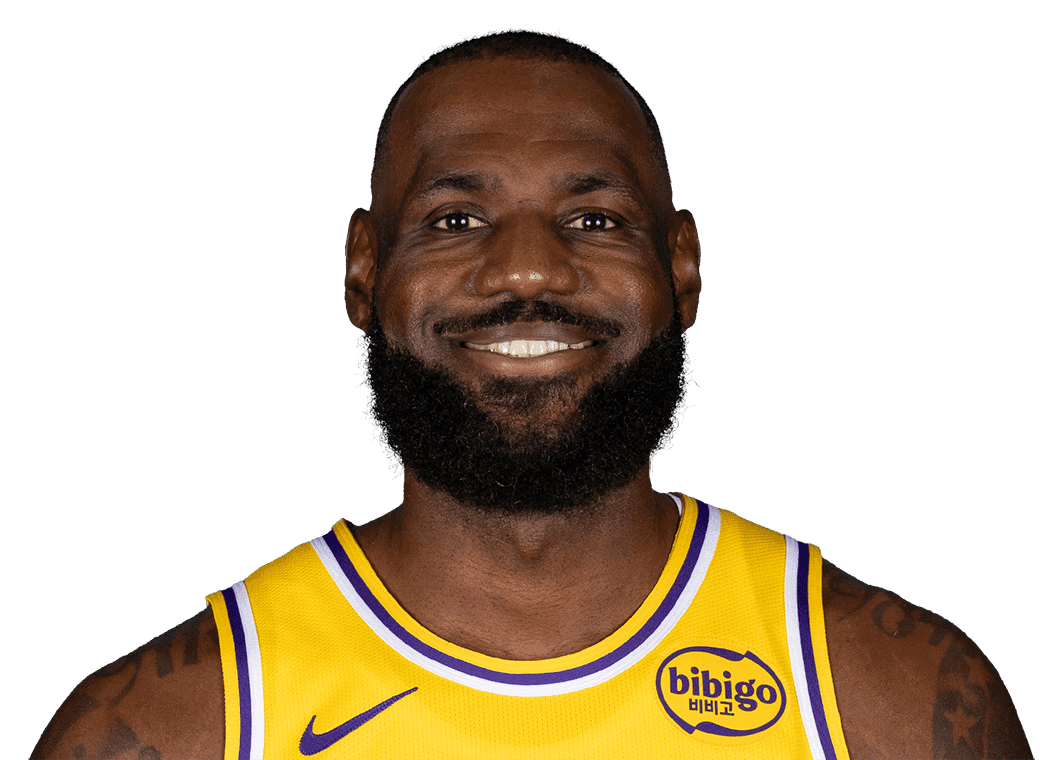
LeBron James
#6 · Forward
25.3
PPG
10.9
RPG
7.0
APG
1.9
STL
56.1
FG%
LeBron James's 2013 Finals MVP award was earned in the most dramatic championship series of his career — seven games against the most intelligent team in basketball, requiring a comeback from 3–2 down that hinged on one of the greatest clutch plays in Finals history. His 37 points in Game 7, delivered with the weight of a 3–2 series deficit and the memory of 2011 pressing on every possession, was the defining performance of his Miami years and one of the great championship performances in the modern era. The 2013 championship is forever inseparable from Ray Allen's Game 6 corner three — but LeBron's performance in Game 7 is the reason the sequence had meaning: he delivered the championship when it was required, in the most pressure-filled context his career had produced.
Scored 37 points in Game 7 — the highest-scoring game 7 performance in his career to that point, delivered when Miami was 48 minutes from losing the series
Averaged 25.3 PPG, 10.9 RPG, and 7.0 APG — becoming only the fourth player in NBA history to average a near-triple-double across a full Finals series
Won back-to-back Finals MVP awards — joining Michael Jordan, Shaquille O'Neal, and Hakeem Olajuwon as the only players to do so in the modern era
His performance in Games 6 and 7 — after Miami was down 3–2 with a season on the line — is the definitive evidence of his championship character
How the Series Unfolded
G1 · L
0–1
G2 · W
1–1
G3 · L
1–2
G4 · W
2–2
G5 · L
2–3
G6 · W
3–3
G7 · W
4–3
88
MIA
92
SAS
San Antonio opened the series in Miami with a performance that reminded the basketball world why they had been the standard of excellence in the Western Conference for fifteen years. Tony Parker's 21 points — delivered with the elegant efficiency of a player who has been running this specific action against every available defense for a decade — orchestrated the Spurs' half-court offense with the precision that their system had developed across five championships. Kawhi Leonard's defensive assignment on LeBron James was visible from the first possession: physical, hand-checking, and built around contesting every driving lane. LeBron's 18 points were the product of a defensive approach designed specifically for him. San Antonio left Miami with a road win and the momentum of a team that had been in this position before.
Miami Heat
LeBron James
18 pts · 8 reb · 10 astLeBron's 10 assists in a losing effort reflected the distribution game Miami needed to create — but San Antonio's collective defense made the efficient scoring far more difficult than in any other series of the postseason.
SAS
Tony Parker
21 pts · 7 ast · 9-13 FGParker's penetration and floater combination gave San Antonio's offense the decisive advantage — his ability to score from the midrange over any defensive coverage is the tactical signature of Gregg Popovich's championship system.
Kawhi Leonard
14 pts · 6 reb · LeBron coverageLeonard's defensive assignment on LeBron James gave Miami's offense its first look at what the series would demand — physical, long, and built around contesting every angle LeBron prefers.
103
MIA
84
SAS
Miami answered Game 1's loss with the most dominant single game of the series — a 19-point blowout in which LeBron's triple-double (17 points, 12 assists, 9 rebounds) orchestrated an offense that touched San Antonio's defense at every pressure point simultaneously. Wade's secondary scoring and Ray Allen's three-point shooting gave Miami the width of attack that the Spurs could not cover with two defensive coverages — every time San Antonio collapsed on LeBron's drives, the ball found the open corner shooter. The Heat's defense held San Antonio to 84 points — the Spurs' second-lowest output of the playoffs. The series was tied.
Miami Heat
LeBron James
17 pts · 12 ast · 9 reb (triple-double)The triple-double that orchestrated the most complete team performance of the series — LeBron as distributor, scorer, and defensive anchor simultaneously, rendering San Antonio's game plan inadequate.
Dwyane Wade
19 pts · 5 reb · 4 astWade's attacking game alongside LeBron's distribution created the dual-threat that San Antonio's scheme had specifically been built to prevent — both threats were active and productive simultaneously.
SAS
Tim Duncan
13 pts · 11 rebDuncan's double-double was the one consistent Spurs positive in a game where San Antonio's collective execution was substantially below their series standard.
77
MIA
113
SAS
San Antonio delivered one of the most thorough beatings administered to a Miami Heat team in the Finals era — a 36-point destruction that exposed every defensive weakness Miami had shown in the first two games at levels that the Heat's home crowd had obscured. The Spurs' ball movement — 30 assists on 45 made field goals — was the most perfectly executed version of Gregg Popovich's system: quick passes, constant motion, and shot selection that reduced Miami's contest opportunities to approximate guesses. Manu Ginobili, off the bench, had one of his finest games of the series. Danny Green hit multiple threes. The margin at halftime was already 27 points. Miami flew back to their hotel down 1–2, having been outclassed by an opponent operating at a level their offense couldn't match that night.
Miami Heat
LeBron James
15 pts · 11 reb · poor FG%LeBron's 15 points on difficult shooting — reflecting San Antonio's collective defensive execution at its best — was the lowest-efficiency game of his 2013 Finals performance.
SAS
Tony Parker
23 pts · 8 ast · floater masteryParker's ability to score over Miami's switching defense from every midrange position gave San Antonio an offensive release valve that Erik Spoelstra had no clean answer for.
Danny Green
18 pts · 3-5 from threeGreen's perimeter shooting alongside San Antonio's interior creation gave the Spurs the width of attack that Miami's defense could not simultaneously cover.
109
MIA
93
SAS
In San Antonio, with the series tied 2–2 or 1–2, Miami needed to win in a building they had been demolished in two days earlier. LeBron's response was the most dominant single-player performance of the series — 33 points, 11 rebounds, with the physical assertiveness of a player who had decided that the previous game was not going to define him. Wade added 32 points, and the combined force of Miami's two best players overwhelmed San Antonio's collective defense in a way the Spurs had not experienced across the series. Miami won by 16 in San Antonio. The series was tied 2–2. LeBron James and Dwyane Wade had combined for 65 points in the most important game of their championship partnership.
Miami Heat
LeBron James
33 pts · 11 reb · 4 astThe answer to Game 3's passive performance — 33 points in the building where San Antonio had demolished Miami two days earlier, with the physical dominance of a player who had processed the criticism and converted it into output.
Dwyane Wade
32 pts · 8 reb · 3 astWade's 32-point eruption alongside LeBron's 33 gave Miami a combined 65 points from two players — the kind of dual-star performance that no defensive scheme can reliably contain.
SAS
Tim Duncan
21 pts · 13 reb · 2 blkDuncan's double-double was exceptional by any standard — San Antonio's franchise anchor gave them everything he had on both ends. It simply was not enough against what Miami's two superstars were prepared to deliver.
104
MIA
114
SAS
San Antonio came back to Miami and won on the Heat's own floor — retaking the series lead 3–2 and putting Miami in the identical position they had been in before Ray Allen's shot. Tony Parker's 26 points were the engine: his floater and pull-up combination gave San Antonio the scoring consistency that Miami's defensive scheme could not fully solve. Miami's offense was efficient in portions — LeBron had 25 points — but San Antonio's experience and ball movement gave them the margin they needed in the fourth quarter. The Heat were now facing elimination. One loss and their back-to-back championship run was over. The basketball world began its premature eulogizing.
Miami Heat
LeBron James
25 pts · 8 reb · 7 astLeBron competed with a complete performance and Miami still lost — which established the specific challenge of the next 48 hours: come back from a 3–2 deficit against the most disciplined team in basketball.
SAS
Tony Parker
26 pts · 7 ast · 10-14 FGParker's defining performance of the series — 26 points on 71% shooting, including the floaters and pull-ups that Miami's defense had been unable to reliably contest across seven games of preparation.
Kawhi Leonard
23 pts · 7 reb · LeBron coverLeonard's 23 points — his highest-scoring game of the series — alongside his defensive assignment on LeBron gave San Antonio the two-way performance from their young star that veterans Parker, Duncan, and Ginobili had been building toward for his entire career.
103
MIA
100
SAS
The most famous game in Miami Heat history. With 9.4 seconds remaining and San Antonio leading by 3, the NBA Finals were effectively over. The San Antonio bench was celebrating. The Spurs' social media team had begun drafting championship content. Confetti was staged at the arena ceiling. LeBron James attempted a three-pointer from the left wing. It missed. The ball caromed off the rim and Chris Bosh — following his rebounding responsibility — tipped it toward the right corner. Ray Allen, who had drifted there out of instinct refined by thousands of hours of shooting practice, caught the ball with his toes on the arc, set his feet while stepping backward over the baseline, and released the shot over the hand of a Spurs defender. The ball went through the net. The score was tied. Overtime. The building exploded. LeBron's 32 points in regulation and 6 more in overtime won the game. Miami won 103–100. The series was tied 3–3. The championship was alive.
Miami Heat
Ray Allen
33 pts · 3 ast · THE corner three at :05.2The corner three that saved the series — caught with toes on the arc while stepping backward over the baseline, released over a defender's hand with 5.2 seconds remaining from down 3. The greatest individual clutch play in Miami Heat Finals history.
LeBron James
32 pts · 10 reb · 11 ast (OT included)LeBron's near triple-double in regulation and overtime gave Miami the volume of offense that kept the game within reach until the Allen shot — and his 6 overtime points sealed a win that the final score still feels inadequate to capture.
Chris Bosh
19 pts · 8 reb · THE rebound tip at :09.4Bosh's offensive rebound tip of LeBron's missed three — directing the ball toward Allen in the corner — is the most impactful individual play in the series that has never appeared in a statistics column. Without the tip, there is no Allen shot.
95
MIA
88
SAS
Two nights after the most dramatic rescue in Finals history, Miami finished it. LeBron James scored 37 points in Game 7 — the highest-scoring performance of the series, delivered with the weight of everything that had come before pressing on every possession. San Antonio competed: the Spurs were the Spurs, disciplined and coherent even in the deepest pressure of a deciding game on the road against the defending champions. But the combination of LeBron's 37 points, Wade's 23, and the collective defensive focus that Miami had developed across seven games proved to be the difference. The final score was 95–88. Back-to-back championships. LeBron James, back-to-back Finals MVP. And a Game 6 that the basketball world will never stop talking about.
Miami Heat
LeBron James
37 pts · 12 reb · 4 astThe championship-winning performance — 37 points in Game 7, after the team had been down 3–2, delivered in the building where two nights earlier the series had nearly ended. The definition of what a player does in the largest moment of the largest stage.
Dwyane Wade
23 pts · 10 reb · 3 astWade's 23 points and 10 rebounds in the championship game reflected a player who gave everything his body had left in a series that had demanded more from him than any since 2006.
SAS
Tony Parker
19 pts · 7 astParker competed in defeat with the composure that defines San Antonio's institutional character — 19 points and 7 assists in a Game 7 loss, ending a series in which he was the best individual performer on the losing team.
The Champions
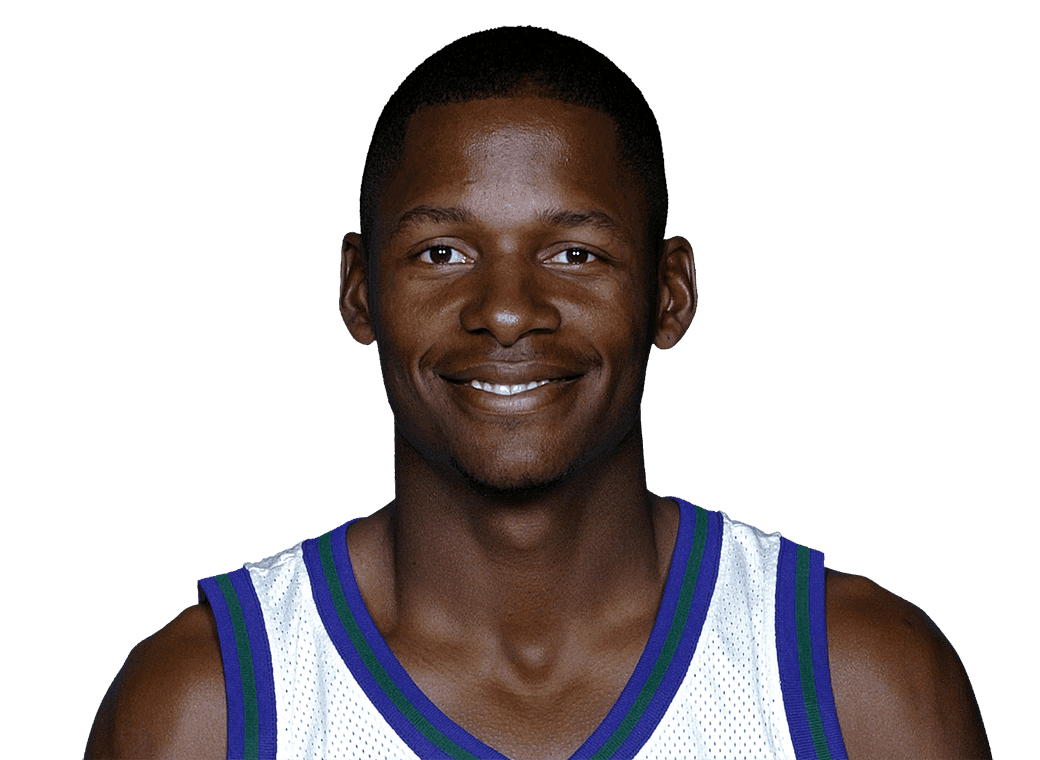
Ray Allen
#34 · Guard
9.5
PPG
2.3
3PM
45.5
3P%
Game 6, :05.2
THE SHOT
Ray Allen's three-pointer with 5.2 seconds remaining in Game 6 is the single most important individual play in Miami Heat championship history and one of the most iconic moments in NBA Finals history. San Antonio led by 3 with 9.4 seconds remaining. LeBron's three-point attempt had been collected by Chris Bosh, who tipped it toward the corner where Allen, having remembered his positioning instincts from thousands of hours of practice, retreated perfectly to the arc and buried the tying shot over the outstretched hand of a Spurs defender. Allen left Boston to join Miami specifically to chase a championship. The decision was questioned at the time. Game 6 made it the most justified decision of his career.
His Game 6 corner three with 5.2 seconds remaining — from down 3, tying the series — is the most famous clutch shot in modern Finals history
His career decision to leave Boston and join Miami was publicly questioned; the 2013 championship vindicated it as completely as any career decision can be validated
Averaged 45.5% from three across the series — the shooting that made Miami's spacing legitimate and forced San Antonio's defense to account for him on every possession
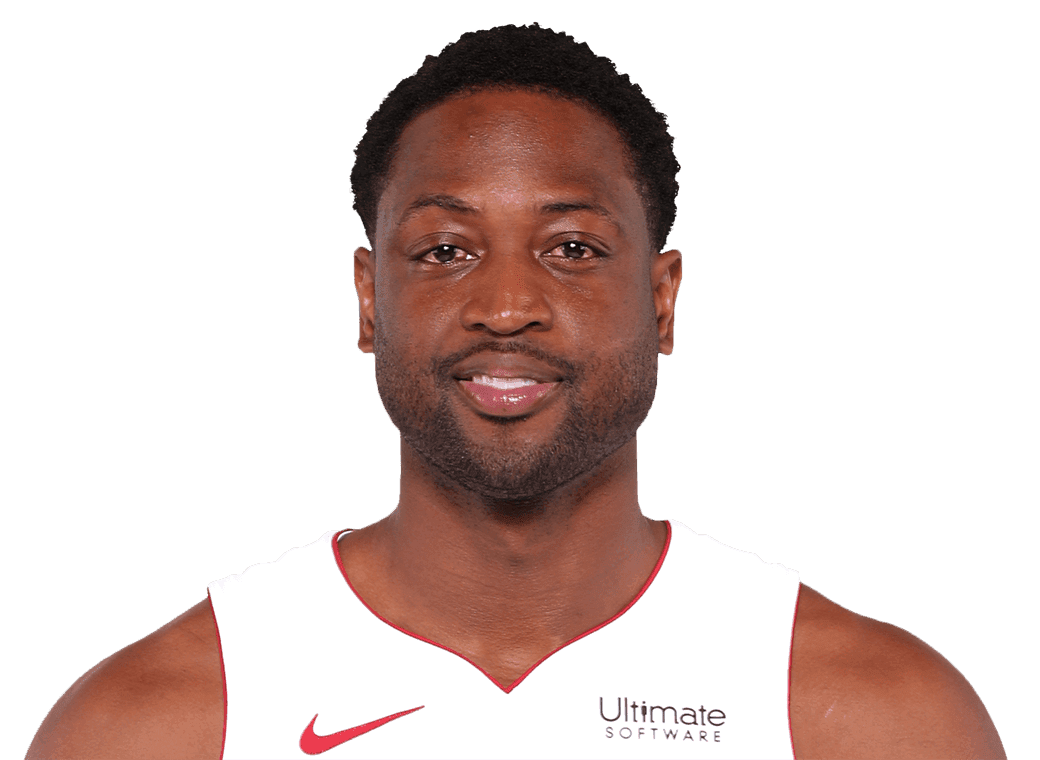
Dwyane Wade
#3 · Guard
17.8
PPG
4.1
RPG
4.3
APG
1.6
STL
Dwyane Wade's 2013 Finals represented his adjusted role in a system that had matured around LeBron's dominance — a series where Wade's 17.8 PPG came with the understanding that his value was as much about defensive pressure, transition scoring, and the threat that prevented San Antonio from collapsing entirely on LeBron as it was about his individual statistical output. His 32-point Game 6 performance — alongside LeBron and Ray Allen's shot — was the largest individual contribution to the most important Heat win of the series.
His 32-point Game 6 performance was the second-highest scoring contribution behind LeBron's 32 in a game defined by the collective excellence of Miami's big three
Won his third NBA championship — completing a career arc that began with his own Finals MVP in 2006 and evolved through three distinct championship-level team configurations
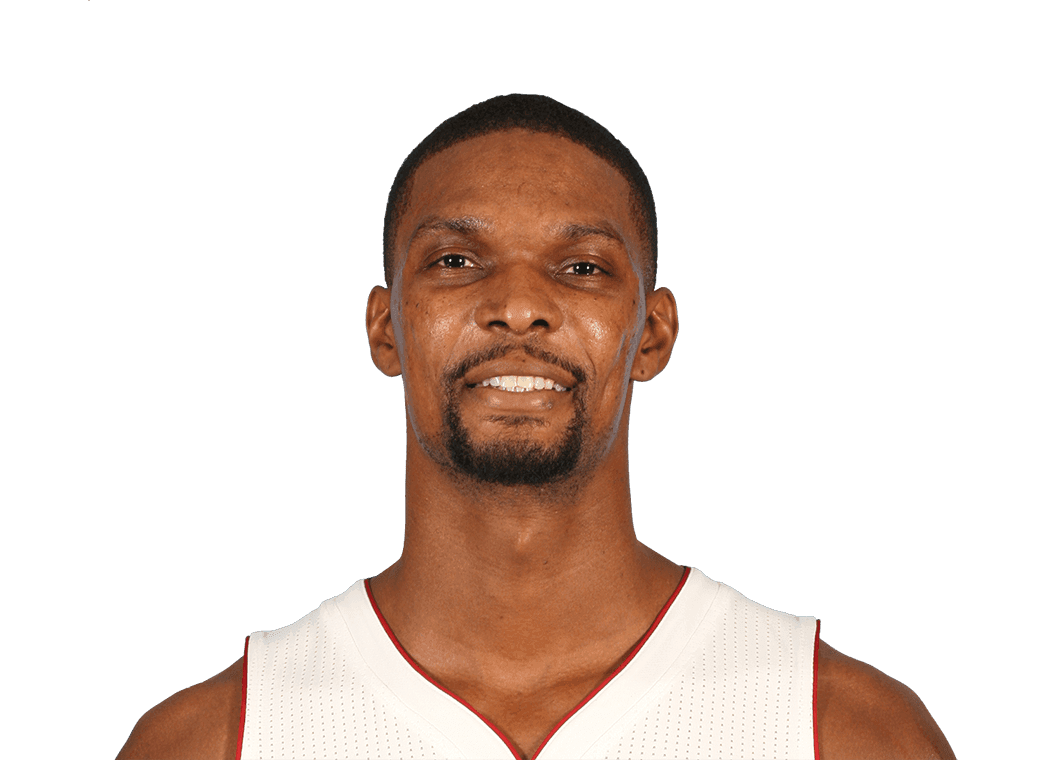
Chris Bosh
#1 · Forward
14.2
PPG
9.7
RPG
1.1
BLK
Game 6, :09.4
THE TIP
Chris Bosh's tip of LeBron's missed three-pointer toward the corner — where Ray Allen retreated to make the shot that saved the series — is the most consequential individual play of his career that does not appear in any scoring column. The tip was instinct: Bosh had positioned himself for the offensive rebound in accordance with Miami's rebounding principles, and his reaction to the ball's trajectory was the physical act that made the championship sequence possible. Without the tip, there is no Allen shot. Without the Allen shot, there is no Game 7. The 2013 championship is inseparable from Bosh's basketball intelligence.
His rebound tip of LeBron's missed three in Game 6 created the possession that led to Ray Allen's series-tying shot — the most impactful individual play of the series that appears in no statistical record
Won his second consecutive NBA championship — validating his sacrifice of individual statistics for collective excellence across four consecutive Finals appearances
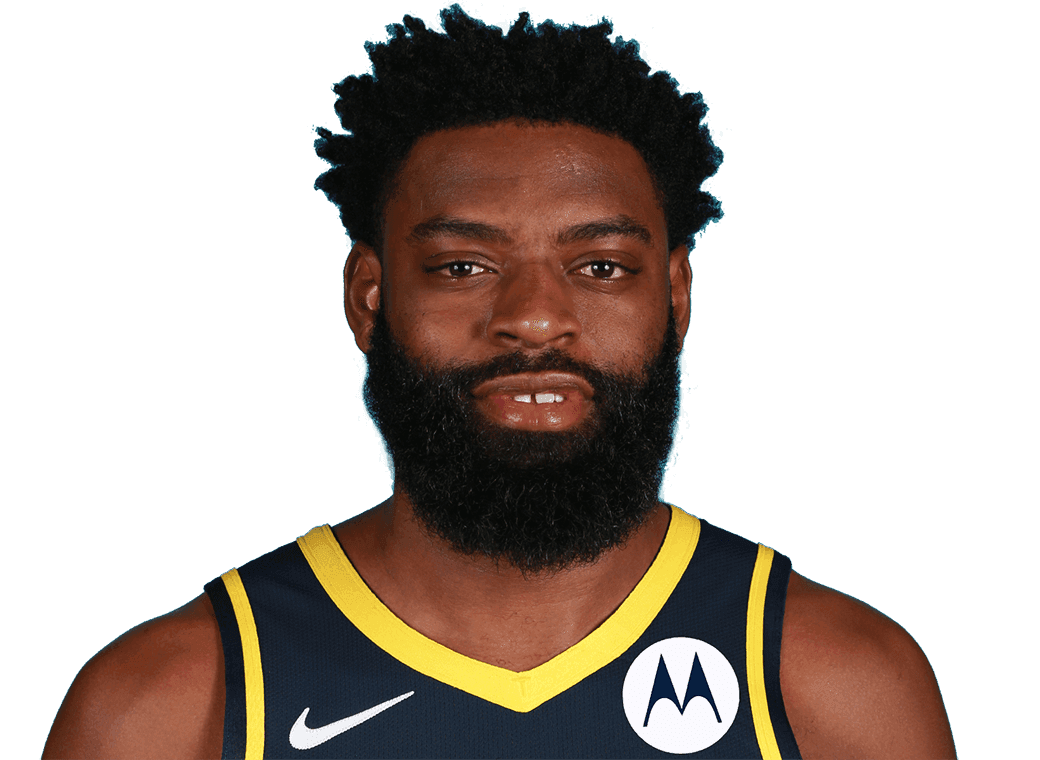
Mario Chalmers
#15 · Guard
10.5
PPG
5.0
APG
42.3
3P%
1.6
STL
Chalmers' role in the 2013 championship was as a pressure-reliever and floor-spacer who allowed LeBron to focus his offensive creation on the primary reads rather than managing the point guard's scoring burden. His 10.5 PPG and 5.0 APG in the Finals gave Miami secondary creation that the Spurs had to respect, and his defensive attention on Tony Parker across the series — while not dominant — limited Parker's ability to freelance in the half-court the way San Antonio's system enabled.
His 42.3% three-point shooting in the Finals maintained the floor spacing that San Antonio's switching defense had to respect on every LeBron drive
Played the most minutes of any Miami guard in the series — a trust indicator from Erik Spoelstra that reflected Chalmers's consistent execution in pressure situations
They Pushed Us to the Limit
The 2012-13 San Antonio Spurs were, by any reasonable evaluation, the better basketball team for five of the seven games. Their ball movement, their collective intelligence, and Tony Parker's masterful series gave them multiple opportunities to close it out. They led Game 6 with 9.4 seconds remaining, one of their greatest championship opportunities concluded. What Ray Allen, Chris Bosh, and LeBron James produced in those final seconds was not the product of San Antonio's failure — it was the product of a championship team refusing to accept elimination. The Spurs would return to the Finals the following year and dismantle Miami in five games, making the point about their excellence that this series left unresolved.
Tony Parker
#9 · Guard
21.0
PPG
7.1
APG
61.3
FG%
Parker's 21.0 PPG on 61.3% shooting was the best individual performance by any player on either team across the full series — a masterclass in the floater, the pull-up, and the pick-and-roll craft that had defined his career. Miami had no clean answer for him.
Tim Duncan
#21 · Center
17.8
PPG
12.9
RPG
1.7
BLK
Duncan at 37 was still the best center in the series — 17.8 PPG and 12.9 RPG reflecting a player whose understanding of angles, positioning, and game management had never been equaled.
Kawhi Leonard
#2 · Forward
14.6
PPG
5.7
RPG
Primary cover
LeBron
Leonard's defensive assignment on LeBron — combined with his 14.6 PPG on the other end — was the emerging star performance of the series. His championship the following year and back-to-back Finals MVPs in 2014 and 2019 established the career this series previewed.
Manu Ginobili
#20 · Guard
12.8
PPG
4.2
APG
1.4
STL
Ginobili's unpredictable creation off the bench gave San Antonio the scoring wildcard that Miami's defensive rotations had to account for without ever being certain where he would go.
History Written in 2013
Ray Allen
His corner three with 5.2 seconds remaining in Game 6 — from down 3, tying a series Miami was moments from losing — is the most famous clutch shot in NBA Finals history.
LeBron James
Became only the second player in NBA history to win back-to-back Finals MVP awards with two 25+ PPG, 10+ RPG, 7+ APG Finals performances.
Miami Heat
The 2013 championship is one of only three times in NBA Finals history that a team overcame a 3–2 series deficit to win the championship — and the manner of Game 6's conclusion made it the most dramatic of the three.
Chris Bosh
His rebound tip in Game 6 — directing LeBron's missed three toward Ray Allen in the corner — is the most consequential individual play in the series that no statistics column records.
Miami Heat
The 2012-13 Miami Heat became the first team since the 2009-10 and 2010-11 Los Angeles Lakers to reach back-to-back NBA Finals, and only the second franchise to win back-to-back championships in the LeBron era.
LeBron James
His 37 points in Game 7 were the highest single-game scoring total of the 2013 Finals — delivered in the most consequential game of the series with the entire championship at stake.
Beyond the Box Score
The 2012-13 Miami Heat were the best regular-season team in the Eastern Conference — 66 wins at 66-16, a record built on the combination of LeBron James's mature dominance, Dwyane Wade's continued excellence, and a supporting cast that now included Ray Allen, signed from Boston in the off-season specifically for his shooting and championship experience. The season had also included a 27-game winning streak from February to March — the second-longest in NBA history — that provided the entire league with evidence of how good this team could be when everything functioned. The question entering the Finals was whether San Antonio's experience and tactical sophistication could match what Miami's talent had built.
The answer across seven games was: almost. San Antonio won Games 1, 3, and 5 through basketball that was technically superior to anything the Heat produced in those games. Their ball movement — leading the NBA in assists during the regular season — was at its apex in this series, and Tony Parker's individual creation gave them a scoring engine that Miami had no reliable defensive answer for. The Spurs were, by multiple metrics, the better team in the series. They led at the end of regulation in Game 6 with 9.4 seconds remaining and the championship essentially awarded.
What happened between 9.4 seconds and the final buzzer of Game 7 belongs to the part of sports where preparation and character intersect at precisely the right moment. Ray Allen's positioning — instinctive, trained, and produced by the specific practice habits he had maintained across his entire career — put him in the corner where the ball arrived. Chris Bosh's rebound instinct put the ball in motion toward that corner. LeBron's 37-point Game 7 performance completed what the shot had made possible. The combination produced one of the most complete championship stories in NBA history: a team that had won the year before, nearly lost the chance to defend it, and found the collective character to complete the defense under the most extreme pressure.
The Spurs would return to the Finals in 2014 and win — defeating Miami in five games in what Gregg Popovich described as the most beautiful basketball his team had ever played. The resolution to the 2013 series came with the completeness that great championship rivalries eventually produce. But the 2013 championship — and specifically the Game 6 sequence that made it possible — is the one that the basketball world has never stopped discussing. The corner is reserved. The clock says 5.2 seconds. The shot goes through.
The Full Story
There are 9.4 seconds that belong permanently to basketball. San Antonio Spurs, 2013 NBA Finals, Game 6, leading by 3 with the championship in the building. Miami Heat attempting a three-pointer to tie. The shot missing. The ball hitting the rim. Chris Bosh, following his rebounding assignment, tipping it toward the corner. Ray Allen, who had drifted there out of an instinct built from thousands of hours of shooting practice, catching the ball while stepping backward over the baseline, setting his feet on the arc, and releasing it over the outstretched hand of a Spurs defender. The ball going through.
The sequence that made Game 6 possible — and therefore Game 7, and therefore the championship — had been constructed across an entire career. Ray Allen had left Boston and joined Miami specifically to chase what the Celtics had given him only once: a championship. He had accepted a pay cut, absorbed criticism from former teammates who felt the departure was disloyal, and spent two seasons preparing for exactly this kind of moment. The preparation and the moment converged on a corner at AmericanAirlines Arena with 5.2 seconds remaining and the season apparently over.
Game 7 was LeBron James at his most complete. Thirty-seven points, 12 rebounds, and the specific quality of command that a champion shows when every previous moment has been building toward the current one. San Antonio competed with everything the greatest coach of his generation had built across five championships, and Miami won by 7 in the building where two nights earlier the basketball world had written them off. LeBron accepted his second consecutive Finals MVP award and said what players in that position almost never say honestly: that he hadn't known, in the moment before the Allen shot, whether it was going to fall.
The 2013 championship is what back-to-back championships mean at their most genuine. Not a repeat — a defense. A team that had won the year before, that had been pushed to the absolute edge of what a seven-game series allows, that had found in one of sport's most famous single plays the survival that gave them the chance to demonstrate what their character was. Ray Allen made the shot. Chris Bosh made the tip. LeBron made the 37 points. And Dwyane Wade — who had won the first championship in 2006 through his own individual heroism — watched his team win the third one through collective excellence, which is the more beautiful kind of championship story.
Share the Legacy
Send this page to a fellow Miami Heat fan. Let them relive every moment — game by game, play by play.