
2021
Milwaukee Bucks
Series Flow
4
Wins
2
Losses
Regular Season
46–26
Win–Loss
Playoff Record
16–7
Win–Loss
Finals
4–2
vs Phoenix Suns
Finals MVP
Antetokounmpo
Giannis
Milwaukee Bucks
46–26Phoenix Suns
51–21The 2021 Phoenix Suns were the best team in the Western Conference — 51 wins in the pandemic-shortened season, Chris Paul finally reaching his first Finals at 36. They won the first two games in Phoenix and appeared to be on a path to the championship. Giannis Antetokounmpo's extraordinary performance over the next four games — including 50 points in Game 6 — ended that path completely.
Finals MVP
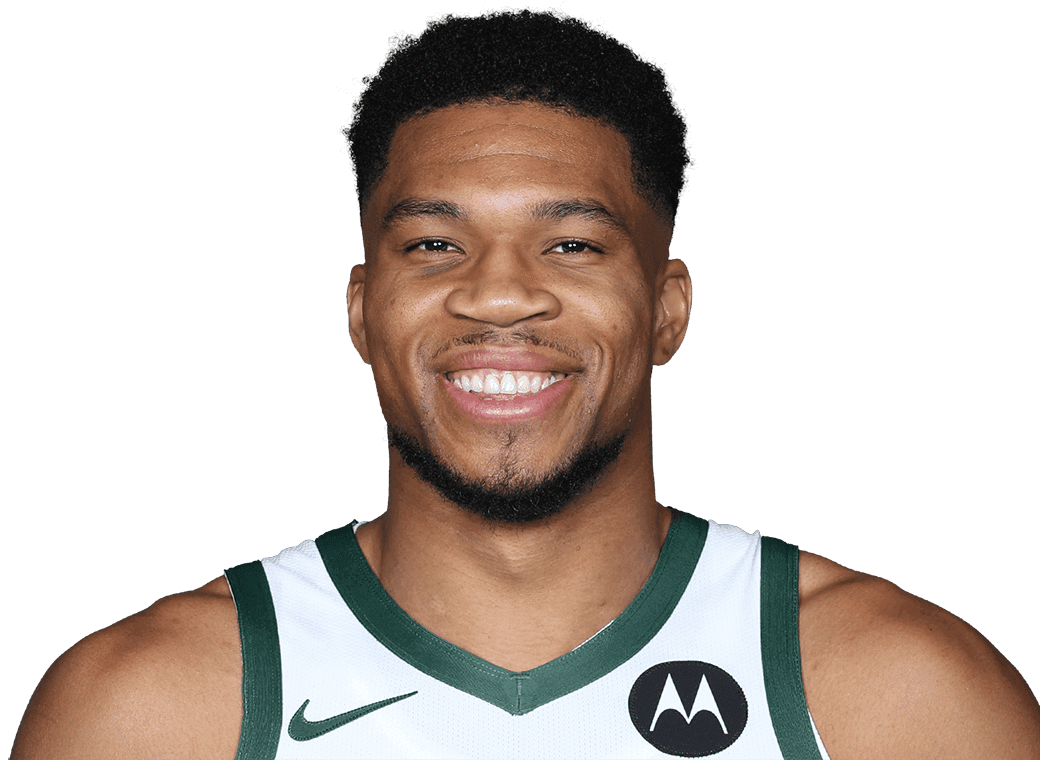
Giannis Antetokounmpo
#34 · Forward
35.2
PPG
13.2
RPG
5.0
APG
2.8
BPG
85.0
FT%
The 2021 NBA Finals performance by Giannis Antetokounmpo is one of the most extraordinary individual championship series in the sport's history — and Game 6 alone may be the single greatest Finals performance since Michael Jordan was doing this for a living. Down 2-0 after losing the first two games in Phoenix, Giannis averaged 35.2 points, 13.2 rebounds, 5.0 assists, and 2.8 blocks per game across the six-game series, but the number that defines this performance is 50. In Game 6, with Milwaukee needing a win to clinch the championship on their home floor, Giannis scored 50 points, pulled 14 rebounds, blocked 5 shots, and committed zero turnovers in 42 minutes. He made 17 of 19 free throws. He blocked Deandre Ayton at the rim late in the game. He was everywhere, on both ends, in the moment that mattered most. It was the performance of a player who had been doubted — his free-throw shooting mocked, his ability to win questioned, his Finals worthiness challenged — and responded with the most emphatic individual answer in recent championship memory. The Greek Freak had come from Athens to Milwaukee as a teenager. He had watched teammates leave for bigger markets while he stayed. He had lost in the second round two years running. He had won two MVPs and been told it still wasn't enough. On July 20, 2021, he silenced every version of that doubt forever.
50 points in Game 6 — the third-highest single-game scoring performance in NBA Finals history, second only to Jerry West (53, 1969) and Bob Pettit (50, 1958)
His 35.2 PPG series average is the highest by any Finals MVP in the 21st century
17-of-19 free throws in Game 6 — the player whose free-throw shooting had been publicly mocked made 89.5% from the line in the most important game of his career
Blocked Deandre Ayton's basket attempt in the fourth quarter — a play that encapsulated both the defensive dominance and the clutch-moment willingness that defined the performance
The first player in Bucks history to win Finals MVP — completing Milwaukee's journey from the 2021 pandemic bubble second-round loss to the sport's highest honor
How the Series Unfolded
G1 · L
0–1
G2 · L
0–2
G3 · W
1–2
G4 · W
2–2
G5 · W
3–2
G6 · W
4–2
105
MIL
118
PHX
The 2021 NBA Finals opened in Phoenix with the Suns immediately demonstrating why they had gone 51-21 — the best record in the Western Conference — behind Chris Paul's veteran orchestration and Devin Booker's offensive artistry. Paul had missed much of the regular season with injury and was completing one of professional basketball's most improbable second acts: a 36-year-old point guard finally reaching the Finals after 16 seasons and emerging as the most dangerous floor general Milwaukee would face all year. In Game 1, Paul controlled tempo, picked apart Milwaukee's rotations, and orchestrated a Phoenix offense that moved the ball with a precision the Bucks had not seen since the Atlanta series. Giannis scored 20 but his free-throw shooting in the second half — a vulnerability that had been publicly discussed throughout the playoffs — was exploited by Phoenix's Hack-a-Giannis approach. The Suns won comfortably, and the national narrative quickly pivoted toward questions Milwaukee fans had spent two years ignoring.
PHX
Devin Booker
27 pts · 5 ast · 4 rebDelivered a complete scoring performance that confirmed his Finals readiness — attacking from mid-range, attacking the rim, and running the Suns' offense with the confidence of a player who had been in this position before.
Chris Paul
32 pts · 9 ast · 4 stlA 36-year-old in his first Finals delivered one of the great individual Game 1 performances of recent championship history — controlling tempo, finding shooters, and exploiting every Milwaukee defensive rotation he could find.
108
MIL
118
PHX
Game 2 in Phoenix put the Bucks in a position that had broken several championship contenders before them — down 0-2 on the road, facing a team with home-court advantage and the most composed point guard in basketball running their offense. The Hack-a-Giannis strategy returned and Giannis''s free-throw difficulty became the central story of the series. Milwaukee competed more effectively than in Game 1 — Giannis was more forceful and Holiday found some offensive rhythm — but Phoenix's system was functioning at a high level, their bench contributions were consistent, and the Bucks'' adjustments were insufficient. Down two games with three required to win, returning home to Milwaukee, the national consensus had already moved toward a predetermined narrative. Inside the Bucks locker room, Giannis told his teammates they were exactly where they needed to be to show who they were.
Milwaukee Bucks
Giannis Antetokounmpo
42 pts · 12 reb · 4 astDespite the loss, delivered a performance that should have recalibrated the national conversation — 42 points against the best team in the Western Conference was not the performance of a Finals underperformer.
PHX
Devin Booker
31 pts · 6 reb · 4 astConsecutive dominant performances confirmed that Booker was operating at a Finals level that Milwaukee's defense had yet to find a consistent answer for.
120
MIL
100
PHX
Fiserv Forum for Game 3 was the loudest many observers had ever heard an NBA arena. Milwaukee came out with a physical aggression that redefined the series entirely. Giannis attacked relentlessly — not hoping to draw free throws but converting through contact at the rim, and suddenly the free-throw shooting that had been the series narrative became secondary to the question of whether Phoenix could stop him at all. Bobby Portis came off the bench and matched his starting counterparts in energy and production, scoring in transition and converting offensive rebounds in sequences that gave the Milwaukee crowd everything it needed to believe the momentum had shifted completely. Khris Middleton provided the secondary scoring that prevented Phoenix from collapsing a double team on every Giannis possession. The 20-point win was not a fluke — it was Milwaukee at the level they were capable of reaching, and the series was now a different conversation.
Milwaukee Bucks
Giannis Antetokounmpo
41 pts · 13 reb · 6 ast · 3 blkThe performance that recalibrated the series — 41 points in a 20-point win demonstrated that the Giannis who was unguardable all year had simply been warming up.
Bobby Portis
22 pts · 8 rebOff the bench, Portis matched the energy of the entire Milwaukee arena and converted second-chance opportunities that kept Phoenix's defensive strategy from recovering.
109
MIL
103
PHX
Game 4 in Milwaukee was the hardest-fought game of the series. Phoenix regrouped and returned to the floor with a defensive intensity that forced Giannis into a more difficult evening — he still scored 26, but it required more effort, and the game went down to possessions in the fourth quarter. Khris Middleton was Milwaukee's anchor in the tight final period, hitting mid-range shots with the precision that had made him a three-time All-Star and that Phoenix's defense had not yet found a consistent answer for. His composure in a game where the margin stayed within single digits throughout the fourth quarter reflected the championship competitiveness that his Milwaukee tenure had built. The win tied the series at 2-2, and everything the national media had declared about the Suns' inevitability was suddenly and comprehensively reconsidered.
Milwaukee Bucks
Khris Middleton
40 pts · 8 reb · 4 astCarried Milwaukee's offense in the fourth quarter when Giannis was well-defended — his mid-range execution in the final period won the game and tied the series.
Jrue Holiday
21 pts · 8 ast · 3 stlProvided the defensive intensity against Chris Paul that limited Phoenix's ability to control fourth-quarter tempo as the game went to its decisive possessions.
123
MIL
119
PHX
Game 5 in Phoenix is the game that Jrue Holiday will be defined by — not for an entire performance but for one play with 1:35 remaining. The Suns led by one. Devin Booker turned the corner on what should have been a drive to the basket that would extend the Phoenix lead to three possessions with under two minutes remaining. Jrue Holiday read the play before it happened, stripped the ball with his right hand, pushed the ball up the floor in transition, and threw an alley-oop to Giannis Antetokounmpo who caught it above the rim and finished with a force that silenced the entire Phoenix arena. Milwaukee led by two. They would not trail again. The steal was not a fluke — it was the product of 12 years of professional defensive preparation executed at the highest-stakes moment of Holiday's career. Milwaukee won 123-119 and returned to Wisconsin one game from the championship.
Milwaukee Bucks
Jrue Holiday
27 pts · 13 ast · 3 stlThe steal with 1:35 remaining — stripping Booker, pushing in transition, finding Giannis for the alley-oop — is the single most important play of the 2021 Bucks championship and one of the defining clutch defensive moments in Finals history.
Giannis Antetokounmpo
32 pts · 9 reb · 6 ast · 2 blkThe catch-and-finish on Holiday's alley-oop — above the rim, over Phoenix's defense, in a road arena with everything on the line — is the image that crystallizes what the 2021 Milwaukee Bucks are in franchise memory.
105
MIL
98
PHX
Game 6 at Fiserv Forum was Giannis Antetokounmpo's championship declaration — 50 points, 14 rebounds, 5 blocks, 17-of-19 free throws, and zero turnovers in 42 minutes. A performance so complete, so dominant, so perfectly calibrated to the moment it was required for, that it exists in a category with only two or three other individual Finals performances in the sport's history. The free-throw shooting — mocked, analyzed, deconstructed, turned into a strategy called Hack-a-Giannis — produced 17 conversions on 19 attempts, and the player against whom the entire strategy had been built stood at the line on Milwaukee's home floor and put it away with a composure that made the previous six weeks of national doubt feel like they had been directed at a different person. When Giannis blocked Deandre Ayton's potential game-tying basket attempt in the final minute, the arena became something beyond noise. It became a collective exhale from a city that had watched this player grow from a teenager to this exact moment. The final score was Milwaukee 105, Phoenix 98. The championship banner went to Wisconsin. And Giannis Antetokounmpo — who grew up in Athens, was mostly ignored by European scouts, signed with Milwaukee as a teenager, watched teammates leave, and stayed — was the Finals MVP.
Milwaukee Bucks
Giannis Antetokounmpo
50 pts · 14 reb · 5 blk · 17/19 FTThe third-highest scoring performance in NBA Finals history — 50 points, 14 rebounds, 5 blocks, and 0 turnovers in the championship-clinching game. The free-throw conversion on 17-of-19 attempts in the same series where Hack-a-Giannis had been the central tactical narrative was the most emphatic individual response to collective doubt that championship basketball has produced in the modern era.
Bobby Portis
16 pts · 11 rebHis offensive rebounding and energy off the bench provided the second-chance possessions that kept Milwaukee's lead sustainable through the Suns' fourth-quarter push.
The Champions
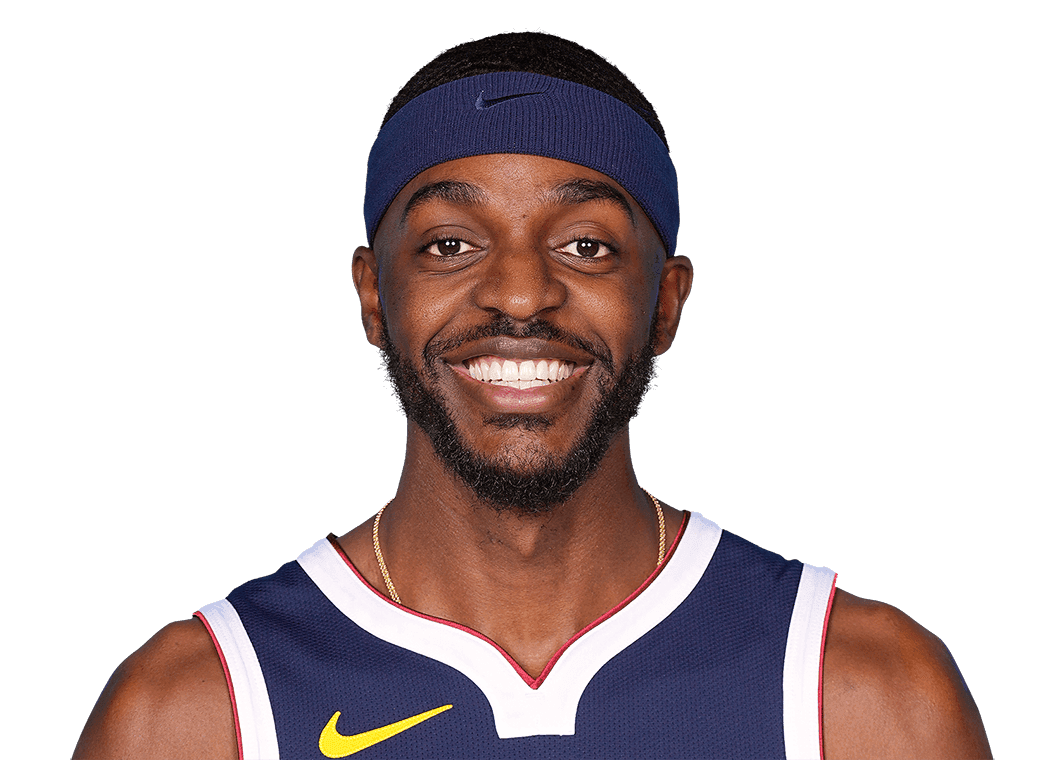
Jrue Holiday
#21 · Guard
17.2
PPG
7.3
APG
1.7
STL
Jrue Holiday's contribution to the 2021 championship is permanently defined by one play with 1:35 remaining in Game 5. Milwaukee trailing Phoenix by one possession, Devin Booker turning the corner — and Holiday strips the ball, pushes in transition, and finds Giannis Antetokounmpo for the alley-oop finish that gave Milwaukee a lead they would not relinquish. It was the steal-and-score that ended Phoenix's best opportunity to close out the series. It was a play that required everything Holiday had been built to deliver: defensive anticipation, transition decisiveness, and the composure to make the correct decision on the run with the season in the balance. Holiday averaged 17.2 points and 7.3 assists in the series while serving as Milwaukee's primary perimeter defender against Chris Paul and Devin Booker — a two-way commitment that matched Giannis's own standard for what the championship required.
The Game 5 strip-and-feed — stripping Devin Booker and finding Giannis for the go-ahead alley-oop with 1:35 remaining — is Milwaukee's most significant single play in the 2021 championship run
Averaged 7.3 assists in the Finals while serving as the primary perimeter defender on Chris Paul — a two-way responsibility matched by very few guards in Finals history
His decision to push pace off the steal rather than slow the game down — trusting Giannis to be where the ball needed to go — reflected the trust and connection that championship backcourt-to-big partnerships require
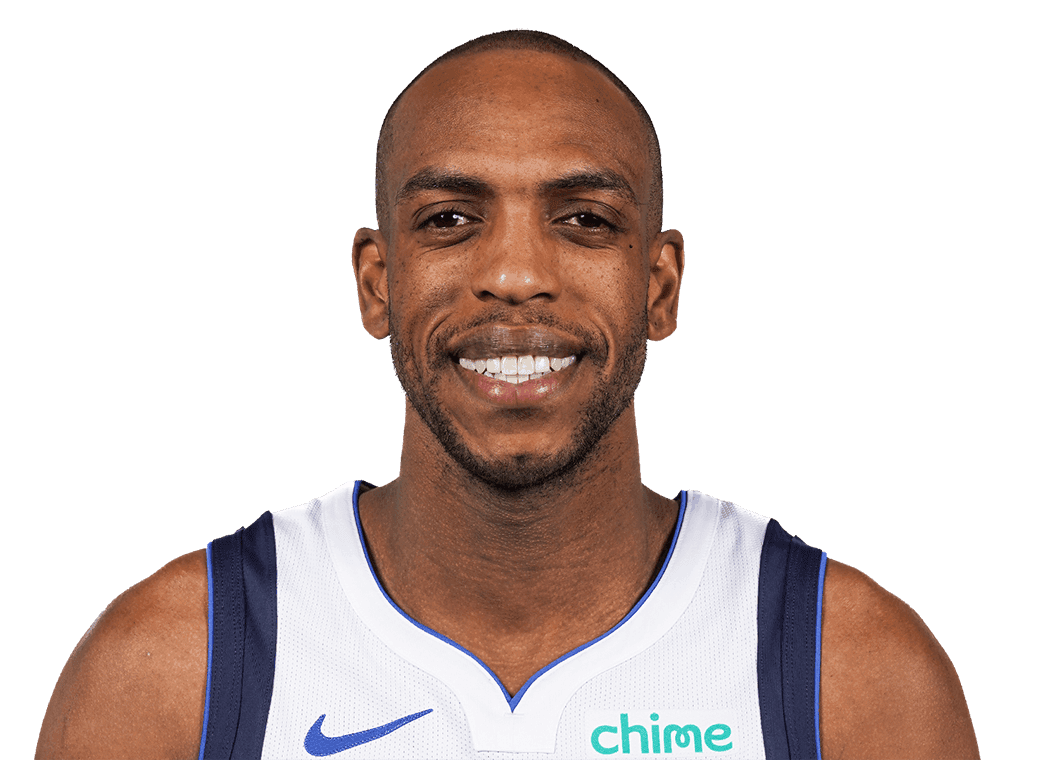
Khris Middleton
#22 · Forward
17.5
PPG
7.5
RPG
44.0
FG%
Khris Middleton had been Giannis Antetokounmpo's longest partner — the player who stayed when others left, who developed from a second-round throw-in into a three-time All-Star, who had been to the Eastern Conference Finals without winning. The 2021 championship was Middleton's validation as much as Giannis's. In the series, he averaged 17.5 points and 7.5 rebounds while serving as Milwaukee's secondary offensive option and their most versatile defensive matchup on the Suns' perimeter. His mid-range game — arguably the most precise in the NBA at his position — was the pressure valve that prevented Phoenix from designing its entire defense around stopping Giannis drives. When Giannis had the ball in the post, Middleton's gravity on the perimeter kept the paint slightly less collapsed. When Phoenix double-teamed, Middleton's shooting percentage from 15-18 feet was the punishment.
Won the championship with Milwaukee after 9 seasons — the longest-tenured Buck on the 2021 roster, his championship completed a loyalty-to-excellence narrative unlike any other in the franchise's modern era
His mid-range scoring in Games 3 and 4 was the critical offensive balance that prevented Phoenix from collapsing entirely onto Giannis, contributing to Milwaukee's back-to-back wins that tied the series
Played through knee discomfort throughout the playoffs — his championship performance required competing at Finals level while managing a physical limitation that was publicly disclosed only after the win
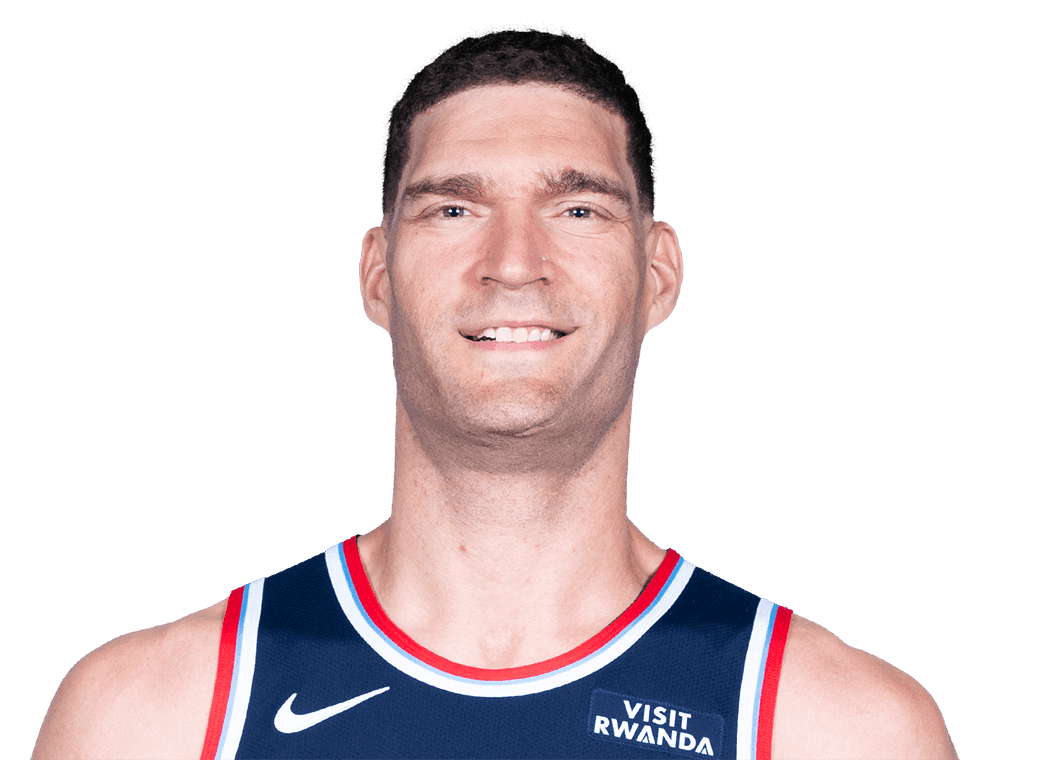
Brook Lopez
#11 · Center
10.0
PPG
4.8
RPG
3.0
BLK
1.5
3PM
Brook Lopez was the defensive architecture that made Milwaukee's scheme functional. His ability to protect the rim while shooting threes — a combination that simply did not exist in a 7-foot center at scale until Lopez demonstrated it in Milwaukee — removed every tactical easy button Phoenix had available. On defense, his presence at the rim eliminated the baseline drive from Devin Booker's preferred attack routes. On offense, his perimeter shooting spread the floor in ways that created cleaner entry passes to Giannis in the post. Lopez averaged 3.0 blocks per game in the Finals, protecting the rim at an elite level while contributing as a floor spacer — a two-way contribution from the center position that quietly drove Milwaukee's championship system as much as any individual performance.
Averaged 3.0 blocks per game — his rim protection eliminated Booker's driving lanes and forced Phoenix into lower-percentage perimeter attack patterns
His three-point shooting during the series removed the shot-blocking center-at-home-beneath-the-basket defensive scheme that opponents used against Giannis — his presence at the arc was a tactical problem Phoenix never fully solved
Won his only NBA championship with Milwaukee — a 13-year veteran who had evolved from a traditional post scorer to the modern stretch-and-protect archetype that championship teams require
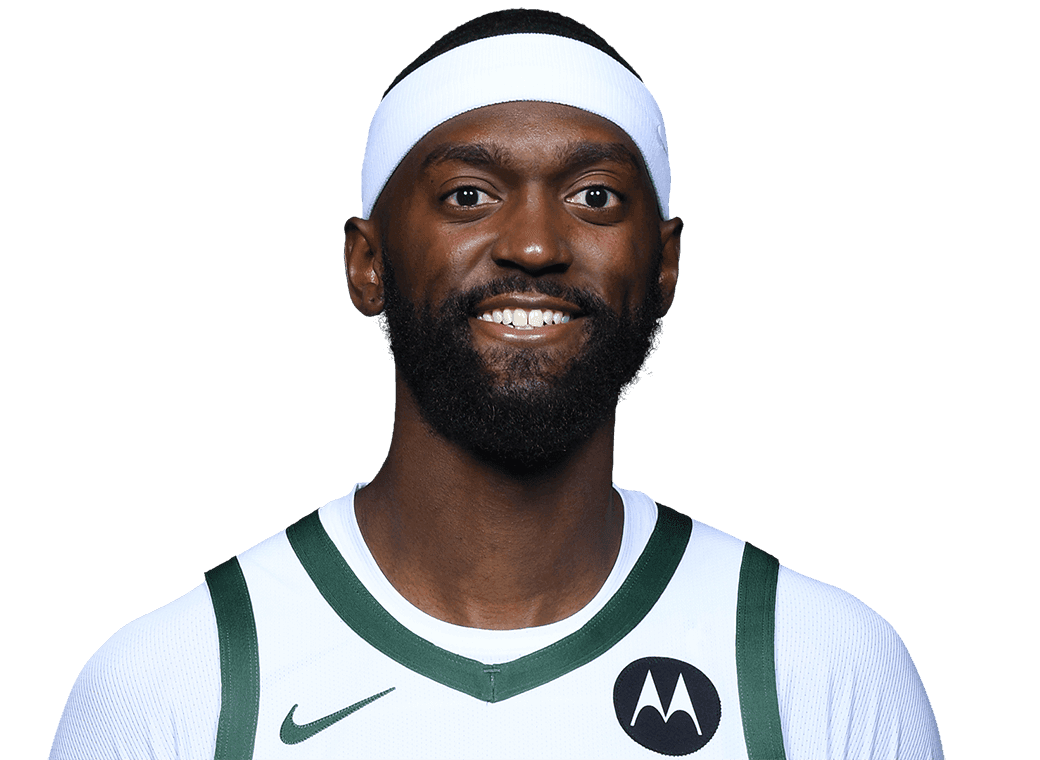
Bobby Portis
#9 · Forward
16.8
PPG
7.2
RPG
46.0
FG%
Bobby Portis came off the bench in most of Milwaukee's playoff games and produced like a starter throughout. His energy — unreplicable, immediate, physically contagious — was the spark plug that the Bucks' second unit required to maintain the competitive intensity that championship basketball demands across seven rounds and three weeks of games. In the Finals, he averaged 16.8 points off the bench, a number that would have led most teams' starting fives. He attacked the offensive glass relentlessly, converted second-chance opportunities that extended possessions at critical moments, and brought a level of crowd engagement that made Fiserv Forum's energy escalate every time he scored. Portis was the heartbeat of Milwaukee's bench. The championship was won by the starters but it was sustained, game after game, by the energy Portis provided every time he stepped on the floor.
Averaged 16.8 PPG off the bench in the Finals — the highest scoring average by a bench player in the 2021 postseason, a contribution that extended well beyond what his role implied
His offensive rebounding and second-chance conversions provided the possessions that converted close-margin moments into comfortable leads in Games 3 and 4
Became a fan favorite whose energy and accessibility connected Milwaukee's championship to the city in a way that superstar performances alone cannot replicate

Pat Connaughton
#24 · Guard
9.0
PPG
42.1
3P%
4.5
RPG
Pat Connaughton's put-back offensive rebound in Game 6 — a critical second-chance conversion that extended Milwaukee's lead in the fourth quarter — is the kind of play that championships are built around and box scores cannot capture. A two-sport prospect who turned down professional baseball to pursue basketball, Connaughton embodied everything the Bucks asked their supporting cast to provide: three-point shooting, defensive commitment, and the physical energy that comes from playing every minute like it might be your last. His shooting opened the floor for Giannis's post entries and his rebounding on the offensive glass gave Milwaukee extra possessions at moments when the margin was narrow. The championship completed a personal journey that had begun at Notre Dame and passed through baseball draft rooms, NBA second-round picks, and years of development that produced exactly this kind of contributor.
His put-back in Game 6 extended Milwaukee's lead in the fourth quarter of the most important game of the franchise's 50-year history
Shot 42.1% from three in the Finals — his spacing was a critical tactical element in preventing Phoenix from collapsing entirely onto Giannis
Won the championship on the same team he had helped build over multiple seasons — a continuity of contribution that championships require and that transient roster construction rarely provides
They Pushed Us to the Limit
The 2021 Phoenix Suns were the best team in the Western Conference — 51 wins in the pandemic-shortened season, Chris Paul finally reaching his first Finals at 36. They won the first two games in Phoenix and appeared to be on a path to the championship. Giannis Antetokounmpo's extraordinary performance over the next four games — including 50 points in Game 6 — ended that path completely.
Devin Booker
SG
27.0
PPG
5.5
APG
Chris Paul
PG
16.7
PPG
8.5
APG
Deandre Ayton
C
15.8
PPG
12.0
RPG
History Written in 2021
Giannis Antetokounmpo
50 points in Game 6 — third-highest single-game Finals performance in NBA history
Giannis Antetokounmpo
35.2 PPG series average — highest by any Finals MVP in the 21st century
Jrue Holiday
Game 5 steal-and-alley-oop with 1:35 remaining — the most important single play of Milwaukee's 2021 championship run
Milwaukee Bucks
First championship since 1971 — a 50-year gap between titles
Beyond the Box Score
The 2021 Finals were played in front of full arenas for the first time since the 2020 NBA bubble.
Giannis had been offered max contracts by multiple franchises but chose to stay and win in Milwaukee.
Down 0–2 after losing the first two games in Phoenix, Milwaukee won four consecutive games to claim the title.
The Full Story
The 2021 Milwaukee Bucks championship is Giannis Antetokounmpo's story — but it is also the story of a city and franchise that believed in a player when believing required patience. Giannis arrived in Milwaukee as a 18-year-old from Athens in 2013, the 15th pick in a draft where he was largely an unknown. He developed in public, in Wisconsin, surrounded by players who came and went while he stayed. He won two MVPs and was told championships were the real measure. He lost in the second round two years consecutively. He was offered maximum contracts by teams in larger markets and he chose Milwaukee. In July 2021, against a Phoenix team that had the best record in the Western Conference and one of the most accomplished point guards in history orchestrating their offense, Giannis averaged 35.2 points, 13.2 rebounds, and 5.0 assists per game — the most dominant Finals performance since Shaquille O'Neal's 2000-2002 three-peat — and won the championship he had earned by staying. Game 6's 50-point performance is the punctuation mark. But the entire sentence was written over eight years in Milwaukee.
Share the Legacy
Send this page to a fellow Milwaukee Bucks fan. Let them relive every moment — game by game, play by play.
More Milwaukee Bucks Championships