
2007
San Antonio Spurs
Series Flow
4
Wins
0
Losses
Regular Season
58–24
Win–Loss
Playoff Record
16–4
Win–Loss
Finals
4–0
vs Cleveland Cavaliers
Finals MVP
Parker
Tony
San Antonio Spurs
58–24Cleveland Cavaliers
50–32LeBron James carried the Cleveland Cavaliers to the 2007 NBA Finals in what was the most remarkable individual playoff performance in a generation. His 48-point, double-overtime game against Detroit in the Eastern Conference Finals announced his arrival as the best player in the world — but the supporting cast that followed him to the Finals was not equipped for the Spurs' defensive sophistication.
Finals MVP
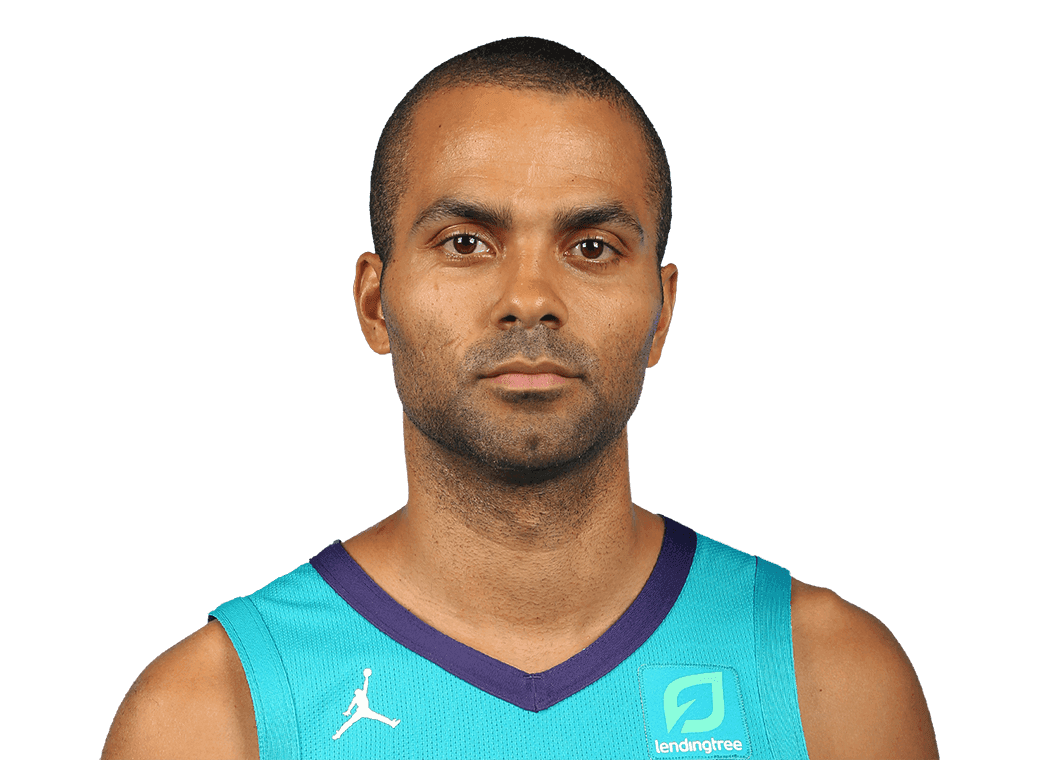
Tony Parker
#9 · Point Guard
24.5
PPG
3.3
APG
3.3
RPG
57.1
FG%
Tony Parker became the first European-born player to win the NBA Finals MVP, delivering four dominant performances that rendered LeBron James and the Cavaliers helpless. His floater over the Cleveland defense was unguardable — a shot released at a height and angle that no defender could contest cleanly — and his 57.1% shooting revealed how thoroughly he had mastered the art of attacking the paint.
First European-born player to win the NBA Finals MVP award — a historic milestone for international basketball
His Finals MVP came at age 25 — the youngest Finals MVP in Spurs history
Shot 57.1% from the field across four games — the most efficient championship series of his career
His floater-driven attack made LeBron James — already the best player in the East — a bystander for an entire series
How the Series Unfolded
G1 · W
1–0
G2 · W
2–0
G3 · W
3–0
G4 · W
4–0
85
SAS
76
CLE
Tony Parker opened the series with a performance that immediately revealed the Cavaliers' fundamental problem — they had no way to contain a 6'2" guard who could beat them off the dribble, hit the floater over their bigs, or find Tim Duncan rolling to the basket. Parker's 27 points on 10-of-16 shooting established the offensive template for the entire series: attack the paint, convert the floater or create for others, control the game's pace. The Cavaliers looked uncomfortable before the game reached halftime.
San Antonio Spurs
Tony Parker
27 pts · 6 ast · 61% FGThe blueprint was established in Game 1 — his floater over the Cavaliers' defense was unguardable from the opening possession.
Tim Duncan
16 pts · 13 reb · 3 blkControlled the interior on both ends and gave Parker the perfect pick-and-roll partner that Cleveland had no answer for.
CLE
LeBron James
24 pts · 9 ast · 6 rebThe best player in the East worked relentlessly but couldn't generate momentum for Cleveland's secondary options.
103
SAS
92
CLE
Parker hit 30 points and the Spurs extended their series lead with a dominant offensive performance that exposed every gap in Cleveland's defensive scheme. Manu Ginobili's second-unit scoring gave the Cavaliers a second layer of problems to solve — and when LeBron couldn't solve the first layer (Parker), the second layer (Ginobili) put the game out of reach. The two wins in San Antonio meant the Spurs needed just two victories in four games to claim the championship.
San Antonio Spurs
Tony Parker
30 pts · 5 astHis most complete offensive game of the series — 30 points at 58% efficiency without ever letting the Cavaliers' defense establish a defensive scheme.
Manu Ginobili
18 pts · 6 ast · 3 stlThe second unit problem Cleveland couldn't solve — his improvisation made their defensive adjustments immediately irrelevant.
CLE
LeBron James
25 pts · 7 astFought to keep Cleveland in the game but his supporting cast couldn't generate enough to make the Spurs' defense work harder.
75
SAS
72
CLE
In Cleveland, with LeBron James and the home crowd desperate for a response, the Spurs won the tightest game of the sweep with characteristic defensive composure. Parker was efficient rather than explosive — 17 points on limited attempts — and Duncan controlled the glass to the point where Cleveland's second-chance offense produced nothing. The three-point margin felt larger than it was because the Cavaliers never generated a sustained run that put the lead in genuine danger.
San Antonio Spurs
Tony Parker
17 pts · 5 ast · 65% FGWon a road game efficiently — his decision-making was flawless, never forcing situations and always finding the right play.
Tim Duncan
20 pts · 14 rebThe rebound advantage was the decisive factor — 14 boards on the road removed Cleveland's second opportunities completely.
CLE
LeBron James
25 pts · 8 ast · 5 rebHis best individual performance of the series — but the Cavaliers' role players generated nothing alongside him.
83
SAS
82
CLE
One point. The San Antonio Spurs clinched their fourth NBA championship by a single point — the narrowest possible margin for one of the most dominant sweeps in Finals history. The final seconds produced the kind of tension that seven-game series manufacture: Cleveland had the ball, LeBron James was on the floor, and the Spurs' defense had to hold for one final possession. They did. Tony Parker was the first European-born player to hold a Finals MVP trophy. The Spurs dynasty had reached its fourth peak.
San Antonio Spurs
Tony Parker
24 pts · 5 astClosed the championship on the road with his signature efficiency — his Finals MVP was the unanimous conclusion of basketball observers worldwide.
Tim Duncan
20 pts · 12 rebThe anchor held in the final minutes — his defensive composure in the closing possession preserved the championship.
CLE
LeBron James
32 pts · 8 reb · 8 astHis best game of the series came too late — 32 points in a loss confirmed his individual brilliance while exposing the limits of what he could do alone.
The Champions
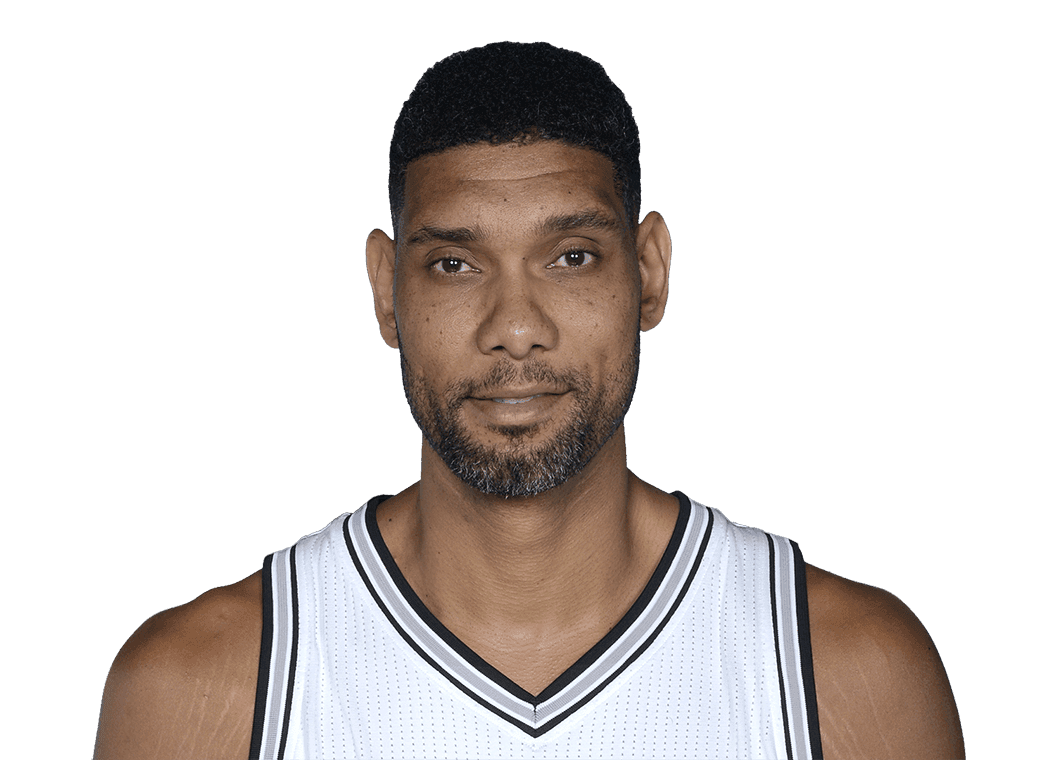
Tim Duncan
#21 · Power Forward / Center
19.0
PPG
12.3
RPG
2.0
BPG
Duncan's role shifted in the 2007 Finals — he was the anchor, not the primary weapon. His 12.3 rebounds per game controlled the glass completely, his defensive positioning neutralized Cleveland's interior, and his pick-and-roll partnership with Parker was the series' most dominant two-man game.
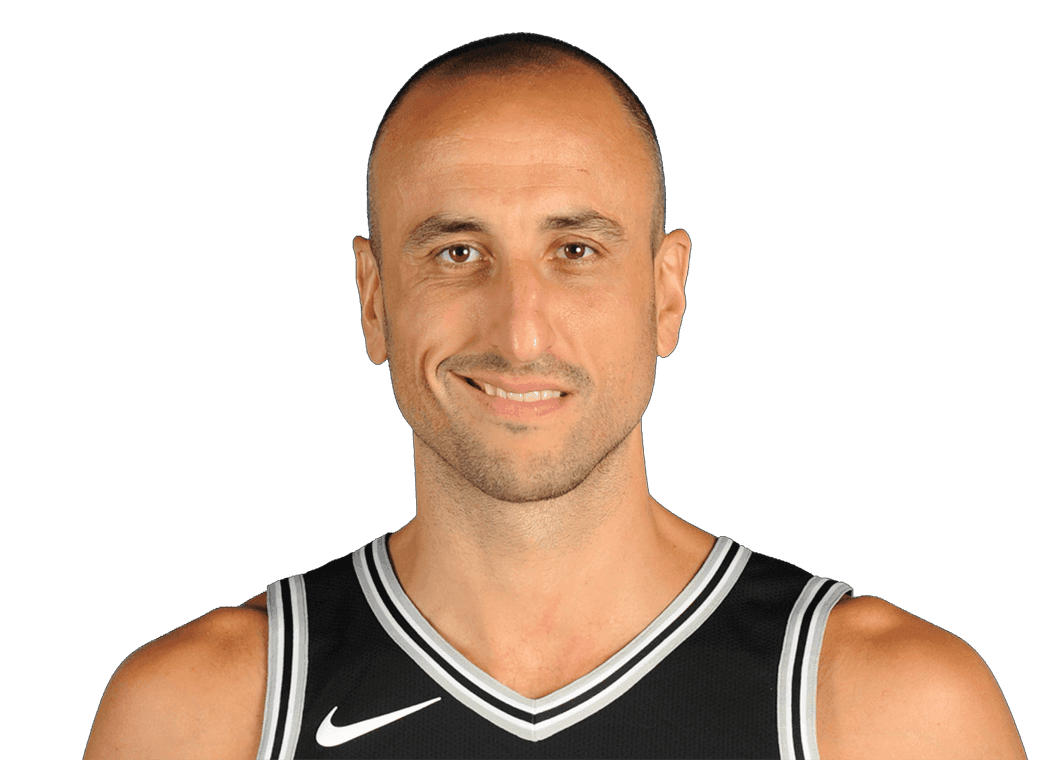
Manu Ginobili
#20 · Shooting Guard
14.0
PPG
4.5
APG
2.3
SPG
Ginobili's defensive playmaking — 2.3 steals per game — disrupted Cleveland's offensive sets and forced LeBron James into difficult reads throughout the series. His offensive improvisation off the bench provided the unpredictability that Cleveland's defense had no scheme to contain.
Bruce Bowen
#12 · Small Forward
6.0
PPG
48.0
3P%
1.5
SPG
The Spurs' defensive stopper was assigned to limit LeBron James — a task that required perfect technique and physical commitment. Bowen's positioning and discipline, combined with San Antonio's help defense, held the league's most dangerous player to his least impactful Finals performance.
They Pushed Us to the Limit
LeBron James carried the Cleveland Cavaliers to the 2007 NBA Finals in what was the most remarkable individual playoff performance in a generation. His 48-point, double-overtime game against Detroit in the Eastern Conference Finals announced his arrival as the best player in the world — but the supporting cast that followed him to the Finals was not equipped for the Spurs' defensive sophistication.
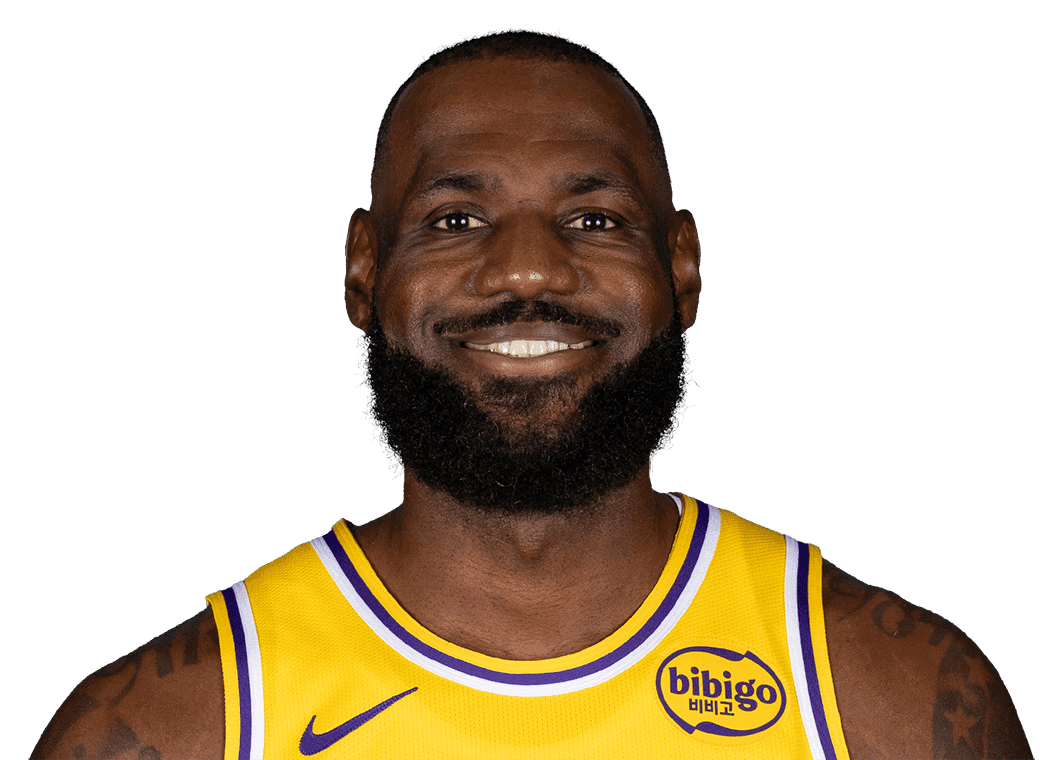
LeBron James
#23 · Small Forward
22.0
PPG
7.0
RPG
6.8
APG
The best player in basketball was held below his abilities by the Spurs' collective defense — a system so complete that no single player, even LeBron at 22, could overcome it alone.
Zydrunas Ilgauskas
#11 · Center
10.5
PPG
6.3
RPG
The veteran Lithuanian center battled Duncan admirably but was overmatched by the Spurs' frontcourt depth and Duncan's combination of skill and athleticism.
History Written in 2007
Tony Parker
First European-born player to win the NBA Finals MVP award — a landmark moment for international basketball's legitimacy at the highest level
San Antonio Spurs
Fourth championship in nine years — now undeniably the greatest dynasty of the post-Jordan era
Gregg Popovich
Fourth championship as head coach — tied the record for most titles with a single franchise in the modern era
San Antonio Spurs
Swept LeBron James and the Cleveland Cavaliers — the most decisive Finals margin in franchise history
Tim Duncan
Fourth championship ring — joined an exclusive group of players to win four or more titles with a single franchise
Beyond the Box Score
The 2007 NBA Finals was the most anticipated LeBron James moment of his first era in Cleveland. After his iconic 48-point, double-overtime performance against Detroit in the Conference Finals — one of the greatest individual playoff games in history — the basketball world believed that Cleveland's young superstar might be ready to end the San Antonio dynasty. The Spurs disagreed.
Tony Parker had been building toward a moment like this for six years. The Belgian-born, French-raised point guard had grown up in the Spurs' system from age 19, absorbing Gregg Popovich's tactical intelligence and sharpening his floater into the most reliable shot in the game. In the 2007 Finals, everything he had developed came together — four dominant performances that made the most famous player in the Eastern Conference look like a secondary character.
The sweep was both comprehensive and somewhat misleading. Games 3 and 4 in Cleveland were won by three points and one point respectively — the Cavaliers were competitive, and LeBron was brilliant. But the Spurs' system — their collective defense, their disciplined rotation, their ability to solve every adjustment the Cavaliers attempted — made the outcome feel more inevitable than the margins suggested.
Tony Parker's Finals MVP trophy was more than a personal achievement — it was a statement about the NBA's global transformation. A player born in Belgium, raised in France, and developed by a Spurs organization that had always prioritized character and skill over nationality had become the Finals' defining player. His example opened a door for international players everywhere.
The Full Story
LeBron James was 22 years old when he led the Cleveland Cavaliers to the 2007 NBA Finals. He had delivered one of the great individual playoff performances in history against Detroit — 48 points in double overtime — and the basketball world expected the Spurs dynasty to finally meet its match. Instead, Tony Parker dismantled the Cavaliers over four games in the most decisive Finals performance the Spurs ever produced.
Parker's floater was unguardable. Released at a height and angle that made conventional shot-blocking irrelevant, it found the backboard from the left, from the right, from the middle of the lane, from step-back positions that shouldn't have been mathematically possible. Cleveland had no scheme for it because no scheme existed. The only defense was not letting Parker attack — and no one in the NBA could prevent Tony Parker from attacking.
Tim Duncan was the foundation, as always — 19 points and 12 rebounds per game, his defensive positioning making LeBron's penetration into a closed door rather than an open lane. Manu Ginobili's steals disrupted Cleveland's offensive patterns. Bruce Bowen turned LeBron James into a semi-functional offensive player. And Gregg Popovich's system converted every Cavalier adjustment into another Spurs opportunity.
When the final buzzer sounded in Cleveland — the Spurs winning Game 4 by one point, the narrowest margin in a sweep that felt like it had ended after Game 1 — Tony Parker held the Finals MVP trophy as the first European-born player ever to do so. Four championships in nine years. The dynasty that no one had seen building in Texas was now the unquestioned standard of sustained excellence in professional basketball.
Share the Legacy
Send this page to a fellow San Antonio Spurs fan. Let them relive every moment — game by game, play by play.