
2014
San Antonio Spurs
Series Flow
4
Wins
1
Losses
Regular Season
62–20
Win–Loss
Playoff Record
16–7
Win–Loss
Finals
4–1
vs Miami Heat
Finals MVP
Leonard
Kawhi
San Antonio Spurs
62–20Miami Heat
54–28The Miami Heat were the defending champions and had won two consecutive titles — the LeBron James era at its absolute peak. But their 2013 championship, won when Ray Allen hit a corner three with 5.2 seconds remaining to force overtime in Game 6, had given the Spurs a scar that became fuel. The 2014 Finals was San Antonio's answer.
Finals MVP
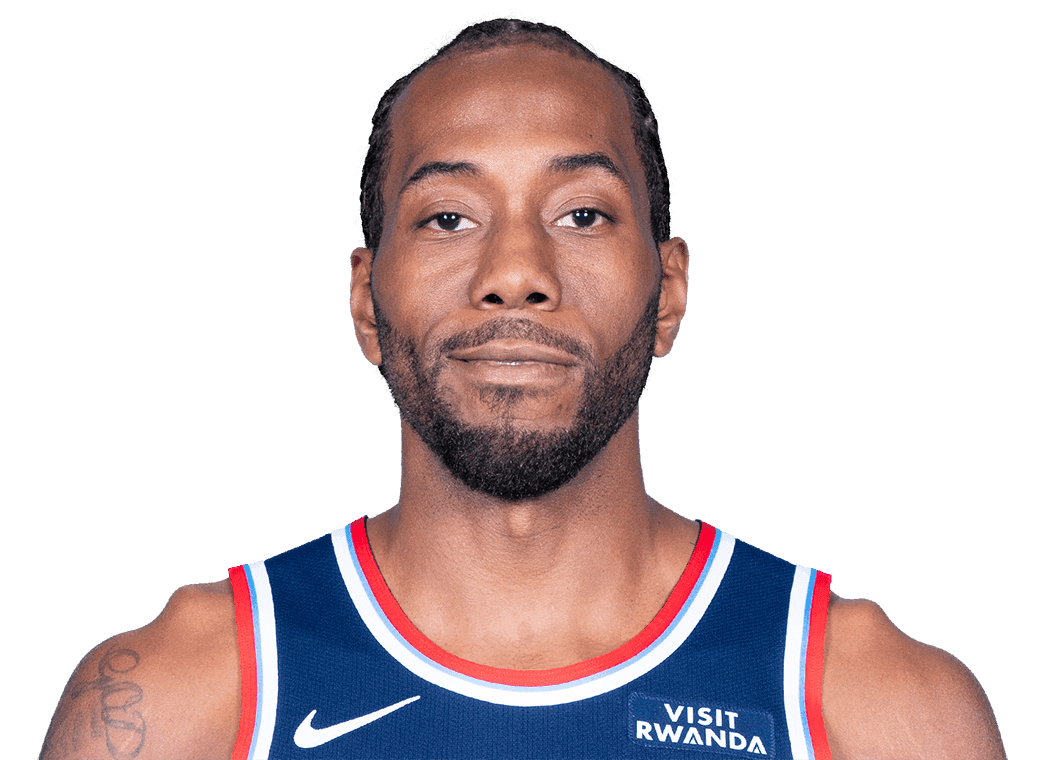
Kawhi Leonard
#2 · Small Forward
17.8
PPG
6.4
RPG
1.8
SPG
52.9
FG%
At 22 years old, Kawhi Leonard became the youngest player to win the Finals MVP since Magic Johnson in 1980. He did it with both hands — neutralizing LeBron James on the defensive end while averaging 17.8 points per game on the other. His quiet, devastatingly efficient performance was the defining individual story of a series remembered for its collective beauty.
Youngest Finals MVP since Magic Johnson in 1980 — at 22 years old
Held LeBron James below 30 points per game for the first time in the 2014 postseason — the most consequential defensive assignment in the series
Became the first Finals MVP in Spurs history who was not Tim Duncan
His emergence as a two-way superstar was the championship's most significant signal about the franchise's next era
How the Series Unfolded
G1 · W
1–0
G2 · L
1–1
G3 · W
2–1
G4 · W
3–1
G5 · W
4–1
110
SAS
95
MIA
The 2014 NBA Finals began with the most beautiful basketball game most observers had ever seen. The San Antonio Spurs moved the ball with a fluency that made Miami's defense look like it was defending in slow motion — 27 passes on one possession, leading to an open Danny Green three-pointer, became the image that defined the entire series. Kawhi Leonard attacked LeBron James defensively from the first possession and never let him breathe. The 15-point margin understated how thoroughly San Antonio had dominated.
San Antonio Spurs
Kawhi Leonard
20 pts · 7 reb · 3 stlHis defensive assignment on LeBron James was the series' defining individual battle — Leonard won it from the opening tip.
Danny Green
18 pts · 6-of-8 from threeThe 27-pass possession ending in Green's open three became the signature image of the most beautiful Finals basketball ever played.
MIA
LeBron James
25 pts · 6 reb · 6 astHis individual numbers were respectable, but Leonard's defensive pressure made every score feel earned rather than created.
96
SAS
98
MIA
The game that should never have been lost — and that San Antonio would spend the next 12 months never forgetting. The Heat won in overtime after LeBron James delivered a superhuman fourth-quarter performance, turning a Spurs victory into a defeat with the kind of individual will that championships are made of. It was the Spurs' reminder that the Heat had won in 2013 on an equally impossible shot, and that beauty alone does not win championships without the final possession executed correctly.
San Antonio Spurs
Tim Duncan
17 pts · 15 reb15 rebounds couldn't prevent the loss — the Spurs' fourth-quarter execution failed at the most critical moment.
MIA
LeBron James
35 pts · 10 reb · 6 astHis fourth-quarter and overtime performance was the most impactful individual game of the series — will over system, for one night.
Dwyane Wade
24 pts · 7 astWade returned to his 2006 form in the overtime period — the version of Wade that had denied the Mavericks helped deny the Spurs.
111
SAS
92
MIA
If Game 1 had been beautiful, Game 3 in Miami was transcendent. The Spurs moved the ball with a freedom and creativity that reduced Miami's defense to helpless spectators — they led by as many as 36 points and won by 19 on the Heat's home floor. The entire basketball world watched a team execute a system so completely that it approached something beyond sport — closer to choreography or performance art than athletic competition. It was, most observers agreed, the single most complete team basketball game in Finals history.
San Antonio Spurs
Tony Parker
21 pts · 10 astOrchestrated the masterpiece — his combination of driving and ball distribution made the Spurs' system look effortless at every turn.
Kawhi Leonard
29 pts · 7 rebElevated to superstar status on the Miami Heat's court — his scoring efficiency alongside Leonard's defensive dominance was the series' defining combination.
Danny Green
18 pts · 6 three-pointersSix more threes as the product of the system's ball movement — every pass finding the open man finding the open three.
107
SAS
86
MIA
The Spurs won their second consecutive game in Miami by 21 points, taking a 3-1 series lead and putting the Heat on the brink of elimination. The beautiful basketball had not relented — every game the Spurs won was an expression of their system operating at full capacity, with five players constantly in motion, the ball finding the open man before the defense could recover, and the collective intelligence of a team that had been building toward this moment for fifteen years.
San Antonio Spurs
Kawhi Leonard
20 pts · 8 reb · 2 stlTwo consecutive dominant road performances — his two-way excellence in Miami was the clearest evidence that the next Spurs era had already begun.
Manu Ginobili
16 pts · 7 astThe architect of beautiful chaos — his improvisation off the bench gave Miami a completely different problem every time he entered.
MIA
LeBron James
28 pts · 8 reb · 6 astIndividual brilliance in a team defeat — his numbers couldn't change the reality that the Spurs' system overwhelmed Miami's scheme.
104
SAS
87
MIA
The San Antonio Spurs closed the championship in front of their home crowd, and the celebration that followed was proportional to the beauty of what the preceding twelve months had produced. After the heartbreak of 2013 — Ray Allen's corner three, the clock that wouldn't stop — the Spurs had rebuilt their mission around the principle that excellence, sustained and absolute, would eventually prevail. Kawhi Leonard accepted the Finals MVP trophy as the youngest winner since Magic Johnson in 1980, and the dynasty's fifth chapter closed with the franchise's greatest statement of collective purpose.
San Antonio Spurs
Kawhi Leonard
22 pts · 10 reb · 3 stlClosed the championship with his most complete game — the Finals MVP was as much a symbol of a new era as a recognition of the current one.
Tim Duncan
19 pts · 14 rebFifth championship — the closing chapter of the greatest career in franchise history, written with the same quiet excellence that had defined every chapter before it.
MIA
Dwyane Wade
20 ptsThe Heat fought to the end with their characteristic pride, but San Antonio's system had no vulnerability that any individual brilliance could exploit.
The Champions
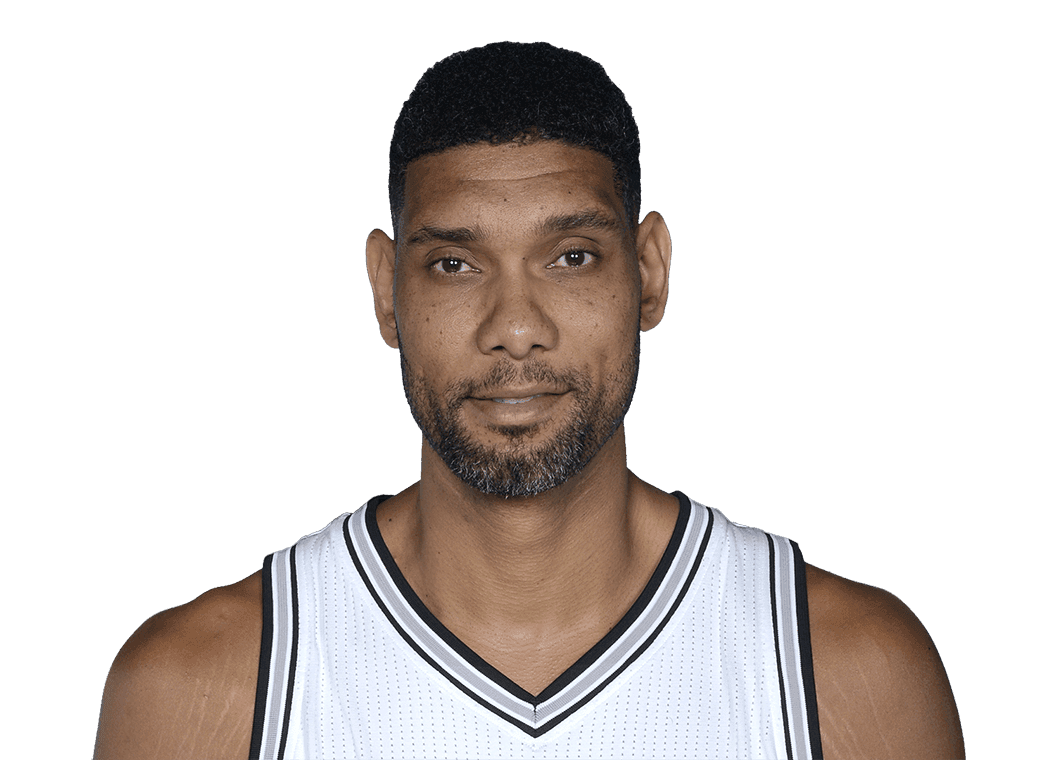
Tim Duncan
#21 · Power Forward / Center
15.4
PPG
11.2
RPG
2.0
BPG
At 38 years old, Tim Duncan's fifth championship performance was defined by wisdom rather than athleticism — his positioning, help defense, and pick-and-roll execution were as sophisticated as anything in his career, even as his role as the primary weapon had been passed to younger stars.
Fifth NBA championship — completed his career as the greatest player in Spurs history with five rings
At 38, became one of the oldest players to win an NBA championship in the modern era
His performance alongside Kawhi Leonard completed the passing of the dynasty's torch
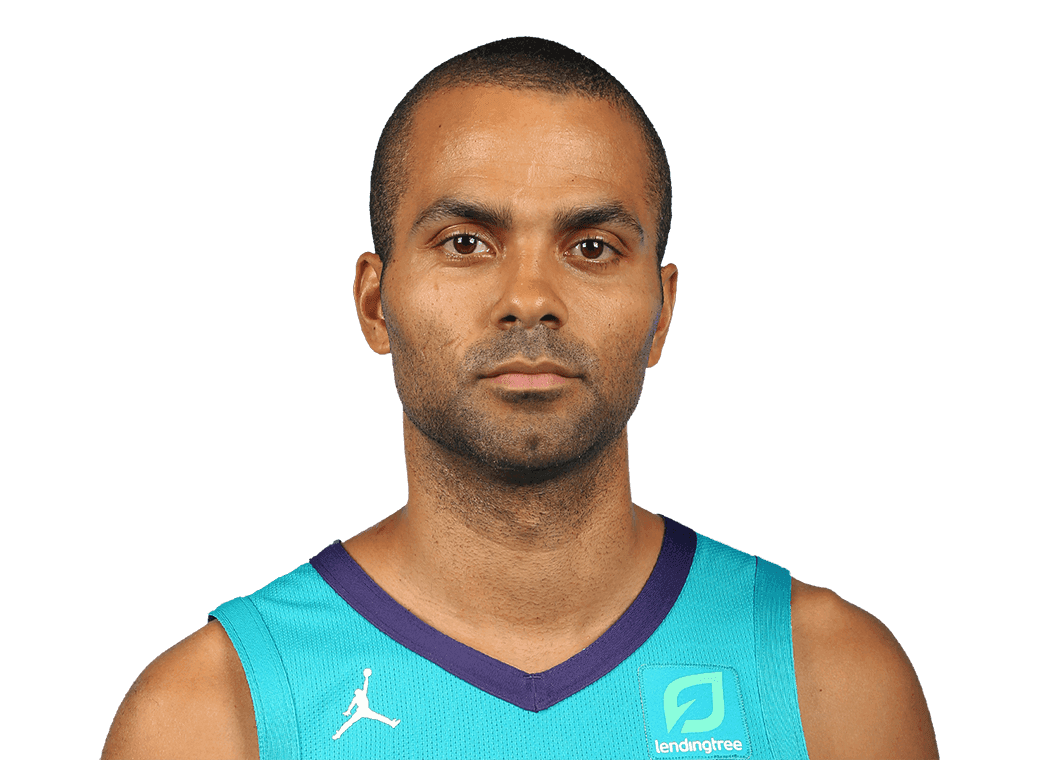
Tony Parker
#9 · Point Guard
16.8
PPG
7.0
APG
Playing through a hamstring injury that limited his explosiveness, Parker's playmaking intelligence elevated an already elite system. His 7 assists per game distributed the ball to the Spurs' shooters with a rhythm that made the Miami Heat's defense look pedestrian.

Boris Diaw
#33 · Power Forward / Center
10.6
PPG
5.0
RPG
3.2
APG
Boris Diaw was the purest embodiment of the Spurs' system in the 2014 Finals — an offense built on reading the game, moving the ball before the defense could set, and finding the extra pass that created the truly open shot. His 3.2 assists per game from the power forward position was the clearest evidence that San Antonio's basketball was aesthetically unlike anything else in the sport.
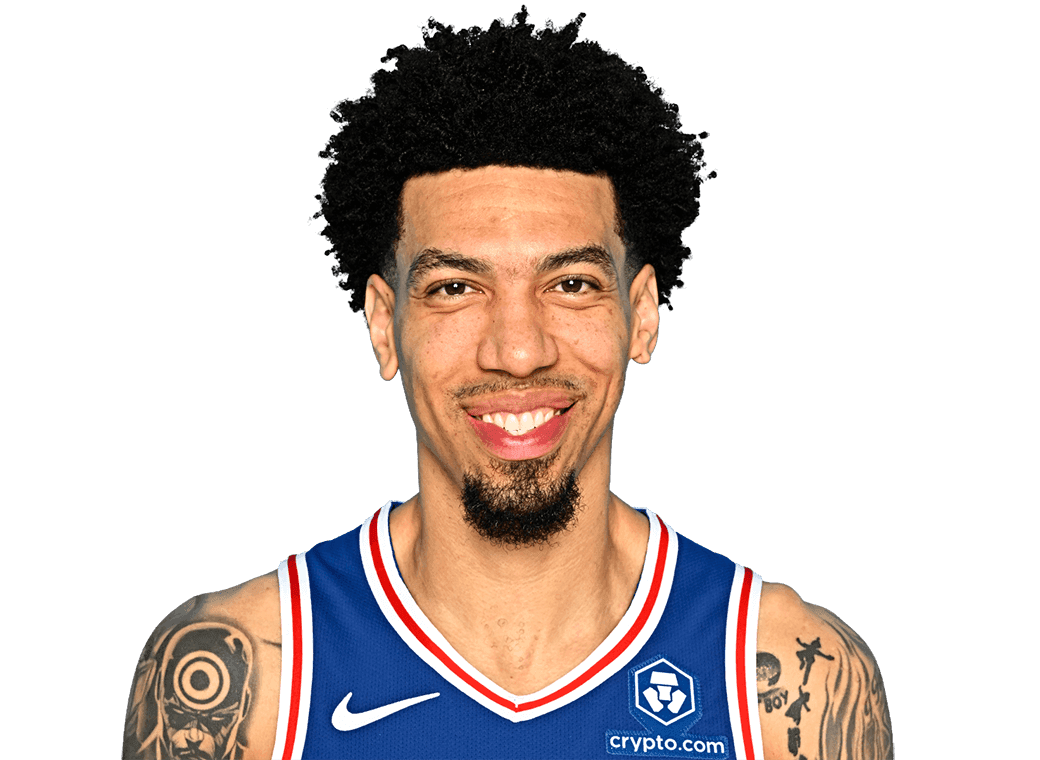
Danny Green
#14 · Shooting Guard
12.6
PPG
52.0
3P%
1.8
SPG
Danny Green set an NBA Finals record for three-pointers made in a series — 25 three-pointers at 52% — and his performance was the clearest evidence of what ball movement could generate when applied at its highest level. His shots were not created by individual brilliance; they were the product of the system's collective execution.
Set the NBA Finals record for most three-pointers made in a single Finals series
His 52% three-point shooting was the direct product of the Spurs' 27-pass possession sequences that opponents simply could not defend
They Pushed Us to the Limit
The Miami Heat were the defending champions and had won two consecutive titles — the LeBron James era at its absolute peak. But their 2013 championship, won when Ray Allen hit a corner three with 5.2 seconds remaining to force overtime in Game 6, had given the Spurs a scar that became fuel. The 2014 Finals was San Antonio's answer.
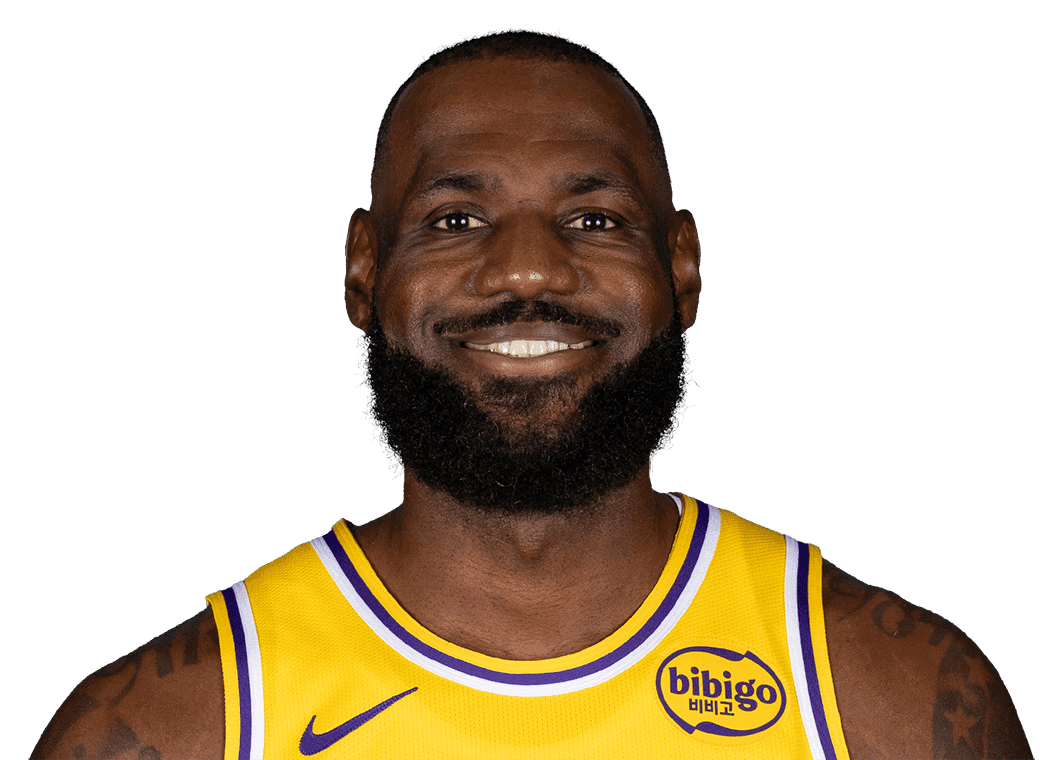
LeBron James
#6 · Small Forward
28.2
PPG
7.8
RPG
4.0
APG
The best player in the world averaged 28 points against the Spurs — and still lost. No clearer statement exists about what San Antonio's system was capable of at its peak.
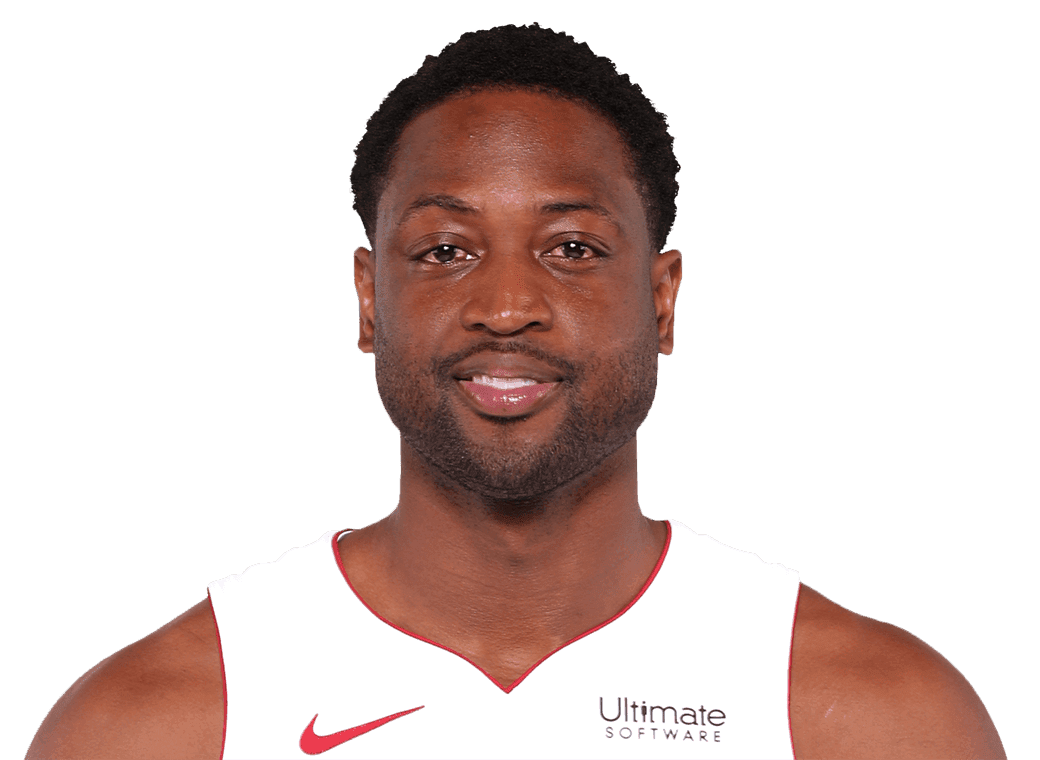
Dwyane Wade
#3 · Shooting Guard
15.0
PPG
4.6
APG
Wade's body had begun to limit the explosiveness that made him a Finals MVP in 2006, but his competitive spirit and clutch Gene 2 performance kept Miami's title defense alive longer than the series margin suggests.
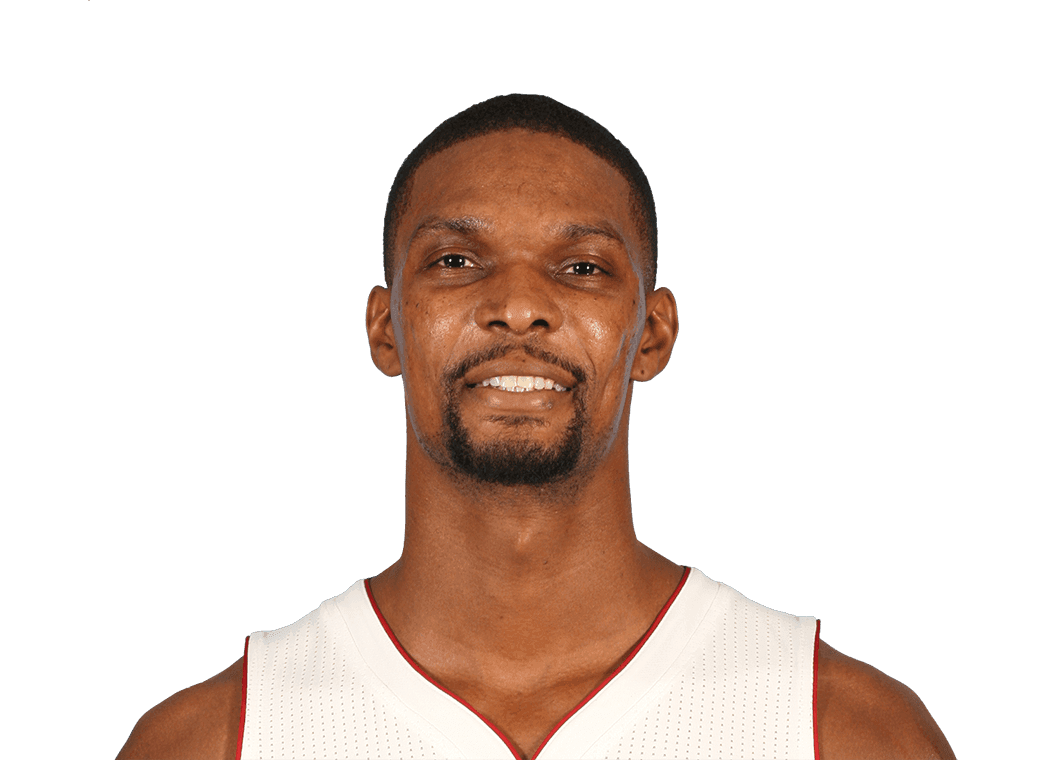
Chris Bosh
#1 · Power Forward
14.4
PPG
6.8
RPG
The stretch big whose perimeter shooting had redefined his position was largely neutralized by the Spurs' switching defense — his space was consistently taken away.
History Written in 2014
Kawhi Leonard
Youngest Finals MVP since Magic Johnson in 1980 — at 22 years old, the clearest signal that the Spurs dynasty would continue beyond its founding generation
Danny Green
Set the NBA Finals record for three-pointers made in a single series — the direct product of San Antonio's ball movement philosophy
Tim Duncan
Fifth NBA championship — completed a career as the greatest power forward in history and the anchor of the greatest modern dynasty
San Antonio Spurs
Fifth championship in 15 years — the most sustained dynasty of the post-Jordan era, across five different supporting casts built around one franchise cornerstone
Gregg Popovich
Fifth championship as head coach — the most decorated head coach of the modern era and the longest-tenured coach in NBA history
San Antonio Spurs
Considered the most beautiful Finals basketball ever played — the 2014 championship is the aesthetic gold standard against which all future team basketball is measured
Beyond the Box Score
The 2014 NBA Finals existed in the shadow of 2013 — the most painful near-miss in Spurs history. The previous year, San Antonio had led Game 6 with 28 seconds remaining and the championship within their grasp, before Ray Allen's corner three forced overtime and ultimately cost them the title. That loss did not break the Spurs — it clarified them. Everything they built in 2013-14 was shaped by the memory of what had slipped away.
The 2014 Spurs were arguably the most complete team in NBA history in terms of ball movement and collective execution. Their offensive system — built on constant motion, the extra pass, the willingness of every player to be the one who didn't shoot — produced possessions so beautiful that they were studied in coaching clinics around the world. The 27-pass sequence in Game 1 that ended with an open Danny Green three-pointer became one of the most iconic team plays in Finals history.
Kawhi Leonard's emergence was the championship's most significant signal about the future. The quiet, methodical wing had spent three years developing in the Spurs' system without significant public notice — and then, in the most watched basketball stage in the world, he neutralized LeBron James and averaged 17.8 points per game to win the Finals MVP at 22. The franchise's next decade was already taking shape in those five games.
The 2014 championship completed the Spurs' argument: that a franchise built on culture, player development, and collective purpose — rather than superstar accumulation — was the most sustainable model in professional basketball. Five championships across 15 years, five different supporting casts, one coach, one cornerstone. No other franchise had done it. None has done it since.
The Full Story
There is a possession from Game 1 of the 2014 NBA Finals that basketball coaches still show to their players. Twenty-seven passes. Five different ball-handlers. The Miami Heat defense scrambling from side to side, from corner to corner, from the arc to the paint and back again. And at the end of it, Danny Green standing alone in the corner, completely open, for a three-pointer that looked like the simplest shot in the world — because the Spurs had made it so.
This was not basketball as it was normally played. This was basketball as a demonstration of what is possible when five players subordinate individual impulse to collective intelligence — when everyone moves before the ball, when every shot is a product of the system rather than individual brilliance, when the pass before the pass before the shot is the one that actually wins the game. The Miami Heat, with LeBron James averaging 28 points per game, could not stop it.
Kawhi Leonard was the championship's revelation. The 22-year-old wing guarded LeBron James with the physical commitment and tactical discipline of a player twice his age, while averaging 17.8 points per game on his own offensive possessions. He did not speak about his performance. He did not acknowledge the comparisons to the greats. He accepted the Finals MVP trophy with the same quiet focus he had applied to every practice, every game, every defensive possession of the series.
Tim Duncan's fifth championship ring completed a story that needed no embellishment. Fifteen years from the 1999 lockout championship to the 2014 beautiful game — five titles, five different supporting casts, one franchise cornerstone, one coach, one city. The San Antonio Spurs had built something that the NBA had never seen before and may never see again: excellence earned not through accumulation of talent, but through the patient, disciplined, relentless pursuit of the right way to play basketball.
Share the Legacy
Send this page to a fellow San Antonio Spurs fan. Let them relive every moment — game by game, play by play.