
2019
Toronto Raptors
Series Flow
4
Wins
2
Losses
Regular Season
58–24
Win–Loss
Playoff Record
16–8
Win–Loss
Finals
4–2
vs Golden State Warriors
Finals MVP
Leonard
Kawhi
Toronto Raptors
58–24Golden State Warriors
57–25 (Regular Season)The 2018-19 Golden State Warriors entered the Finals as three-time defending champions and the most decorated franchise of the decade — four Finals appearances in four years, three Larry O'Brien trophies, a roster that had redefined how basketball was played. They had survived a brutal Western Conference bracket without Kevin Durant for significant stretches, relying on Stephen Curry's historic individual brilliance and Klay Thompson's elite shooting to hold the dynasty together. When Durant returned in Game 5 and tore his Achilles — and Thompson suffered a hamstring and then ACL injury — the Warriors faced circumstances that no championship organization could fully prepare for. They fought with extraordinary courage across six games. The dynasty's ending was not surrender; it was the arithmetic of injuries and the excellence of a Toronto team that deserved exactly what it earned.
Finals MVP
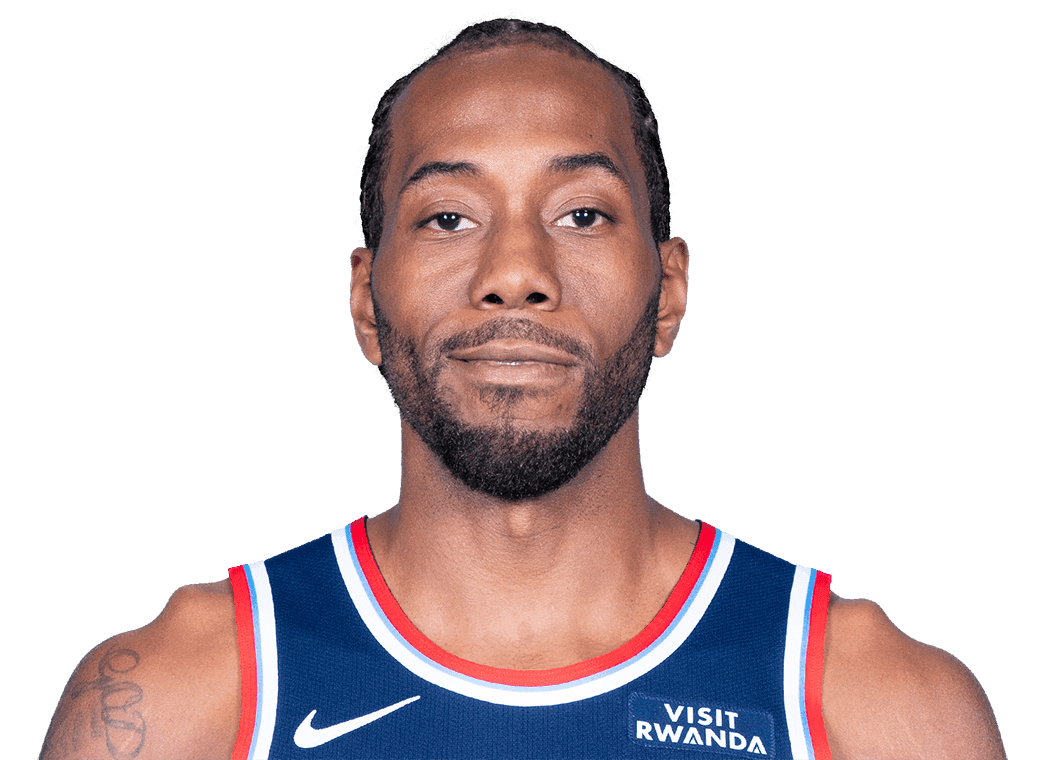
Kawhi Leonard
#2 · Forward
28.5
PPG
9.8
RPG
4.2
APG
1.7
STL
49.5
FG%
Kawhi Leonard was traded to Toronto in the summer of 2018 — a gamble the basketball world questioned openly. One year later, he was lifting the Larry O'Brien Trophy in Oakland. His 2019 Finals performance was a masterclass in controlled dominance: 28.5 points, 9.8 rebounds, and 4.2 assists per game, delivered against a Warriors team that had won three of the last four championships. Leonard did not defer in high-pressure moments and did not panic when the series tightened. He was the reason Game 6 stayed winnable when Golden State's crowd roared and the stakes reached maximum weight. In a franchise that had never won a championship, on a team led by a first-year head coach, Kawhi Leonard was the undeniable center of everything — the player who made all the right answers possible.
Became the first player in NBA history to win Finals MVP with two different franchises (2014 San Antonio, 2019 Toronto)
Averaged 28.5 PPG, 9.8 RPG, and 4.2 APG across 6 Finals games — the most complete statistical Finals performance of any Raptor ever
His "shot heard around the world" buzzer-beater against Philadelphia in Game 7 of the second round defined the entire 2019 postseason before the Finals even began
Played the entire 2018-19 season with load management but was available and dominant for every Finals game that mattered
How the Series Unfolded
G1 · W
1–0
G2 · L
1–1
G3 · W
2–1
G4 · W
3–1
G5 · L
3–2
G6 · W
4–2
118
TOR
109
GSW
The 2019 NBA Finals opened in Toronto — the first Finals game ever played on Canadian soil — and the Raptors immediately announced that they were not going to be intimidated by the team that had won three of the previous four championships. Pascal Siakam delivered a performance so efficient it bordered on the absurd: 32 points on 14-of-17 shooting, attacking Golden State's defensive rotations with a combination of speed, footwork, and athleticism that the Warriors had no answer for in the game plan. Kawhi Leonard added 23 points and 8 rebounds, and Kyle Lowry controlled the game's tempo throughout, ending with 10 assists and the defensive pressure on Stephen Curry that would become the series' defining tactical element. Without Kevin Durant — sidelined with a calf injury — Golden State leaned on Curry, who scored 34 points but could not overcome the collective force that Nick Nurse's team brought from the opening tip. Scotiabank Arena was deafening. The atmosphere was unlike anything the building had ever produced. We The North had arrived on the Finals stage.
Toronto Raptors
Pascal Siakam
32 pts · 8 reb · 14-17 FGThe Most Improved Player announced himself on the Finals stage with the most efficient shooting performance by any player in a Finals opener in the shot-clock era.
Kawhi Leonard
23 pts · 8 reb · 4 astThe quiet engine — efficient, physical, and decisive — setting the tone for the series without ever needing to dominate the box score to dominate the game.
GSW
Stephen Curry
34 pts · 7 reb · 4 astCurry carried Golden State's entire offensive burden without Durant and kept the Warriors competitive, but 34 points wasn't enough to solve what Toronto brought.
104
TOR
109
GSW
Golden State equalized the series in Toronto, responding to the Game 1 shock with a more collective and disciplined performance that exposed Toronto's perimeter defense in ways the first game had not. Klay Thompson was the primary weapon: 25 points on efficient three-point shooting from positions that Toronto's switching defense left open when it prioritized Curry's drives. Draymond Green orchestrated Golden State's ball movement with the complete-game mastery that makes him uniquely valuable — 10 points, 14 rebounds, and 9 assists, functioning as the nervous system of everything the Warriors ran. Kawhi Leonard was exceptional again — 34 points, 14 rebounds, and 7 assists — but Toronto's secondary contributors could not match the firepower that Golden State generated off their motion offense. Nick Nurse's defensive adjustments between games would become essential heading back to Oakland.
Toronto Raptors
Kawhi Leonard
34 pts · 14 reb · 7 astAn extraordinary performance in a losing effort — Leonard was the only reason the Raptors stayed competitive, and his 34-14-7 line is one of the great individual Finals performances by a player on the losing team.
GSW
Klay Thompson
25 pts · 6 reb · 4-9 from threeThompson's perimeter shooting found the openings in Toronto's switching coverage and gave Golden State the scoring balance they needed when Curry was the focus of defensive attention.
Draymond Green
10 pts · 14 reb · 9 astNear triple-double that orchestrated the Warriors' offense and anchored their switching defense — Green at his complete-game best, doing everything the score sheet barely captures.
123
TOR
109
GSW
Oracle Arena in the Finals had been a house of nightmares for visiting teams for the better part of five years. Toronto walked in and won by 14. Kawhi Leonard led with 30 points and 7 rebounds, attacking the basket with the directness and power that Golden State's defense consistently struggles to contain when a forward is physically stronger than every perimeter defender they deploy. Kyle Lowry was outstanding in this game — 23 points and 7 assists — bringing the kind of scoring contribution that took pressure off Leonard and prevented Golden State from loading up defensively. Danny Green hit multiple threes, Fred VanVleet contributed in the second half, and the entire Toronto defense held Stephen Curry to a maddening 47 points on an absurd shot diet — Curry scored more than anyone on the court and the Warriors still lost by 14, which said everything about how collectively dominant the Raptors were that night.
Toronto Raptors
Kawhi Leonard
30 pts · 7 reb · 4 astPhysical and decisive at Oracle — Leonard attacked the basket with authority and converted at the rim against Golden State's interior defense in a road environment that had ended so many teams' playoff runs.
Kyle Lowry
23 pts · 7 ast · 4 rebThe point guard who made Toronto — delivering his best scoring game of the series in Oracle Arena with the composure of a man who had been preparing for this moment for nine professional seasons.
GSW
Stephen Curry
47 pts · 8 reb · 7 astOne of the great individual performances in Finals history — 47 points that simply were not enough. The Warriors lost by 14 despite Curry's heroics, which captured the magnitude of Toronto's collective superiority that night.
105
TOR
92
GSW
If Game 3 announced that Toronto could win in Oakland, Game 4 confirmed it with authority. The Raptors dismantled Golden State at Oracle Arena to take a 3-1 series lead — a position from which no team in Finals history had come back against a team as organized and capable as Nick Nurse's Raptors. Kawhi Leonard was the engine: 36 points, delivered with the same physical efficiency that had defined his entire postseason — mid-range jumpers falling over outstretched hands, drives finishing through contact, free throws converting when Golden State had no other option. Pascal Siakam added 19 points and 9 rebounds, and Toronto's defense held the Warriors to 92 points — the lowest output by any Golden State team in the four consecutive Finals appearances that had defined the dynasty. The Raptors were one win from a championship. The arithmetic was overwhelming. The basketball was even more so.
Toronto Raptors
Kawhi Leonard
36 pts · 12 reb · 4 astA championship-level performance in the building where dynasties are made — 36 points that felt inevitable in their accumulation, relentless in their execution, and exactly right for the stakes.
Pascal Siakam
19 pts · 9 reb · 4 astThe secondary anchor who prevented Golden State from focusing entirely on Kawhi — Siakam's physicality against Green and Thompson's defensive rotations created the mismatches that Toronto needed.
GSW
Stephen Curry
27 pts · 5 ast · 9-22 FGCurry competed with maximum effort but Toronto's collective defense — switching, communicating, and contesting every shot — turned even the world's best shooter into a below-his-ceiling performance.
105
TOR
106
GSW
Game 5 will be studied for what happened to Golden State as much as for what Toronto could not complete. Kevin Durant — sidelined since the end of the first round with a calf injury — returned to the court to give the Warriors a fighting chance at avoiding elimination. He scored 11 points in just under 12 minutes, looking like himself, playing with the fluidity that made him the most versatile offensive player on earth. Then he planted his foot, pushed off, and grabbed his right leg. The Achilles was gone. Durant left the court in silence — both arenas, the one in Toronto and the ones watching worldwide, absorbing the weight of what had just happened. Klay Thompson then took over the game: 28 points, pulling Golden State from a deficit, keeping the Warriors alive. But Thompson, too, left the game in the fourth quarter with a hamstring injury after converting two crucial free throws. Golden State held on 106-105, surviving on pure will and refusing Toronto's chance to clinch. The basketball world processed what it had witnessed. The Raptors regrouped for Oakland.
Toronto Raptors
Kawhi Leonard
26 pts · 7 reb · 6 astAnother dominant performance that almost clinched the championship — Leonard's 26 points were not quite enough to overcome a Warriors team that refused to concede history quietly.
GSW
Klay Thompson
28 pts · 9 reb · 5-10 from threeThompson's 28-point performance carried Golden State through a game that was decided on the thinnest of margins — he left with a hamstring injury after converting the free throws that mattered most.
Kevin Durant
11 pts · 3 reb · DNF (Achilles)Returned from a calf injury to play 12 minutes of brilliant, healthy basketball — then suffered a ruptured Achilles tendon that ended his season and reshaped his future. One of the most consequential moments in modern Finals history.
114
TOR
110
GSW
The last game at Oracle Arena. Golden State's home for six seasons, the building where the dynasty was assembled, where the records were broken, where the championship parades began. The Raptors came in without Durant, against a Warriors team playing on adrenaline and pride and the refusal to let history end in someone else's building. For a quarter and a half, Golden State made it uncomfortable — the crowd roaring, the shots falling, the belief in the building that one more resurrection was possible. Then Toronto asserted itself. Kawhi Leonard, 22 points and 9 rebounds, physical and unflappable. Pascal Siakam, 26 points, attacking the Warriors' weakened interior with the same ferocity he had shown all series. Fred VanVleet hit back-to-back threes that gave Toronto breathing room. The lead held. Klay Thompson tore his ACL on a landing in the fourth quarter — another devastating injury in a game already shadowed by what had happened to Durant — but the Raptors did not stop. Final: 114-110. Toronto Raptors, NBA Champions. For the first time. For Canada. For every kid who ever watched the Raptors and believed it was possible.
Toronto Raptors
Pascal Siakam
26 pts · 10 reb · 4 astThe Cameroonian who came to basketball late and arrived at the championship with 26 points and 10 rebounds in a clinching game on the road — a performance that completed one of the great developmental arcs in recent NBA history.
Kawhi Leonard
22 pts · 9 reb · 6 astFinals MVP-clinching performance: efficient, decisive, and unshakeable in the building where the most dominant dynasty of his era had built its legend. Kawhi Leonard won in their house.
Fred VanVleet
22 pts · 5 ast · 4-8 from threeThe undrafted guard from Wichita State who hit the back-to-back threes that sealed Oracle Arena's final chapter — 22 points in the most important game of his career.
The Champions
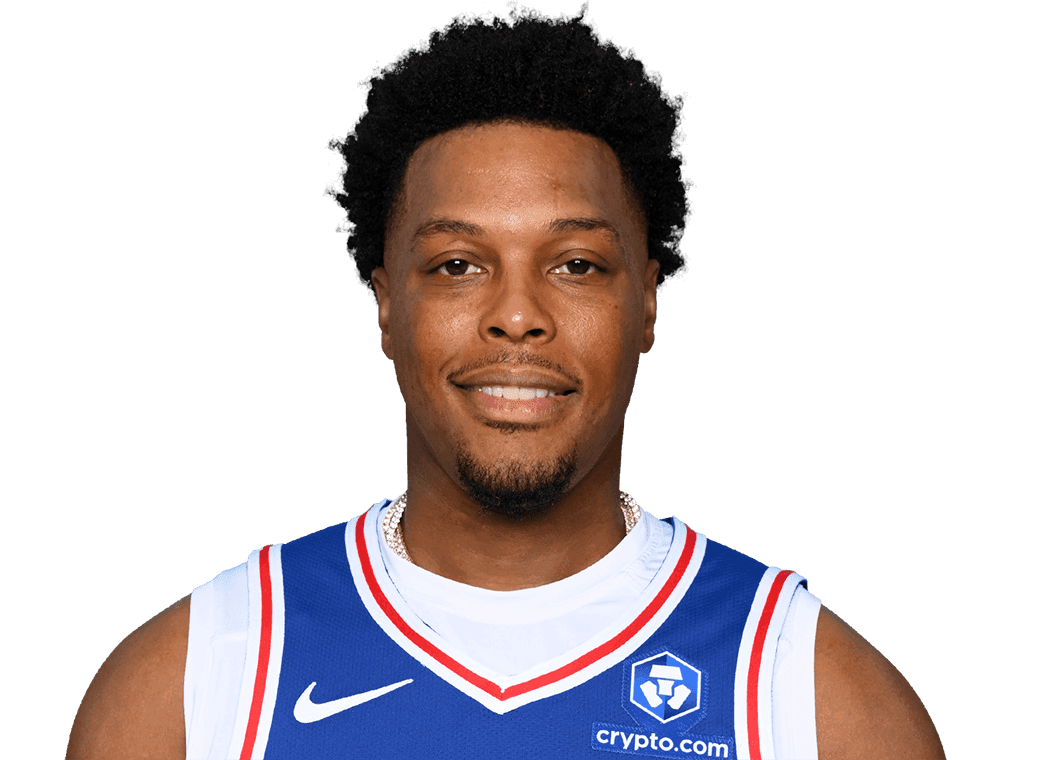
Kyle Lowry
#7 · Guard
8.7
PPG
7.4
APG
4.7
RPG
1.5
STL
Kyle Lowry had waited nine years for this. Nine seasons of building Toronto from nothing, of competing in playoff series that always ended one round too soon, of proving to a skeptical basketball world that a franchise in Canada could produce something real. In the 2019 Finals, Lowry was not the leading scorer — that was Kawhi's role — but his fingerprints were on every winning possession. His defensive pressure forced turnovers. His pick-and-roll orchestration put shooters in position. His leadership in the locker room steadied a team that had never been this far. When the final buzzer sounded in Oakland, the image of Kyle Lowry in tears on the court told the whole story of what this championship meant to the man who had carried Toronto's basketball identity on his back for almost a decade.
First NBA Champion in nine professional seasons — the defining achievement of a career spent building Toronto into a genuine contender
Averaged 7.4 APG in the Finals — the highest assists per game of any Raptor in the series, orchestrating the offense that balanced Kawhi's individual creation
His defensive intensity against Stephen Curry across six games was the tactical counterpart to Kawhi's offensive dominance
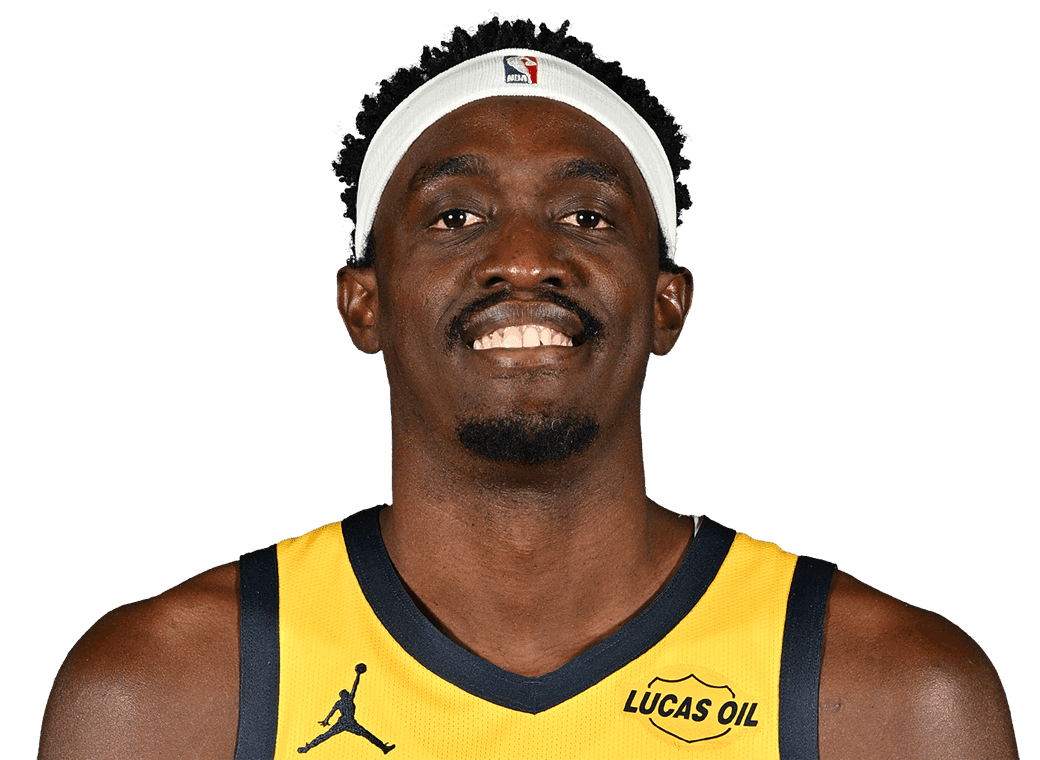
Pascal Siakam
#43 · Forward
19.8
PPG
7.8
RPG
3.5
APG
52.1
FG%
Pascal Siakam's Game 1 performance — 32 points on 14-of-17 shooting — announced to the basketball world that the Warriors had a second problem they had not fully prepared for. Siakam, the Most Improved Player that season, went after Golden State's interior defense with a combination of speed and physicality that no defensive scheme could comfortably solve. He was not a sidekick in this series — he was Toronto's second star, the forward who forced Golden State to choose which Toronto threat to prioritize on every possession. Averaging 19.8 PPG and 7.8 RPG across the Finals, Siakam justified everything the Raptors had invested in his development from an undrafted prospect in Cameroon to a championship contributor against the dynasty team.
Game 1 masterpiece — 32 points on 14-of-17 shooting, the highest field goal percentage of any player in a Finals opener in the shot-clock era
Averaged 19.8 PPG across the series — the highest scoring average of any Raptor other than Kawhi Leonard
Became the second player from Cameroon to win an NBA championship, following Luc Mbah a Moute
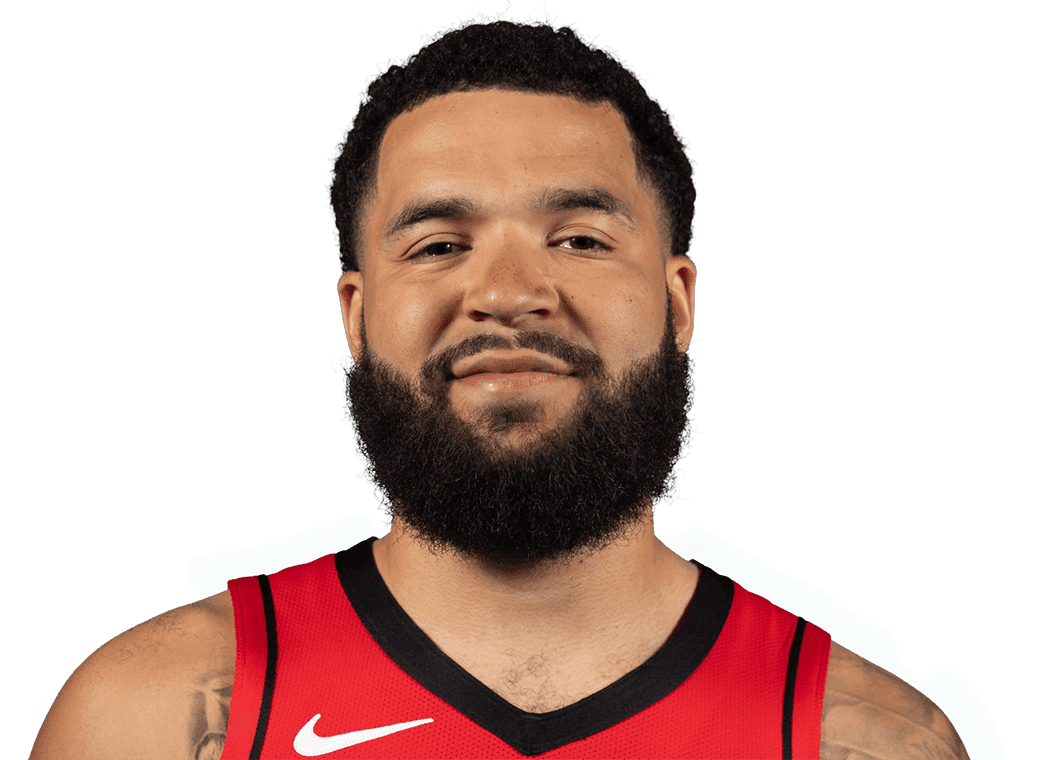
Fred VanVleet
#23 · Guard
9.3
PPG
4.8
APG
37.5
3P%
1.5
STL
Fred VanVleet's 2019 Finals story is the kind that gets passed down through generations of basketball fans. Undrafted out of Wichita State in 2016, VanVleet had earned every minute of his Raptors career through professionalism, shooting, and defensive intensity. In the Finals, he emerged as Toronto's most impactful secondary guard — hitting key threes in Games 3 and 6, providing defensive pressure on the Warriors' ball-handlers, and delivering the steadiness of a player who had decided nothing about Oracle Arena was going to intimidate him. His second-half performance in Game 6 was particularly significant, as VanVleet knocked down back-to-back threes that helped seal the championship in the building where Golden State had won two of the previous four titles.
Undrafted in 2016, NBA Champion in 2019 — one of the great perseverance narratives in recent Finals history
Critical three-point shooting in Games 3 and 6 provided the perimeter spacing that opened lanes for Kawhi and Siakam to attack
His defensive composure in Game 6 at Oracle Arena — the most hostile environment in basketball — was among the most impressive individual performances of the series
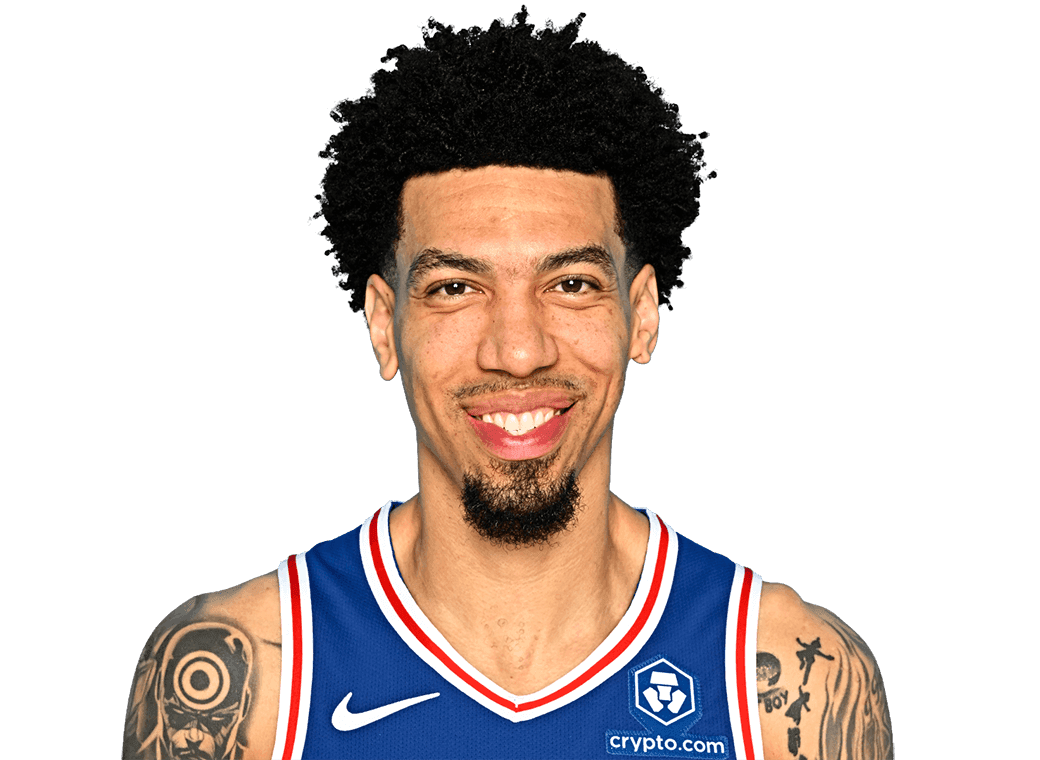
Danny Green
#14 · Guard
10.9
PPG
3.3
3PM
40.5
3P%
1.2
STL
Danny Green brought championship experience to a Raptors team that had none, and his three-point shooting was one of the primary tactical weapons Nick Nurse used against Golden State's switching defense. Making 3.3 threes per game at 40.5% across the Finals, Green provided the corner spacing that allowed Kawhi and Siakam to attack in straight lines without the defense collapsing. A two-time champion before 2019 — with San Antonio in 2014 alongside Kawhi — Green knew exactly what it took to execute under Finals pressure. His defensive versatility, three-point volume, and professional composure were three things the Raptors needed and three things Green delivered without question.
Three-time NBA champion (2014 San Antonio, 2019 Toronto, 2020 Los Angeles Lakers) — won with Kawhi Leonard in San Antonio and Toronto
Made 3.3 threes per game at 40.5% — the shooting production that kept Golden State's defense from collapsing into the paint on every possession
Became one of only a handful of players to win championships with three separate franchises in NBA history
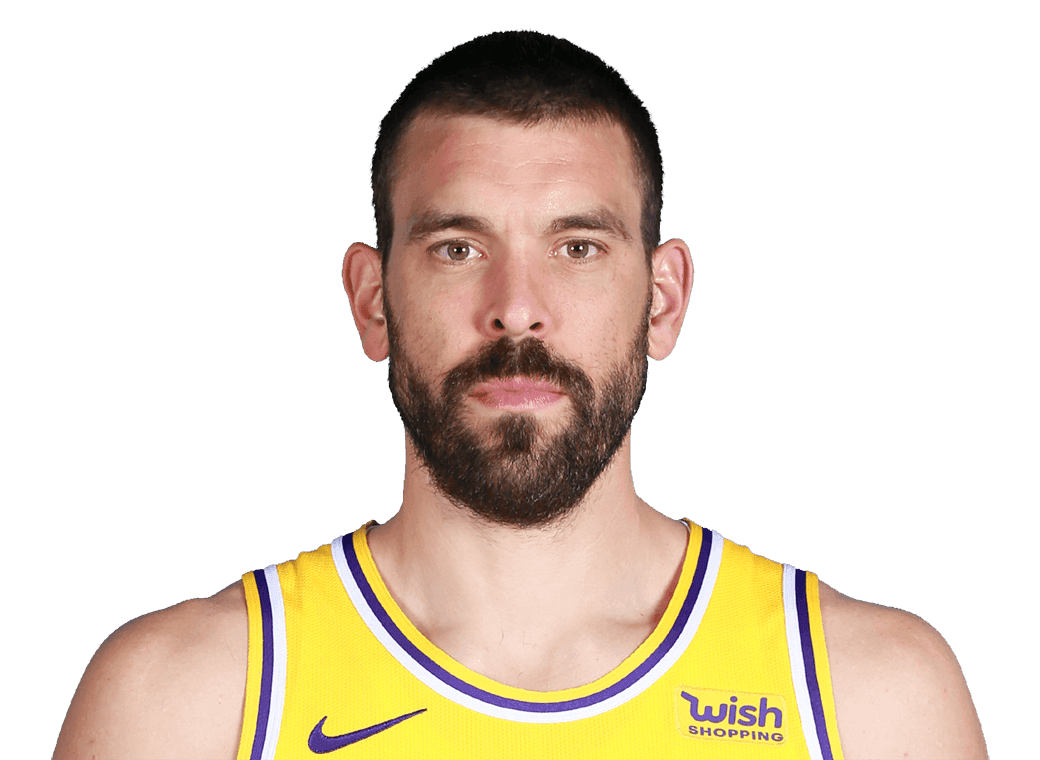
Marc Gasol
#33 · Center
7.3
PPG
4.8
RPG
3.5
APG
0.8
BLK
Marc Gasol was the chess piece that made Toronto's defense coherent. Acquired in a mid-season trade from Memphis, Gasol brought the defensive IQ of a former Defensive Player of the Year to a team that needed someone to anchor the interior while Kawhi roamed. His ability to communicate the defense, set the coverage for every screen, and make the right decision in the pick-and-roll — whether to hedge, drop, or switch — was essential to limiting Golden State's legendary offensive movement. Offensively, his seven points and 3.5 assists per game understate his value: Gasol made the reads that created open looks for the shooters around him, and his passing from the high post was one of the most important tactical elements in Nick Nurse's championship system.
Traded from Memphis in February 2019 — a mid-season acquisition that proved immediately transformative for Toronto's defensive identity
His defensive leadership as a former Defensive Player of the Year anchored the scheme that held Golden State's historically prolific offense below their regular-season averages
First Spanish player to win an NBA championship as a key contributor — a career achievement alongside his 2010 FIBA World Championship with Spain
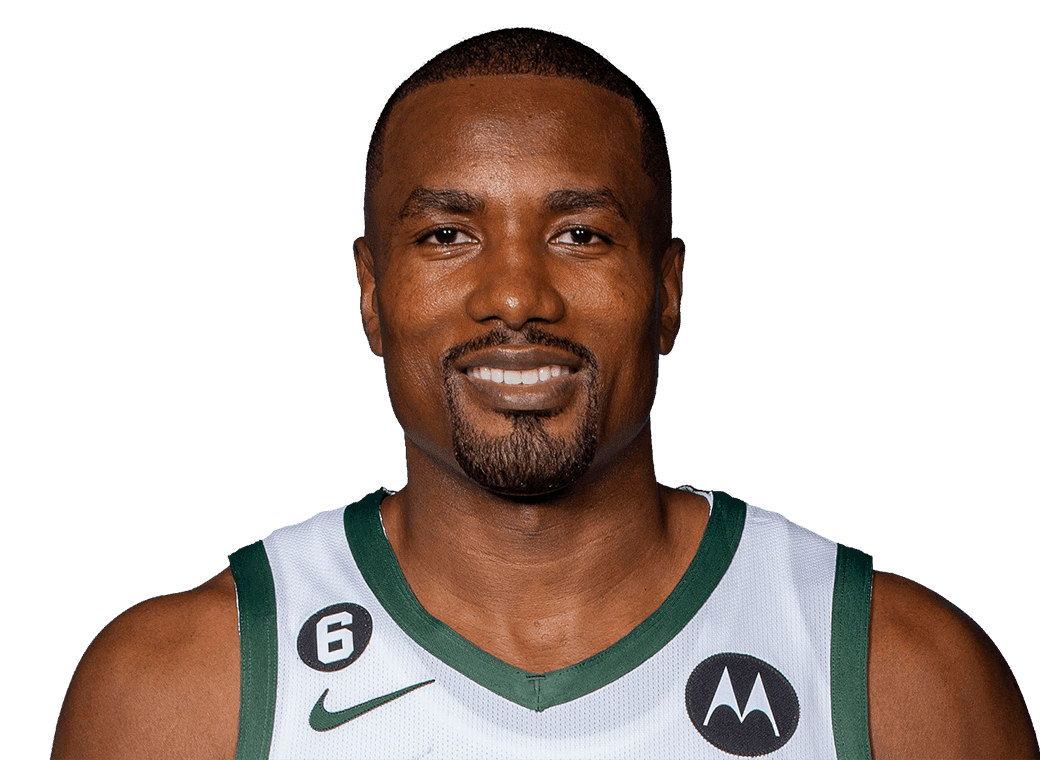
Serge Ibaka
#9 · Center
8.2
PPG
5.5
RPG
1.2
BLK
54.3
FG%
Serge Ibaka provided Toronto with the second interior option that prevented Golden State from loading up defensively on Marc Gasol in the starting lineup. His shot-blocking, physical interior defense, and efficiency as a finisher around the rim gave Nick Nurse the ability to play different combinations against Golden State's various lineup configurations. Born in the Republic of Congo and raised between Africa and Spain, Ibaka had already established himself as one of the elite shot-blockers of his generation before arriving in Toronto. His 2019 championship was both a personal triumph and a reflection of the remarkably international character of the Raptors' championship roster.
Shot-blocking presence (1.2 BPG) provided the interior deterrence that complemented Gasol's defensive IQ and coverage
Shot 54.3% from the field — exceptional efficiency from a center competing against Golden State's athletic defensive bigs
Part of one of the most internationally diverse championship rosters in NBA history — the 2019 Raptors featured players from 13 different countries
They Pushed Us to the Limit
The 2018-19 Golden State Warriors entered the Finals as three-time defending champions and the most decorated franchise of the decade — four Finals appearances in four years, three Larry O'Brien trophies, a roster that had redefined how basketball was played. They had survived a brutal Western Conference bracket without Kevin Durant for significant stretches, relying on Stephen Curry's historic individual brilliance and Klay Thompson's elite shooting to hold the dynasty together. When Durant returned in Game 5 and tore his Achilles — and Thompson suffered a hamstring and then ACL injury — the Warriors faced circumstances that no championship organization could fully prepare for. They fought with extraordinary courage across six games. The dynasty's ending was not surrender; it was the arithmetic of injuries and the excellence of a Toronto team that deserved exactly what it earned.
Stephen Curry
#30 · Guard
30.5
PPG
6.2
RPG
6.0
APG
Curry averaged 30.5 PPG — the highest scoring average for a player on the losing team in Finals history — carrying Golden State's entire offensive burden for most of the series with the full weight of championship defense aimed at him.
Klay Thompson
#11 · Guard
21.2
PPG
4.2
RPG
38.1
3P%
Thompson's 28-point Game 5 kept the Warriors alive before a hamstring injury removed him — and his return in Game 6 ended with a torn ACL on a landing, the second devastating injury to Golden State in consecutive games.
Draymond Green
#23 · Forward
10.8
PPG
10.7
RPG
8.0
APG
The architect of the Warriors' offensive and defensive systems — near triple-double averages across six games, making the right play every possession and holding the dynasty together as injuries systematically depleted his teammates.
Kevin Durant
#35 · Forward
DNP / 11
PPG
3
RPG
1
APG
Durant played 12 minutes of brilliant basketball after returning from a calf injury in Game 5 before suffering a ruptured Achilles tendon — one of the most heartbreaking moments in Finals history, ending his Warriors tenure in the worst possible way.
History Written in 2019
Toronto Raptors
First NBA Championship in franchise history — the first championship won by a Canadian franchise in the 74-year history of the NBA.
Toronto Raptors
First NBA Finals game played on Canadian soil (Game 1, May 30, 2019) — a historic moment for basketball in Canada and the NBA's international growth.
Kawhi Leonard
First player in NBA history to win Finals MVP with two different franchises — 2014 with San Antonio Spurs and 2019 with Toronto Raptors.
Pascal Siakam
Game 1 performance (32 points on 14-of-17 shooting) was the most efficient shooting performance by any player in a Finals opener in the shot-clock era.
Stephen Curry
Averaged 30.5 PPG in the Finals — the highest scoring average for a player on the losing team in NBA Finals history, including a 47-point Game 3 performance.
Fred VanVleet
Became the first undrafted player to hit multiple three-pointers in a championship-clinching game since the NBA expanded to three-point range.
Toronto Raptors
The 2019 Raptors championship roster included players from 13 different countries — one of the most internationally diverse championship rosters in NBA history, befitting a franchise in Canada's largest city.
Nick Nurse
Became the first head coach in franchise history to win an NBA championship in his very first season as a head coach — only the second first-year head coach to win a championship since Larry Bird in 1998.
Beyond the Box Score
The summer of 2018 changed everything. The Toronto Raptors — a franchise that had spent 23 seasons without a Finals appearance — made one of the most controversial trades in their history, sending franchise icon DeMar DeRozan to San Antonio in exchange for Kawhi Leonard and Danny Green. The city was stunned. DeRozan, who had spent his entire career in Toronto and identified completely with the organization, had not been told about the trade before it happened. Leonard, for his part, had spent the 2017-18 season in a public dispute with the Spurs over the nature of his quad injury. He arrived in Toronto with questions trailing him: Was he healthy? Did he want to be there? Would he re-sign? None of those questions were answered immediately. But the basketball was.
Leonard was extraordinary from the moment the 2018-19 season began — when he was available, which was managed carefully through a load-management plan that kept him fresh for the games that mattered. His playoff run was one of the great individual postseason performances of the modern era, capped by the buzzer-beater that bounced four times on the rim against Philadelphia before falling through in Game 7 of the second round — a moment that the basketball world immediately understood was something singular, unrepeatable, and absolutely real. By the time the Raptors reached the Finals, Leonard had already cemented his legacy as one of the ten best players alive. The question was whether he could win a championship in the building where Golden State had made it look inevitable.
The Finals itself was shaped as much by injury as by basketball. Kevin Durant's Achilles rupture in Game 5 — while returning from a calf injury that had kept him out for most of the playoffs — was one of the most devastating moments in recent Finals history. Klay Thompson's torn ACL in Game 6 compounded what had already become a night of grim significance. But the basketball world would be wrong to attribute the Raptors' championship solely to those injuries. Toronto won Game 1 before Durant was back. They won Games 3 and 4 at Oracle Arena against a healthy Warriors team. They built a 3-1 series lead through collective brilliance, defensive execution, and the individual excellence of Kawhi Leonard and Pascal Siakam. The injuries changed the character of the final two games. They did not change the outcome of the series.
June 13, 2019, was the last game at Oracle Arena — the building that housed the Warriors' dynasty, the arena where the records were set and the championships were celebrated. Golden State played their final game in that building against a team that had earned the right to take it from them. The Raptors won 114-110. They flew home to Toronto, where hundreds of thousands of fans — estimates exceeded a million for the parade — gathered to celebrate something that 26 years of franchise history had never produced. Kyle Lowry cried on the court. Kawhi Leonard lifted the trophy. Pascal Siakam, born in Cameroon with no basketball background, had 26 points and 10 rebounds in the clinching game. Nick Nurse, in his first year as a head coach, had won a championship. We The North was a statement that turned out to be true.
The Full Story
There is a trade that changed basketball in Canada, and it happened on July 18, 2018. DeMar DeRozan — the man who had spent his entire career in Toronto, who understood the city and loved the city and who the city loved back — was traded to San Antonio for Kawhi Leonard. The reaction was immediate and visceral. Toronto fans who had watched DeRozan grow from a teenager into a franchise player felt the weight of something ending. And they were right that something ended. What they could not yet know was what was about to begin.
Kawhi Leonard played 60 games in the regular season and was extraordinary in all of them. He was managed carefully — the load management plan the Raptors implemented drew criticism from traditionalists who believed players should play every game — but the results were apparent by spring. When the playoffs arrived, Leonard turned into something else. He went through Orlando, Philadelphia, and Milwaukee — three genuine playoff teams — with the methodical efficiency of a player who was operating at a level above every opponent he faced. The buzzer-beater against Philadelphia — four bounces on the rim, an entire arena holding its collective breath, and then the ball falling through — was the moment the basketball world understood that 2019 was Kawhi Leonard's postseason, and that Toronto was going to the Finals.
The Finals against Golden State was everything the sport promised it would be and something more. Pascal Siakam announced himself with 32 points in Game 1. Kyle Lowry orchestrated the defense and the tempo. Fred VanVleet — undrafted, overlooked, and absolutely unafraid — hit shots in Oracle Arena when the series required them. Danny Green and Marc Gasol provided the championship experience that a first-year head coach and a roster without Finals history needed alongside its superstars. And Nick Nurse — in his first season coaching an NBA team at any level — made every adjustment, every lineup decision, and every timeout call with the clarity of someone who had spent decades preparing for exactly this moment.
When the final buzzer sounded on June 13, 2019, in Oakland — in the last game Oracle Arena would ever host — the Toronto Raptors were NBA Champions. Kyle Lowry was on the floor in tears. Kawhi Leonard held the Larry O'Brien Trophy with both hands. In Toronto, a city that had waited 26 years and had sometimes stopped believing, a million people came downtown. We The North — the slogan the franchise had built its playoff identity around — turned out to be not marketing but geography, and not geography but something bigger: the belief that basketball was real in Canada, that a championship was possible, that the twenty-six years of trying had been worth exactly what they cost.
Share the Legacy
Send this page to a fellow Toronto Raptors fan. Let them relive every moment — game by game, play by play.