Cette page contient des liens affiliés. Nous pouvons percevoir une commission si vous achetez via ces liens, sans frais supplémentaires pour vous. As an Amazon Associate I earn from qualifying purchases.
The 2016 NBA Finals did not just give us a chase-down block and a step-back three — it changed the sport, and a decade later its fingerprints are on every part of professional basketball. The 2015-16 Warriors went 73-9, breaking the Bulls' wins record, then took a 3-1 series lead no team had ever overcome in the Finals. Cleveland, given under a 5% chance, overcame it: LeBron James posted 41/16/7 and 41/8/11 in Games 5 and 6 and a 27/11/11 triple-double in Game 7, becoming the only player in Finals history to lead both teams in points, rebounds, assists, steals, and blocks across a series. Kyrie Irving's three sealed a 93-89 Game 7 and Cleveland's first title in 52 years. The reverberations followed: Kevin Durant's move to Golden State and the super-team era, a rethink of small-ball and switching, and a permanently reopened greatest-player debate.
The Setup: The Unstoppable Force
The 2015-16 Golden State Warriors finished the regular season 73-9, breaking the 1995-96 Chicago Bulls' record for wins in a season. Stephen Curry won his second consecutive MVP — the first unanimous selection in NBA history. The Warriors weren't just the best team that season. They were being discussed as the best team that had ever been assembled.
The Cleveland Cavaliers, led by LeBron James in his second year back from Miami, were good but not historically great. They won 57 games and cruised through the Eastern Conference. But they were widely considered underdogs in the Finals. Vegas agreed. Most analysts agreed. The consensus: Golden State's combination of shooting, switching defense, and depth was simply too much for a seven-game series.
The Collapse and The Comeback
The Warriors took a 3-1 series lead after Game 4. No team in NBA Finals history had ever come back from 3-1. The series appeared over. Sportsbooks set Cleveland's odds at less than 5%.
What followed was the most improbable three-game stretch in Finals history. LeBron James played Games 5, 6, and 7 at a level that may represent the single greatest sustained individual performance in basketball history:
- Game 5 (CLE 112, GSW 97): 41 points, 16 rebounds, 7 assists. LeBron outscored the Warriors' starting backcourt by himself.
- Game 6 (CLE 115, GSW 101): 41 points, 8 rebounds, 11 assists. The first player in Finals history with consecutive 40-point games since Shaquille O'Neal.
- Game 7 (CLE 93, GSW 89): 27 points, 11 rebounds, 11 assists. A triple-double in Game 7 of the Finals, plus The Block, plus the defensive stop on Curry in the final minute.
Across the full seven-game series, LeBron led both teams in every major statistical category: points, rebounds, assists, steals, and blocks. That had never happened before. It hasn't happened since.
LeBron James is the only player in NBA Finals history to lead both teams in all five statistical categories across a series. He did it against a team that won 73 games. He did it coming back from 3-1. These are not separate facts. They are the same fact, and it is unprecedented.
Ripple 1: Kevin Durant and the Super-Team Era
The Warriors' collapse directly triggered the most consequential free agency decision in NBA history. Kevin Durant — then with the Oklahoma City Thunder, fresh off blowing their own 3-1 lead against Golden State in the Western Conference Finals — signed with the Warriors that summer.
A top-five player joined a 73-win team. The basketball world had never seen anything like it. Durant's decision was motivated at least partly by what LeBron had exposed: the 73-9 Warriors had a vulnerability, and Durant's addition was designed to eliminate it.
It worked. Golden State won two of the next three championships with Durant. But the move also detonated the NBA's competitive ecosystem. If a top-five player could join a 73-win team, the old rules about competitive balance were permanently broken. The subsequent era of super-team formation — the Nets' Durant-Harden-Irving trio, the Clippers' Kawhi-Paul George pairing, the constant restructuring of rosters around star duos and trios — traces its philosophical origin to the precedent Durant set in response to the 2016 Finals.
Ripple 2: Roster Construction
The 2016 Finals also changed how teams think about building championship rosters. The Cavaliers' comeback exposed two specific vulnerabilities in Golden State's 73-win construction:
Small-ball's ceiling: The Warriors' "Death Lineup" — Draymond Green at center — was devastating in the regular season. But in the Finals, Cleveland's physicality and rebounding advantage neutralized small-ball's spacing benefits. The lesson reverberated for a decade: pace and shooting win regular seasons, but playoff series require size and physicality to survive seven games against elite competition.
Defensive switching limits: LeBron's ability to attack any defender through switching exposed the need for rosters where every player can defend multiple positions credibly. "Positionless basketball" accelerated after 2016 partly because teams recognized they needed five players who could handle LeBron-level isolation attacks through switches.
Ripple 3: The GOAT Debate
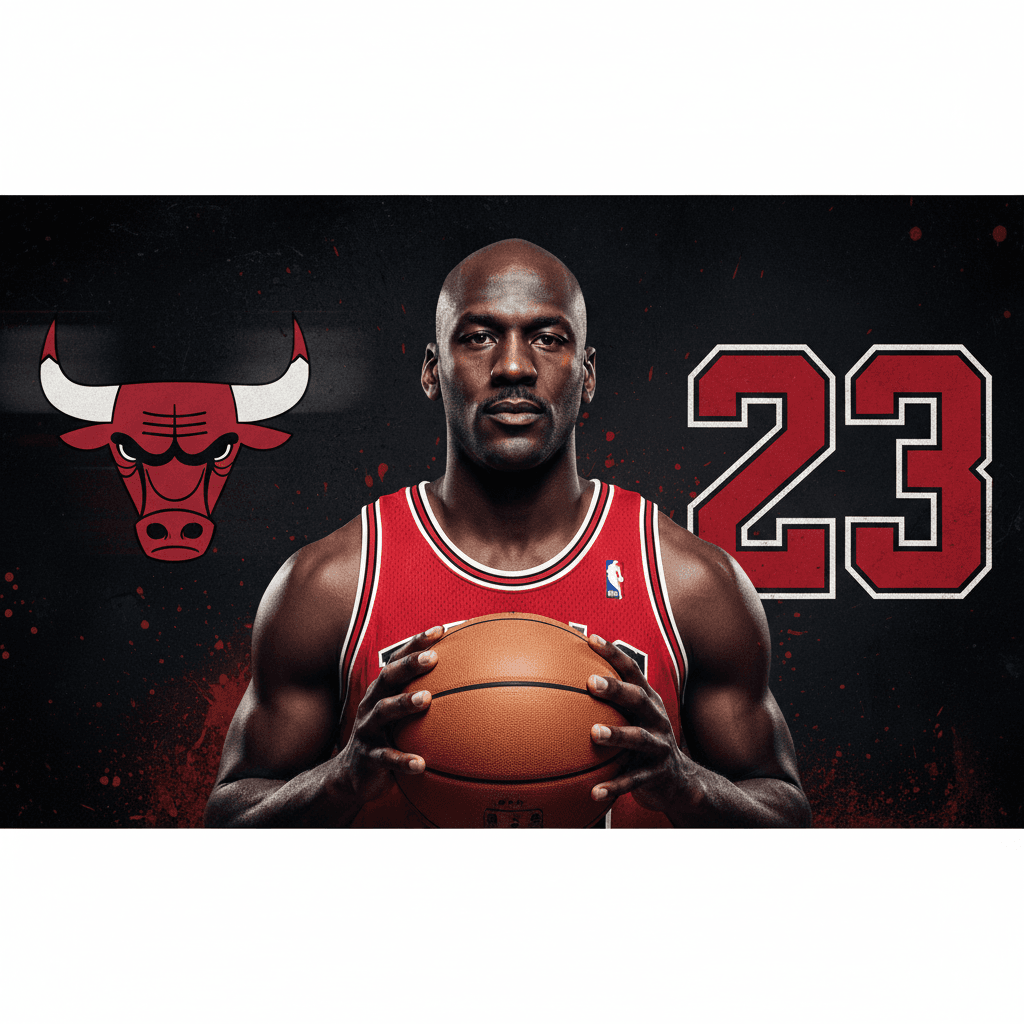
Before the 2016 Finals, the greatest-player conversation wasn't much of a conversation. Michael Jordan: six championships, six Finals MVPs, zero Game 7s in the Finals. The case was essentially closed.
The 2016 Finals reopened it. Not because LeBron's resume surpassed Jordan's in counting numbers — it didn't, not yet — but because the nature of the achievement introduced a new variable. Jordan never faced a challenge of this specific magnitude: a 3-1 deficit against the greatest regular-season team ever assembled, in a Game 7 on the road. The question shifted from "who won more?" to "who overcame more?"
Whether you rank LeBron first or second all-time, the 2016 Finals is the series that made the debate legitimate. One three-game stretch in June 2016 changed the greatest-player conversation permanently.
A Decade Later
Ten years after the 2016 NBA Finals, its fingerprints are on every aspect of professional basketball. Player empowerment. Super-team construction. Roster-building philosophy. Defensive switching schemes. The definition of greatness itself.
Great sporting events entertain. They give us moments to remember — a chase-down block, a step-back three, the sound of a city erupting after 52 years of waiting. Transformative sporting events change the sport itself. The 2016 NBA Finals did both. And the basketball world is still reckoning with what those seven games set in motion.
Cette analyse vous plaît ?
Recevez davantage d'analyses comme celle-ci dans votre boîte mail.