Cette page contient des liens affiliés. Nous pouvons percevoir une commission si vous achetez via ces liens, sans frais supplémentaires pour vous. As an Amazon Associate I earn from qualifying purchases.
Ask a recreational player how they train conditioning and you usually get one of two answers — steady-pace distance running, or nothing — and neither one is basketball conditioning. Basketball is a high-intensity intermittent sport: roughly 14-second possessions, 40-50 maximal sprints per game lasting 2-4 seconds, an approximate 1:7 work-to-rest ratio. This article explains what game fitness actually is and how to train it. The aerobic base still matters — it powers recovery between sprints — but it should be built with cardiac-output work, not recreational mileage. Repeated sprint ability is the core protocol: short full- or half-court sprints with 20-30 second walking recovery, 8-10 per set, sprint quality the critical variable. It argues on-court conditioning (the 17s drill, full-court slides, shooting sprints) beats off-court running because it builds the specific movement patterns the game demands, and it explains why in-season conditioning is a recovery problem, not a fitness-building one.
What Basketball Actually Demands
Research on NBA game demands (published across multiple studies in the Journal of Strength and Conditioning Research and the International Journal of Sports Physiology and Performance) consistently shows:
- Players cover 3.5-5.5 miles per game, depending on position and playing time
- The vast majority of this distance is walked or jogged — but the intensity peaks are frequent and high
- Players perform 40-50 maximal effort sprints per game, each lasting 2-4 seconds
- The average work-to-rest ratio is approximately 1:7 — short high-intensity bursts followed by longer moderate-intensity recovery
- Court speed (sprinting) decreases by approximately 5-10% from the first to the fourth quarter even in well-conditioned players
This profile looks nothing like steady-state running. It looks like interval training — specifically, repeated short maximal efforts with incomplete recovery. Which is exactly what game-specific conditioning should replicate.
The Aerobic Base Still Matters
This doesn't mean aerobic training has no place in basketball conditioning. The aerobic system performs a critical function in basketball: it is responsible for recovery between high-intensity efforts. Players with stronger aerobic bases recover faster between sprints, which means they can sprint closer to maximum intensity on the 40th sprint as on the 4th.
But aerobic base training for basketball should look different from recreational distance running. The most effective approach is cardiac output training — moderate intensity work (approximately 130-150 heart rate) sustained for 30-45 minutes. Cycling, rowing, or light jogging at this intensity builds aerobic capacity without the repetitive impact stress of higher-mileage running. Three sessions per week in the off-season builds the base; one session per week maintains it in-season.

The goal is not to become an endurance athlete. The goal is a large enough aerobic engine that your recovery between sprint efforts doesn't become the limiting factor in the fourth quarter.
Repeated Sprint Training: The Core Protocol
Repeated sprint ability — the ability to maintain sprint quality across many short efforts with short rest periods — is the most sport-specific fitness quality in basketball. Training it requires structuring your conditioning to replicate the demands of the game.
A basic repeated sprint protocol:
- Sprint distance: Full-court sprints (94 feet) or half-court sprints (47 feet)
- Sprint duration: 3-5 seconds (approximately the duration of a defensive transition or a fast break)
- Rest interval: 20-30 seconds of walking (replicating in-game recovery at the 1:6-1:7 work-to-rest ratio)
- Set structure: 8-10 sprints per set, 3 minutes rest between sets, 3-4 sets
- Frequency: 2-3 sessions per week in the off-season
The critical variable: sprint quality. Each sprint should be at 90%+ of maximum effort. If your sprint speed is degrading significantly by sprint 5 or 6, your rest intervals are too short or your sets are too long. The conditioning benefit comes from maintaining high-quality sprint mechanics under fatigue, not from accumulated low-quality volume.
On-Court vs. Off-Court Conditioning
The most time-efficient conditioning for basketball players is on-court conditioning — drills that develop skills and conditioning simultaneously. This isn't just convenience; on-court conditioning builds the specific movement patterns (cuts, slides, jumps, starts, stops) that basketball demands, while off-court running develops linear locomotion that doesn't directly transfer to court movement.
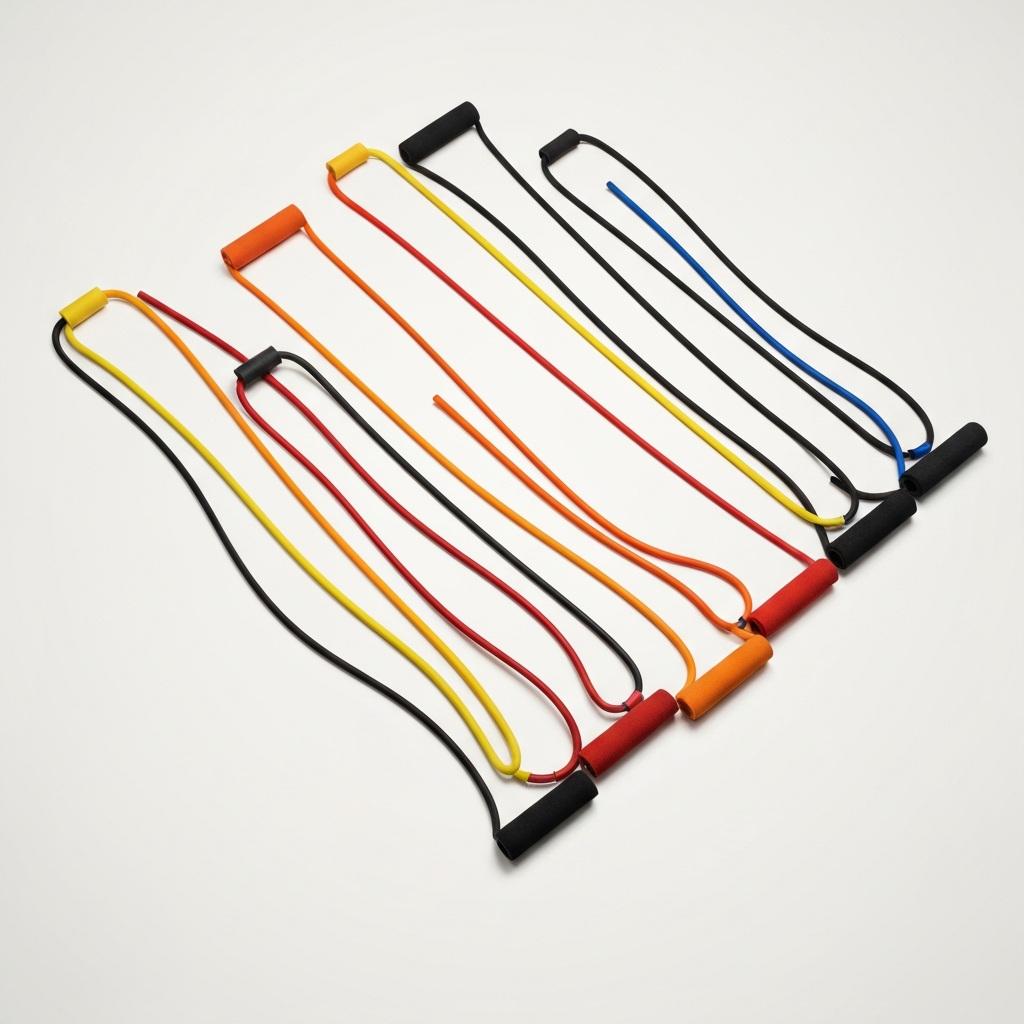
Effective on-court conditioning drills:
The 17s drill (used by NBA teams): Sprint baseline to baseline 17 times in under 60 seconds. The time standard varies by team and position (some teams use 60 seconds, others 62 or 65 depending on the player's position). This drill builds specific court running fitness while establishing a measurable benchmark for conditioning improvement.
Full-court defensive slides: Slide (not sprint) from baseline to baseline using proper defensive footwork. Three consecutive full-court slides without a break, then 30 seconds rest. The combination of specific movement mechanics with conditioning load builds functional defensive fitness rather than general fitness.
Shooting sprints: Sprint full-court, catch a ball at the wing from a coach, shoot a game-speed shot, sprint back. Repeat for 10 possessions with 15 seconds between each. This simulates the transition from full-effort running to the stillness required for shooting — one of the most specific basketball conditioning challenges — and develops both conditioning and shooting mechanics under fatigue simultaneously.
In-Season vs. Off-Season Conditioning
Conditioning periodization matters. The off-season (3-4 months before pre-season) is the time for significant conditioning work — high-volume sprints, aerobic base building, and establishing the fitness level that will sustain through a long season. This is when conditioning gains are made.
In-season, the goal shifts: maintain what you've built, and let games provide the conditioning stimulus. Most in-season conditioning failures happen when players try to add conditioning volume on top of game and practice loads, producing accumulated fatigue that degrades performance rather than improving fitness.
In-season conditioning: one cardiac output session per week (recovery focused), one repeated sprint session per week (short, maintenance-focused), and trust that games played at high intensity are doing the conditioning work. The in-season conditioning battle is usually recovery, not fitness building.
"The biggest conditioning mistake I see with developing players is they train for basketball fitness the way you'd train for a 5K. You're not building a marathon engine. You're building a sports car that can sprint, stop, sprint again, and recover fast. Those are different engines." — Strength and conditioning principle cited across professional basketball development programs
Cette analyse vous plaît ?
Recevez davantage d'analyses comme celle-ci dans votre boîte mail.