Cette page contient des liens affiliés. Nous pouvons percevoir une commission si vous achetez via ces liens, sans frais supplémentaires pour vous. As an Amazon Associate I earn from qualifying purchases.
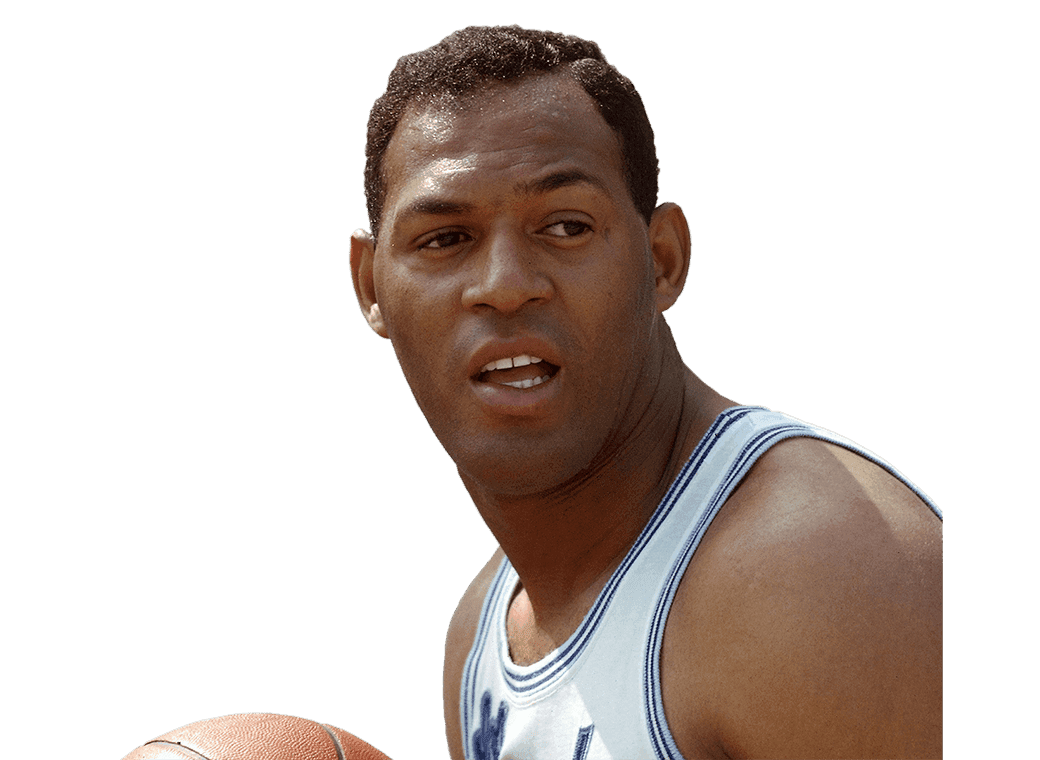
Elgin Baylor's #22 was the first number the Los Angeles Lakers ever retired, on November 3, 1983 — honored not just for what he scored but for what he invented. Drafted first overall by the Minneapolis Lakers in 1958, Baylor's impact was immediate and existential: the franchise had gone 19-53 and was on the verge of folding, and owner Bob Short admitted it would have ceased to exist without him. He averaged 24.9 points and 15.0 rebounds as a rookie, took the game into the air, and once scored 71 points with 25 rebounds against the Knicks. He reached eight NBA Finals and lost every one, seven to the Boston Celtics. Across fourteen seasons he was a 10-time All-NBA First Team selection and 11-time All-Star. The Lakers retired #22 because Baylor saved the franchise, relocated it to Los Angeles, and gave it everything he had for fourteen years.
Saving the Minneapolis Lakers
Baylor was drafted first overall by the Minneapolis Lakers in 1958, and his impact was immediate and existential. The Lakers had gone 19-53 the previous season. The franchise was on the verge of folding. Owner Bob Short later admitted publicly that without Baylor, the team would have ceased to exist.
In his rookie season, Baylor averaged 24.9 points and 15.0 rebounds (Basketball Reference, 1958-59 season), led the Lakers to the NBA Finals, and was named Rookie of the Year. A franchise that was dying found its heartbeat overnight.
When the Lakers relocated from Minneapolis to Los Angeles in 1960, Baylor was the marquee attraction. His high-flying, acrobatic style was a natural fit for the entertainment capital of the world. Los Angeles fell in love with basketball because of Elgin Baylor. Full stop.

The Scoring Records
Baylor's 1961-62 season produced one of the most statistically bewildering campaigns in history: 38.3 points and 18.6 rebounds per game (Basketball Reference) — video-game numbers. These are numbers that would lead the league in any era, in any context, under any pace adjustment.
He did this while serving in the United States Army Reserve.

Elgin Baylor could only play on weekends and during leave periods. He appeared in just 48 of 80 games that season. When he was available, he averaged 38.3 points and 18.6 rebounds. He maintained peak NBA performance while fulfilling active military duty. The mind rejects this as possible, but the box scores are there.
The Finals Heartbreak
Baylor's career is defined by one of sports' cruelest ironies: he reached the NBA Finals eight times and lost every single one. Seven of those losses came against the Boston Celtics dynasty. The universe seemed specifically designed to deny Elgin Baylor a championship ring.

The 1962 Finals went seven games. Frank Selvy missed a potential championship-winning shot at the buzzer in regulation of Game 7. The Lakers lost in overtime. Baylor had scored 61 points and grabbed 22 rebounds in an earlier game that series — a Finals record that still stands (Basketball Reference, 1962 NBA Finals). It didn't matter. The Celtics found a way.

1966 Finals: seven games. Loss. 1968 Finals: six games. Loss. Year after year, Baylor delivered extraordinary performances, and year after year, the Celtics answered.
The cruelest twist came in 1971-72. Baylor's knees had deteriorated after years of punishment. He retired nine games into the season. The Lakers then went on their historic 33-game winning streak and won the championship. Baylor never received a ring for that season. Always there for the struggle. Absent for the reward.

Why the Lakers Retired #22
The Lakers retired Baylor's #22 on November 3, 1983 — the first number the franchise ever honored. The decision was rooted in several truths: Baylor saved the franchise from extinction. He relocated it to Los Angeles. He established it as a destination for greatness. He produced 14 seasons of Hall of Fame performance — 10-time All-NBA First Team, 11-time All-Star, the co-architect of the Lakers' identity as a fast-paced, entertaining, winning organization.
But beyond the stats and accolades, the retirement honored loyalty. Baylor could have demanded a trade after the sixth Finals loss. After the seventh. His 10-time All-NBA First Team selections and 11-time All-Star appearances (Basketball Reference) speak to what he delivered through it all. He could have publicly blamed teammates or management. He never did. He showed up, performed at an elite level, and accepted the results with dignity that few athletes in any sport have matched.

The Lakers retired #22 because Elgin Baylor gave them everything he had for fourteen years. They owed him the only thing they could give back: a permanent place in the rafters, looking down on the franchise he saved.
Career statistics from Basketball Reference. Franchise history from the Lakers official site.

What to Read Next
Explore more: Jerry West's #44: Baylor's Partner | Wilt's #13: The Championship Baylor Missed | More Basketball Culture
Cette analyse vous plaît ?
Recevez davantage d'analyses comme celle-ci dans votre boîte mail.