
2017
Golden State Warriors
Series Flow
4
Wins
1
Losses
Regular Season
67–15
Win–Loss
Playoff Record
16–1
Win–Loss
Finals
4–1
vs Cleveland Cavaliers
Finals MVP
Durant
Kevin
Golden State Warriors
67–15Cleveland Cavaliers
51–31The Cavaliers returned to the Finals with the same core that had won in 2016, but faced a fundamentally different Warriors team — one that had added Kevin Durant to the equation. LeBron James's individual performances across the series were extraordinary, but the gap between the teams' collective talent was too wide for any individual to bridge.
Finals MVP
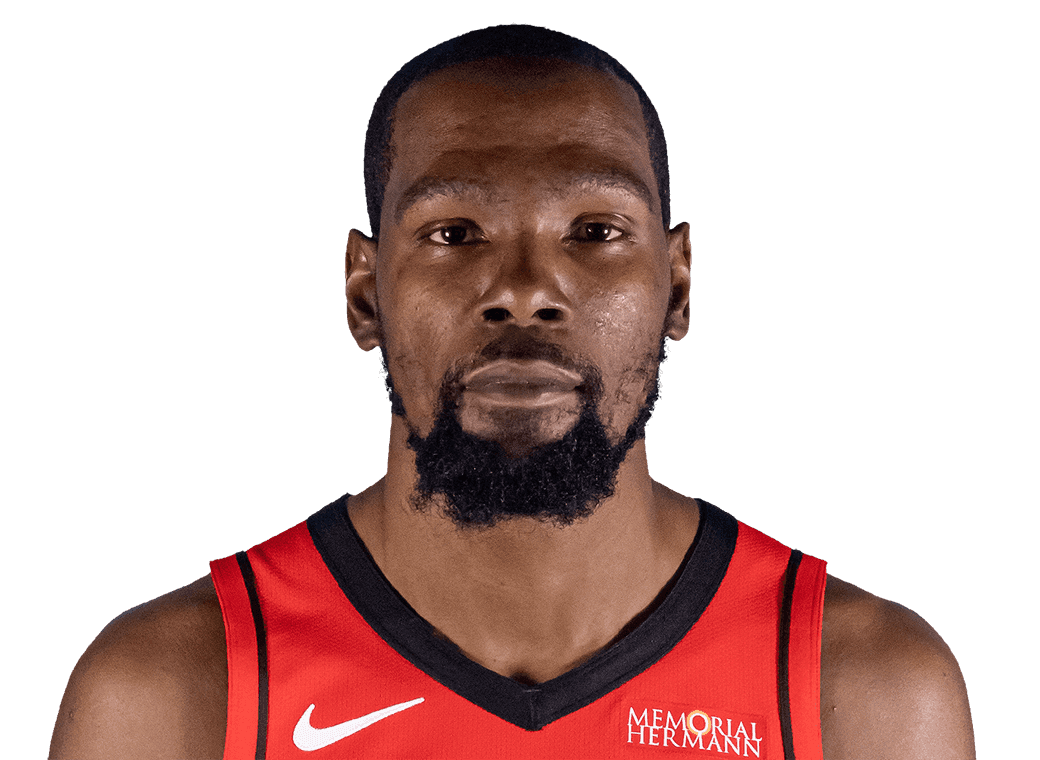
Kevin Durant
#35 · Small Forward
35.2
PPG
8.2
RPG
5.4
APG
1.8
BPG
55.6
FG%
Kevin Durant's Finals MVP performance was a declaration: the best scorer on the planet had joined the best team on the planet, and the results were exactly what basketball mathematics suggested they should be. His 35.2 points, 8.2 rebounds, and 5.4 assists per game while shooting 55.6% from the field and 47.4% from three was a Finals performance so efficient, so complete, that it silenced the debate about whether Durant's arrival had cheapened the dynasty. He had earned his first championship on the biggest stage.
NBA Finals MVP in his first season with the Warriors — silencing criticism of his departure from Oklahoma City
35.2 PPG on 55.6% shooting — one of the most efficient individual Finals performances in the three-point era
The first player since Shaquille O'Neal in 2000-02 to average over 35 PPG in the Finals
His Game 3 performance (31 pts on 62% shooting) in Cleveland's win proved his excellence was consistent regardless of outcome
How the Series Unfolded
G1 · W
1–0
G2 · W
2–0
G3 · L
2–1
G4 · W
3–1
G5 · W
4–1
113
GSW
91
CLE
The Warriors announced their intentions with a 22-point rout that was not as close as the final score suggested. Kevin Durant was devastating in his Finals debut — 38 points on 14-of-26 shooting, with the kind of mid-range mastery and face-up game that no single defender can contain. Cleveland's defense had no scheme for a 6'10" forward who can score from anywhere on the court with a guard's quickness. Oracle Arena erupted with every bucket.
Golden State Warriors
Kevin Durant
38 pts · 8 reb · 8 ast · 3 blkA statement Finals debut — his combination of scoring, passing, and shot-blocking gave the Warriors a dimension that Cleveland had simply never defended before.
Stephen Curry
28 pts · 10 astDouble-double in assists while scoring 28 — his gravitational pull on the defense opened the interior scoring opportunities that Durant exploited all game.
CLE
LeBron James
28 pts · 15 reb · 8 astAnother virtuoso performance from the game's greatest player — but this time his supporting cast's limitations were more glaring than his own brilliance.
132
GSW
113
CLE
If Game 1 was a statement, Game 2 was a demonstration: 132-113 in a game the Warriors led by over 20 points for extended stretches, with Curry scoring 32 on deep three-pointers that Cleveland's defense had no answer for. The Warriors' five-player offensive symphony — Durant, Curry, Thompson, Green, Iguodala — moved so precisely that it resembled choreography more than competition. The two-game series lead looked insurmountable.
Golden State Warriors
Stephen Curry
32 pts · 11 ast · 5 rebOrchestrated a masterpiece with deep threes and precision passing — 11 assists in a 132-point night meant almost every Golden State score had Curry's fingerprints on it.
Kevin Durant
33 pts · 7 reb · 6 astBack-to-back 30+ performances in the Finals — proving that his Game 1 was no accident and that Cleveland had no individual answer for his offensive creation.
CLE
Kyrie Irving
30 pts · 5 astLit up offensively in a losing cause — his 30 points provided the only sustained Cleveland offensive threat in a game that got away from the Cavaliers early.
116
GSW
137
CLE
The Cavaliers refused to go quietly. LeBron James and Kyrie Irving combined for 74 points in a historic night that gave Cleveland a win and briefly made the series interesting. The Warriors' defense had an uncharacteristically poor night — allowing 137 points was a number that did not fit the Golden State defensive identity — and the Cavaliers' home crowd was deafening. But one game could not change what the series had already revealed.
Golden State Warriors
Kevin Durant
31 pts · 7 reb · 6 astScored 31 in a loss — evidence that his dominance was consistent regardless of team result, and that the Warriors' defensive lapse was a correctable anomaly.
CLE
LeBron James
39 pts · 11 reb · 9 astCarried Cleveland in a must-win home game with one of his finest Finals performances — his near-triple-double gave the Cavaliers the spark they needed to delay the Warriors' coronation.
Kyrie Irving
38 pts · 6 astA performance that would preview his game-winning shot in 2016 — when Irving was hot, the Warriors had no reliable single-defender answer for his pull-up mastery.
118
GSW
113
CLE
The Warriors refused to let Cleveland breathe. After the Game 3 loss, Golden State came back to Cleveland's arena and re-established control with a five-point road victory that gave the Warriors a commanding 3-1 series lead. Durant's clutch shooting and Green's defensive orchestration proved that Golden State's Game 3 performance was an aberration rather than a trend.
Golden State Warriors
Kevin Durant
35 pts · 10 reb · 4 astThe dominant performance that restored order — his 35 points on the road, with the series implications clear, was the performance of a player who had come to win.
Draymond Green
10 pts · 12 reb · 7 ast · 3 stlOrchestrated the Warriors' defensive recovery from Game 3 with exceptional positioning and communication — the Cavaliers' 113 points were significantly below their Game 3 output.
CLE
LeBron James
31 pts · 10 reb · 7 astAnother 30-point performance from the unstoppable Cavaliers star — but the supporting cast could not provide enough to overcome Golden State's overwhelming depth.
129
GSW
120
CLE
Kevin Durant clinched his first NBA championship with 39 points in a dominant Game 5 performance at Oracle Arena. The Warriors won 129-120 in a game that was never in doubt once Golden State established its rhythm in the second quarter — their precision, depth, and offensive versatility overwhelming a Cleveland team that had given everything it had. When the final buzzer sounded, Durant fell to his knees and wept. The journey from Seattle's draft floor to the championship podium had taken a decade and a life-changing decision that the sport had debated endlessly. It ended with a championship and a Finals MVP trophy.
Golden State Warriors
Kevin Durant
39 pts · 7 reb · 5 ast · 3 blkChampionship-clinching performance of the highest order — 39 points in Game 5 to claim his first title and silence every critic with a Finals MVP performance that may not be surpassed.
Stephen Curry
34 pts · 10 ast · 6 rebA near triple-double in the championship clincher — his partnership with Durant produced the most complete offensive one-two combination the NBA had seen since the Showtime Lakers.
CLE
LeBron James
41 pts · 13 reb · 8 astAn extraordinary performance from the sport's greatest individual talent — 41 points in a losing Finals effort on the road, his personal standard maintained even as his team fell.
The Champions
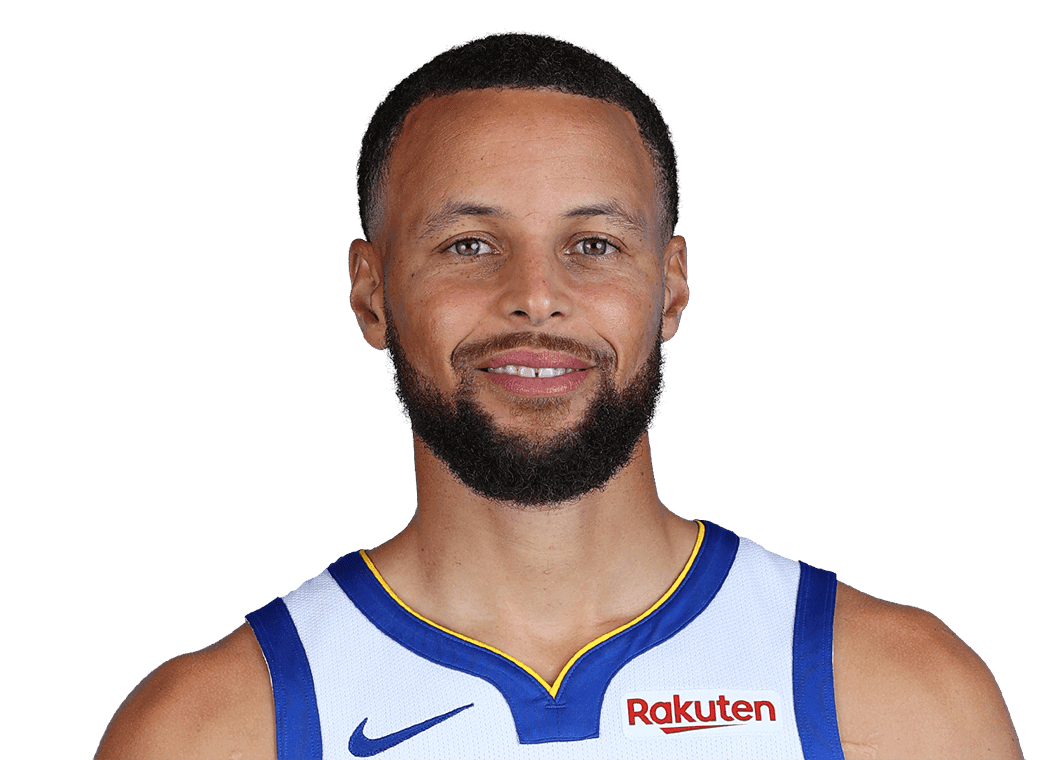
26.8
PPG
9.4
APG
4.0
3PM
46.8
FG%
Curry's role shifted with Durant's arrival — fewer isolation opportunities, more orchestration — but he averaged 26.8 points and 9.4 assists per game and hit 4 three-pointers per game. The redistribution of defensive attention Durant created made Curry even more dangerous from distance.
Averaged 26.8 PPG and 9.4 APG — proving that sharing the stage with Durant elevated rather than diminished his contributions
His 9.4 assists per game were the highest of his Finals career to that point
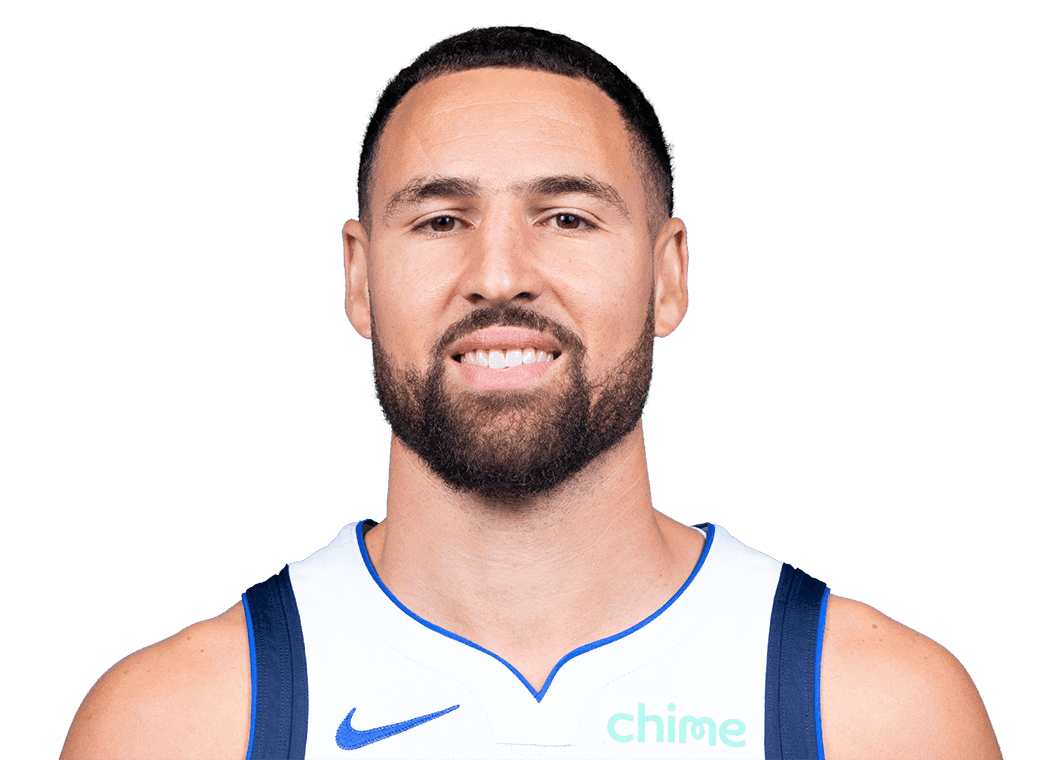
18.0
PPG
3.4
3PM
46.5
FG%
Thompson's relentless off-ball movement created the spacing that made Durant and Curry even more dangerous. His 18 points per game was achieved with remarkable efficiency, and his defensive assignments against Irving and the Cavaliers' guards were executed at the All-Defensive standard.
Two-way excellence that provided the spacing backbone of Golden State's offensive destruction in the series
They Pushed Us to the Limit
The Cavaliers returned to the Finals with the same core that had won in 2016, but faced a fundamentally different Warriors team — one that had added Kevin Durant to the equation. LeBron James's individual performances across the series were extraordinary, but the gap between the teams' collective talent was too wide for any individual to bridge.
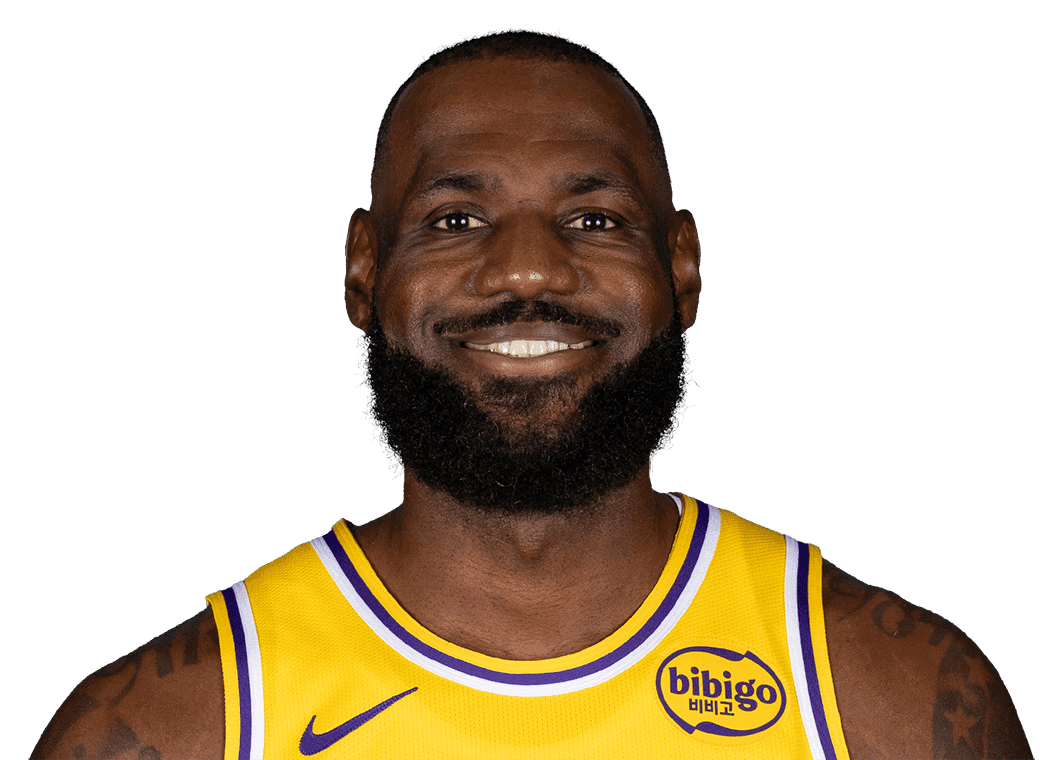
LeBron James
#23 · Small Forward
33.6
PPG
12.0
RPG
10.0
APG
Averaged 33.6 PPG, 12.0 RPG, and 10.0 APG in the series — a triple-double average that still was not enough against the Warriors' four-star lineup.
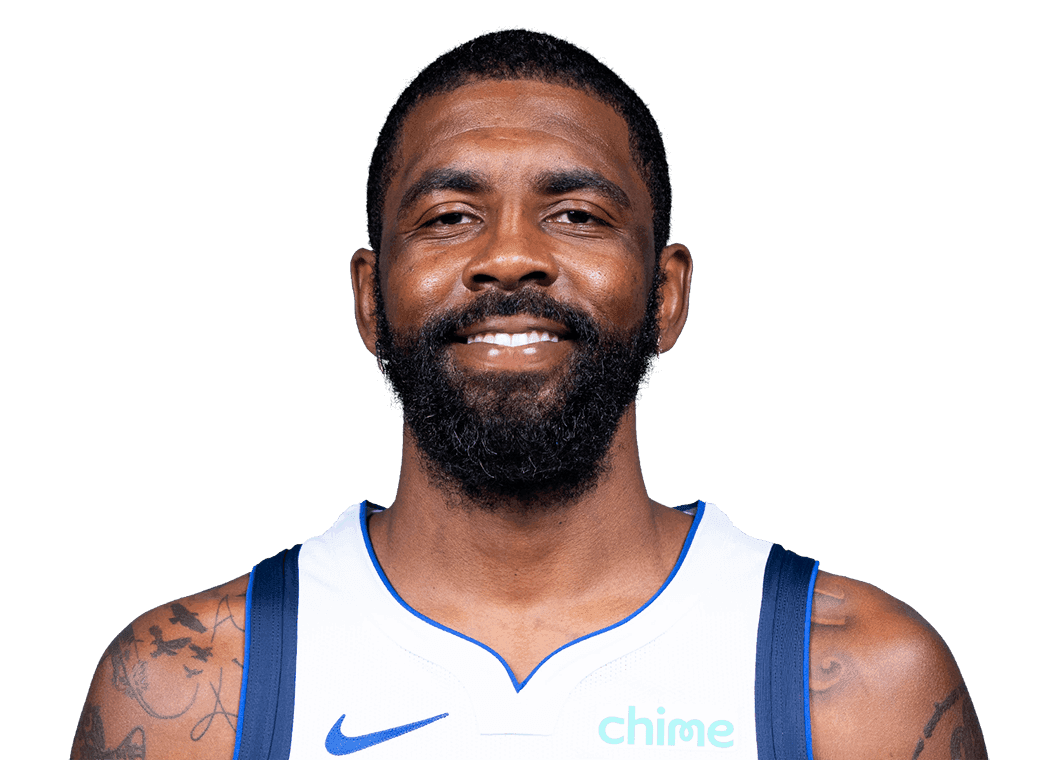
Kyrie Irving
#2 · Point Guard
25.0
PPG
47.0
FG%
Averaged 25.0 PPG and shot 47% from the field — a strong series from Cleveland's other star, but insufficient support to match Golden State's collective brilliance.
History Written in 2017
Kevin Durant
Won his first NBA championship and Finals MVP — averaging 35.2 PPG on 55.6% shooting across five games.
Golden State Warriors
Posted a 16-1 playoff record — the best postseason record in NBA history at the time of the 2017 championship.
LeBron James
His 33.6 PPG, 12.0 RPG, 10.0 APG series average — including a triple-double average — is the greatest individual performance in a losing Finals series in NBA history.
Golden State Warriors
Became the first team since the 2000-02 Lakers to win back-to-back championships — and the first to do so with a different Finals MVP both times.
Beyond the Box Score
Kevin Durant's decision to join the Warriors in the summer of 2016 was the most controversial free agent decision in NBA history — a player leaving a near-champion OKC team to join the team that had just beaten them in the conference finals. The championship validated his choice from a basketball standpoint, but the debate about what it meant for competition has continued ever since.
The Warriors' 16-1 playoff record set the all-time standard for postseason dominance. Their single loss — Game 3 in Cleveland — was an aberration that the team corrected immediately, winning Games 4 and 5 by an average of 14 points.
LeBron James's triple-double average across the series (33.6 PPG, 12.0 RPG, 10.0 APG) is considered by analysts as the greatest individual performance in a losing Finals series in NBA history. The debate about whether he was the best player in the world continued even as Durant won the MVP trophy.
The Full Story
The basketball world had debated for a year whether Kevin Durant's decision to join the Warriors would cheapened their dynasty or complete it. Five games in the 2017 Finals settled the argument: Durant averaged 35.2 points, 8.2 rebounds, and 5.4 assists while shooting 55.6% from the field. He did not borrow a championship — he earned one.
The 16-1 playoff record that the Warriors carried into the offseason was the most dominant postseason performance in NBA history. Every opponent that believed they had the individual or collective talent to challenge Golden State left the court confused and exhausted. LeBron James's triple-double average — a statistical achievement without precedent in Finals history — was not enough against a team with four legitimate All-Stars and a coaching staff that knew exactly how to deploy them.
Steve Kerr's offensive system — movement, shooting, and positionless basketball — reached its theoretical maximum with Durant in the lineup. The Warriors could start games attacking from the perimeter with Curry and Thompson, pivot to interior dominance with Durant's post game, or orchestrate through Green's passing from the elbow. No defensive scheme could address all three simultaneously.
When Durant dropped to his knees on the Oracle Arena floor after the final buzzer, the emotion was real. The criticism had been relentless, the doubt had been loudest from within basketball circles, and the pressure to justify his decision had been enormous. None of it mattered anymore. He was a champion — and the Warriors were a dynasty at their absolute peak.
Share the Legacy
Send this page to a fellow Golden State Warriors fan. Let them relive every moment — game by game, play by play.