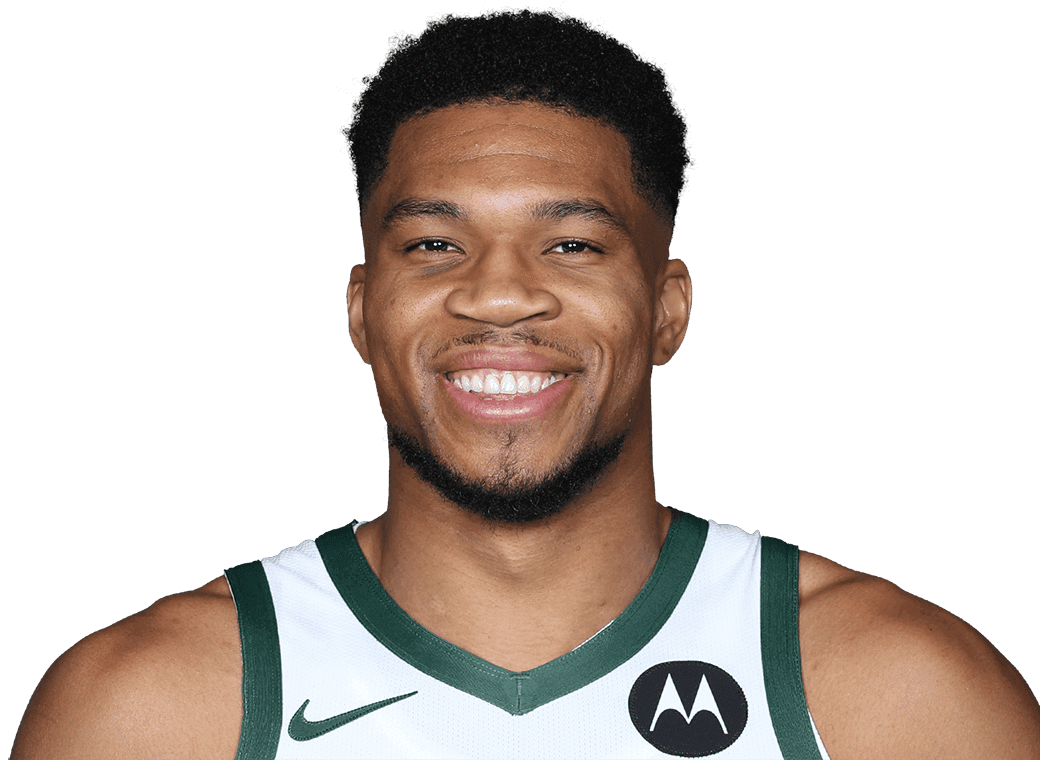
Giannis Antetokounmpo arrived in the NBA at 18 as a raw, 196-pound small forward with essentially no post repertoire; his development into one of the league's most dominant post scorers is a 12-year construction project. The foundation was mass — roughly 45 pounds of lean muscle added between his rookie and MVP years — but technique is what separates him. His drop step, the most-used post move in the NBA by volume, generates 1.17 points per possession, and his jump hook releases roughly 11 feet off the floor, a height most defenders physically cannot contest. In 2025-26 he scores 14.2 post-up points per game on 1.09 PPP, leading the league in post-up usage. The kick-out passing his post gravity creates (5.9 assists per game) and an overhauled 71.4% free throw stroke have closed his last exploitable weaknesses. This matters because it proves elite post play never vanished — it just needed the right blueprint.
How the Post Game Was Built
Giannis Antetokounmpo arrived in the NBA at 18 years old as a raw, 196-pound small forward who could dunk athletically but had essentially no post repertoire. His development into one of the most physically dominant post scorers in NBA history is a 12-year construction project that happened in public view.
The foundational element — the thing that made everything else possible — was weight. Giannis added roughly 45 pounds of lean muscle between his rookie season and his MVP years. That mass, combined with his 7'3" wingspan and 6'11" frame, created a physical profile that no NBA defender is equipped to handle conventionally. When you're bigger, longer, and faster than every player on the court simultaneously, the post game becomes mathematics rather than technique.
But technique followed. The footwork evolution is what separates Giannis from players who have physical gifts without the corresponding skills to deploy them.
The Drop Step: Perfected Over 400 Hours
Giannis's drop step — catching on one side and swinging through to the other for a power layup — is the most-used post move in the NBA by volume and among the most efficient by outcome. At 1.17 points per possession, it outperforms the league-average pick-and-roll ball-handler efficiency and approaches the efficiency of corner threes.
The mechanics create the efficiency. When Giannis catches at the block, he establishes position with his back foot as a pivot. The drop step involves swinging the non-pivot foot low and wide, which does two things simultaneously: it moves his body laterally at maximum speed while keeping his pivot foot in contact with the floor (legal), and it repositions his center of mass ahead of the defender before the defender can react.
"The problem with defending his drop step isn't just the power. It's the speed. He goes from a dead position to full momentum in about 0.8 seconds. Nobody in the history of the NBA has done that at his size. Nobody." — Western Conference big man coach
The drop step also generates contact intentionally — Giannis attacks the defender's body with his lead shoulder during the move, which creates free throw opportunities at a rate (7.4 per game) that inflates his overall efficiency substantially. His free throw shooting, a weakness early in his career, has improved to 71.4% — not elite, but no longer the exploitable liability it once was.
The Help Defense Problem
When defenses send a second or third body to stop Giannis's drive, they create an opening that Giannis has learned to exploit with precision: the kick-out pass.
His passing ability from the post — often overlooked in coverage of his scoring dominance — is a critical offensive skill. His 5.9 assists per game are generated in significant part from post catch-and-pass situations where help defense has left a shooter open. The Bucks' offensive system is specifically designed around this principle: get Giannis the ball in the post and let the defense's response determine the shot type.
- No help sent: Giannis drops steps or hook shots — 1.17 PPP
- One helper sent: Kick to open shooter at three-point line
- Two helpers sent: Kick to corner, swing to cutting big, pick-and-pop
This decision tree sounds simple. Executing it under pressure, in real time, at his pace of play — that's what separates Giannis from players who have physical gifts without operational intelligence.
The Jump Hook: The Shot Defenses Can't Reach
Giannis's jump hook — releasing from near his ear, at a height defenses can't contest — is the complement to his drop step. Where the drop step punishes aggressive defenders who overplay the baseline, the jump hook punishes defenders who give him the middle.
At a 6'11" frame with a 7'3" wingspan, his jump hook release point is approximately 11 feet above the floor. Only Victor Wembanyama has a higher release point among active NBA players. The practical result is a shot that most NBA players physically cannot contest — defenders who close out on the hook jump into Giannis's body rather than near the ball, generating the free throw opportunities that define his game.
Giannis post scoring in 2025-26: 14.2 post-up points per game on 1.09 PPP. League leader in post-up usage. Second in post-up efficiency (minimum 5 post-ups per game). Only Nikola Jokic has a higher post efficiency at similar volume.
The Free Throw Transformation
No player in NBA history has been the subject of more deliberate fouling — the "Hack-a-Giannis" strategy — than the Milwaukee franchise star. In his MVP years, the strategy was legitimately effective: Giannis shooting 63% from the line meant that teams could profitably foul him in the act of shooting.
The mechanical overhaul he underwent in 2022-23 — widening his base, slowing his release, focusing on a consistent follow-through — has largely neutralized the strategy. At 71.4%, fouling him intentionally on a post-up results in approximately 1.43 points per two shots. That's no longer meaningfully below his average points per possession. The Hack-a-Giannis era is over.
The Legacy of Physical Basketball
In a league that has spent fifteen years trending toward perimeter play, Giannis has carved a contrarian path: more post-ups each year, more paint touches, more physical dominance rather than less. His scoring average has increased in each of the last three seasons despite — or perhaps because of — his willingness to operate in the most contested area of the floor.
What Giannis has proven is that elite post play never actually went away. The conditions for its success remained: size advantage, skill, and the patience to build a system around it. Other teams will spend years trying to find their own Giannis. There won't be one. But the blueprint he's leaving behind — of athleticism combined with technical sophistication — will influence how basketball develops big men for the next decade.
Curtindo esta análise?
Receba mais análises como esta na sua caixa de entrada.