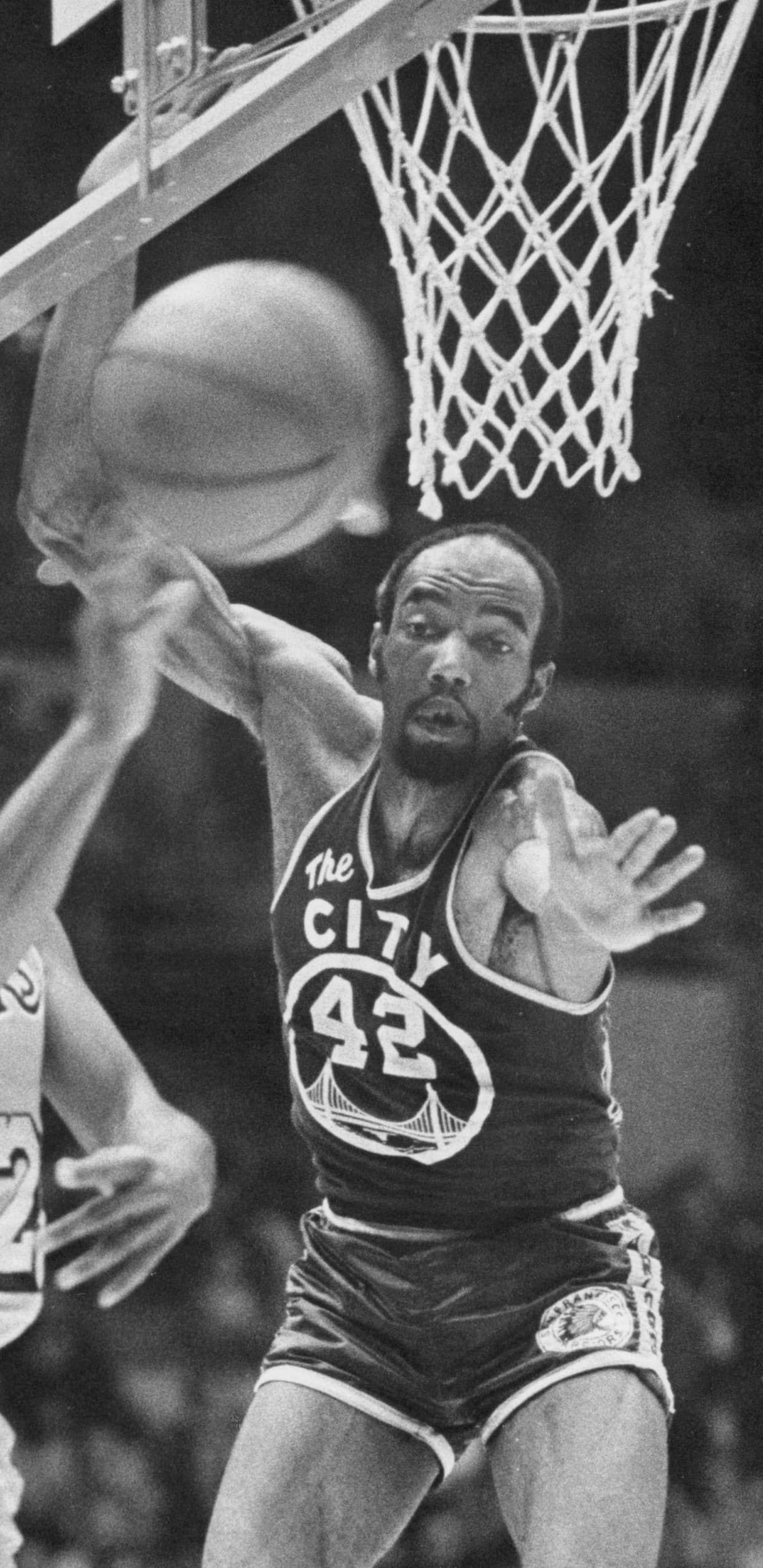
Nate Thurmond gave the Warriors 11 seasons of elite defensive center play, recorded the NBA's first official quadruple-double, and was inducted into the Hall of Fame in 1985. Here is why #42 belongs in the rafters.
Este artigo foi traduzido automaticamente do inglês.View original
Diosh Lequiron
··7 min de leitura·
M
Share
Esta página contém links de afiliados. Podemos ganhar uma comissão se você comprar através desses links, sem custo adicional para você. As an Amazon Associate I earn from qualifying purchases.
On October 18, 1974, Nate Thurmond recorded 22 points, 14 rebounds, 13 assists, and 12 blocks for the Chicago Bulls — the first officially tracked quadruple-double in NBA history, in only his fifth game as a Bull. He was 33, and he had already given the Golden State Warriors eleven seasons. Drafted by the San Francisco Warriors in 1963, Thurmond was the prototypical modern defensive center before the archetype had a name, averaging 15.0 points and 15.0 rebounds while changing how opponents structured entire offenses. He was a seven-time All-Star, a five-time All-Defensive Team selection, a 1985 Hall of Fame inductee, and a member of the NBA's 50th Anniversary All-Time Team. The trade that sent him to Chicago is one the Warriors have acknowledged as a mistake. #42 hangs in the rafters because the franchise's first great defensive center proved, even in his mid-thirties on another team, that eleven Golden State years of unrecorded dominance were genuine.
Eleven Seasons of Dominance
Thurmond was drafted by the San Francisco Warriors in 1963 and played eleven seasons in the Bay Area before being traded to Chicago in 1974. He was the prototypical modern defensive center before the archetype had a name — a player whose impact on games was measured not in points scored but in shots not taken, scoring lanes closed, and opponents redirected away from the basket before they had a chance to attempt.
Stephen Curry Youth Fanatics White Golden State Warriors Fast Break Replica Custom Jersey - Association Edition
He averaged 15.0 points and 15.0 rebounds per game across his Warriors career. Those numbers represent his floor. His defensive value — the intimidation factor, the shot alteration, the way he changed how opponents structured their entire offense — is not captured in any box score from an era that did not track blocks officially.
Chris Webber Golden State Warriors Autographed Royal 1993-94 Mitchell & Ness Swingman Jersey
Bill Russell and Wilt Chamberlain are the centers most often cited from the 1960s. Nate Thurmond belongs in that conversation. He was the reason that offensive players who spent a week preparing to attack the Warriors' interior spent the game doing something else entirely.
Quinten Post Youth Fanatics White Golden State Warriors Fast Break Replica Custom Jersey - Association Edition
The Defender's Defender
Thurmond was a seven-time All-Star and a five-time All-Defensive Team selection. He was named to the NBA's 50th Anniversary All-Time Team in 1996. He was inducted into the Naismith Memorial Basketball Hall of Fame in 1985.
De'Anthony Melton Men's Fanatics Royal Golden State Warriors Fast Break Custom Replica Jersey - Icon Edition
His contemporaries — Bill Russell, Jerry West, Oscar Robertson — consistently cited Thurmond as one of the most difficult players they ever faced. Not because of his scoring, though his scoring was significant, but because of how he made them think. Facing Thurmond required a different game plan. Executing that game plan against Thurmond was another matter entirely.
He played in an era when the center position defined defensive identity. A great defensive center in the 1960s and 1970s functioned the way a great defensive coordinator functions in football — he set the alignment, he read the offense, he made adjustments that the box score never recorded. Thurmond did this for eleven seasons as a Warrior, giving the franchise a defensive foundation that allowed role players to compete above their natural level.
Gui Santos Men's Fanatics Royal Golden State Warriors Fast Break Custom Replica Jersey - Icon Edition
The First Quadruple-Double
The October 1974 quadruple-double came in his first season in Chicago, after the Warriors — somewhat inexplicably — decided he was expendable. It was the first officially tracked quadruple-double in NBA history, recorded in a box score that now exists as a permanent document in basketball's archives. He was 33. He had been doing the equivalent of quadruple-doubles for eleven seasons in Golden State without official record.
Men's G-III Sports by Carl Banks Royal Golden State Warriors Adaptive Star Player Fashion Baseball Jersey
The trade that sent him to Chicago is one the Warriors have since acknowledged as a mistake. You do not rebuild by trading your defensive foundation. You do not improve by removing the player who has defined the defensive identity of your franchise for over a decade. Golden State learned this the hard way, and the 1975 championship — which came one season after Thurmond left — was built on different defensive principles that required years of rebuilding to establish.
Youth Nike Stephen Curry Tan Golden State Warriors 2025/26 City Edition Swingman Jersey
Why the Warriors Retired #42
The Warriors retired Nate Thurmond's #42 because he was the franchise's first great defensive center, a Hall of Famer, a seven-time All-Star, and the man who recorded basketball's first official quadruple-double — proving even in his mid-thirties, on a different team, that what he had done in Golden State for eleven years was genuine.
Stephen Curry Golden State Warriors Autographed Black Nike 2023-24 City Edition Swingman Jersey - BAS
#42 hangs in the rafters as the franchise's acknowledgment that defense wins championships, that individual statistics undercount defensive impact, and that the player who makes everyone around him better deserves the same recognition as the player who scores the most points. Nate Thurmond made everyone around him better. The Warriors have not forgotten it.
Curtindo esta análise?
Receba mais análises como esta na sua caixa de entrada.
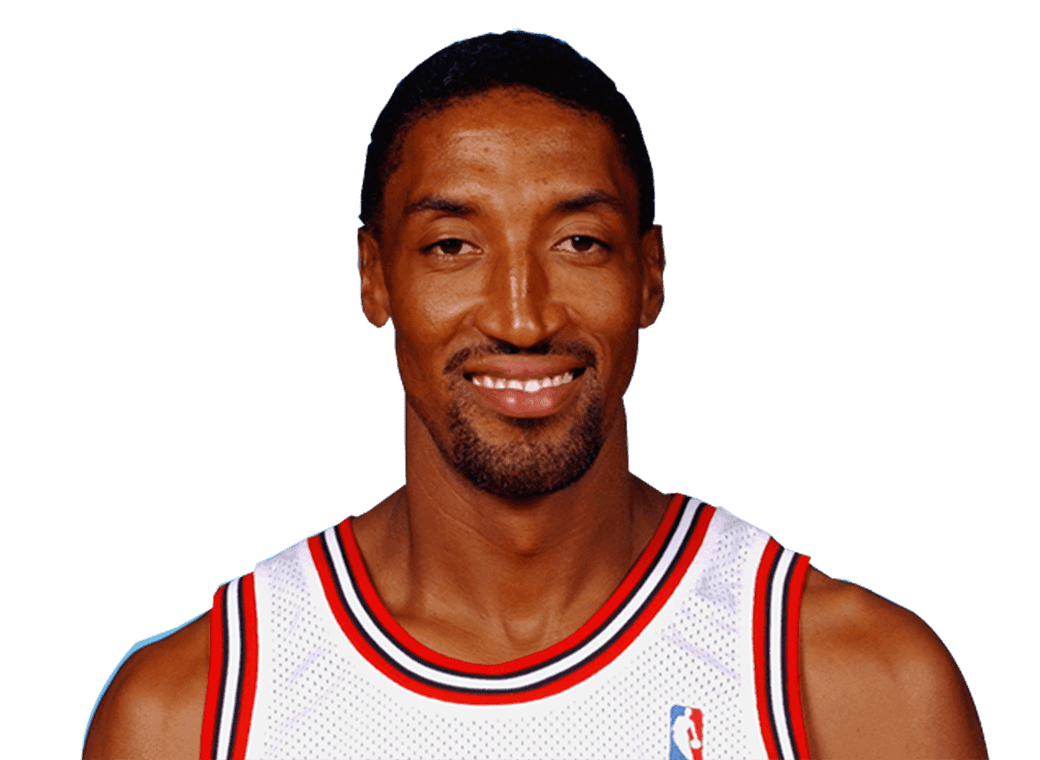
Scottie Pippen is the greatest example in basketball history of what it means to be exactly what your team needs. Without Pippen's #33, there is no second three-peat, no dynasty mythology, and arguably no six championships at all.
October 1, 1994: the Bulls retire #23 for the first time. Eighteen months later, Jordan faxed two words and they took it back down. The story of six championships, two three-peats, and the number that bent the gravity of basketball around itself.
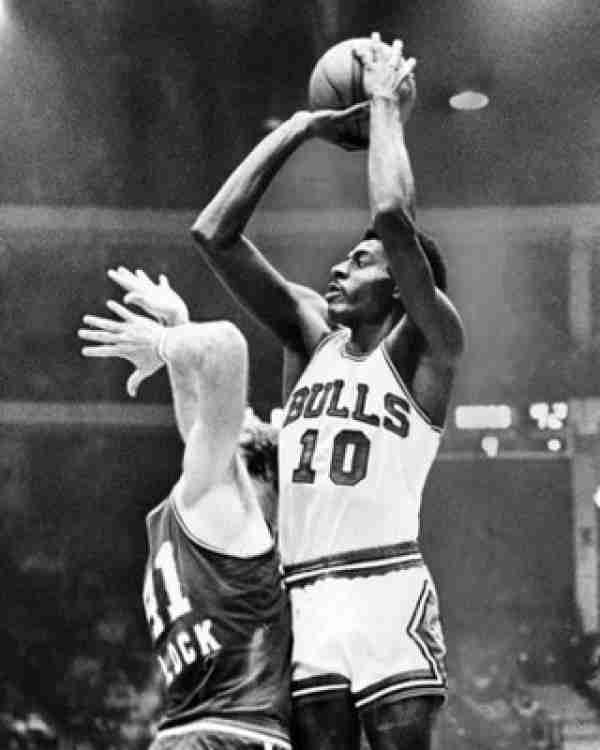
Bob Love was the Chicago Bulls' first great offensive player — a jump-shooting artist who averaged 21 points a game and made three All-Star teams. But the story of why the Bulls retired his #10 has as much to do with what happened after basketball as during it.