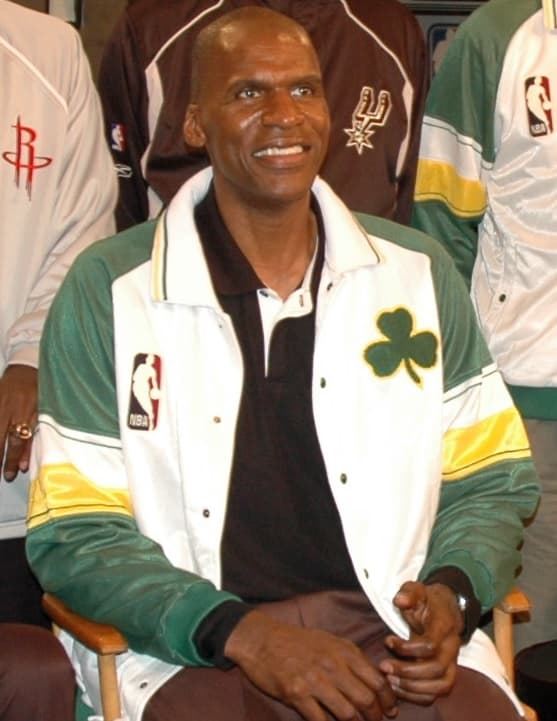
Robert Parish played 21 seasons, won three championships with Boston, and was the anchor of the greatest frontcourt in NBA history. His #00 honors the most durable Celtic.
·12 min·9
143 Blog
Não perca nenhuma análise
Assine para receber as últimas análises de basquete, insights de jogadores e reviews de equipamentos na sua caixa de entrada.
Kevin McHale's #32 represents three championships, six All-Stars, and the most technically accomplished post game in NBA history. The gold standard for low-post play.
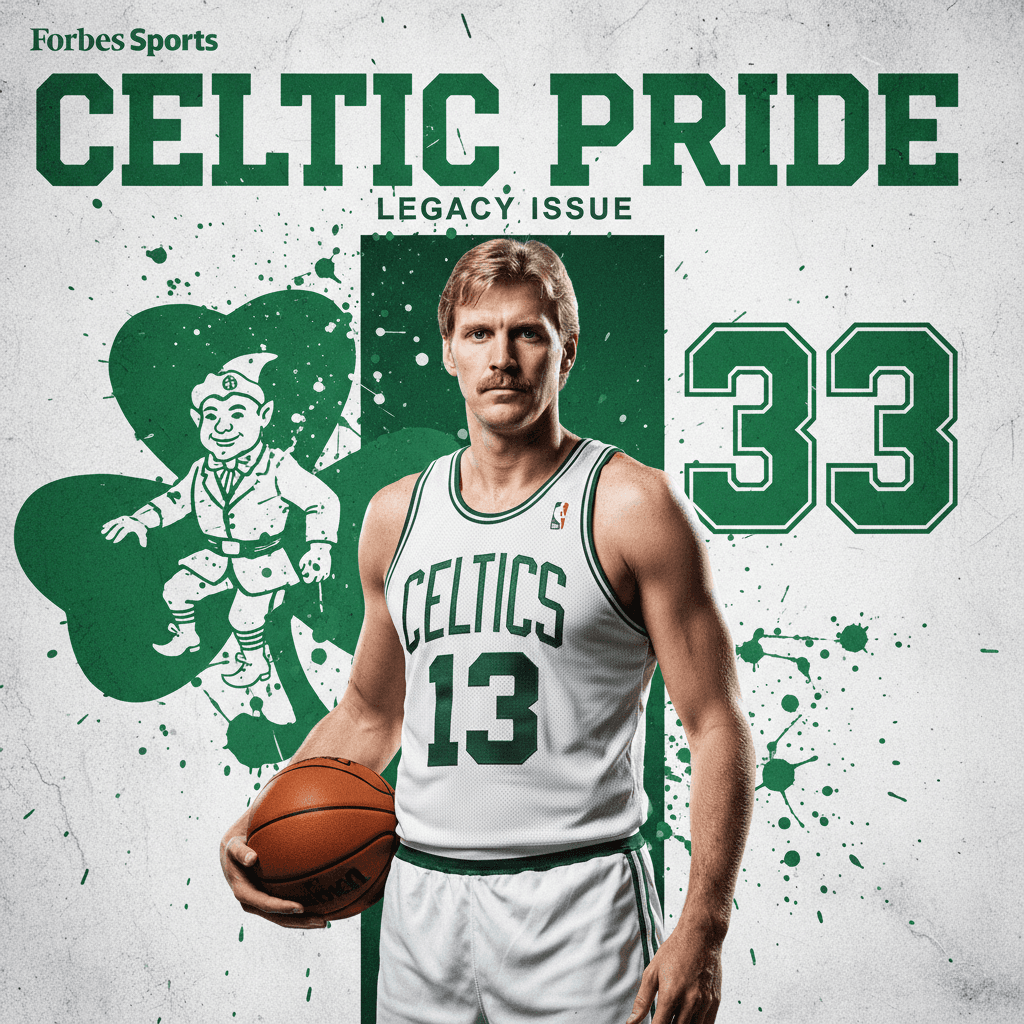
February 4, 1993: #33 climbs into the Garden rafters. Three titles, three straight MVPs, and the most famous trash talk in basketball — Larry Bird was too slow to be this good, and was this good anyway.
John Havlicek made the most famous play in Celtics history before most people knew his name. His #17 represents eight championships and sixteen seasons of relentless excellence.
Sam Jones won 10 championships alongside Bill Russell and perfected the bank shot into an unstoppable weapon. His #24 honors the quietest great winner in Celtics history.
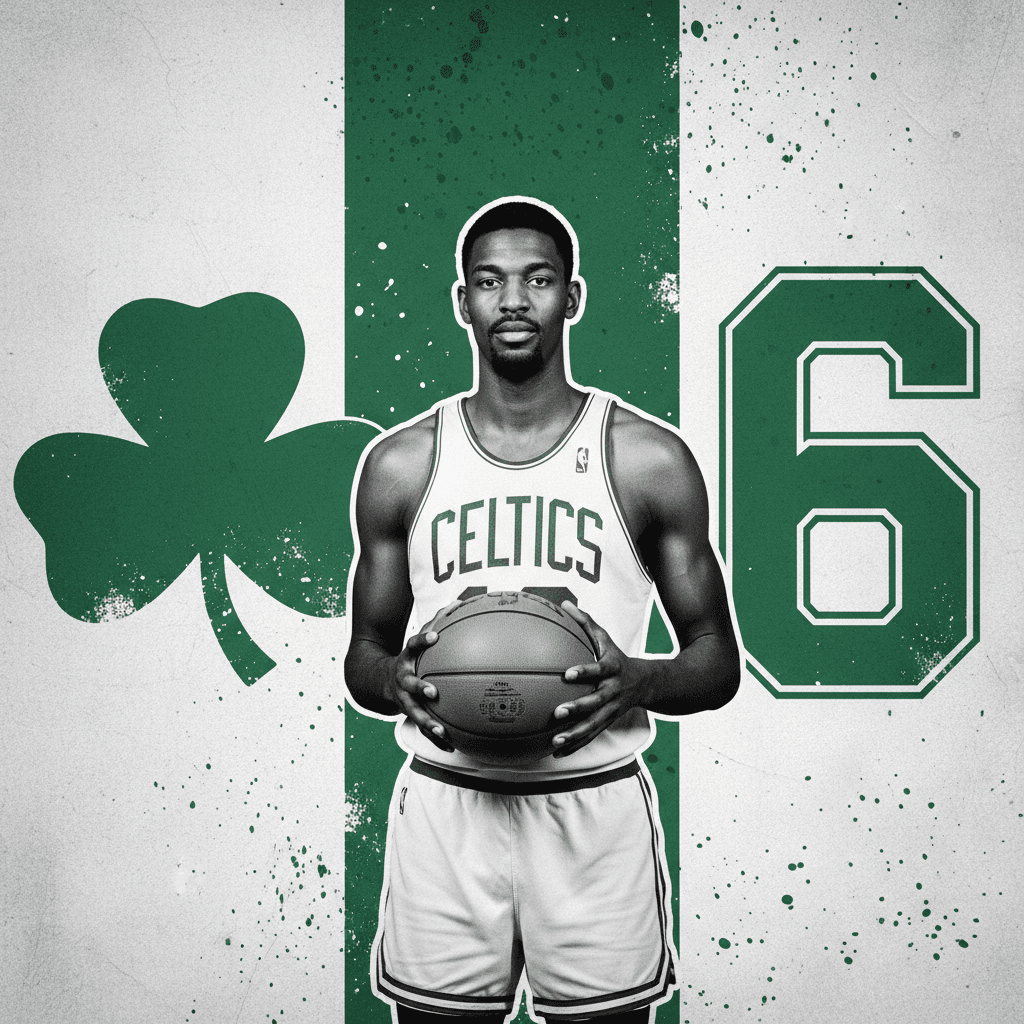
Eleven championships in thirteen seasons, the first Black head coach to win a title, and the man the Finals MVP award is named after. Why #6 hangs in Boston — and why the NBA retired it for everyone.
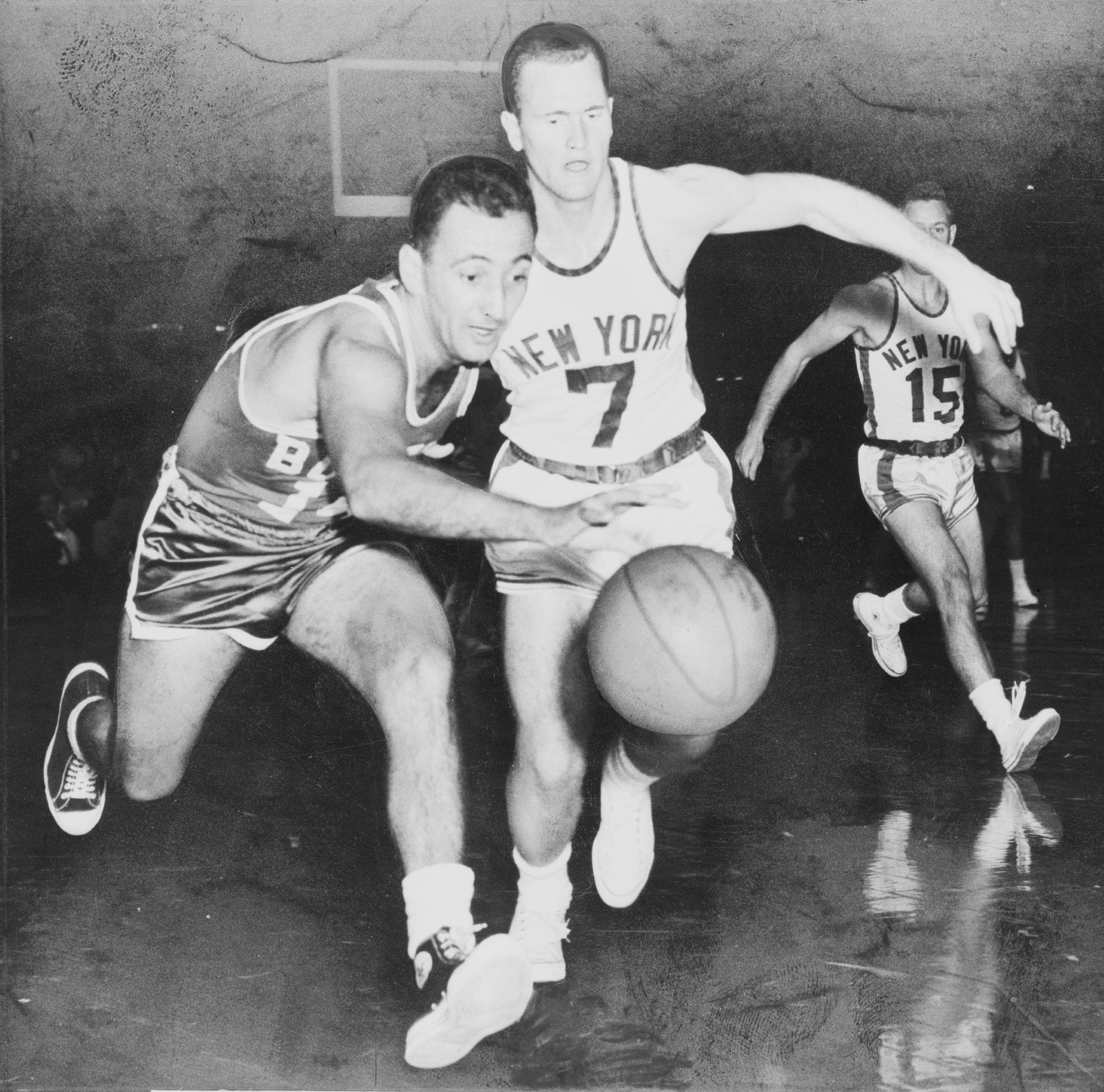
Bob Cousy dribbled and passed in ways the sport had never seen, won six championships with Boston, and became the first great Celtic. His #14 honors the man who invented modern point guard play.
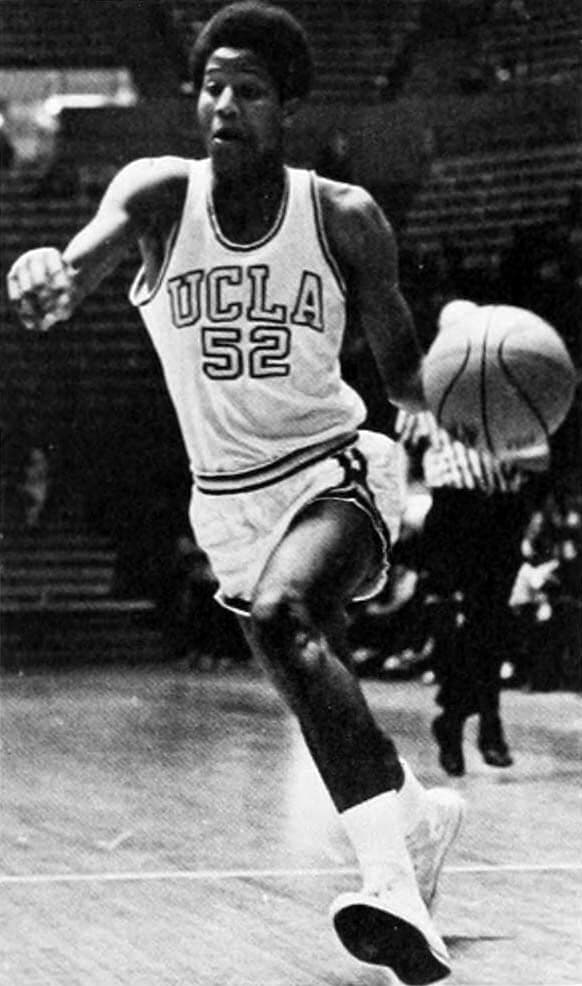
Jamaal "Silk" Wilkes won three championships with the Lakers and played the smoothest basketball you've never heard enough about. His #52 represents what happens when talent and selflessness occupy the same jersey.
Mr. Clutch, The Logo, and the only Finals MVP ever named from the losing team. Why the Lakers retired Jerry West's #44 — nine Finals, one ring, and a silhouette every fan knows by heart.
James Worthy's 36-16-10 triple-double in Game 7 of the 1988 Finals remains one of the greatest closeout performances in NBA history. His #42 represents clutch excellence across 12 Showtime seasons.
For a four-year stretch at the turn of the century, #34 was the most immovable force basketball had ever tried, and failed, to move — three titles, three Finals MVPs, an entire league fouling on purpose.
Six MVPs, six rings, 38,387 points, and the one shot no one could block or copy. Why the Lakers retired Kareem Abdul-Jabbar's #33 — the skyhook, Showtime, and the longest peak basketball has seen.
Showtime, five championships, and the reinvention of joy. Why the Lakers retired Magic Johnson's #32 — the 6-foot-9 point guard who started a Finals Game 6 at center as a rookie and never stopped smiling.
Gail Goodrich was the leading scorer on the 1971-72 Lakers team that won 69 games and 33 straight. His #25 represents clutch scoring, UCLA pedigree, and the backcourt partnership with Jerry West that defined an era.
Elgin Baylor never won a championship, yet his #22 was the first number the Lakers ever retired. His aerial artistry, scoring records, and loyalty through a decade of heartbreak made the decision inevitable.
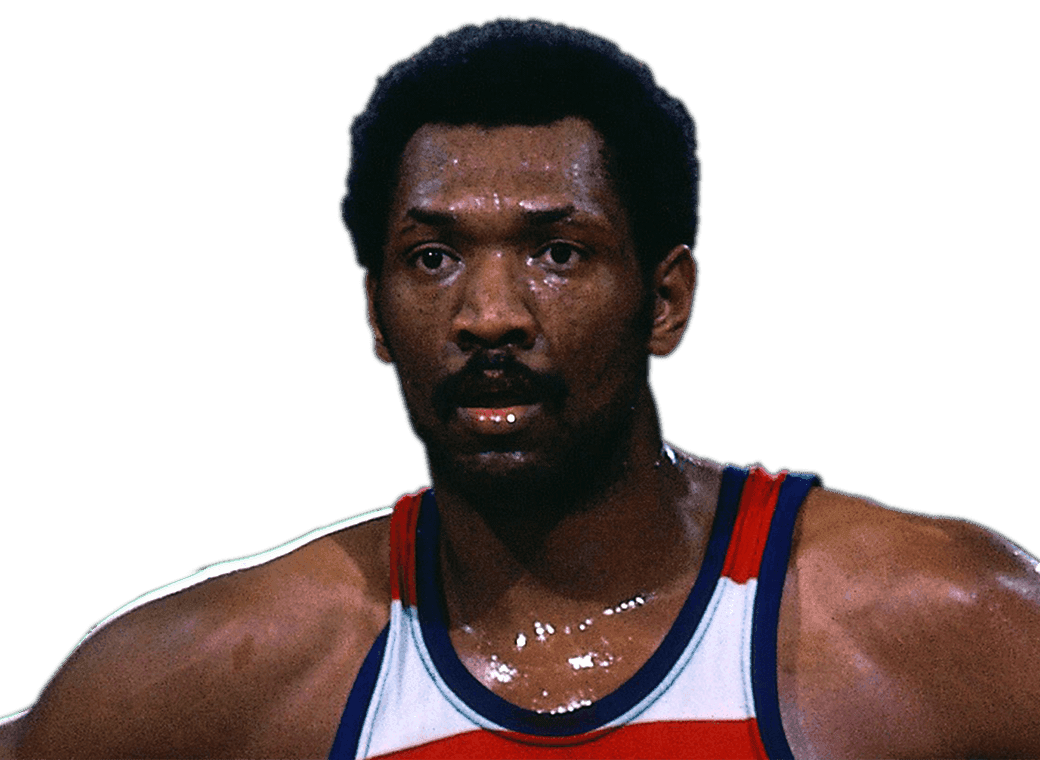
Wilt Chamberlain's #13 hangs in the Lakers rafters not for his 100-point game — that was in Philadelphia — but for what he accomplished in Los Angeles: a championship, a record-setting season, and a complete reinvention of his game.
December 18, 2017: the Lakers raised two banners for one man. #8 was fury, #24 was craft — and the only honest way to honor a 20-year, 5-title career was to retire both.
Forget miracle programs. The science of vertical jump development is well-established — and it requires less time than you think. Here is the 8-week protocol basketball trainers actually use.
Tatum was labeled a disappearing act in big moments. Then he won Finals MVP. A deep dive into the statistical and mechanical transformation that turned criticism into legacy.
Great defense starts before the ball is caught. NBA defenders spend more time studying footwork and positioning than in the weight room — and it shows in every possession.