
2005
San Antonio Spurs
Series Flow
4
Wins
3
Losses
Regular Season
59–23
Win–Loss
Playoff Record
16–7
Win–Loss
Finals
4–3
vs Detroit Pistons
Finals MVP
Duncan
Tim
San Antonio Spurs
59–23Detroit Pistons
54–28The defending champion Detroit Pistons were the gold standard of team basketball — no superstars, five starters who could guard any position, and an offensive system of relentless motion and ball movement. Their 2005 Finals appearance against San Antonio was the greatest non-superstar Finals matchup of the modern era, and their competitive excellence across seven games elevated both franchises.
Finals MVP
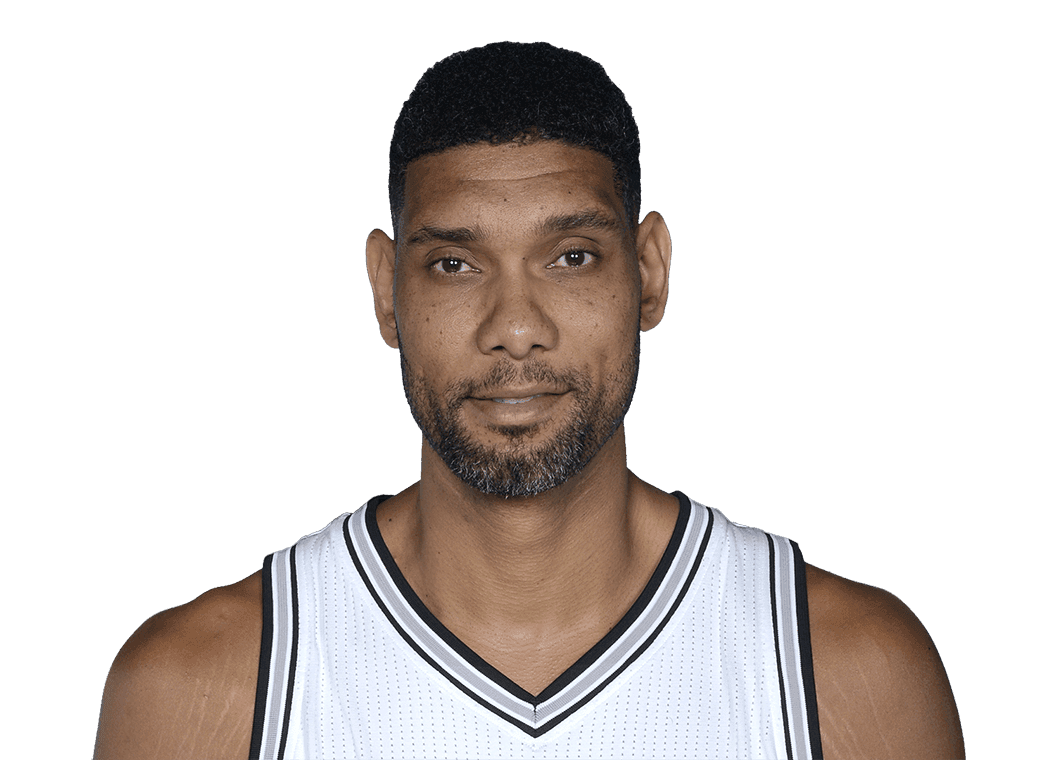
Tim Duncan
#21 · Power Forward / Center
20.6
PPG
14.1
RPG
3.3
APG
2.6
BPG
Tim Duncan's third Finals MVP — the first player ever to win three — was earned the hardest way possible: a seven-game series against the best defensive team in basketball. Every one of Duncan's 20 points required maximum effort against Ben Wallace and Rasheed Wallace, which made his consistency across seven games all the more remarkable.
First player in NBA history to win three Finals MVP awards
Carried the Spurs through a seven-game series against the best defensive team in the league
Averaged 14.1 rebounds per game against a Detroit frontcourt built specifically to negate interior dominance
How the Series Unfolded
G1 · W
1–0
G2 · L
1–1
G3 · W
2–1
G4 · L
2–2
G5 · W
3–2
G6 · L
3–3
G7 · W
4–3
84
SAS
69
DET
The Spurs controlled Game 1 from start to finish behind Duncan's interior dominance and the Spurs' suffocating half-court defense. Detroit — the reigning champions and the league's best defensive team — found themselves unable to generate clean looks, and their offense looked stagnant against San Antonio's switching schemes. The 15-point margin suggested a potential mismatch, but the Pistons had seen larger deficits before.
San Antonio Spurs
Tim Duncan
24 pts · 17 reb · 3 blkDominated both ends against a Detroit frontcourt that had neutralized every other center in the playoffs.
Manu Ginobili
18 pts · 5 astAttacked from the wing with the improvisation that Detroit's structured defense wasn't designed to handle.
DET
Chauncey Billups
19 pts · 6 astKept the Pistons competitive but couldn't generate the quality shots their system usually creates.
64
SAS
76
DET
Detroit's defense reached its suffocating peak in Game 2 — holding the Spurs to 64 points, their lowest output of the series. Chauncey Billups and Richard Hamilton executed Larry Brown's defensive scheme with mechanical precision, denying catch-and-shoot opportunities and forcing Duncan into contested post situations where help was always waiting. The Pistons leveled the series and served notice that this would be a seven-game war.
San Antonio Spurs
Tim Duncan
18 pts · 12 rebFought all night but Detroit's doubled and tripled coverage made his usual post game impossible to sustain.
DET
Chauncey Billups
22 pts · 7 astOrchestrated Detroit's defensive masterclass while contributing 22 efficient points on the other end.
Ben Wallace
8 pts · 16 reb · 3 blkThe defensive anchor held Duncan below his series averages and denied every interior attempt within his range.
96
SAS
79
DET
The Spurs won convincingly on the road in Auburn Hills — a significant statement about the depth and versatility of Gregg Popovich's system. Tony Parker was exceptional in transition, and Manu Ginobili's improvisation from the wing created problems that Detroit's switching defense couldn't solve away from their home court. The 17-point road victory shifted the series momentum decisively in San Antonio's favor.
San Antonio Spurs
Tony Parker
24 pts · 7 astDominated in transition and pick-and-roll — his speed on the road made Auburn Hills feel like San Antonio.
Tim Duncan
26 pts · 15 rebRoad dominance against the league's best defense — his efficiency forced Detroit to abandon their defensive scheme.
DET
Richard Hamilton
22 ptsThe most dangerous Piston off screens worked hard but Detroit's team defense couldn't match San Antonio's collective effort.
71
SAS
102
DET
Detroit responded with their most dominant performance of the series — a 31-point blowout that stunned the basketball world and leveled the series at 2-2. Rasheed Wallace and Ben Wallace dominated the frontcourt, and Chauncey Billups ran the Pistons' offense with efficiency that exposed the Spurs' fatigue. The blowout raised real questions about San Antonio's ability to close out the reigning champions.
San Antonio Spurs
Tim Duncan
15 pts · 12 rebHis numbers remained solid but the Spurs' supporting cast struggled to generate any consistent offense.
DET
Rasheed Wallace
22 pts · 9 rebDominated in Detroit's signature frontcourt assault — the combination of both Wallaces was too much for the Spurs to handle.
Chauncey Billups
21 pts · 11 astRan the Pistons' system to perfection — his decision-making generated easy baskets for Detroit's role players throughout.
96
SAS
95
DET
Manu Ginobili's finest hour. In overtime in Auburn Hills — one of the most hostile environments for a visiting team — Ginobili carried the Spurs with improvisation, will, and the Euro-step that had never looked more lethal. His 23 points and 4 steals were the defining performance of the series, and his clutch overtime shooting gave San Antonio a 3-2 lead and put the Pistons on the brink of elimination. This was the game that established Ginobili as a superstar, not just a sixth man.
San Antonio Spurs
Manu Ginobili
23 pts · 6 ast · 4 stlThe defining performance of his career to that point — won an overtime game on the road with pure will and improvisation.
Tim Duncan
26 pts · 19 rebAnother 19-rebound masterclass — his dominance on the glass gave the Spurs the extra possessions that won overtime.
DET
Chauncey Billups
27 pts · 8 astThe Pistons' best player gave everything — his performance in a losing cause was the most complete game from any Piston in the series.
86
SAS
95
DET
Detroit refused to die, winning Game 6 in San Antonio to force a seventh and deciding game. The Pistons' defense regained its dominant form, and the Spurs' shooting from the perimeter dried up at the worst possible moment. Detroit's resilience — the quality that had made them champions in 2004 — was on full display, and the series would come down to one final game.
San Antonio Spurs
Tony Parker
22 ptsFought all night but the Pistons' collective defense made consistent shot creation impossible.
DET
Richard Hamilton
25 ptsThe Pistons' best finisher hit contested shots throughout the fourth quarter to force a seventh game.
Ben Wallace
6 pts · 18 reb · 4 blkDefensive titan — 18 rebounds and 4 blocks kept Duncan below his series numbers and denied San Antonio the interior control they needed.
81
SAS
74
DET
In the most hard-fought game of the most hard-fought series, Tim Duncan led the San Antonio Spurs to their third championship. The Spurs' defense — mirroring Detroit's own identity — held the Pistons' offense to 74 points and contested every shot with the kind of collective intensity that championships are built on. Bruce Bowen suffocated Richard Hamilton; Robert Horry hit the three-pointers that stretched San Antonio's lead; and Tim Duncan — for the third time in his career — walked off the court as an NBA champion and Finals MVP.
San Antonio Spurs
Tim Duncan
25 pts · 11 reb · 5 blkClosed the championship with 5 blocks in a defensive masterclass that matched Detroit's own defensive identity and won the series.
Manu Ginobili
23 pts · 5 astAnother clutch performance when the franchise needed it most — his scoring and creation were unstoppable in the decisive moments.
DET
Chauncey Billups
21 pts · 7 astThe Pistons' best player delivered to the end — the series was a testament to how closely matched these two franchises were.
The Champions
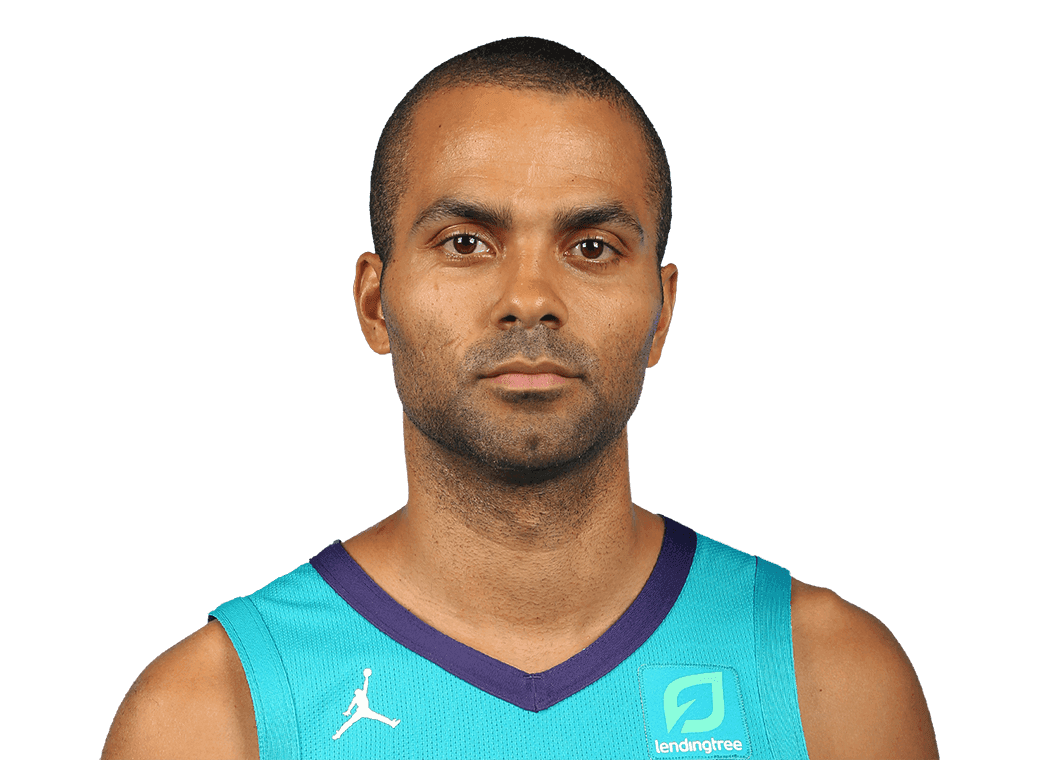
Tony Parker
#9 · Point Guard
19.6
PPG
5.4
APG
55.3
FG%
Parker's speed and finishing ability gave the Detroit defense a different kind of problem than they had faced all season. His ability to split the pick-and-roll and find either Duncan or an open corner shooter was the Spurs' most reliable offensive weapon in a bruising series.
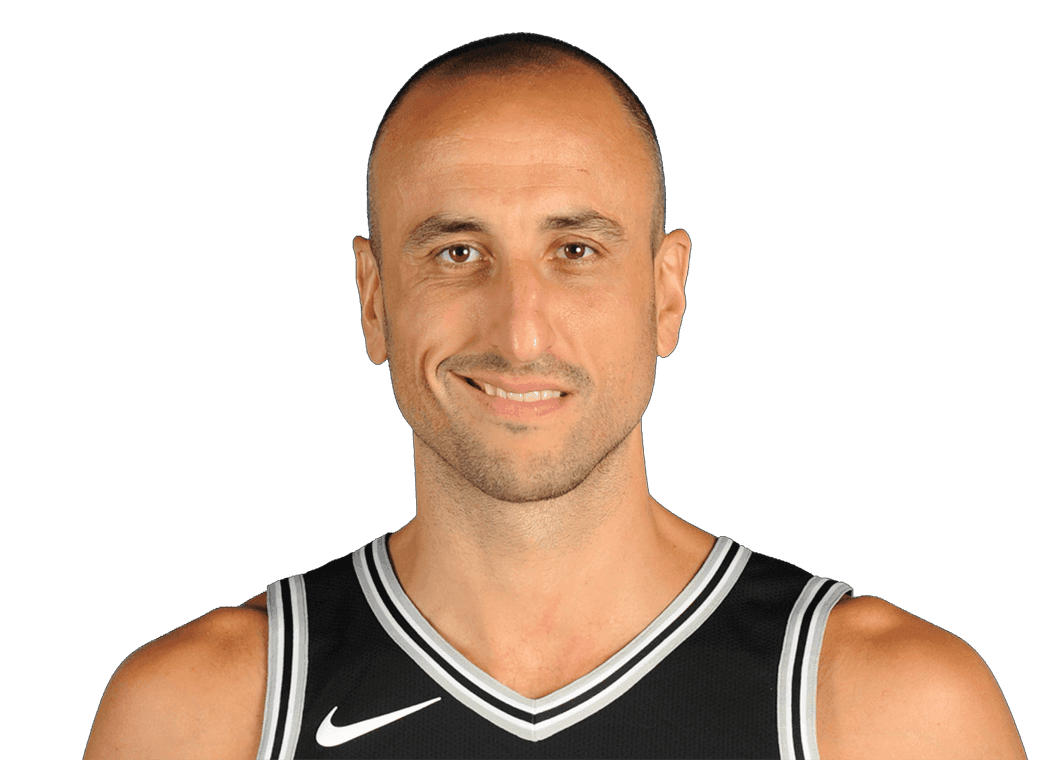
Manu Ginobili
#20 · Shooting Guard
17.4
PPG
4.2
APG
2.0
SPG
Ginobili's performance in the 2005 Finals announced him as a legitimate superstar — not just a sixth man or system player, but a player capable of imposing his will on playoff basketball. His Game 5 OT performance in Detroit was the single most important individual game in Spurs championship history.
Robert Horry
#5 · Power Forward
8.8
PPG
46.7
3P%
5.0
RPG
"Big Shot Bob" hit the shots when they mattered most — his three-point shooting throughout the series provided the floor spacing that kept Detroit's defense from collapsing entirely on Duncan.
They Pushed Us to the Limit
The defending champion Detroit Pistons were the gold standard of team basketball — no superstars, five starters who could guard any position, and an offensive system of relentless motion and ball movement. Their 2005 Finals appearance against San Antonio was the greatest non-superstar Finals matchup of the modern era, and their competitive excellence across seven games elevated both franchises.
Chauncey Billups
#1 · Point Guard
20.4
PPG
8.0
APG
Mr. Big Shot lived up to his nickname throughout — his orchestration of the Pistons' defense and offense was the closest thing Detroit had to a Duncan-level individual force.
Ben Wallace
#3 · Center
7.0
PPG
14.8
RPG
2.2
BPG
The defensive anchor who came closer than anyone to neutralizing Tim Duncan — his rebounding and shot-blocking made every Duncan touch a battle.
History Written in 2005
Tim Duncan
First player in NBA history to win three Finals MVP awards
Manu Ginobili
Game 5 OT performance in Auburn Hills established him as a superstar — not just a sixth man — and is considered the defining moment of his NBA career
San Antonio Spurs
Third championship in seven years — joined the Lakers and Bulls as the only franchises to win multiple championships across two separate seasons in the modern era
Gregg Popovich
Third championship as head coach — now among the most decorated coaches in NBA history
San Antonio Spurs
Overcame a seven-game series against the defending champions and the NBA's best defensive team — the hardest road to any of the five Spurs titles
Beyond the Box Score
The 2005 NBA Finals was the most physically demanding series of the Spurs dynasty — a seven-game war against the defending champion Detroit Pistons, who had built their identity around suffocating defense and system basketball. The two teams were philosophical mirror images of each other, which made the series the definitive test of San Antonio's championship character.
Detroit had won the 2004 championship by defeating the Los Angeles Lakers — a team built around individual superstars — with team basketball. Larry Brown's Pistons represented the counterargument to the star-driven model. The 2005 Finals was, in many ways, a battle of philosophical validation: which version of team basketball was superior?
Manu Ginobili's Game 5 overtime performance in Auburn Hills is the single most celebrated individual game in Spurs championship history. Down 2-2 in the series, on the road against a crowd that had seen their team win the championship the previous year, Ginobili put the Spurs on his back and won. His four steals, his overtime scoring, and his competitive fire changed the series.
The 2005 championship completed Tim Duncan's transformation from a gifted young player into a legitimate all-time great. Three championships in seven years, three Finals MVP awards, and consistent excellence against every type of opponent had answered every remaining question about his place in history. At 29 years old in 2005, he was entering his prime with the resume of a Hall of Famer already secured.
The Full Story
No championship in Spurs history was harder to win than 2005. The Detroit Pistons were defending champions with the league's best defense, a starting lineup of five players who could guard every position, and a collective competitive will that matched San Antonio's own. This was not going to be a coronation — it was going to be a war.
For six games, neither team found a decisive advantage. Detroit's defensive system stifled the Spurs' normal offensive rhythm. San Antonio's switching schemes confused the Pistons' motion offense. The two teams traded wins and losses with the regularity of a championship series that had no intention of ending in fewer than seven games.
Game 5 in Auburn Hills was the series' turning point — and it belonged entirely to Manu Ginobili. Down 2-2, on the road, in overtime, Ginobili put the Spurs on his back. His 23 points included the clutch shots that won overtime and put San Antonio one win from the championship. In that performance, the basketball world saw the full dimension of what the Argentine had brought to the game.
Game 7 in San Antonio was Tim Duncan at his most essential. He scored 25, grabbed 11 rebounds, and blocked 5 shots — mirroring Detroit's defensive identity against the very team that had defined it. When the final buzzer sounded and the SBC Center exploded, Duncan had won his third championship by taking the longest, hardest road of his career. The journey made it the most meaningful.
Share the Legacy
Send this page to a fellow San Antonio Spurs fan. Let them relive every moment — game by game, play by play.