Bu sayfa ortaklık bağlantıları içermektedir. Bu bağlantılar üzerinden satın alma yaparsanız, size ek maliyet olmaksızın komisyon kazanabiliriz. As an Amazon Associate I earn from qualifying purchases.
The legend says great players are great because they put in the hours — Kobe's 4 AM workouts, Curry's daily routines, Jordan's intensity — and the lesson is right but incomplete: the hours matter, but what you do with them matters more. This article applies Anders Ericsson's deliberate-practice framework — practice that pushes beyond current ability, involves immediate feedback, is mentally demanding, and is specific to game conditions — to solo work. It draws a hard line between what solo training can build (shooting mechanics, ball-handling foundation, footwork patterns, and free throws, the most individually trainable skill) and what it cannot: decision-making under defensive pressure, off-ball reads, and competitive resilience, which require live opposition. It then prescribes a 60-minute solo session structured around those principles — single-element technical work with video, footwork linked to a shot, spot shooting with movement, and ball handling under genuine constraint. Mental exhaustion is the signal it worked.
Related: Basketball Drills: Practice Guide 2026
The Deliberate Practice Framework
Anders Ericsson spent forty years researching what makes experts expert. His findings, published most accessibly in Peak: Secrets from the New Science of Expertise (with Robert Pool, 2016), established a concept he called deliberate practice — the specific type of practice that produces genuine expertise rather than comfortable repetition.
Deliberate practice has four characteristics that separate it from what most players do in solo workouts:
- It pushes beyond your current ability level. Comfortable repetition of what you can already do maintains your current level. Improvement requires operating at the edge of your current capability — making mistakes, correcting them, and adjusting. A player who shoots 300 free throws a day from a spot they already make consistently is getting 300 reps of a skill they've already mastered. They're maintaining, not improving.
- It involves immediate feedback. Without feedback, you can't distinguish correct execution from incorrect execution. In shooting, the ball going in is not enough feedback — a make from a flawed release will eventually become a miss as the flaw compounds under pressure. Video yourself. Track percentages by spot. Use a coach's eye when available. Feedback is not optional.
- It is mentally demanding. Real practice is tiring in a different way than physical training. The concentration required for deliberate practice is genuinely exhausting. If you're not mentally tired after a practice session, you probably weren't focused enough to produce meaningful adaptation.
- It is specific to the actual performance environment. Practice that doesn't replicate some element of real game conditions has limited transfer. This is the most commonly violated principle in solo basketball training.
What Solo Work Can Build
Solo training has real, demonstrable value for specific skills — but only the right ones, practiced the right way.
Shooting mechanics: Form can be refined without a defender. The release, the shot pocket, the footwork, the follow-through — all correctable in solo work with video feedback. Shoot from spots on the floor with a specific focus on one mechanical element per session. Not "shoot better" — "keep the elbow aligned" or "hold the follow-through for a full second." Single-element focus produces faster mechanical improvement than general shooting.
Ball handling foundation: The basic neurological programming of dribbling — your hands learning to control the ball without your eyes — is built through repetition that can happen without competition. Two-ball dribbles, rhythm work, crossover transitions: these build hand strength, coordination, and the muscle memory that keeps the ball secure under basic pressure. The further limitation: solo ball handling builds the physical substrate. The decision-making layer on top of it requires live opposition.

Footwork patterns: Post footwork, pull-up footwork, jab-step footwork, cutting patterns — all can be grooved in solo work. The same pattern, repeated at game speed, until it's automatic. Footwork that requires conscious thought during live play is too slow to be effective. The goal of solo footwork work is to move the pattern below the level of conscious control.
Free throws: The most individually trainable skill in basketball. The routine, the mechanics, the mental process — all developable in complete isolation. Free throw percentage is the skill with the highest ratio of practice yield to competition. There is no excuse for poor free throw shooting; it is the single skill in basketball most directly correlated with individual practice investment.
What Solo Work Cannot Build
This is the more important lesson, and the one players most resist.
Decision-making under defensive pressure. You can drill every dribble move in isolation until it's technically perfect. But the decision of which move to use, when to use it, and whether to pass instead is made in real time against live opposition. That decision-making skill requires live defenders. There is no solo substitute. Players who have technically excellent handles and poor game ball handling have a decision-making deficit that no amount of solo dribbling can address.
Off-ball reads. Where to cut, when to cut, how to time your movement relative to the ball and your defender — these are live-game skills that require actual defenders to develop. You can build the physical vocabulary (the cut, the screen, the curl) in solo work. The basketball intelligence that decides when to use each is built in competition.
Competitive resilience. The ability to make shots when the game matters, when your teammates are watching, when the score is close — this is a separate skill from making shots in an empty gym. It requires competition to develop. Players who only train alone often develop a gap between their workout performance and their game performance that is genuinely hard to close.
"Deliberate practice is what gets you to the level where you can play. Playing is what builds the things deliberate practice can't. The most common mistake is treating them as interchangeable." — Adapted from Ericsson's framework, Peak, 2016
The Practical Protocol: Solo Sessions That Work
A 60-minute solo session built on deliberate practice principles looks different from what most players do.
First 10 minutes — Technical work: One specific mechanical element, from a stationary position, with video feedback. Today's element: elbow alignment. Every shot is filmed, checked, and consciously adjusted. No volume counting. Ten makes with correct mechanics are worth more than a hundred makes with a flaw you're not addressing.
Next 15 minutes — Footwork patterns: Specific foot sequences drilled at game speed. One-two stop, hop stop, retreat step — each practiced until it happens without conscious thought, then linked to a shot. The linking is important: footwork in isolation is only half a skill.
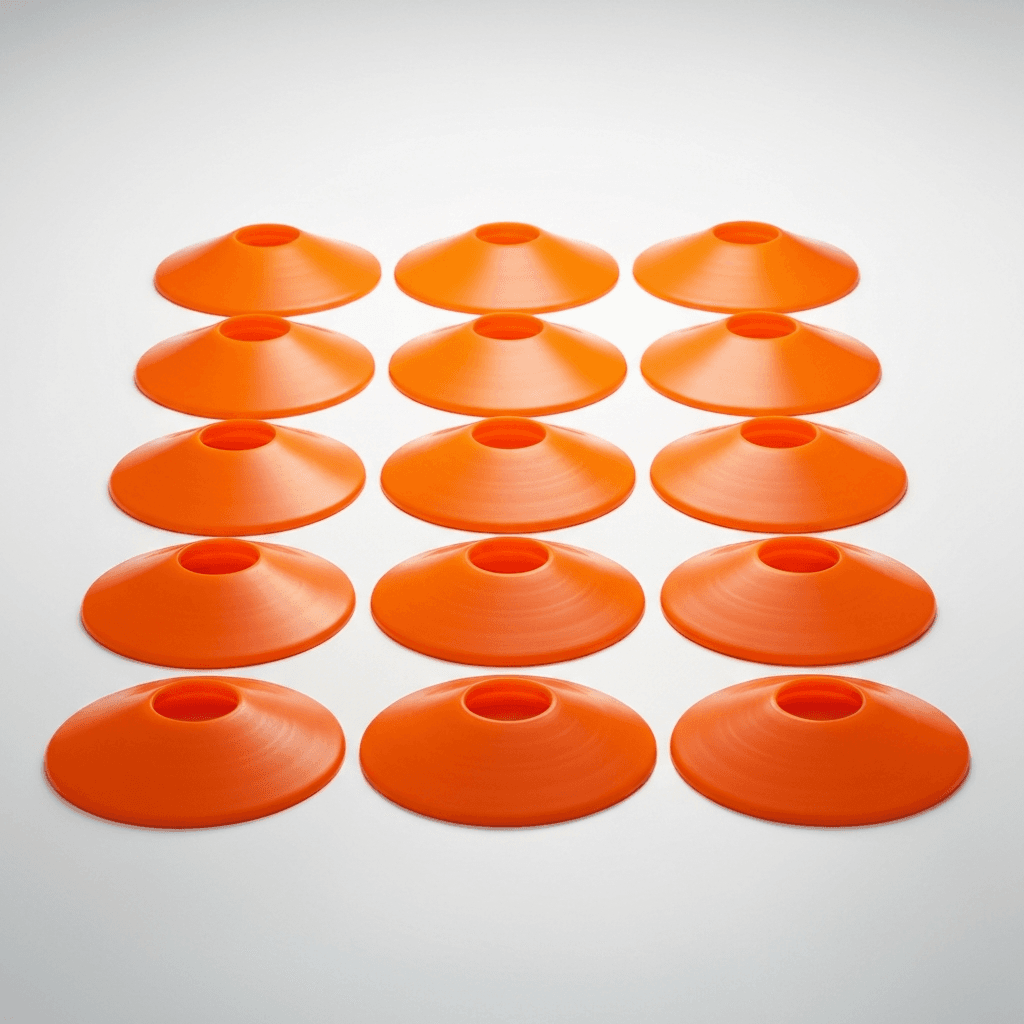
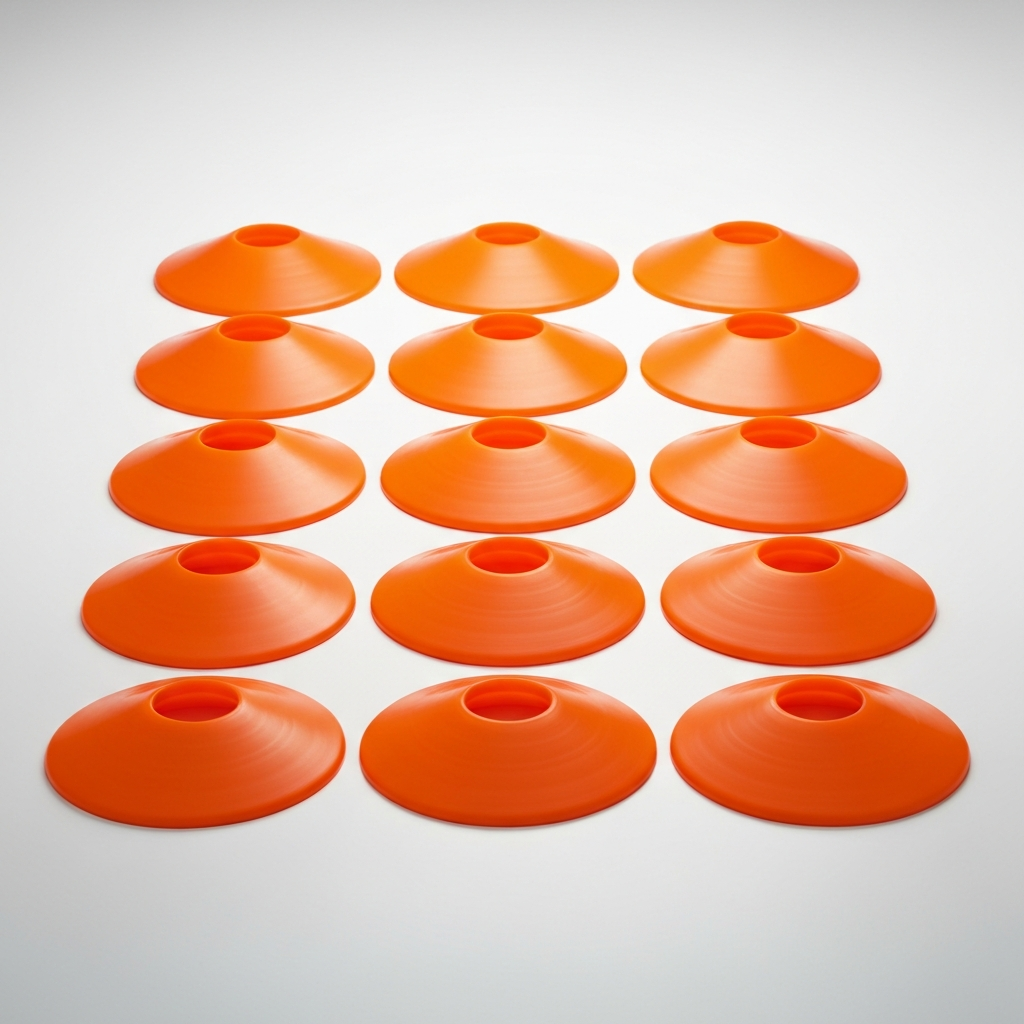
Next 20 minutes — Spot shooting with movement: Catch from different angles, from off screens simulated by cones, from after two dribbles. The variety prevents the grooved-but-transfer-limited practice of pure stationary shooting.
Final 15 minutes — Ball handling under constraints: Two-ball work, weak-hand dominant, around obstacles. Work that is genuinely difficult and produces frequent mistakes — because mistakes are what improvement looks like in deliberate practice.
Frequently Asked Questions
What can I actually work on alone in basketball?
Four skills transfer well from solo practice: shooting mechanics (the release, shot pocket, footwork, follow-through — all correctable with video feedback), ball handling foundation (the basic neurological programming of dribbling without looking), footwork patterns (post moves, pull-up footwork, jab steps, cuts — repeated at game speed until automatic), and free throws (the most individually trainable skill in basketball). Each builds the physical substrate. The mistake is assuming that substrate alone is enough — it is the foundation, not the building. Get it right with focused solo work; bring it to live competition to develop the layer that solo work cannot build.
Is solo training as effective as team practice?
For some skills, yes; for others, no, and the distinction matters. Solo work cannot build decision-making under defensive pressure (the choice of which dribble move to use against a real defender), off-ball reads (when to cut, how to time movement to the ball and your own defender), or competitive resilience (making shots when the score is close and people are watching). These three live-game skills are why a player can have technically excellent handles in workouts and still turn the ball over in games. Solo and team practice are not interchangeable. Treat them as separate categories building separate skills.
What is "deliberate practice" and why does it matter for basketball?
Deliberate practice is the framework Anders Ericsson developed across four decades of expertise research, published in Peak: Secrets from the New Science of Expertise (2016). It has four characteristics: it pushes beyond your current ability level (not comfortable repetition), it involves immediate feedback (the ball going in is not enough — video, percentages, a coach's eye), it is mentally demanding (real practice is genuinely tiring in a different way than physical training), and it is specific to actual game conditions. Most solo workouts violate at least two of these. The reason a 300-free-throws-a-day player improves slowly is they are repeating a skill they have already mastered instead of pushing the edge of what they can do.
How long should a solo basketball workout be?
Sixty minutes, structured: 10 minutes of single-element technical work with video feedback, 15 minutes of footwork patterns linked to a shot, 20 minutes of spot shooting with movement (catch from different angles, off simulated screens), and 15 minutes of ball handling under genuine constraint (two-ball, weak-hand dominant, around obstacles). The mental exhaustion at the end is the signal it worked. If you are not tired after an hour, you were not focused for an hour — that is comfortable practice, which maintains your current level rather than raising it. Longer sessions tend to lose focus, not extend it.
Why isn't pure solo training enough to make me a great player?
Because basketball intelligence is built in competition, not in empty gyms. Kobe's 4 AM workouts, Curry's daily routines, Jordan's practice intensity — these stories are real, but the part the legend leaves out is that all three of them spent thousands of hours in live, competitive play across their careers. Deliberate practice gets you to the level where you can play; playing builds the things deliberate practice cannot. The most common mistake is treating them as interchangeable. Solo work is necessary, not sufficient. Add live runs, scrimmages, or competitive league play to your week — that is where the hours convert into game performance.
The mental exhaustion after a session built this way will be real. If you're not tired after an hour, you weren't focused for an hour.
Related guides
Bu analizi beğendiniz mi?
Bunun gibi daha fazla içeriği doğrudan gelen kutunuza alın.