Twenty-three rebounds. Eight blocked shots. Two points separating Portland from the Philadelphia 76ers on the road, in a hostile arena, with a championship at stake. When the final buzzer sounded in Game 6 of the 1977 NBA Finals, Bill Walton had just delivered what Jack Ramsay called the greatest basketball he had ever witnessed — and the Portland Trail Blazers were NBA champions for the first and only time in franchise history.
The number 32 hangs in the Moda Center rafters not merely because of one game, one series, or even one season. It hangs there because Bill Walton — for one extraordinary, injury-free campaign — was the most complete basketball player alive. Portland's retirement of #32 is the franchise's permanent acknowledgment that what happened in 1976-77 was singular, unrepeatable, and worth honoring forever.
From La Mesa to Westwood: Building the Most Complete Center of His Era
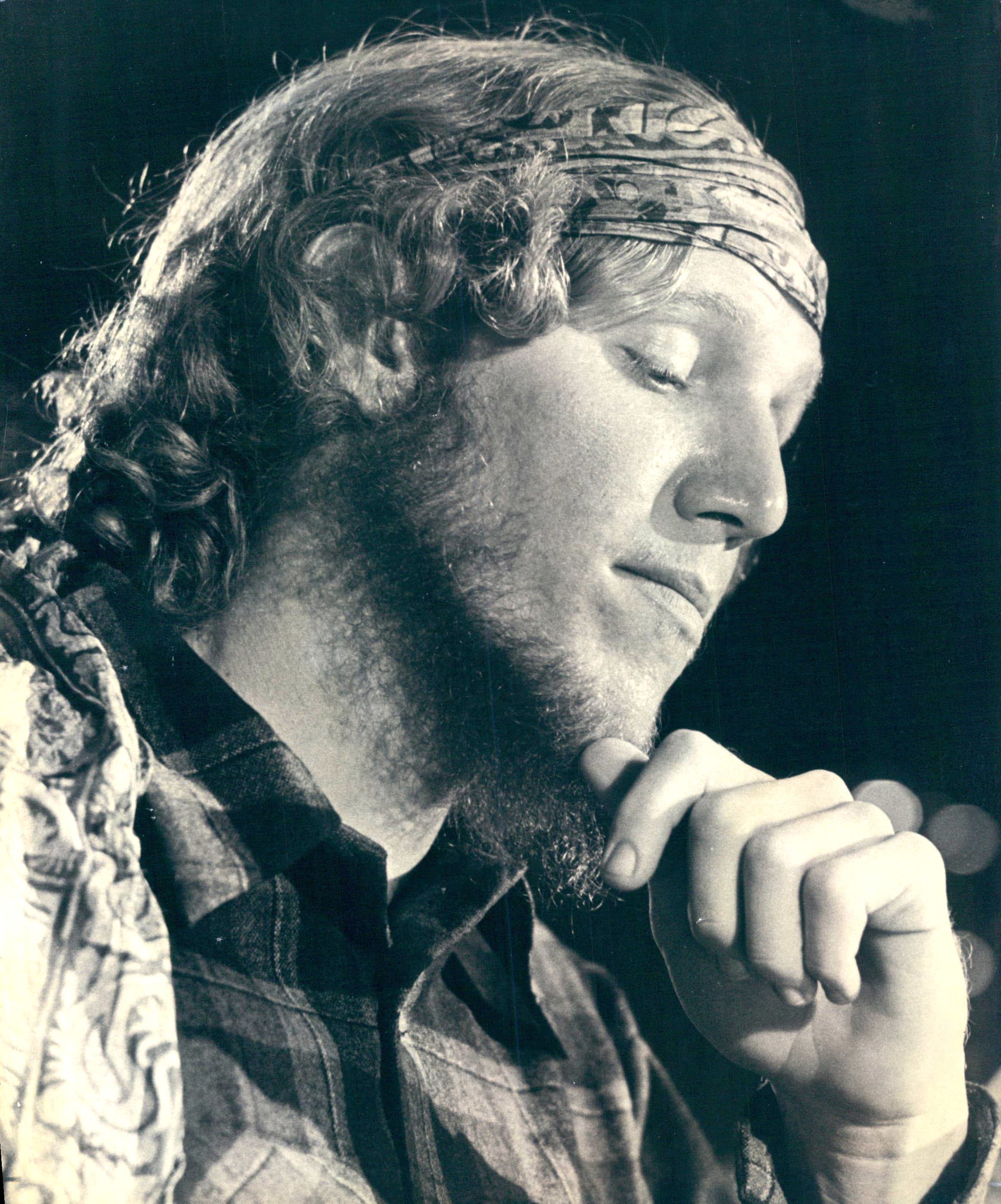
William Theodore Walton III was born November 5, 1952, in La Mesa, California, into a family where music and sport competed equally for his devotion. By the time he arrived at UCLA under John Wooden, the question was never whether he would be great — it was how great. The answer came immediately. Walton won two national championships (1972, 1973), was named the national Player of the Year three consecutive seasons, and shot 65% from the field in his final college year — numbers that described a center who had mastered every dimension of the position before his 22nd birthday.
The Portland Trail Blazers selected Walton first overall in the 1974 NBA Draft with the confidence that only generational talent generates. Early injuries made the first two seasons frustrating — glimpses of brilliance interrupted by the foot problems that would haunt his entire career. But in 1976-77, Walton was finally healthy, finally surrounded by the right teammates, and finally playing under a coach in Jack Ramsay whose team-first philosophy matched his own completely. What followed was the most complete team basketball season Portland has ever produced.
The 1977 Finals: The Comeback That Defined Rip City
The Trail Blazers entered the 1977 NBA Finals as underdogs against a Philadelphia 76ers team built around Julius Erving, George McGinnis, and Doug Collins. Philadelphia won the first two games in Memorial Coliseum — at home — and the basketball world largely wrote Portland off. What followed was unprecedented: four consecutive wins, including the final two in Philadelphia, made the Blazers the only team in NBA Finals history to win a championship after losing the first two home games.
Walton was the reason. His Finals averages — 18.5 points, 19.0 rebounds, 5.2 assists, and 3.0 blocks per game on 68.5% shooting — read less like a basketball box score and more like a logical impossibility. The 19.0 rebounds against a Philadelphia frontcourt that included McGinnis and Darryl Dawkins revealed a player whose positioning, timing, and anticipation were so advanced that even elite competition could not prevent him from controlling every missed shot. His 5.2 assists per game reflected a center who understood basketball as a team sport more completely than any player at his position ever had.
Game 6: The Greatest Individual Performance in Blazers History
If the Finals as a whole was extraordinary, Game 6 was singular. On the road in Philadelphia, with the 76ers desperate to extend the series, Walton posted 20 points, 23 rebounds, 7 assists, and 8 blocked shots in a two-point victory. The 23 rebounds in a championship-clinching game is a Finals record that stands nearly five decades later. The 8 blocks announced to anyone still uncertain that the most dominant defensive center in basketball was wearing a Trail Blazers uniform.
Lionel Hollins' steal and layup in the game's final seconds provided the image most associated with Portland's championship. But the foundation beneath that moment was built on Walton's 48 minutes of total dominance. Every 76ers offensive decision went through the calculation of what Walton would do. Every defensive possession ended with Walton positioned where the ball was going before the shooter had decided to release it. He did not just play center — he orchestrated Portland's entire basketball ecosystem from the middle of the paint.
Injuries, Resurrection, and a Legacy That Time Could Not Diminish
The cruelty of Walton's career is that injury robbed Portland of the dynasty the 1977 championship suggested was imminent. He fractured his foot the following season and missed significant time. The Blazers' window closed before it had fully opened. What should have been a decade of dominance was compressed into a single extraordinary season. Walton eventually departed for San Diego and later Boston, playing limited basketball through years of chronic pain that he would later describe in devastating detail.
The redemption came with the Celtics. Joining Boston in 1985-86 as backup center behind Robert Parish, Walton won the NBA Sixth Man of the Year award on a 67-win team and earned the second championship ring his talent had always deserved. He was inducted into the Naismith Memorial Basketball Hall of Fame in 1993 and named one of the NBA's 50 Greatest Players in 1996. He spent decades as one of basketball's most beloved broadcasters, his enthusiasm and idiosyncratic insight making him a unique voice in the sport he had served so completely as a player.
Why the Trail Blazers Retired #32
Bill Walton passed away on May 27, 2024, after years of living with the pain that had defined so much of his adult life. His death brought an outpouring from Portland — a city that had watched him play the most beautiful basketball it had ever seen for one golden season and never forgot what that looked like.
The #32 in the Moda Center rafters is the Trail Blazers' promise to themselves and their fans: that what happened in 1977 will never be forgotten. It is an acknowledgment that greatness of Walton's magnitude — even compressed into a single healthy season, even interrupted by injury before its full potential could unfold — is worth honoring permanently. The franchise has had celebrated players in the decades since. None of them have come close to what Bill Walton was, for one extraordinary year, in a Trail Blazers uniform.
When Portland fans look up at #32, they are looking at the franchise's highest point — the season when everything aligned, when the most complete center of his era was finally healthy, and when the Trail Blazers showed the basketball world exactly what they were capable of. That season deserves to live in the rafters forever. So does the man who made it possible.
Bu analizi beğendiniz mi?
Bunun gibi daha fazla içeriği doğrudan gelen kutunuza alın.