Why the Bucks Retired Oscar Robertson's #1: The Big O and the Championship He Waited His Whole Career For
Oscar Robertson waited his entire career for an NBA championship. He got it in Milwaukee in 1971 — orchestrating the most dominant Finals sweep in Bucks history.
Bu makale İngilizceden otomatik olarak çevrilmiştir.View original
Diosh Lequiron
··10 dk okuma·
M
Share
Bu sayfa ortaklık bağlantıları içermektedir. Bu bağlantılar üzerinden satın alma yaparsanız, size ek maliyet olmaksızın komisyon kazanabiliriz. As an Amazon Associate I earn from qualifying purchases.
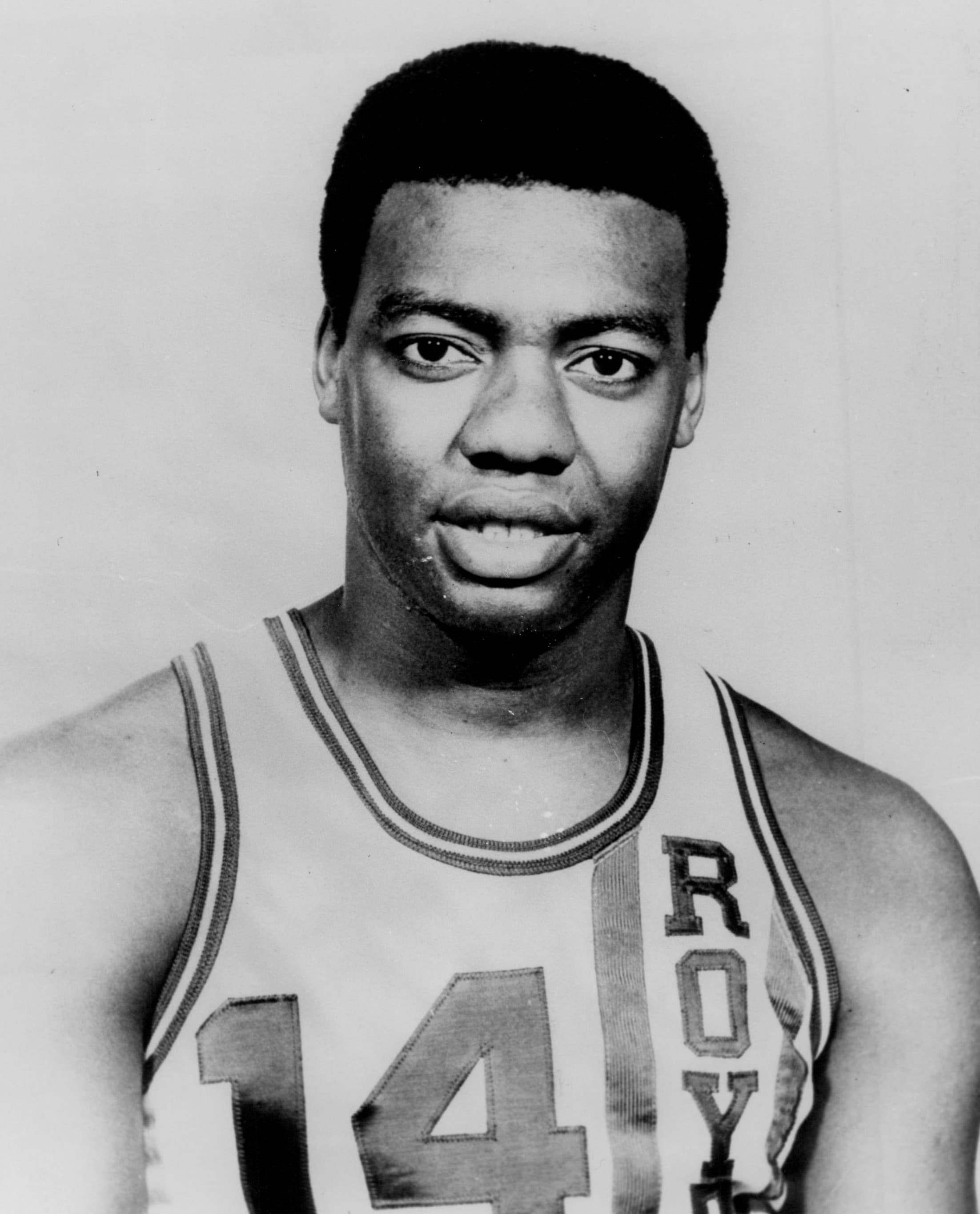
The Milwaukee Bucks raised Oscar Robertson's #1 to honor the player whose long championship wait finally ended in Wisconsin. Robertson had averaged a triple-double across the entire 1961-62 season — 30.8 points, 12.5 rebounds, and 11.4 assists, a full-season feat no one matched for 55 years, until Russell Westbrook in 2016-17 — and had been an MVP and twelve-time All-Star in Cincinnati without a ring. Traded to Milwaukee in 1970 at age 31, "The Big O" supplied the basketball intelligence to match a young Kareem Abdul-Jabbar's physical supremacy. He averaged 19.4 points and 8 assists in the 1971 Finals as the Bucks swept the Baltimore Bullets in four games for the title. Before Milwaukee, Robertson's landmark antitrust suit — the "Oscar Robertson Rule" — laid the groundwork for player free agency. #1 in the rafters honors a career spent becoming the greatest point guard of his era.
Oscar Robertson Milwaukee Bucks Autographed Mitchell & Ness Green Replica Jersey
What Robertson Brought to Milwaukee
Kareem Abdul-Jabbar was already in Milwaukee — the 22-year-old center who was the most physically dominant player in basketball. What the Bucks needed to transform from dominant regular-season team to championship-level contender was a point guard whose basketball intelligence matched Kareem's physical supremacy. Robertson provided exactly that. At 6'5" with elite strength and decades of professional mastery, he controlled tempo against every opponent Milwaukee faced. He eliminated transition basketball for teams who wanted to run. He found Kareem in the post from angles that defenders could not anticipate. He averaged 19.4 points and 8 assists in the 1971 Finals and never once let the Bullets find a rhythm.
Men's Mitchell & Ness Oscar Robertson Green Milwaukee Bucks Hardwood Classics Stitch Name & Number T-Shirt
The Big O did not need the championship to validate a career already validated a thousand times by performance. He needed it to complete it. And in Milwaukee, in 1971, against the Baltimore Bullets who fell in four games, he finally had it.
Walt Frazier New York Knicks & Oscar Robertson Milwaukee Bucks Autographed 16" x 20" Matchup Photograph
The Triple-Double Season That Still Defines Him
In 1961-62, Robertson averaged 30.8 points, 12.5 rebounds, and 11.4 assists per game for the entire season. No player would match that feat for a full season for 55 years, until Russell Westbrook did it in 2016-17. The statistics describe a player operating in a different dimension from his contemporaries — but Robertson's Milwaukee years add something the Cincinnati statistics cannot: proof that all of it was in service of winning.
Men's Mitchell & Ness Oscar Robertson White Milwaukee Bucks Hardwood Classics Swingman Jersey
The Robertson Rule
Before his Milwaukee years, Robertson had sued the NBA in a landmark antitrust case known as the Oscar Robertson Rule — a legal action that laid the groundwork for player free agency and reshaped the relationship between players and the league for generations. He was a basketball revolutionary on and off the court simultaneously, and Milwaukee benefited from the tail end of a career shaped by more than athletic greatness.
Men's Mitchell & Ness Oscar Robertson Green Milwaukee Bucks 1971/72 Hardwood Classics Swingman Jersey
Why #1 Is in the Rafters
Oscar Robertson came to Milwaukee as a veteran looking for the championship his talent deserved. He orchestrated one of the most dominant title runs in NBA history alongside a 24-year-old Kareem Abdul-Jabbar and helped establish the standard that Milwaukee basketball could aspire to. #1 in the Bucks' rafters honors the player whose championship wait ended in Wisconsin — and who delivered on the opportunity with the full mastery of a career spent becoming the greatest point guard of his era.
Unisex Nike Giannis Antetokounmpo Hunter Green Milwaukee Bucks Swingman Jersey - Icon EditionOscar Robertson Milwaukee Bucks Autographed Indoor/Outdoor Basketball with "HOF 79" InscriptionOscar Robertson Milwaukee Bucks Autographed Mitchell & Ness Green 1970-71 Authentic Jersey - Front Signed
Bu analizi beğendiniz mi?
Bunun gibi daha fazla içeriği doğrudan gelen kutunuza alın.
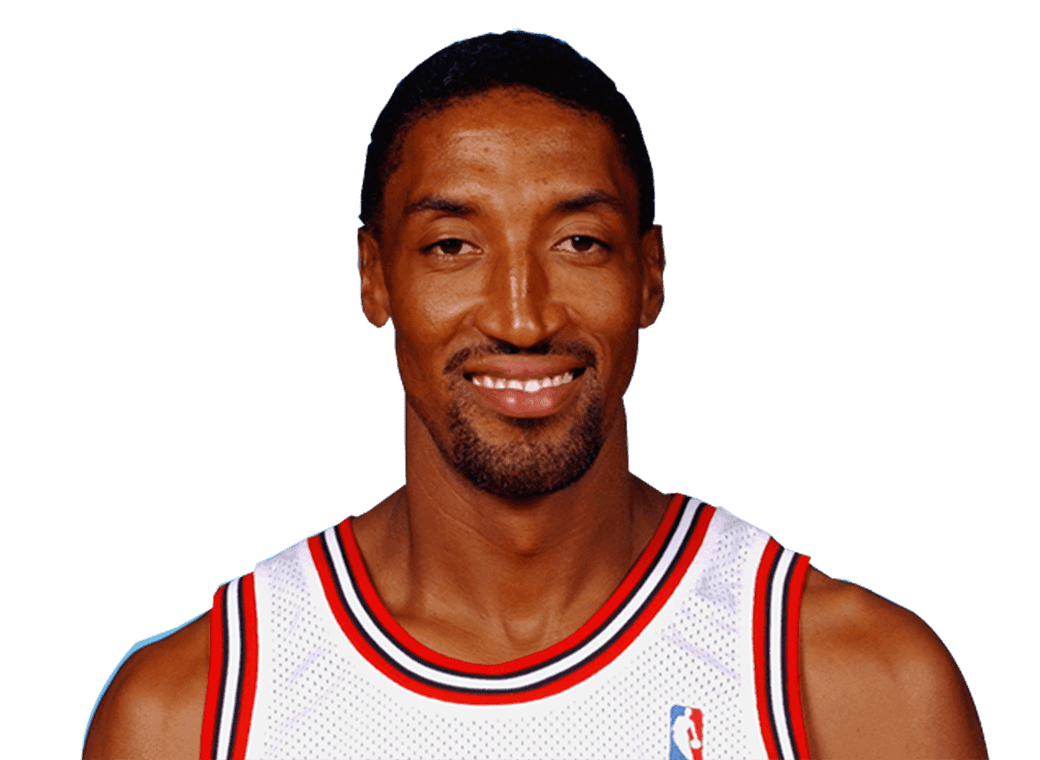
Scottie Pippen is the greatest example in basketball history of what it means to be exactly what your team needs. Without Pippen's #33, there is no second three-peat, no dynasty mythology, and arguably no six championships at all.
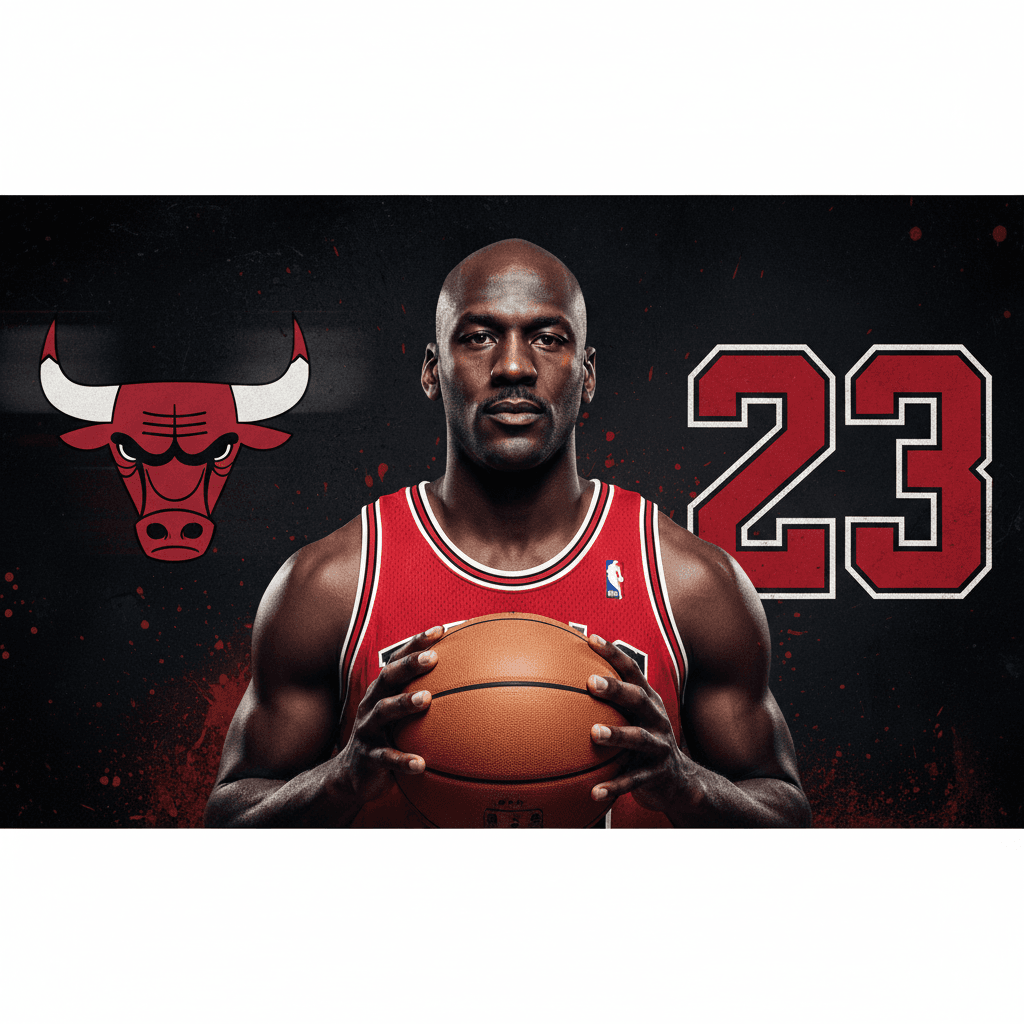
October 1, 1994: the Bulls retire #23 for the first time. Eighteen months later, Jordan faxed two words and they took it back down. The story of six championships, two three-peats, and the number that bent the gravity of basketball around itself.
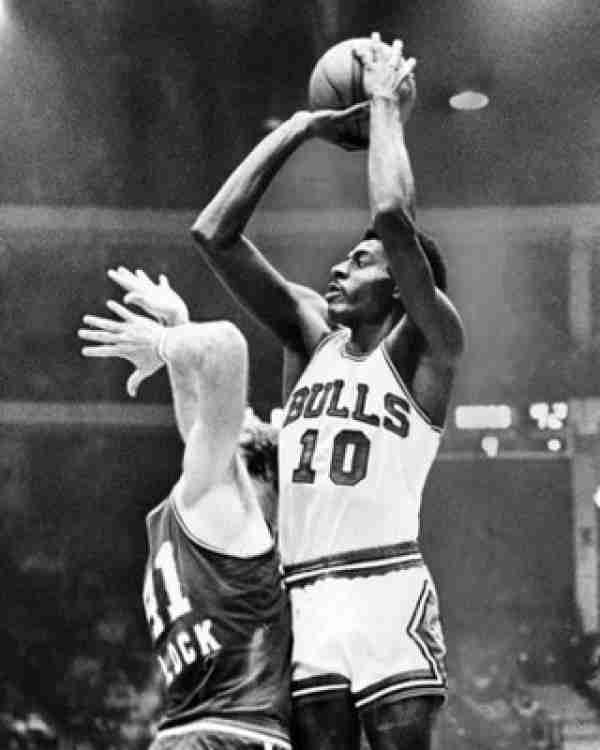
Bob Love was the Chicago Bulls' first great offensive player — a jump-shooting artist who averaged 21 points a game and made three All-Star teams. But the story of why the Bulls retired his #10 has as much to do with what happened after basketball as during it.