Bu sayfa ortaklık bağlantıları içermektedir. Bu bağlantılar üzerinden satın alma yaparsanız, size ek maliyet olmaksızın komisyon kazanabiliriz. As an Amazon Associate I earn from qualifying purchases.
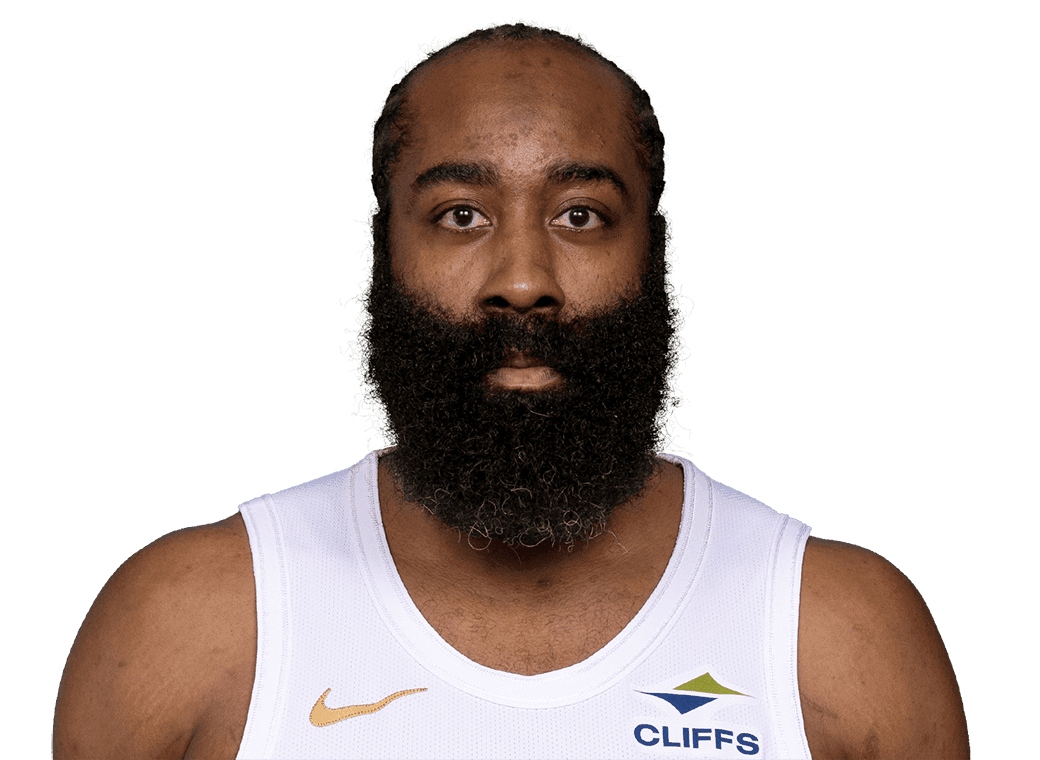
When the Houston Rockets acquired James Harden from the Oklahoma City Thunder in October 2012, they sent Kevin Martin, Jeremy Lamb, and three draft picks for a player who had been the Thunder's Sixth Man of the Year. The price looked steep then and a bargain ever since. Harden became the most dangerous offensive weapon Houston had seen since Hakeem Olajuwon, averaging more than 20 points in each of his eight Rockets seasons and 29 or more in four of them. He won the 2018 MVP behind a 30.4-point, 8.8-assist average on a 65-win team, then averaged 36.1 the next year — the highest mark since Michael Jordan's 1986–87. He requested a trade and left in January 2021, so #13 does not yet hang in the Toyota Center. But when his career ends, the case for retiring it rests on one of the most extraordinary scoring bodies of work in franchise history.
The Oklahoma City Departure and Houston's Gift
Harden spent three seasons in Oklahoma City as the Sixth Man of the Year and a crucial piece of the Thunder's 2012 Finals run alongside Kevin Durant and Russell Westbrook. But OKC couldn't afford to pay all three, and Harden was the odd man out. The Rockets sent Kevin Martin, Jeremy Lamb, and three draft picks to acquire him — a price that looked steep in the moment and has looked like a bargain ever since.

From the moment he arrived in Houston, Harden operated as the primary option. The Rockets built their entire offensive system around his unique skill set: the step-back three, the drive-and-kick, the free-throw generation that made him arguably the most efficient scorer in league history. He averaged more than 20 points per game in each of his eight seasons with the Rockets, and in four of those seasons he averaged 29 or more.

The MVP Season and the Peak
The 2017–18 season was the greatest individual performance in Rockets history since Hakeem's 1994 MVP year. Harden averaged 30.4 points, 8.8 assists, and 5.4 rebounds per game and won the NBA MVP by a landslide. That Rockets team finished 65–17 — the best record in franchise history — and came within one game of reaching the NBA Finals, losing to the Golden State Warriors in Game 7 of the Western Conference Finals on a historically cold shooting night.

In three of his last four Houston seasons, Harden led the NBA in scoring. His 2018–19 season, in which he averaged 36.1 points per game, was the highest single-season scoring average since Michael Jordan's 37.1 in 1986–87. He did it with an efficiency that made his scoring totals even more absurd — he generated more free throw attempts, made more three-pointers, and created more offense per possession than virtually anyone in NBA history.

The Beard and Houston's Identity
Harden became synonymous with Houston in ways that transcended basketball. The beard. The step-back. The nightlife stories that became part of his mythology. He was not a quiet superstar. He was loud, expressive, maximalist — and perfectly matched to a city that operates the same way. Houston embraced him completely, and he gave the city eight years of entertainment that turned every game into an event.

He was also a genuinely important figure in the community. His James Harden Foundation ran youth basketball camps and education programs across Houston. In March 2020, at the beginning of the COVID-19 pandemic, he donated $1 million to Houston food banks. His relationship with the city was reciprocal in the most meaningful way.

The Case for #13 in the Rafters
James Harden requested a trade and left Houston in January 2021. He has since suited up for the Brooklyn Nets, the Philadelphia 76ers, the LA Clippers, and the Cleveland Cavaliers — still chasing the championship that eluded him in Houston. The circumstances of his departure were complicated, and as of today his #13 is not yet hanging in the Toyota Center rafters. But when his playing days end, the case for the Rockets to retire it will rest on one of the most extraordinary individual bodies of work in franchise history.

He is among the Rockets' all-time leaders in three-pointers made, free throws attempted, and free throws made. He made eight All-Star teams as a Rocket, won the 2018 MVP, and was a First Team All-NBA selection multiple times in Houston. Whatever happened at the end, James Harden gave Houston eight years of basketball that no fan who watched it will ever forget. When his career ends, #13 belongs in those rafters.

Bu analizi beğendiniz mi?
Bunun gibi daha fazla içeriği doğrudan gelen kutunuza alın.