Diese Seite enthält Affiliate-Links. Wir erhalten möglicherweise eine Provision, wenn Sie über diese Links kaufen, ohne zusätzliche Kosten für Sie. As an Amazon Associate I earn from qualifying purchases.
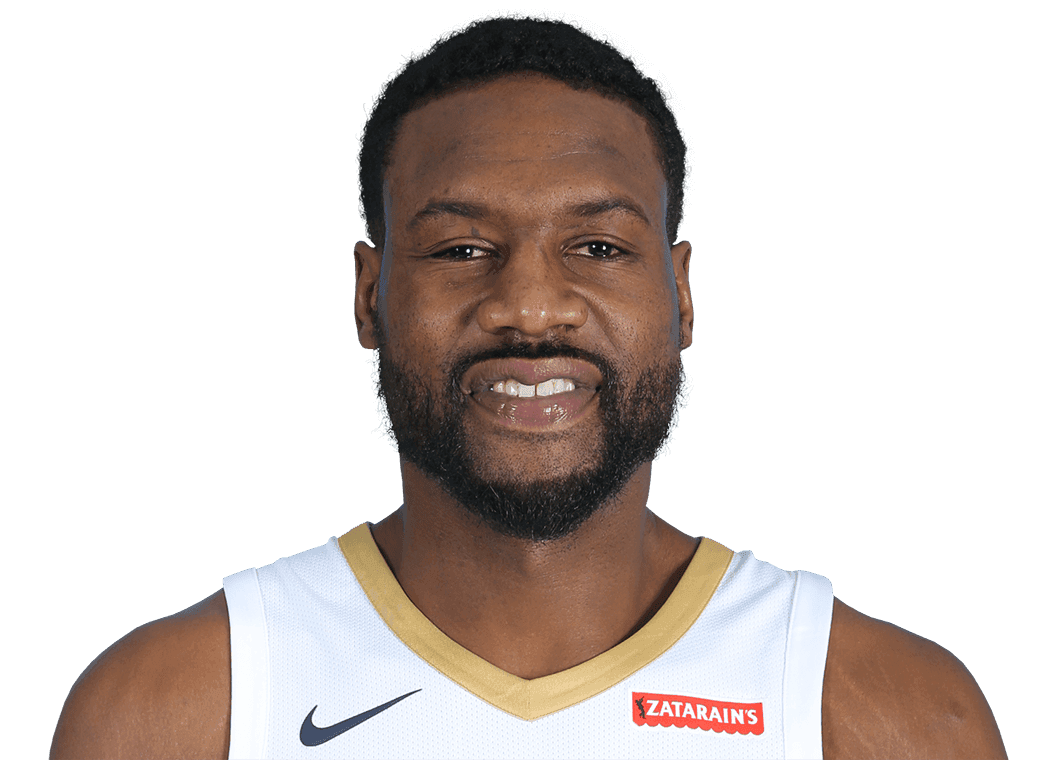
When the Memphis Grizzlies retired Tony Allen's #11 in 2023, they retired the most important number in Grit and Grind history. Allen arrived in July 2010 after five seasons with the Boston Celtics, including the 2008 championship, valued there as a perimeter defender with a limited offensive role. Memphis transformed him into the most physically demanding defender in the Western Conference, and teammates and fans organically named him the Grindfather. He was a six-time All-Defensive First Team selection, including four straight from 2011-12 through 2014-15, holding Kevin Durant below his average in a 2011 playoff series and disrupting the league's best guards. His defense was the engine of the 2013 Western Conference Finals run, the highest achievement in franchise history. Over seven Memphis seasons he averaged 11.2 points and 4.3 rebounds while delivering defensive value those numbers cannot reflect. #11 hangs beside Zach Randolph and Marc Gasol, completing the Grit and Grind banners.
The Making of the Grindfather
Tony Allen arrived in Memphis in July 2010 after five seasons with the Boston Celtics, including an NBA championship in 2008. He was known in Boston as an excellent perimeter defender and a limited offensive contributor. Teams around the league valued his defense while managing expectations about his offensive role. He was a rotation player, a specialist.
Memphis transformed him into something else entirely. Under coach Lionel Hollins, Allen was given the freedom and responsibility to be what he naturally was: the most physically demanding, mentally committed defender in the Western Conference. The Grizzlies built their identity around defense, and Allen became its most visible and uncompromising practitioner.
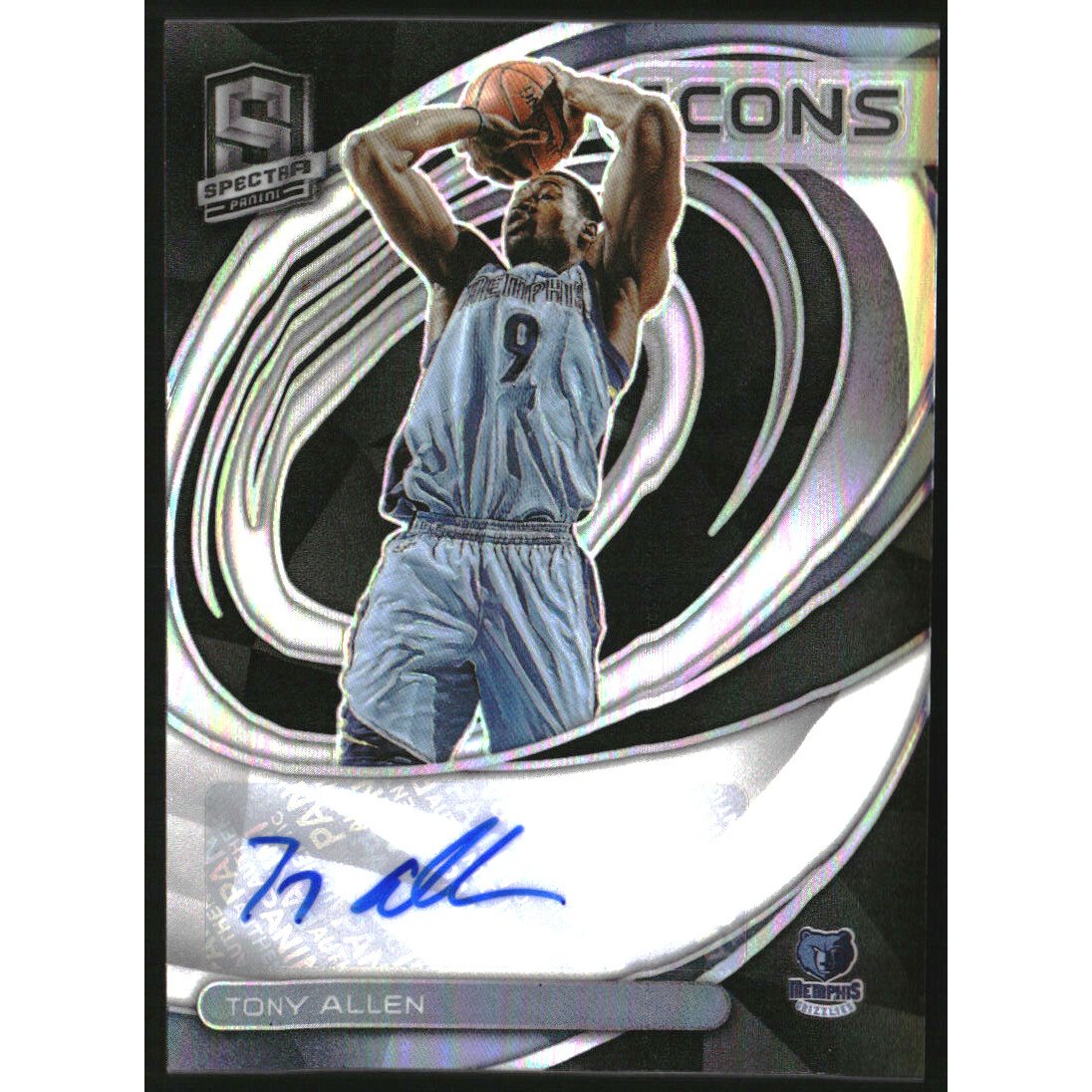
His nickname — the Grindfather — was not given to him by a marketing team. It came organically from teammates and fans who watched him work, because what Allen did on a basketball court looked less like sport and more like labor. Every possession was personal. Every defensive assignment was a challenge he accepted without reservation and executed without mercy.
What He Did on Defense
Statistics struggle to capture Tony Allen's defensive contributions because the most significant ones never appear in a box score. They show up in misses, in hesitations, in guards who went left instead of right because Allen had taken the right side away from them before they touched the ball.

He was named to the NBA All-Defensive First Team six times — four consecutive selections from 2011-12 through 2014-15. In those years, he was arguably the best on-ball perimeter defender in basketball. Opponents shot significantly worse when Allen guarded them. Coaches game-planned specifically to avoid putting their best scorers in his path.
He held Kevin Durant below his season average in a 2011 first-round playoff series. He routinely neutralized Kobe Bryant, Chris Paul, and Steph Curry in playoff matchups. He disrupted Russell Westbrook's rhythm in the 2013 Western Conference playoffs when Memphis was advancing deep into the bracket. These are not small achievements — these are statements about the gap between Allen's defensive commitment and what everyone else was doing.
The Grit and Grind Identity
The Memphis Grizzlies of the early 2010s were built on a simple proposition: they would out-work every team they faced. They would make scoring difficult, rebounding painful, and transition basketball impossible. They would play the entire 48 minutes at the same defensive intensity regardless of the score or the opponent.
Allen was the person who made that proposition credible. His teammates — Zach Randolph, Marc Gasol, Mike Conley, Rudy Gay — were talented enough to execute the offensive side of the equation. Allen provided the defensive standard that no opponent could match. When he ran at a ball handler off a screen, the rest of the defense knew where to be because Allen's pressure forced the read. When he intercepted a pass in the passing lane, it was because he had spent the entire possession studying what the opposing point guard wanted to do.
The 2013 Western Conference Finals run required Allen to guard different scorers in every round. He did it for all of them. Memphis eliminated the Los Angeles Clippers, then the Oklahoma City Thunder, before falling to San Antonio in six games. That postseason remains the highest achievement in franchise history, and Allen's defense was the engine that made it possible.
The Moments That Defined Him
There is a single play that distills Tony Allen's Grizzlies career into one image. It is not a made shot, though he had several memorable scoring moments. It is a chase-down play, or a deflection, or a dive on the floor for a loose ball. The specific play changes depending on who you ask, because there were so many of them.

Allen dove on the floor so often that Memphis fans came to expect it. He treated every loose ball as a moral obligation. He sprinted back on defense in situations where other players jogged. He took charges in the final minutes of games against players thirty pounds heavier than him. He did all of this while earning relatively modest contracts compared to the impact he delivered — which, itself, says something about how Allen oriented his relationship to basketball.
He wanted to win. He wanted to stop his man. The scoreboard was the mechanism by which those desires were measured, not the point of the exercise.
A City That Recognized Itself in Him
Memphis is a city that does not receive sufficient recognition for what it contributes — to music, to culture, to American life broadly. Its residents are accustomed to being underestimated and have developed, as a consequence, a particular pride in hard work that doesn't seek external validation.
Tony Allen embodied that disposition completely. He was not the player you drafted first or marketed first. He was the player who made everything else work. He was indispensable in the way that the most important contributors often are — invisible to those who don't watch closely, obvious to everyone who does.

The city recognized something of itself in him, and the connection that formed was one of the most authentic relationships between a player and a market in NBA history. When Allen was at his best, FedExForum was at its loudest. Not because of what he scored, but because of what he prevented.
The Honor
The Grizzlies retired #11 in 2023, completing the hanging of the three banners that represent the Grit and Grind era. Alongside Zach Randolph and Marc Gasol, Allen's number tells the story of a team that reached a Western Conference Finals, made the postseason six straight years, and gave Memphis basketball credibility it has never lost.
The Grindfather played seven seasons in Memphis, averaging 11.2 points and 4.3 rebounds while providing defensive value that those numbers don't begin to reflect. He left the franchise better than he found it, in exactly the same way the greatest players always do.
The number eleven now means something specific in Memphis. It means the standard. It means the effort. It means that basketball, at its most honest, is not about what you score — it's about whether you were willing to grind.
Gefällt Ihnen diese Analyse?
Erhalten Sie weitere Analysen wie diese direkt in Ihr Postfach.