This page contains affiliate links. We may earn a commission if you purchase through these links, at no extra cost to you. As an Amazon Associate I earn from qualifying purchases.
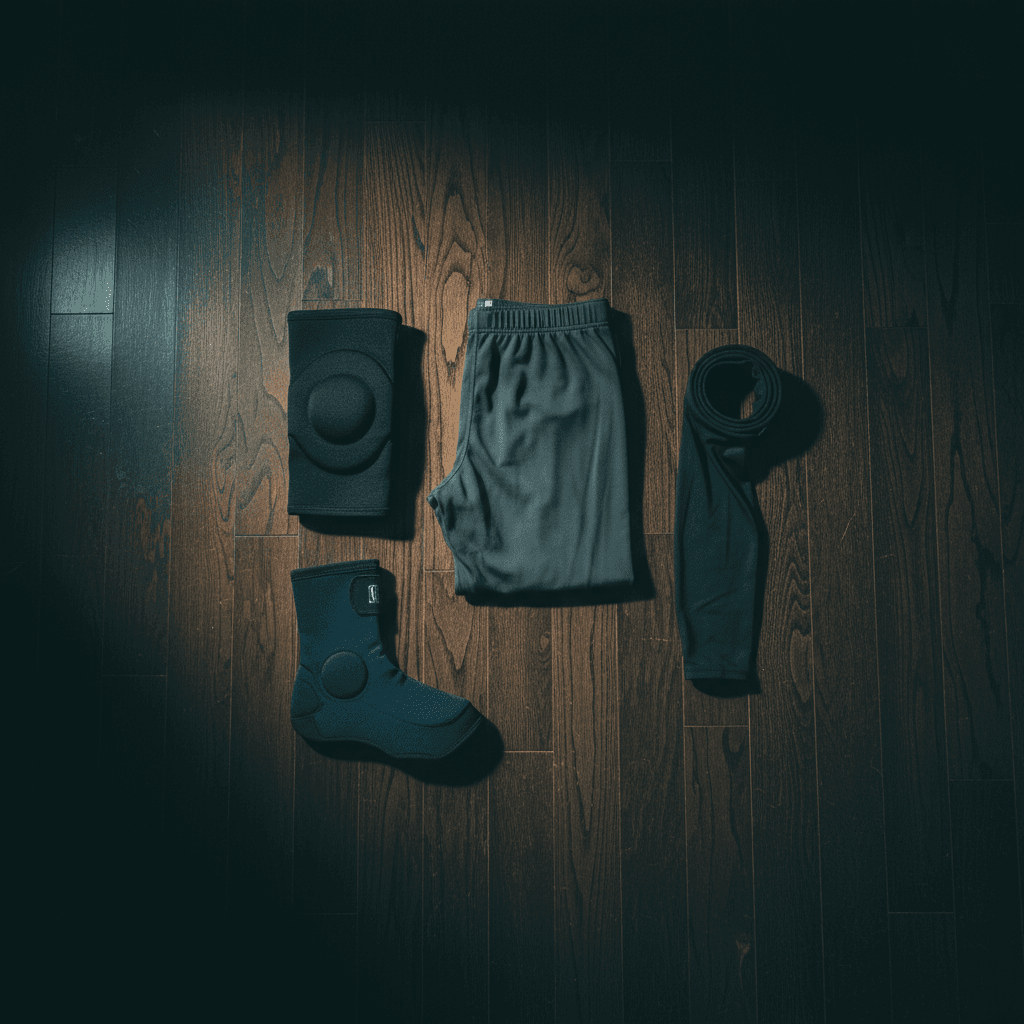
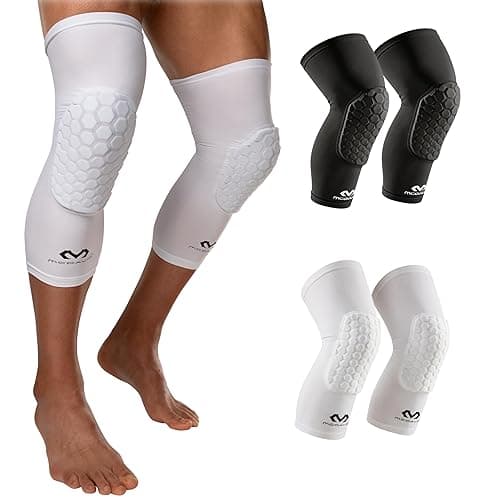
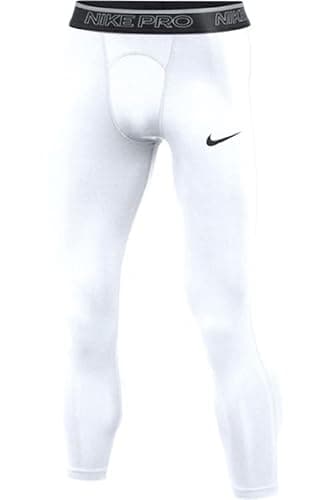
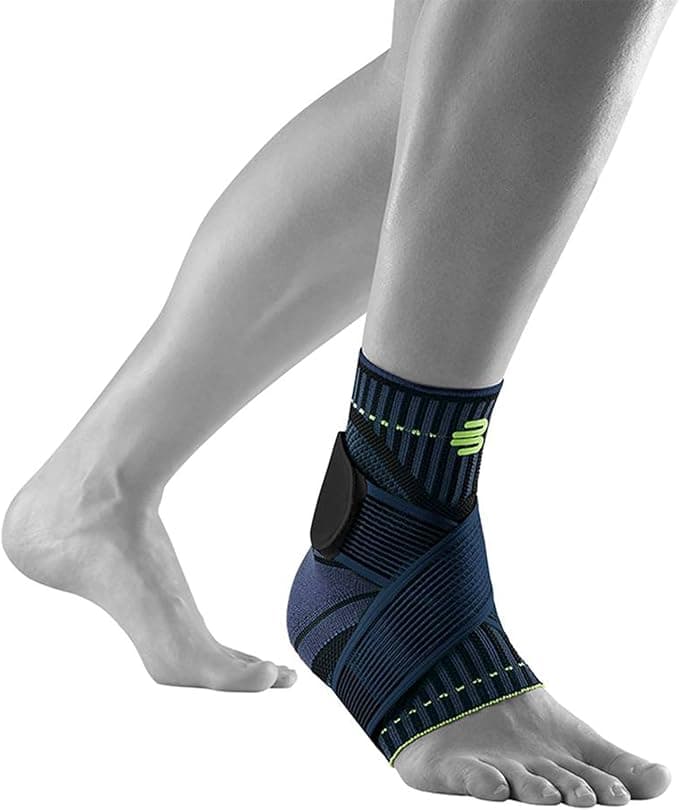
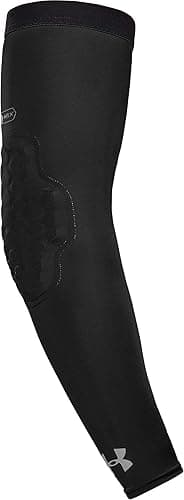
Compression gear is the most oversold category in basketball equipment, and this guide separates what it actually does from what it is marketed to do. The honest verdict: the evidence supports recovery between sessions, muscle warmth during bench and timeout time, and subjective joint stability through proprioceptive feedback — but not performance enhancement during play and not injury prevention. Four pieces justify their cost. The McDavid HEX knee sleeve ($30-40) suits players with mild knee discomfort or a post-injury return-to-play, adding light impact protection without restricting mobility. Nike Pro compression tights ($45-60) aid recovery worn post-training and keep leg muscles warm during games. The Bauerfeind Sports ankle sleeve ($35-50) gives proprioceptive support for players with previous sprains, though it is explicitly not a brace and does not prevent ankle rolls. The Under Armour Select arm sleeve ($20-30) offers mild elbow warmth for shooters. If you have no injury history and adequate recovery, compression adds cost without measurable benefit.

What Compression Gear Actually Does
What the Evidence Supports
- Recovery between sessions: Compression garments worn after training improve venous return (blood flow back to the heart), which may reduce perceived muscle soreness. Multiple studies show athletes wearing compression during recovery report less soreness 24-48 hours later.
- Muscle warmth during play: Tight-fitting garments retain body heat, keeping muscles warm during timeouts, halftime, and bench time. For players who check in and out frequently, this reduces the re-warmup lag.
- Subjective joint stability: Knee and ankle sleeves provide proprioceptive feedback — your brain receives more information about joint position through the compression contact. This is not the same as structural support (which requires a brace), but many players report feeling more stable.
What the Evidence Does NOT Support
- Performance enhancement during play: No credible study shows compression gear makes you faster, jump higher, or play longer during a game. If it did, every NBA player would wear full-body compression. They do not.
- Injury prevention: Compression sleeves do not prevent ACL tears, ankle sprains, or muscle strains. Structural braces provide injury prevention for previously injured joints. Compression provides warmth and awareness, not structural protection.
Recommended Compression Gear
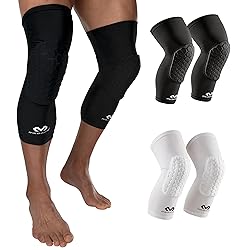
Knee Sleeve: McDavid HEX ($30-40)
Best for: Players with mild knee discomfort, post-injury return-to-play

The HEX padding provides light impact protection on drives and rebounds without restricting mobility. The compression fabric maintains knee warmth during play. Available in various thicknesses — start with the standard thickness before going to maximum compression.
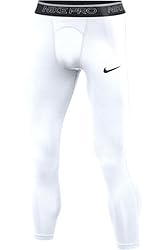
Compression Tights: Nike Pro ($45-60)
Best for: Recovery between training sessions, keeping muscles warm during games
Full-length compression tights worn under shorts. The quad and hamstring compression aids recovery when worn post-training. During games, they keep leg muscles warm during bench time. The fabric wicks moisture effectively, which matters during high-intensity play.
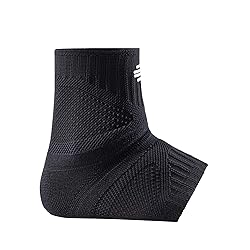
Ankle Sleeve: Bauerfeind Sports Ankle ($35-50)
Best for: Players with previous ankle injuries who want proprioceptive support
The anatomically-shaped knit provides targeted compression around the ankle joint without restricting range of motion. This is NOT a brace — it does not prevent ankle rolls. What it does: gives your brain better information about ankle position during cuts and landings, which helps players who have had previous sprains compensate more effectively.

Arm Sleeve: Under Armour Select ($20-30)
Best for: Elbow stability for shooters, mild warmth for outdoor play
The single arm sleeve (shooting arm) has become common in basketball for a reason: it provides mild elbow compression that some shooters find improves consistency, and it keeps the shooting arm warm during breaks. The performance benefit is largely placebo — but placebo works if it makes you more confident in your shot.


When to Skip Compression
- No injury history, no soreness: If your joints feel fine and your recovery is adequate, compression gear adds cost without measurable benefit
- Instead of proper recovery: Sleep, nutrition, and hydration do more for recovery than any garment. Compression on top of poor recovery habits is treating the symptom
- For structural support: If you have a diagnosed ligament issue, see a sports medicine provider for a proper brace. Compression sleeves are not medical devices
For shoes that pair with your gear, see our Best Basketball Shoes 2026 position guide. For full training setup, see Training Equipment 2026.
Enjoying this analysis?
Get more breakdowns like this delivered to your inbox.