This page contains affiliate links. We may earn a commission if you purchase through these links, at no extra cost to you. As an Amazon Associate I earn from qualifying purchases.
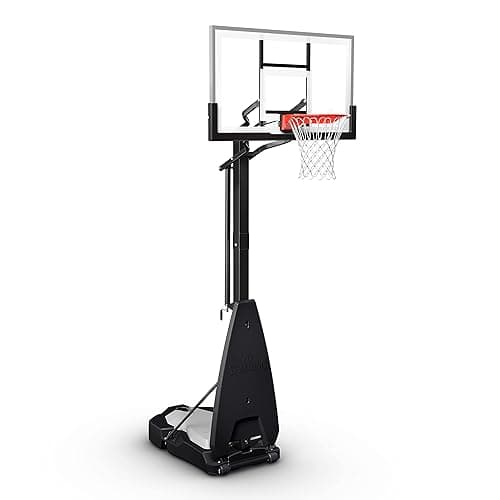
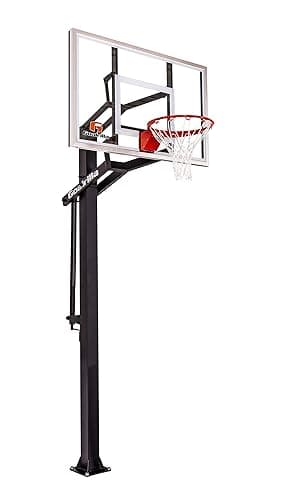
A driveway hoop is the single best investment for consistent basketball improvement — players with home hoops practice three to four times more per week than those who depend on gym access, because the convenience removes the friction that kills consistency. This guide breaks down the best options by budget and space. The budget Spalding Exactaheight Portable ($300-350) pairs a 44-inch acrylic backboard with tool-free height adjustment from 7.5 to 10 feet and a water- or sand-filled base — adequate for families and casual daily shooting. The mid-range Goalrilla FT Series ($500-700) uses a 54-inch tempered glass backboard with steel-frame, in-ground stability that portable systems cannot match, suiting serious daily training and bank-shot work. The premium Mega Slam 72 ($1,200-1,500) delivers a full regulation 72-inch tempered glass backboard with an adjustable-tension breakaway rim — the closest thing to a gym you can install at home. Check HOA rules before any permanent install.
Related: Best Basketball Training Equipment 2026
What to Consider
- Backboard size: 44" for casual play and small spaces, 54" for serious practice, 60"+ for regulation feel
- Base type: Portable (water/sand-filled base, movable) vs in-ground (cemented, permanent, more stable)
- Adjustable height: Essential for households with younger players. Even adults benefit for finishing drills
- Backboard material: Acrylic (best rebound response), polycarbonate (durable, less rebound), tempered glass (regulation feel, fragile in weather)
Best Hoops by Budget
Budget: Spalding Exactaheight Portable ($300-350)
Best for: First hoop, families, casual players
44" acrylic backboard with tool-free height adjustment from 7.5 to 10 feet. The portable base fills with water or sand for stability. Adequate for daily shooting practice and driveway pickup games. Not competition-grade, but handles years of recreational use.

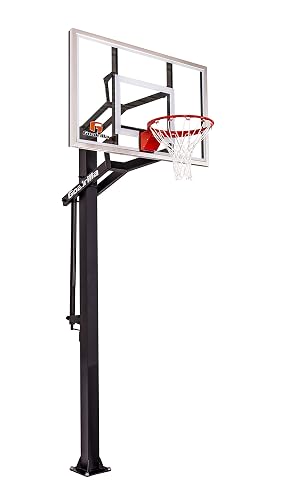
Mid-Range: Goalrilla FT Series ($500-700)
Best for: Serious players, daily training
54" tempered glass backboard with steel-frame construction. In-ground installation provides stability that portable systems cannot match — important for practicing bank shots and layup finishes where backboard response matters. The FT series uses a one-piece pole that reduces vibration on rim contact.
Premium: Mega Slam 72 ($1,200-1,500)
Best for: Home courts, competitive players, regulation practice
72" tempered glass backboard — full regulation size. In-ground installation with commercial-grade hardware. The rim is breakaway with adjustable tension. This is the closest to a gym experience you can install at home. Expensive, but for players who practice daily, the cost per session over 10+ years is negligible.
Installation Tips
- Check HOA rules first. Some associations restrict permanent basketball installations.
- Concrete base for in-ground systems: Minimum 24x24x24 inch hole. Let cure 72 hours before mounting.
- Orientation: Face the hoop away from the street to avoid balls rolling into traffic.
- Lighting: A $30 LED flood light extends practice into evening hours — doubles the usable training window.
For basketballs to use on your new hoop, see our Outdoor Basketballs guide. For complete training setup, see Training Equipment 2026.
Related guides
Enjoying this analysis?
Get more breakdowns like this delivered to your inbox.