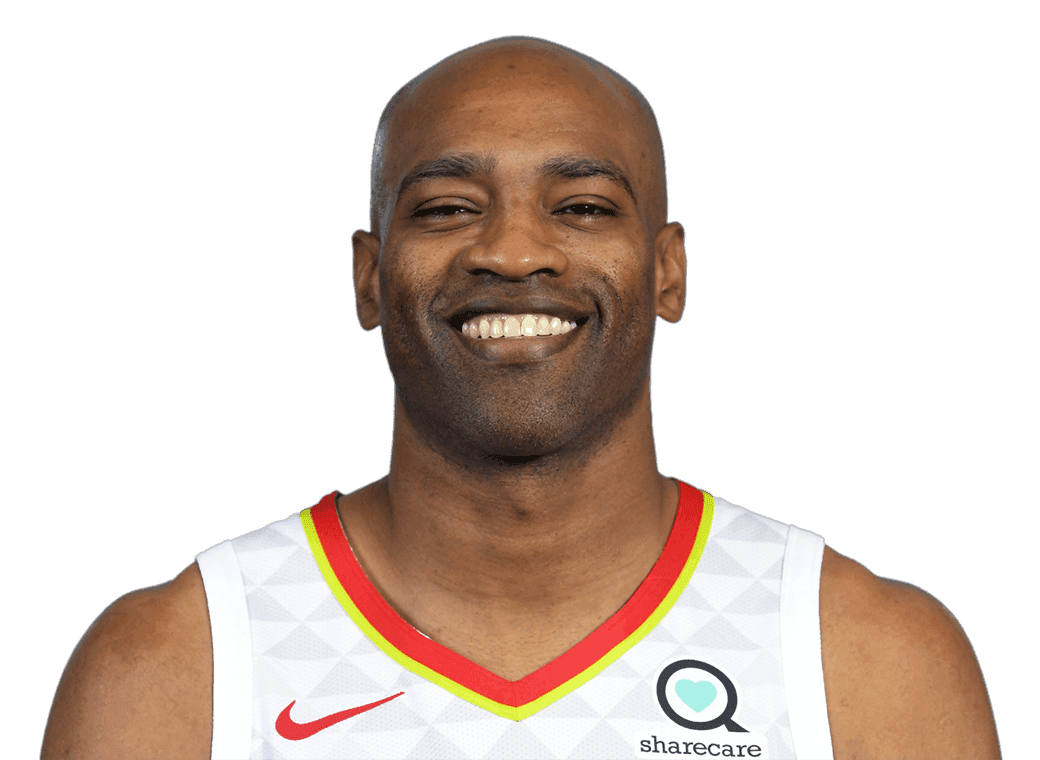
Lou Hudson spent 11 seasons as the Atlanta Hawks most reliable scorer — a six-time All-Star whose fluid, effortless game earned him the nickname Sweet Lou and a retired #23 that honors a decade of professional excellence.
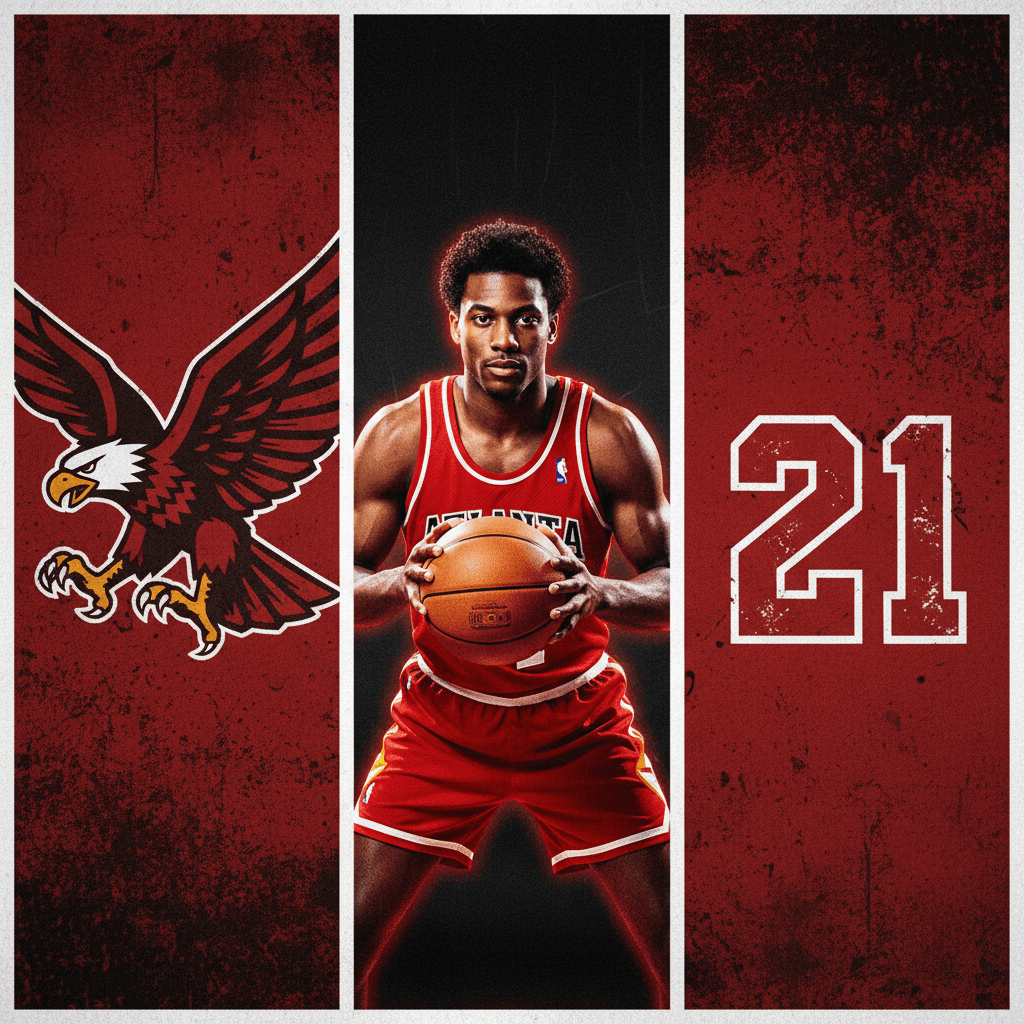
The Human Highlight Film. A 1986 scoring title, the 1988 dunk-contest duel with Jordan, 47 points in a Game 7 loss to Bird. Why the Hawks retired Dominique Wilkins' #21.
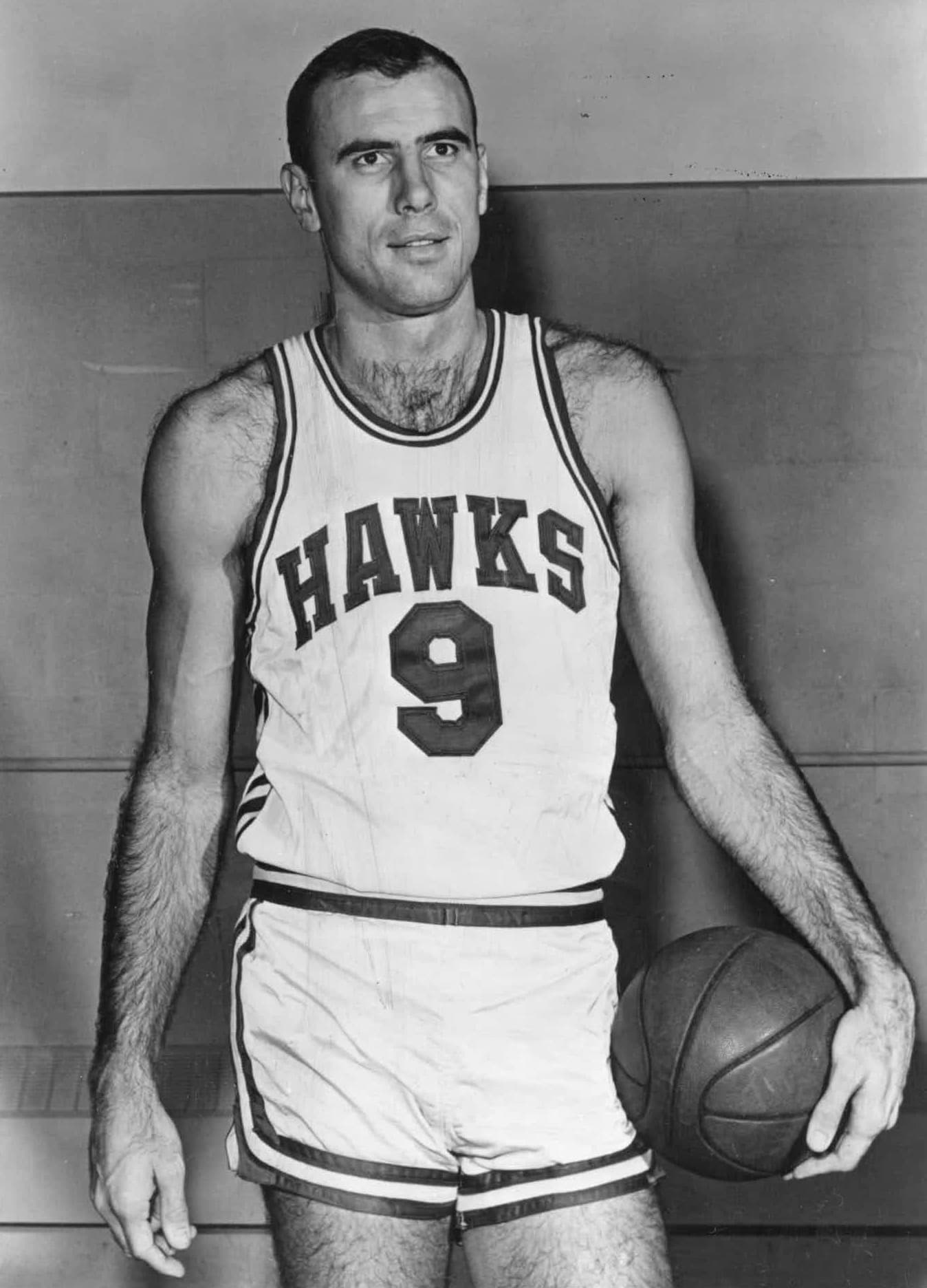
Bob Pettit scored 50 points in Game 6 to win the 1958 NBA championship — the only title in franchise history. His #9 hangs in the rafters as proof of what one great player can accomplish on the game greatest stage.
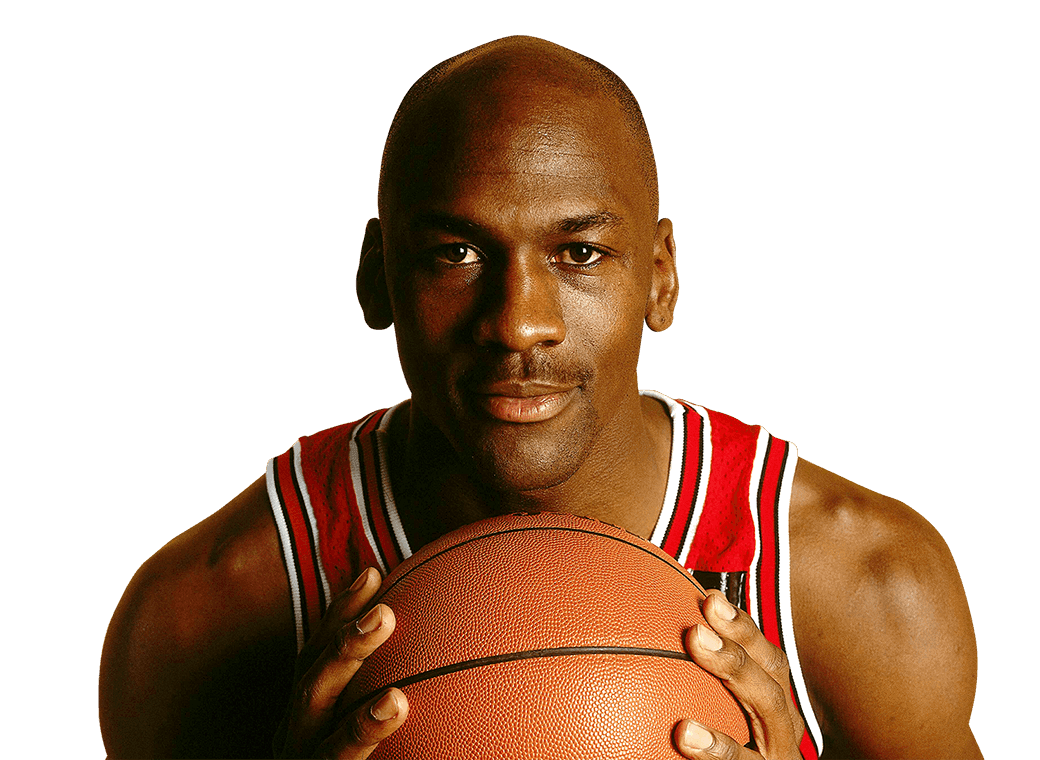
In 2003, the Miami Heat made the rare gesture of retiring a number for a player who never wore their uniform — honoring Michael Jordan's #23 as a tribute to basketball's greatest player.
Tim Hardaway's killer crossover and relentless playmaking made Miami a playoff powerhouse in the late 1990s, earning him a permanent place in franchise history.
Chris Bosh sacrificed individual stardom to become the critical third piece of Miami's Big Three, earning back-to-back championships before blood clots ended his career prematurely.
Alonzo Mourning overcame kidney disease and a transplant to win the 2006 championship with Miami, earning two Defensive Player of the Year awards and a place in the Hall of Fame.
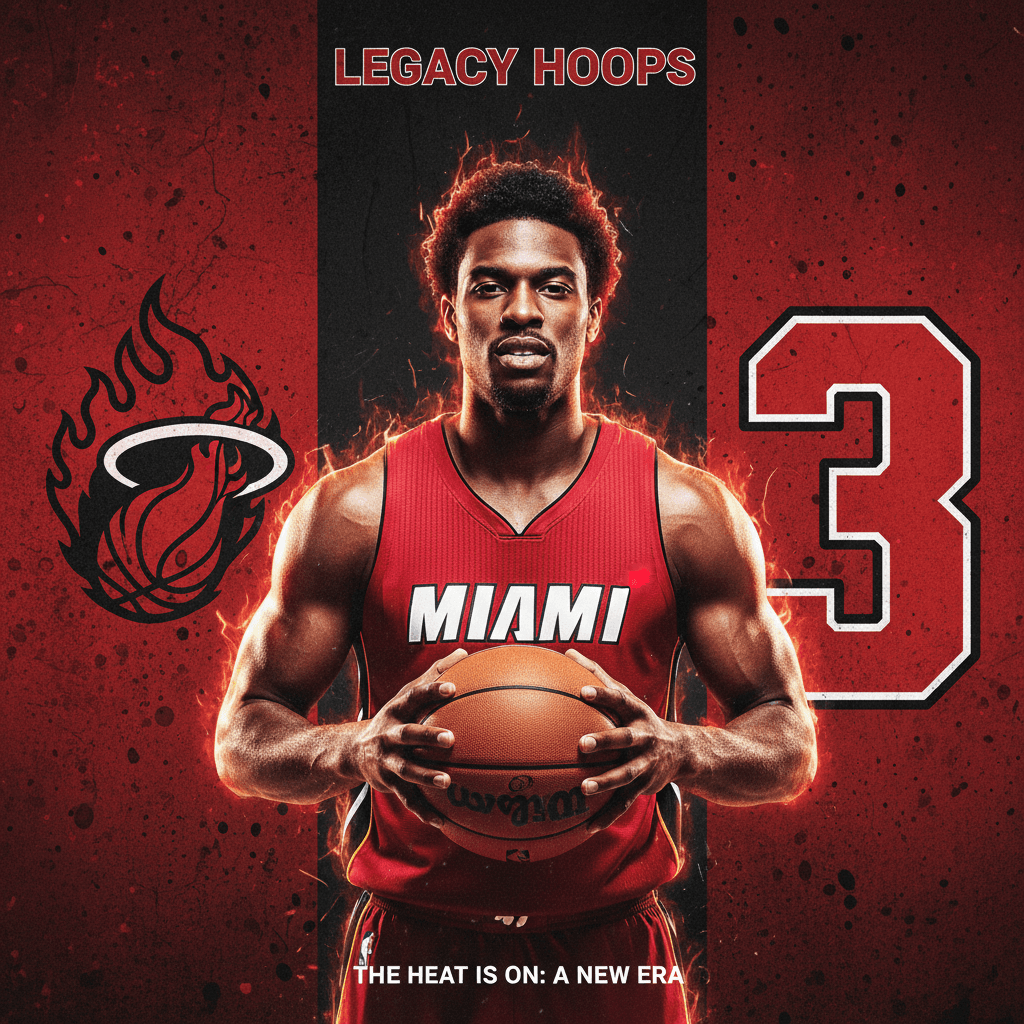
Flash, the 2006 takeover, and three banners in South Florida. Why the Heat retired Dwyane Wade's #3 — the fifth pick who turned Miami into a basketball city.
DeMar DeRozan never won a championship in Toronto. He didn't have to. What he gave the Raptors was something more foundational — a reason to keep believing during the years when believing was hard.
On November 2, 2024, the Toronto Raptors retired the first jersey number in franchise history. They chose #15. They chose Vince Carter. It was the only choice that made sense.
Selected first overall in 1986, Brad Daugherty became the most complete center the Cleveland Cavaliers had ever seen — a five-time All-Star whose career was cut short by injury at age 28.