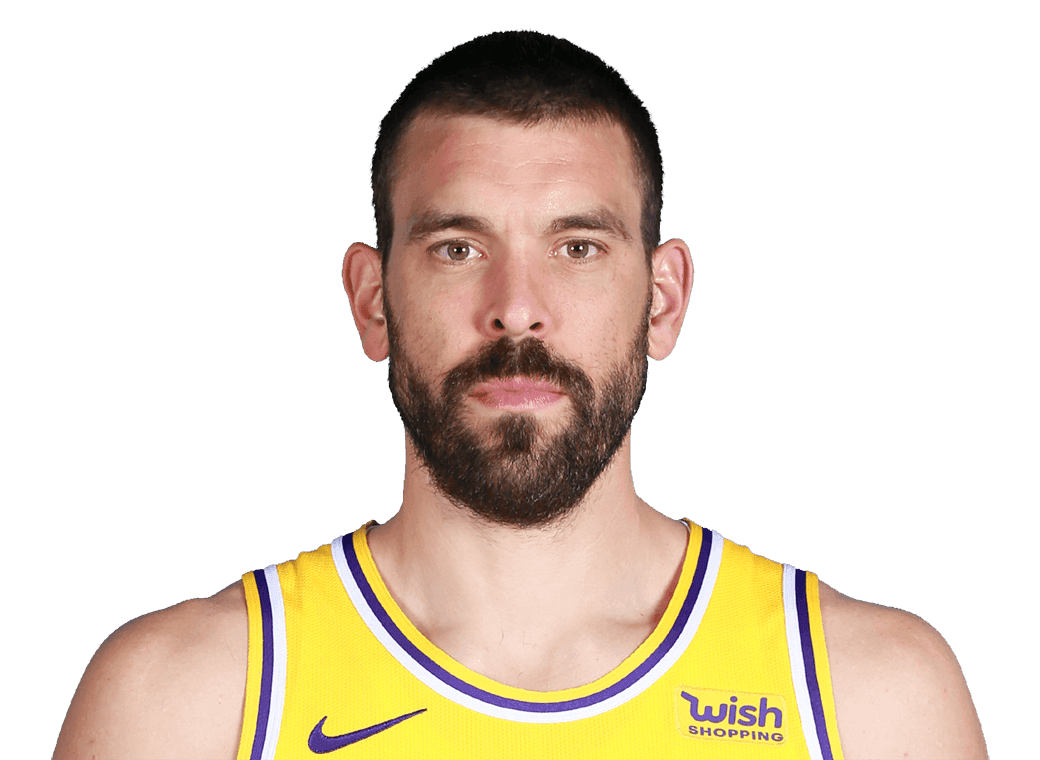
Marc Gasol spent eleven years in Memphis becoming the NBA's Defensive Player of the Year, a three-time All-Star, and the most important player in franchise history.
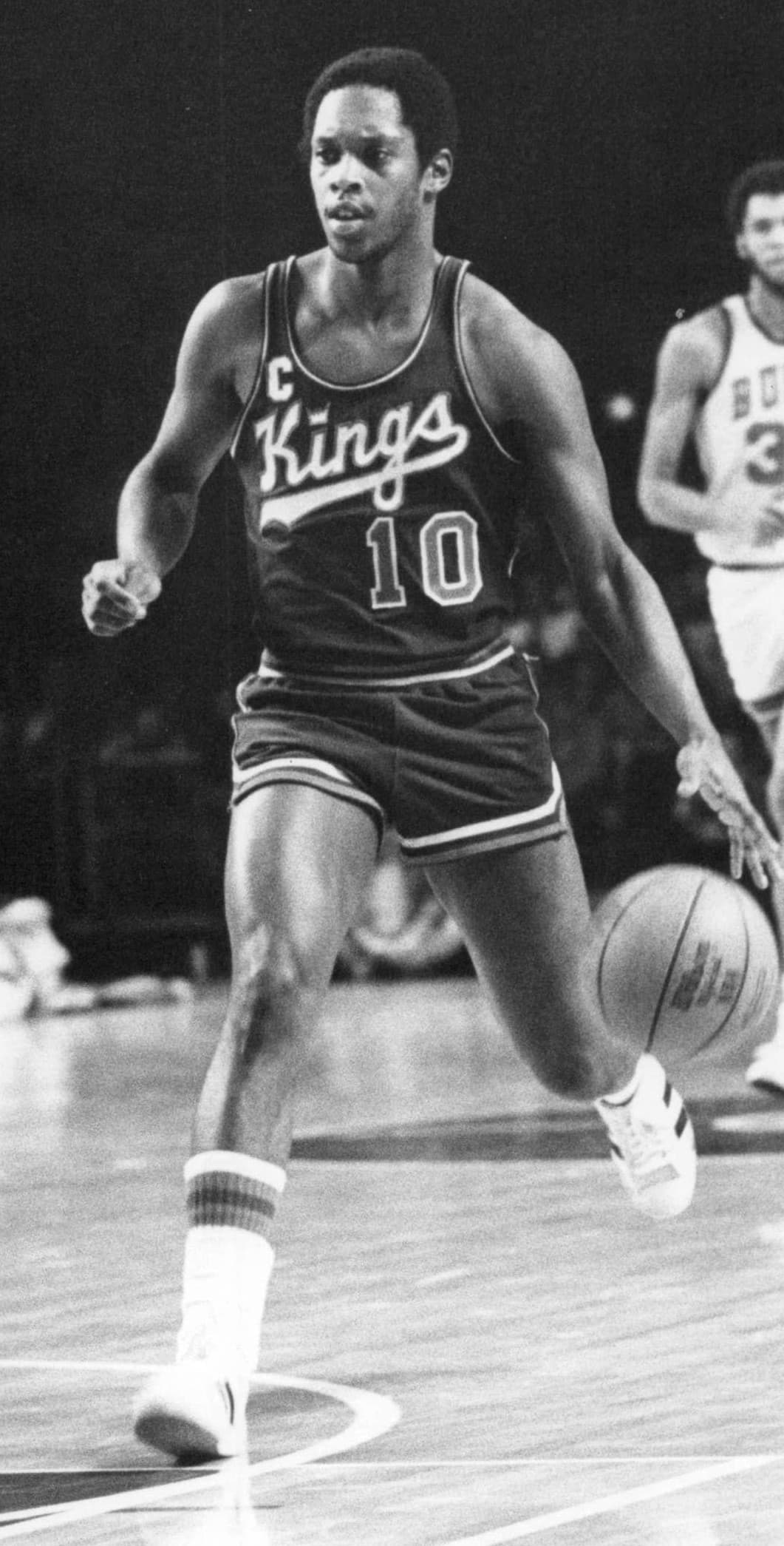
Nate Archibald did something in 1972-73 that no player before or since has managed: he led the entire NBA in both scoring and assists simultaneously. Fifty years later, his #1 still hangs in Sacramento's rafters.
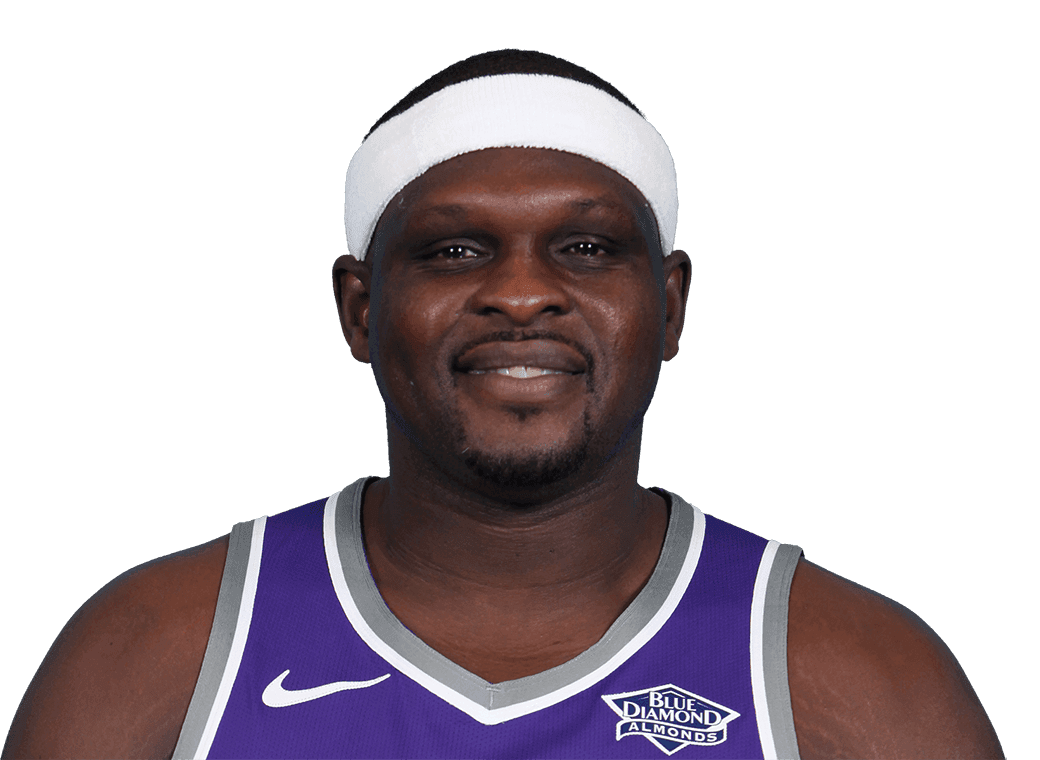
Zach Randolph averaged 20.8 points and 11.7 rebounds in his first Memphis season and never stopped. Eight years, two All-Star appearances, and a city that still says his name with reverence.
Jerry Sloan coached the Jazz for 23 seasons, won 1,127 games with one franchise, and built the Stockton-Malone dynasty. Here is why #1223 belongs in the rafters.
Frank Layden drafted Stockton, built the Jazz culture in Utah, and laid the foundation for the Stockton-Malone dynasty. Here is why coach #1 belongs in the rafters.
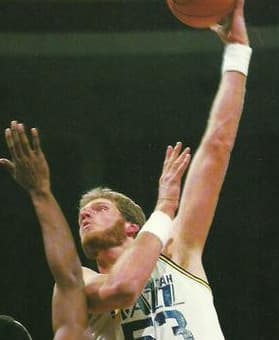
Mark Eaton went from auto mechanic to two-time Defensive Player of the Year, setting the all-time single-season blocks record at 5.56 per game. Here is why #53 belongs in the rafters.
Darrell Griffith was the first All-Star in Utah Jazz history, led the NBA in three-pointers in 1984, and gave Salt Lake City its first franchise player. Here is why #35 belongs in the rafters.
The Mailman. Two-time MVP, the second-leading scorer in NBA history, and the greatest power forward ever to play — who gave 18 seasons to Utah and never won the ring. Why the Jazz retired Karl Malone's #32.
Jeff Hornacek went undrafted, shot 43.5% from three, and was the indispensable third piece of the Stockton-Malone era Jazz. Here is why #14 belongs in the rafters.
The NBA's all-time leader in assists and steals — both records by enormous margins — across 19 single-franchise seasons. Why the Jazz retired John Stockton's #12, the quiet master who never left and never won a title.
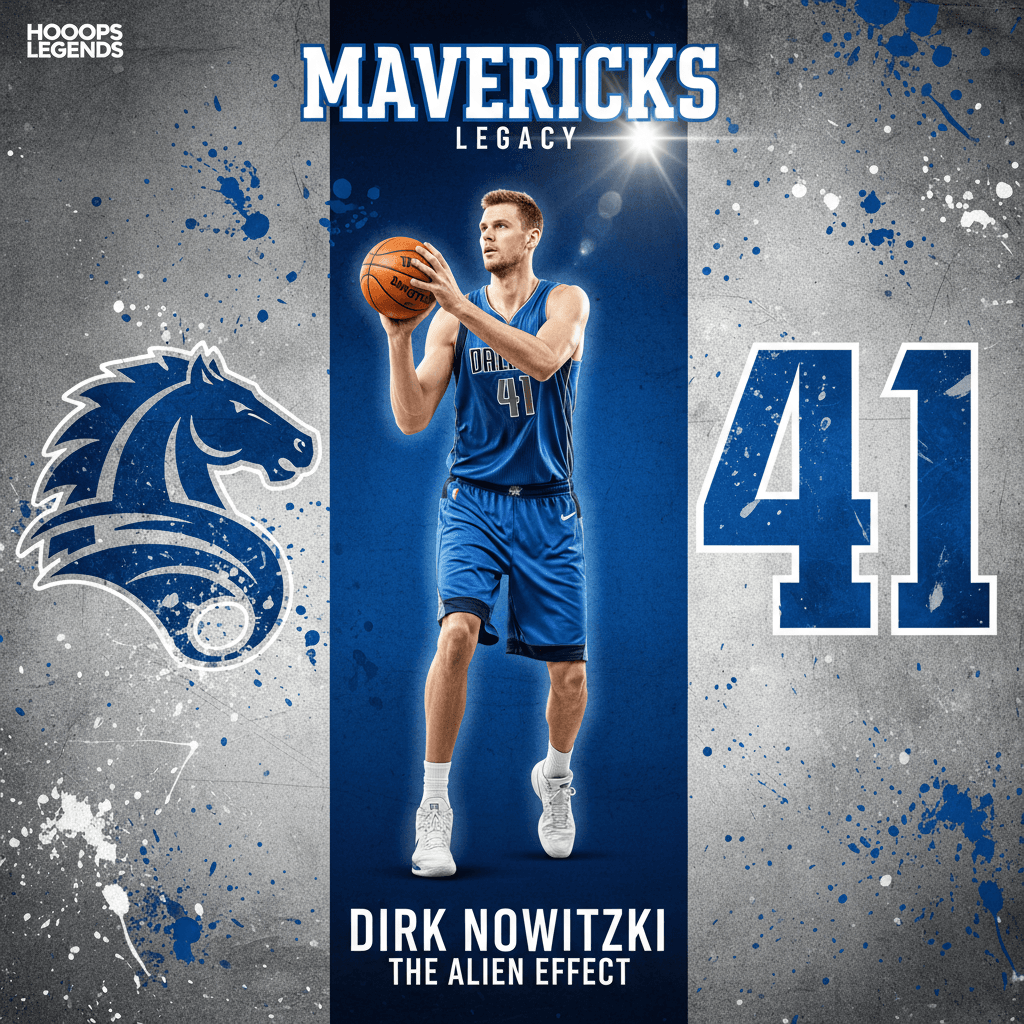
June 12, 2011: a 7-foot German walked off the Miami floor a champion and wept alone. The one-legged fadeaway, 21 one-franchise seasons, and the redemption that erased 2006. Why the Mavericks retired #41.
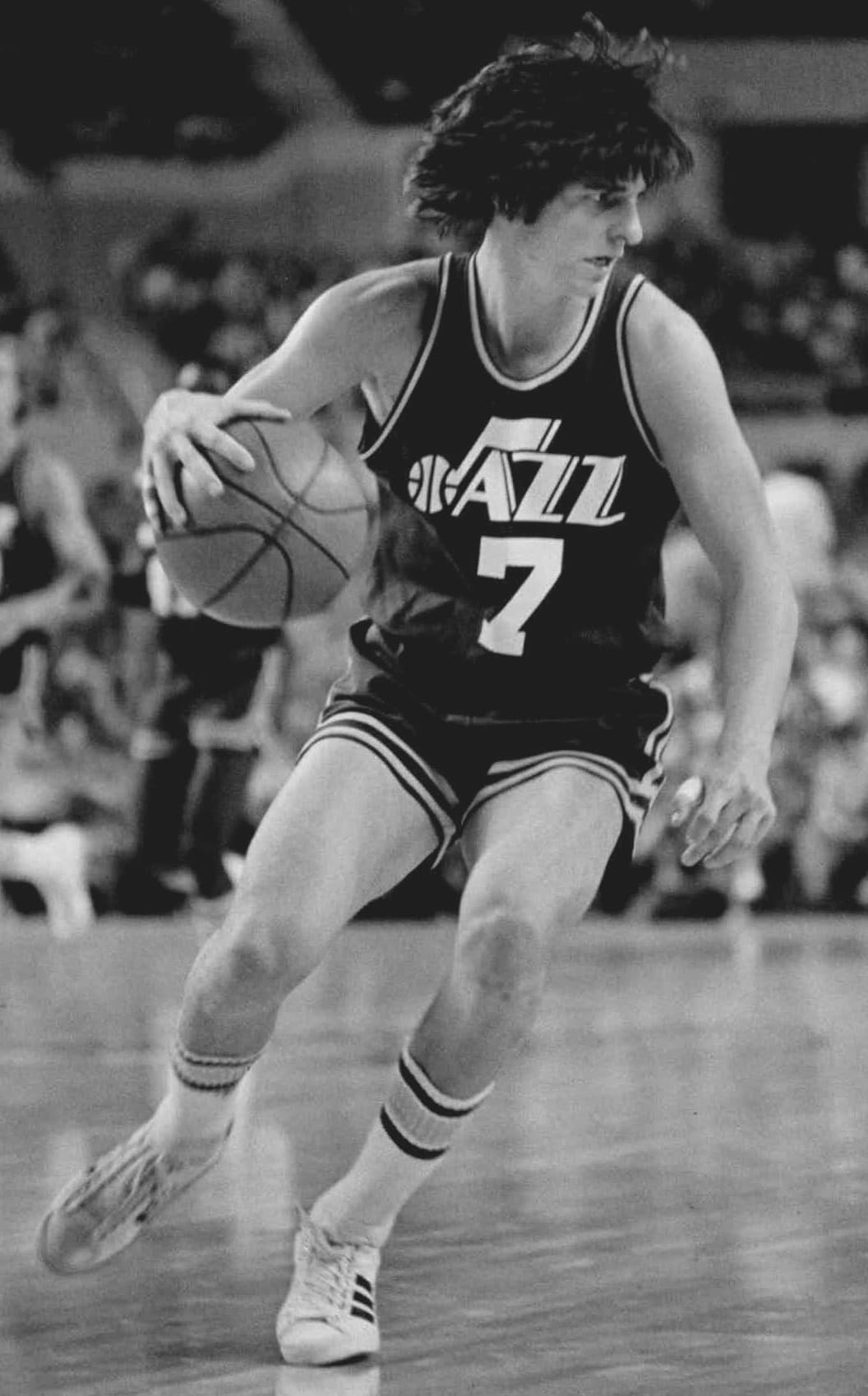
Pete Maravich averaged 44.2 PPG in college, led the NBA in scoring in 1977, and was the most creative offensive player of his era. Here is why #7 belongs in the Jazz rafters.