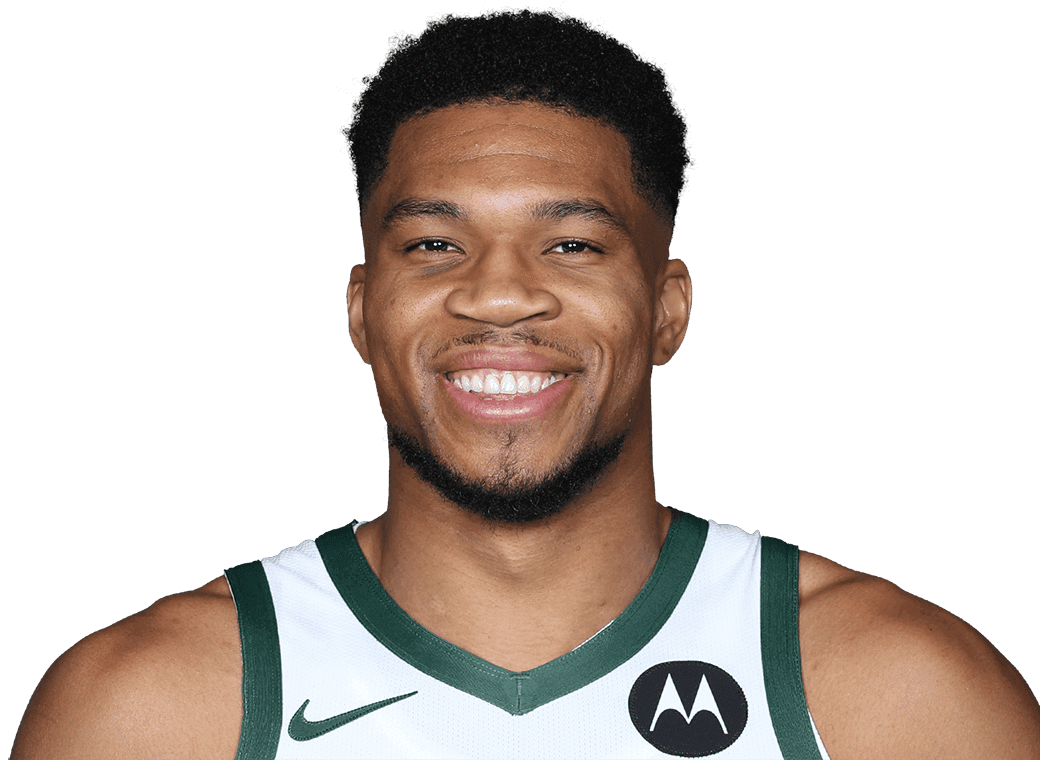
Giannis Antetokounmpo: The Greek Freak's Rise to NBA Champion
From selling trinkets on the streets of Athens to back-to-back NBA MVP and 2021 champion — the full story of how Giannis Antetokounmpo built one of basketball's most improbable careers.
Diosh Lequiron
··8 min read·
M
Share
This page contains affiliate links. We may earn a commission if you purchase through these links, at no extra cost to you. As an Amazon Associate I earn from qualifying purchases.
In 2013, the Milwaukee Bucks used the 15th pick on a teenager named Giannis Antetokounmpo. He had played fewer than 30 professional games for Filathlitikos B.C. in Greece's third division, was 18 years old, and his family had been selling trinkets on the streets of Athens to survive. As a rookie he averaged 6.8 points on 41.4% shooting and could not reliably create his own shot.
Eleven years later, he has two MVPs, one Defensive Player of the Year award, one championship, and a 50-point, 14-rebound, 5-block closeout game in the 2021 Finals — a stat line only Shaquille O'Neal and Kareem Abdul-Jabbar had ever produced in a Finals clincher. The arc from that draft night to now is one of the most improbable developmental stories in NBA history — and the most instructive, because almost every element of his greatness was constructed deliberately rather than discovered.
The Foundation: Athens, Poverty, and Basketball as a Way Out
Charles and Veronica Antetokounmpo immigrated from Nigeria to Greece in 1991. The Greek government did not recognize their children as citizens for years, leaving the family in legal and financial limbo. Giannis discovered basketball at 13 — ancient by the standards of players who eventually reach the NBA. He learned the game in cramped gyms with inconsistent equipment. The coaches who worked with him in Athens describe a player whose physical tools were obvious but whose competitive intensity was what separated him from every other prospect they coached.
Giannis Antetokounmpo Milwaukee Bucks Autographed Nike White Association Swingman Jersey
"He was different in one specific way. Every other player would go home after practice tired. Giannis would come back with questions. He was processing basketball constantly." — Spiros Velliniatis, Filathlitikos coach
Men's Jordan Brand Giannis Antetokounmpo Black Milwaukee Bucks Authentic Player Jersey - Statement Edition
The Development Curve: What Milwaukee Built
Giannis's first two NBA seasons reveal how far he had to travel. As a rookie in 2013-14, he averaged 6.8 points on 41.4% shooting. He could not reliably create his own shot. The Bucks gave him time. He averaged 12, then 17 points in seasons three and four. The physical transformation was simultaneous: he added roughly 40 pounds of functional muscle, going from 196 to 243 pounds while retaining all of the speed and athleticism he had at 18. The position evolution completed his transformation — from small forward to point forward, bringing the ball up and finishing in the paint with a combination of power and finesse that no defender had a conventional answer for.
In 2018-19, Giannis won his first NBA MVP at age 24 — the youngest since LeBron James. He averaged 27.7 points, 12.5 rebounds, and 5.9 assists on 57.8% shooting. He won it again the following year, becoming the third player in NBA history to win consecutive MVPs before age 26.
Men's Giannis Antetokounmpo Green Milwaukee Bucks Full-Court Press Name & Number T-Shirt
The 2021 NBA Championship run delivered the achievement that silenced every remaining critic. In the Finals against the Phoenix Suns, he averaged 35.2 points and 13.2 rebounds. In Game 6, with the title on the line, he produced 50 points, 14 rebounds, and 5 blocks. He became only the third player in Finals history to record 50+ points, 14+ rebounds, and 5+ blocks in a closeout game — joining Shaquille O'Neal (2000) and Kareem Abdul-Jabbar (1971).
Unisex Nike Giannis Antetokounmpo Hunter Green Milwaukee Bucks Swingman Jersey - Icon Edition
The Nike Freak Signature Line
Nike launched the Freak signature line in 2019 around Giannis's specific playing style — wide base, explosive lateral movement, power driving through contact. The Freak 6 is the current flagship: a low-cut silhouette with a wide outsole plate built for players who generate force downward rather than depending on ankle support. The Nike Giannis Immortality 4 is the accessible entry in the line, keeping the court feel and traction at a lower price point. Both models reflect the design philosophy of a player who wins through leverage and contact rather than separation.
Unisex Jordan Brand Giannis Antetokounmpo Black Milwaukee Bucks Swingman Jersey - Statement Edition
What Comes Next
Giannis is 29 years old. He has two MVPs, one Defensive Player of the Year award, and one championship. His post game — covered in depth in our technical breakdown — continues to improve with age. His defensive intensity never wavers. The story that began with a teenager selling trinkets in Athens is not finished. The Greek Freak still has games to play.
Cam Thomas Youth Fanatics Green Milwaukee Bucks Fast Break Custom Replica Jersey - Icon Edition
Enjoying this analysis?
Get more breakdowns like this delivered to your inbox.
Boozer and Peterson opened as 2027 NBA Rookie of the Year co-favorites over No. 1 pick AJ Dybantsa. We break down role, usage and the real case for each.
AJ Dybantsa is the presumptive face of the Wizards' rebuild — brought in as the No. 1 overall pick even though Washington already has six NBA wings on the roster. A look at the record-breaking BYU season, the Darryn Peterson decision, and why talent still beats a crowded depth chart.
Dylan Harper arrived as the No. 2 pick and finished his rookie year as an All-Rookie First Team guard starting in the NBA Finals. A film-room look at the Filipino-American lead guard powering San Antonio's next era alongside Victor Wembanyama.