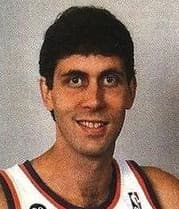
Offensive Game
One of the most gifted offensive players of his era — a prototype 'do everything' forward before that archetype existed. Averaged 20+ PPG in his best NBA seasons. Exceptional finisher in traffic with extraordinary body control.
Career Journey
Phoenix Suns
1969-1973
Los Angeles Lakers
1973-1975
Atlanta Hawks
1975-1976
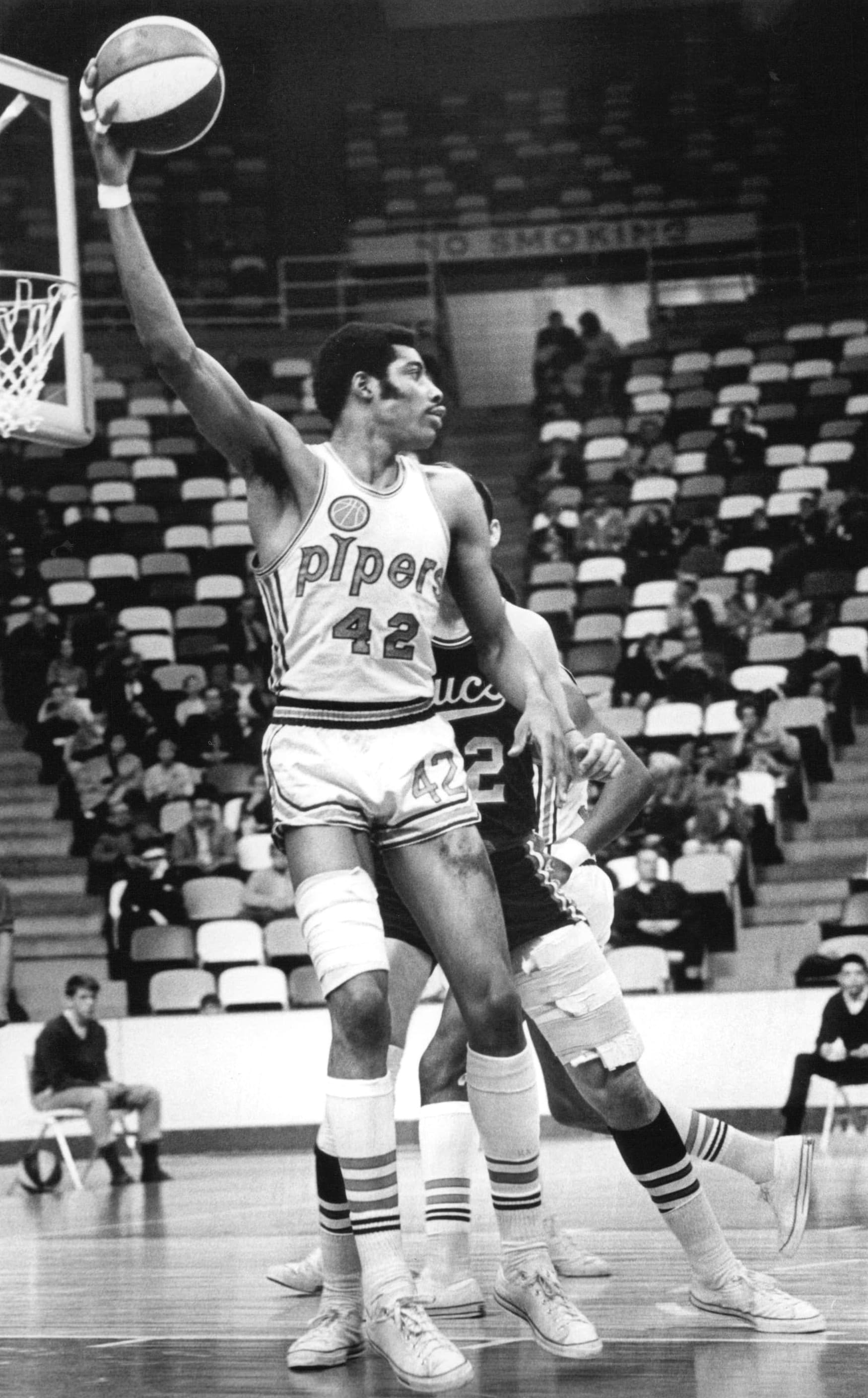
Cornelius Lance "Connie" Hawkins was an American professional basketball player. A New York City playground legend, "the Hawk" was to play basketball for the Iowa Hawkeyes but was unjustly implicated in a point-shaving scandal that saw him kicked out of school as a freshman and essentially blackballed from the NBA. Hawkins found refuge with the Pittsburgh Rens of the American Basketball League, where he won the 1961 league MVP before the league folded. He played four years for the famed exhibition team Harlem Globetrotters before getting to play in the American Basketball Association with the Pittsburgh Pipers in 1967. He won the first league MVP award by averaging 26.8 points and led the team to the ABA championship.
Offensive Game
One of the most gifted offensive players of his era — a prototype 'do everything' forward before that archetype existed. Averaged 20+ PPG in his best NBA seasons. Exceptional finisher in traffic with extraordinary body control.
Defensive Game
Active defender who used his length to disrupt passing lanes and contest shots. Not a primary defensive identity player but contributed meaningfully on that end.
Intangibles
High basketball intelligence that informed his creative finishing, passing, and decision-making. His understanding of angles and space was part of what made him so difficult to guard.
Personal Life & Family
Status
Married
Parents & Siblings
Off the Court
Connection to Brooklyn community programs
Advocate for players wrongfully treated by league institutions
Did You Know?
Hawkins was so dominant on the New York City playground circuit as a teenager that NBA legends who played against him in those games routinely described him as the most gifted player they had ever seen — a consensus opinion from people who had seen everyone.
The NBA formally apologized to Hawkins and settled his lawsuit for $1.3 million in 1969, acknowledging that the blacklisting was unjust and that his career had been irreparably harmed by an association he had no real part in.
Hawkins is considered one of the first players to truly hang in the air and palm the basketball in the ways that later became associated with Julius Erving and Michael Jordan — a pioneering physical genius whose innovations came before the sport was ready to see them.
Despite losing his prime years to the wrongful banishment, Hawkins still managed to make four NBA All-Star teams after age 27 — a testament to his extraordinary natural gifts that even years of stolen career could not fully diminish.
Career Honors
Naismith Basketball Hall of Fame (1992)
4x NBA All-Star (1970-1973)
ABA All-Star (1968, 1969)
NBA 50th Anniversary Team (1996)
Phoenix Suns · Official
This page contains affiliate links. We may earn a commission if you purchase through these links, at no extra cost to you. As an Amazon Associate I earn from qualifying purchases.
99.99
Check Price on NBA StoreAffiliate link · Disclosure
93.00
Check Price on NBA StoreAffiliate link · Disclosure
99.99
Check Price on NBA StoreAffiliate link · Disclosure
44.99
Check Price on NBA StoreAffiliate link · Disclosure
Shop · Worldwide
This page contains affiliate links. We may earn a commission if you purchase through these links, at no extra cost to you. As an Amazon Associate I earn from qualifying purchases.
All articles
Connie Hawkins was kept out of the NBA for eight years by a wrongful banishment. When he finally arrived in Phoenix at age 27, he still made four All-Star teams. The full story of #42.
Phoenix Suns
Phoenix Suns
Subscribe for in-depth player analysis and stat breakdowns delivered to your inbox.