Offensive Game
One of the most creative scorers in NBA history. His improvisational spinning, pirouetting, and double-clutching moves were entirely original and essentially impossible to guard consistently.
Career Journey
Baltimore Bullets
1967-1971
New York Knicks
1971-1980
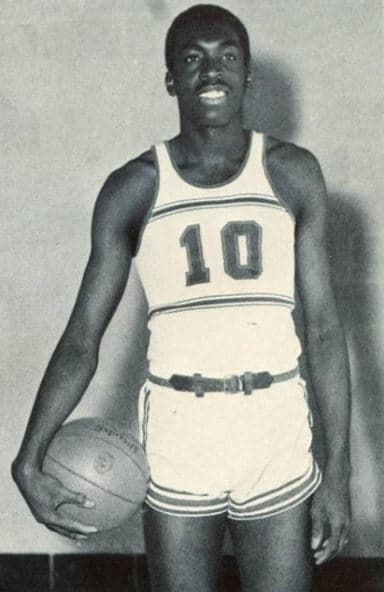
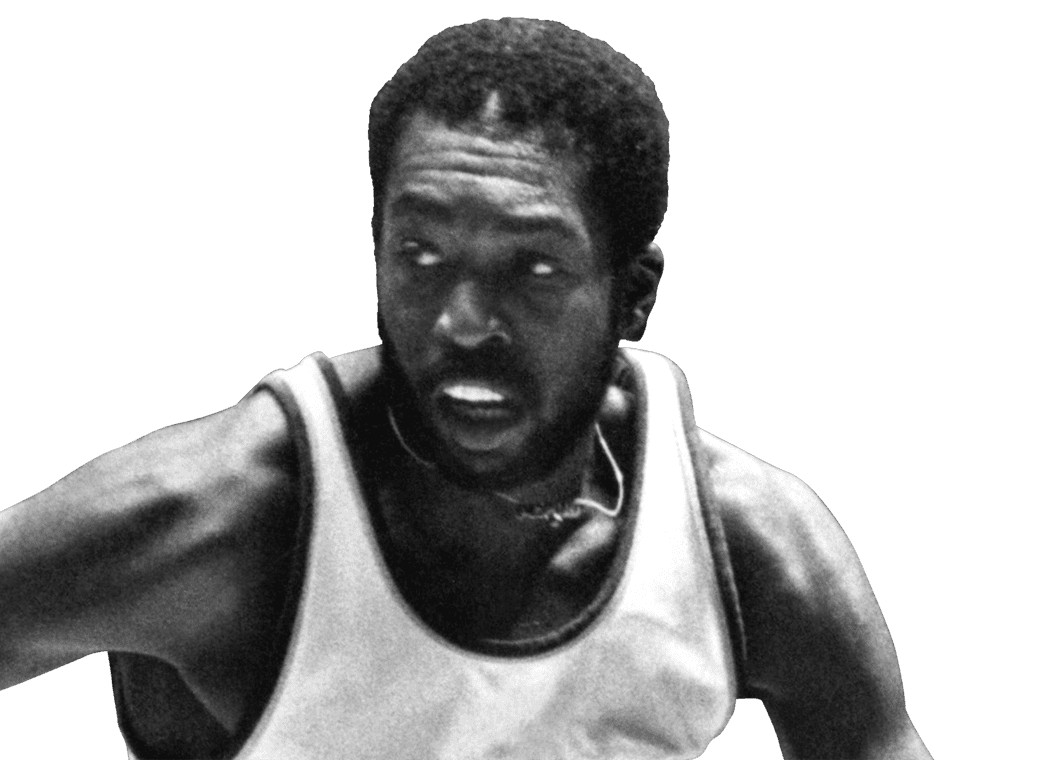
Vernon Earl Monroe is an American former professional basketball player. He played for two teams, the Baltimore Bullets and the New York Knicks, during his career in the National Basketball Association (NBA). Both teams have retired Monroe's number. Due to his on-court success and flashy style of play, Monroe was given the nicknames "Black Jesus" and "Earl the Pearl". Monroe was inducted into the Naismith Memorial Basketball Hall of Fame in 1990 and the International Sports Hall of Fame in 2013. In 1996, Monroe was named as one of the 50 Greatest Players in NBA History, and in 2021, Monroe was named as one of the 75 greatest players in NBA history.
Offensive Game
One of the most creative scorers in NBA history. His improvisational spinning, pirouetting, and double-clutching moves were entirely original and essentially impossible to guard consistently.
Defensive Game
Below-average on-ball defender whose energy was primarily focused on offense. Accepted a reduced defensive role with the Knicks as part of their championship balance.
Intangibles
Creative genius on the court — Monroe's game was instinctive and improvisational in ways that required extraordinary court sense. His adaptation to a supporting role in New York showed remarkable team-first intelligence.
Personal Life & Family
Partner
Maria Monroe
Parents & Siblings
Off the Court
Winston-Salem State alumni advocacy
Harlem and New York community initiatives
Did You Know?
Monroe's 41.5 points per game scoring average in his senior season at Winston-Salem State remains one of the highest in college basketball history at any level.
He was famously traded from Baltimore to the Knicks in 1971 — meaning his greatest rival Walt Frazier became his teammate, forming one of the most celebrated backcourt partnerships in NBA history.
Monroe's spinning, pirouetting moves were so original that the term 'The Pearl' was coined to describe his style — smooth, rare, and impossible to replicate.
He later became a prominent music producer in New York, working in the industry long after his playing career ended.
Career Honors
NBA Champion (1973)
4x NBA All-Star
All-NBA First Team (1969)
Naismith Memorial Basketball Hall of Fame (1990)
NBA 50th Anniversary All-Time Team
Official Jerseys

134.99
Check Price on NBA StoreNew York Knicks · Official
99.99
Check Price on WNBA StoreAffiliate link · Disclosure
397.49
Check Price on NBA StoreAffiliate link · Disclosure
59.99
Check Price on NBA StoreAffiliate link · Disclosure
18.00
Check Price on NBA StoreAffiliate link · Disclosure
Shop · Worldwide
This page contains affiliate links. We may earn a commission if you purchase through these links, at no extra cost to you. As an Amazon Associate I earn from qualifying purchases.
All articles
The Knicks' #15 honors two very different players from two very different eras — Dick McGuire, the franchise pioneer, and Earl Monroe, the Pearl who completed a dynasty.
New York Knicks
New York Knicks
Subscribe for in-depth player analysis and stat breakdowns delivered to your inbox.