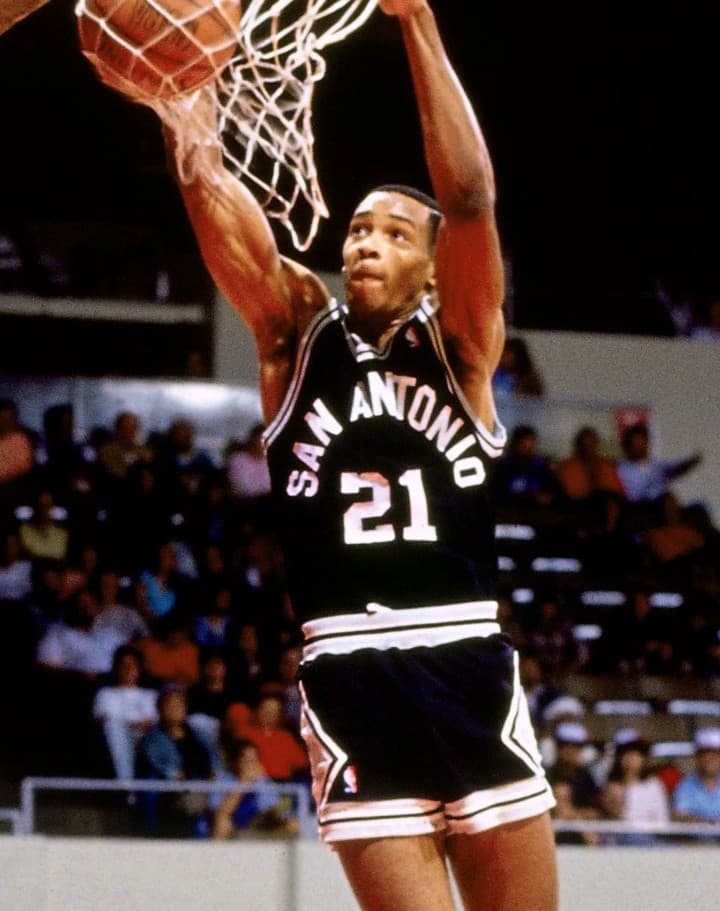
Offensive Game
Elite mid-range scorer and floater specialist. Four-time champion whose 2007 Finals MVP performance is the gold standard for point guard Finals dominance. Shot the floater at 50%+ across his prime.
Career Journey
San Antonio Spurs
2001-2018
Charlotte Hornets
2018-2019
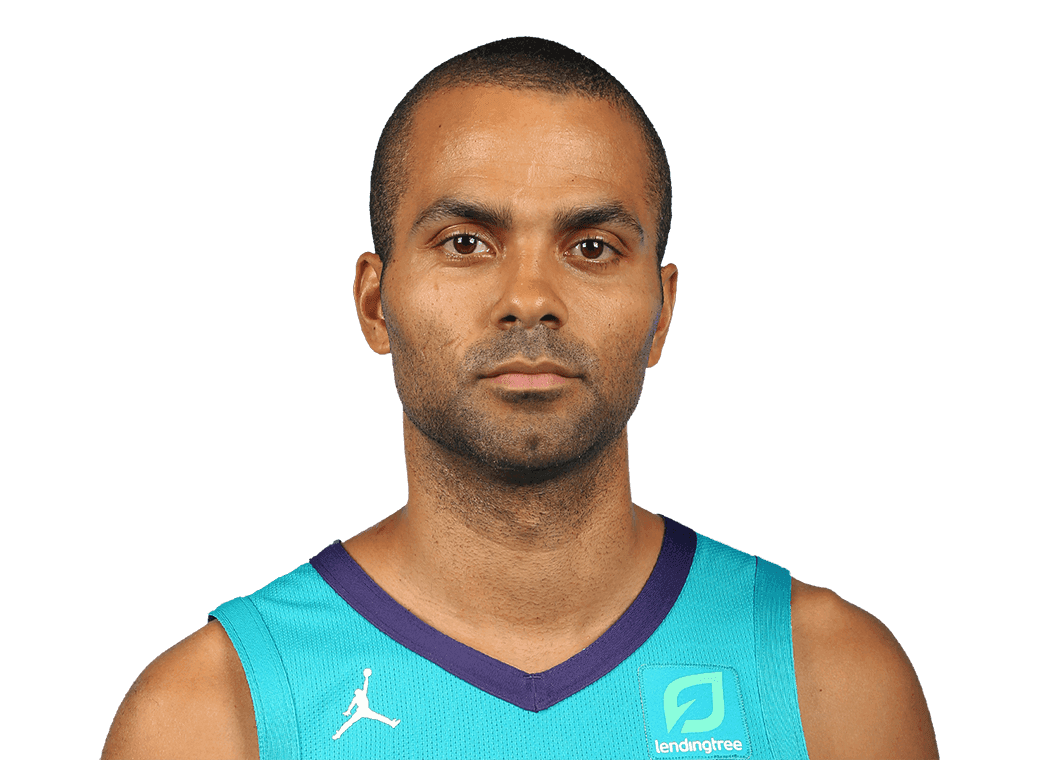
William Anthony Parker Jr. is a French-American former professional basketball player and majority owner of LDLC ASVEL of the LNB Élite and the EuroLeague. The son of a basketball pro, Parker started his career at PSG-Racing Basket in the French basketball league before joining the San Antonio Spurs of the National Basketball Association (NBA). He was selected by the Spurs with the 28th overall pick in the 2001 NBA draft, and quickly became their starting point guard. Parker won four NBA championships, all of which were with the Spurs. He also played for ASVEL Basket in France during the 2011 NBA lockout, and finished his playing career after one season with the Charlotte Hornets. He retired as the ninth leading scorer and ranks fifth in career assists in NBA playoffs history.
Offensive Game
Elite mid-range scorer and floater specialist. Four-time champion whose 2007 Finals MVP performance is the gold standard for point guard Finals dominance. Shot the floater at 50%+ across his prime.
Defensive Game
Not a lock-down defender but more engaged than his reputation suggested. His anticipation in the passing lanes and quickness recovering helped mask length limitations.
Intangibles
Absorbed Gregg Popovich's system at 19 years old and became its primary executor for 17 seasons. Understood every action, every read, and every option in the Spurs' motion offense at an instinctive level.
Personal Life & Family
Partner
Axelle Francine (married 2014)
Children (2)
Parents & Siblings
Off the Court
Tony Parker Adequat Academy — elite basketball school in Lyon, France
Supports youth basketball development programs across France
Active in Franco-American cultural exchange programs
Did You Know?
Was the first European-born player to win the NBA Finals MVP award — a milestone that transformed how European players were evaluated as franchise cornerstones.
Entered the NBA at 19 and won a championship at 21 — one of the youngest point guards to win a title in league history.
His father Tony Parker Sr. played professional basketball in Europe, making Tony Jr. a second-generation professional who grew up with the game as family infrastructure.
The floater he popularized is now called 'the Tony Parker' in coaching clinics across Europe and is the single most studied finishing technique for small guards entering the NBA.
Career Honors
4x NBA Champion (2003, 2005, 2007, 2014)
NBA Finals MVP (2007)
6x NBA All-Star
4x All-NBA Team
Naismith Hall of Fame (2023)
One of 75 Greatest Players in NBA History
Official Jerseys

312.99
Check Price on NBA Store
149.99
Check Price on NBA Store
112.49
Check Price on NBA Store
249.99
Check Price on NBA Store
119.99
Check Price on NBA Store
329.99
Check Price on NBA Store229.99
Check Price on NBA Store
105.00
Check Price on NBA Store
139.99
Check Price on NBA Store
203.00
Check Price on NBA StoreSan Antonio Spurs · Official
43.49
Check Price on NBA StoreAffiliate link · Disclosure
Shop · Worldwide
This page contains affiliate links. We may earn a commission if you purchase through these links, at no extra cost to you. As an Amazon Associate I earn from qualifying purchases.
All articles
Tony Parker won four championships and the 2007 Finals MVP, becoming the first European player to earn that honor and one of the most efficient point guards in Spurs history.
San Antonio Spurs
San Antonio Spurs
Subscribe for in-depth player analysis and stat breakdowns delivered to your inbox.