Offensive Game
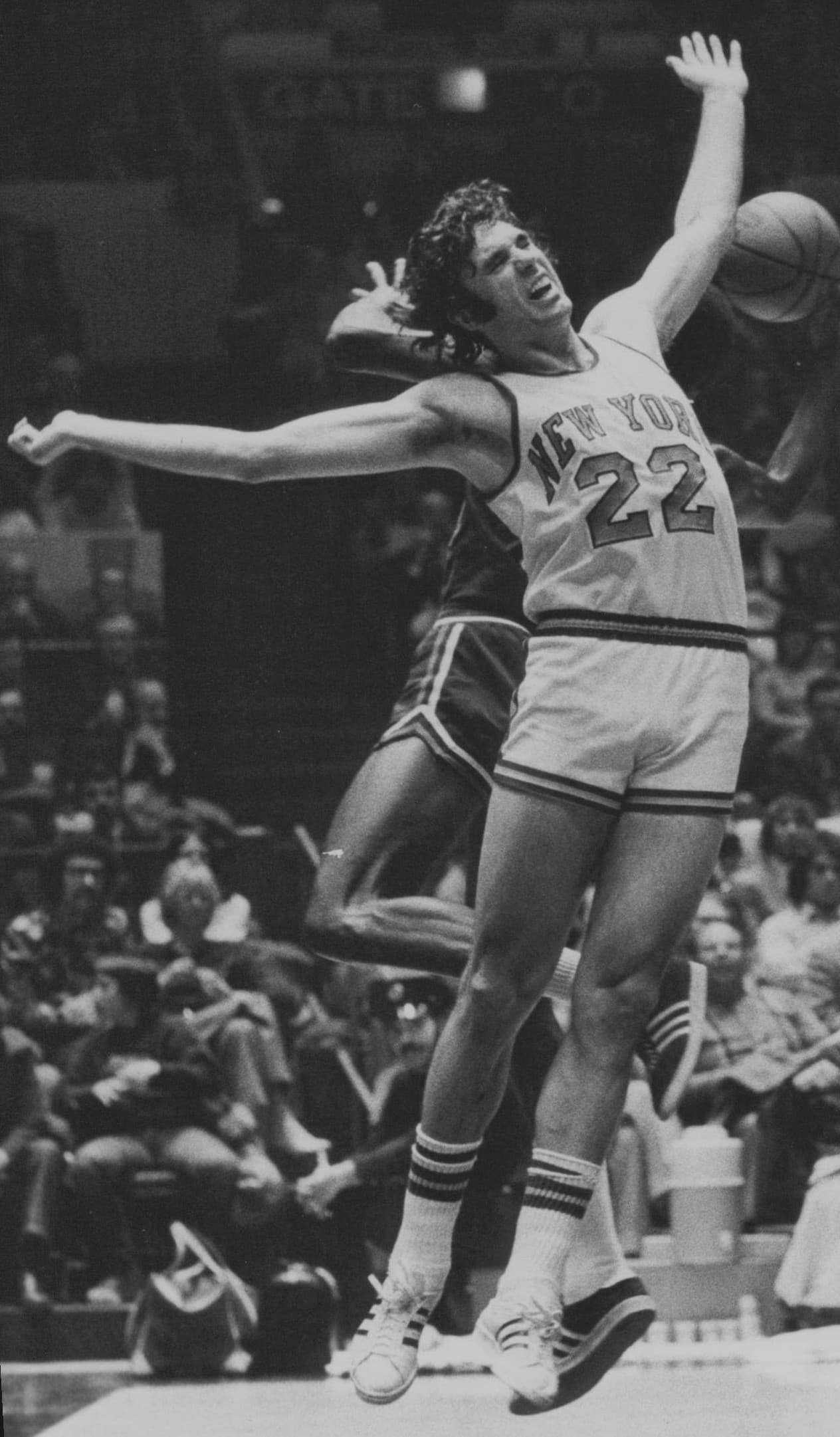
Reliable mid-range scorer and a threat in the post with a variety of hook shots. Led the Knicks in scoring for multiple seasons and had a career average of 18.7 PPG.
Career Journey
New York Knicks
1964-1974
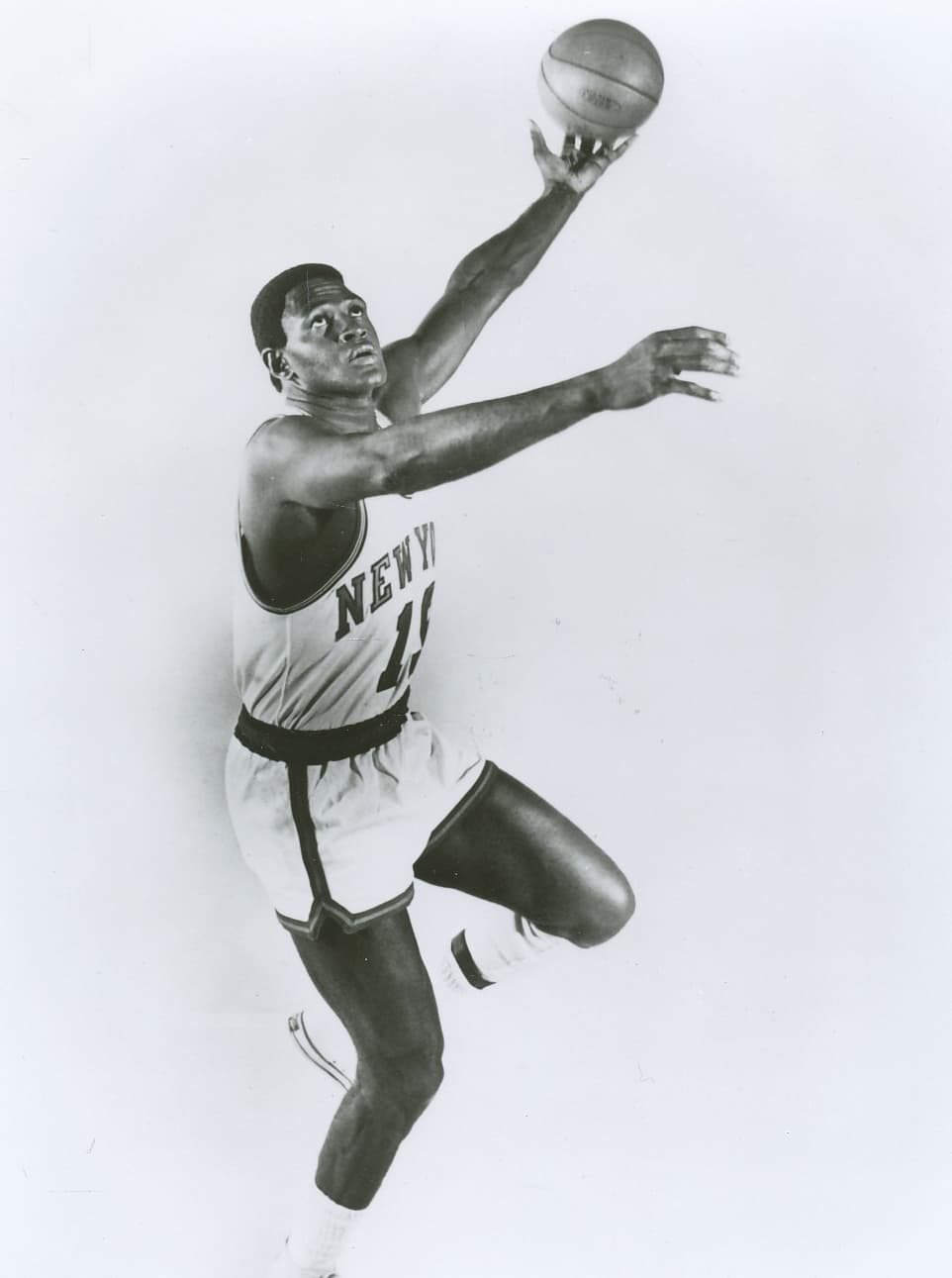
Willis Reed limped onto the Madison Square Garden floor for Game 7 of the 1970 NBA Finals on a leg he had injured in Game 5 — barely able to move, having missed Game 6 entirely — hit his first two shots, and provided the psychological lift that carried the Knicks to a 113-99 victory over the Los Angeles Lakers. He scored only 4 points after that opening sequence. It did not matter. The image of Reed walking out of the tunnel changed the emotional temperature of the building and the series in a way that no stat line can capture.
His statistical output in that 1969-70 season — 21.7 points and 13.9 rebounds per game — earned him a first-team All-NBA selection and the regular season MVP award, making him one of seven players in league history to be named regular season MVP, Finals MVP, and All-Star Game MVP in the same season. That sweep of individual awards across three different competitive contexts is a marker of sustained excellence that the sport has rarely seen in a single year.
Reed won two championships with New York (1970, 1973), earning Finals MVP honors in both — his 1973 performance arriving without the dramatic injury narrative but with the same organizational intelligence that made him the best center the Knicks franchise has ever had.
He attended Grambling State, an HBCU in Louisiana, before New York selected him in the second round of the 1964 draft. His path from a smaller program to the game's highest stage is one of the less-discussed origin stories of the sport's pre-integration transition era.
Offensive Game
Reliable mid-range scorer and a threat in the post with a variety of hook shots. Led the Knicks in scoring for multiple seasons and had a career average of 18.7 PPG.
Defensive Game
Elite defensive center and the anchor of two championship Knicks teams. Named Defensive Player of the Year in 1970 — his combination of strength and footwork set the standard.
Intangibles
Two-time NBA Champion and Finals MVP winner who made the right decisions at crucial moments. His iconic return in Game 7 of the 1970 Finals remains one of sports' great moments.
New York Knicks · Official
397.49
Check Price on NBA StoreAffiliate link · Disclosure
59.99
Check Price on NBA StoreAffiliate link · Disclosure
18.00
Check Price on NBA StoreAffiliate link · Disclosure
Shop · Worldwide
This page contains affiliate links. We may earn a commission if you purchase through these links, at no extra cost to you. As an Amazon Associate I earn from qualifying purchases.
All articles
Willis Reed's #19 represents the most iconic moment in Madison Square Garden history — a limping captain who willed a franchise's first championship into existence on one leg.
New York Knicks
New York Knicks
Subscribe for in-depth player analysis and stat breakdowns delivered to your inbox.