
2016
Cleveland Cavaliers
Series Flow
4
Wins
3
Losses
Regular Season
57–25
Win–Loss
Playoff Record
16–5
Win–Loss
Finals
4–3
vs Golden State Warriors
Finals MVP
James
LeBron
Cleveland Cavaliers
57–25Golden State Warriors
73–09 (Regular Season) — best record in NBA historyThe 2015-16 Golden State Warriors finished 73-9 — the best regular-season record in NBA history, surpassing Michael Jordan's 1995-96 Chicago Bulls by one game. They entered the Finals as the defending champions, led by unanimous MVP Stephen Curry, Finals MVP Klay Thompson, and the defensive engine Draymond Green. The Warriors had blitzed through the Western Conference with a league-best offense and one of the most suffocating perimeter defenses ever assembled. They led the series 3-1 and were one win from back-to-back championships. But Cleveland came back. The 73-win Warriors remain one of the most talented and tragic teams in NBA history — proof that regular-season excellence and a 3-1 Finals lead are not guarantees of a championship.
Finals MVP
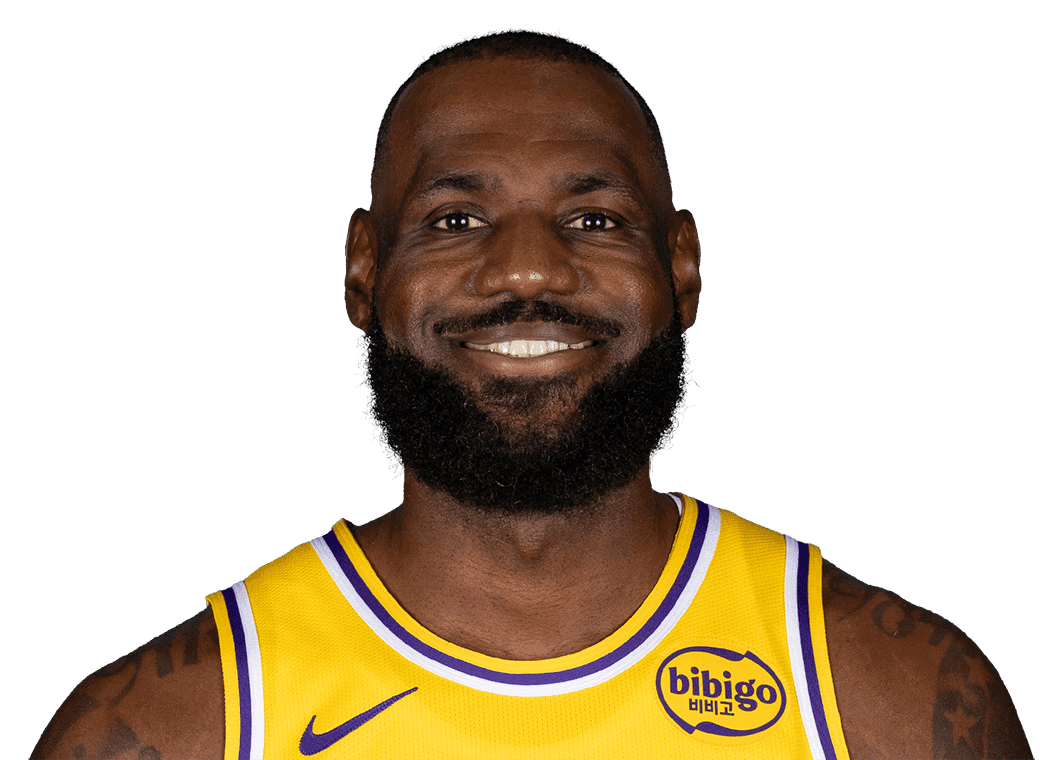
LeBron James
#23 · Forward
29.7
PPG
11.3
RPG
8.9
APG
2.3
STL
2.9
BLK
52.8
FG%
LeBron James produced the most statistically dominant Finals performance ever recorded by a player on the winning team. He averaged 29.7 points, 11.3 rebounds, and 8.9 assists — making him the only player in NBA Finals history to lead both teams in all three major statistical categories for an entire series. But it was Game 7, trailing by two with less than two minutes left, where LeBron defined a championship. His chase-down block on Andre Iguodala's breakaway layup — a moment of pure will, crossing the entire court at 31 years old to save Cleveland's season — is the single greatest defensive play in Finals history. Seconds later, Kyrie Irving's corner three put Cleveland ahead for good. LeBron returned home and delivered exactly what he promised.
Led both teams in points, rebounds, and assists for the entire series — an unprecedented Finals statistical achievement
Chase-down block on Iguodala in Game 7 with under two minutes remaining is widely considered the greatest defensive play in Finals history
Delivered Cleveland its first major professional sports championship in 52 years, fulfilling the promise he made when he returned home in 2014
Only player to win Finals MVP for a team that came back from a 3-1 series deficit — the first comeback of its kind in NBA Finals history
How the Series Unfolded
G1 · L
0–1
G2 · W
1–1
G3 · L
1–2
G4 · L
1–3
G5 · W
2–3
G6 · W
3–3
G7 · W
4–3
89
CLE
104
GSW
Golden State opened the 2016 NBA Finals as heavy favorites — the team that had won 73 games in the regular season, broken the NBA record, and was widely considered one of the greatest teams ever assembled. Game 1 confirmed the narrative. The Warriors' shooting was relentless: Klay Thompson posted 26 points and the Splash Brothers combined for 46, overwhelming Cleveland's perimeter defense from the opening tip. LeBron James fought hard for 23 points and 12 rebounds, but Golden State's collective movement was simply too much for one player to solve alone. Draymond Green orchestrated 11 assists while applying his signature physical defensive presence on the other end, and Oracle Arena rocked from wire to wire. The Cavaliers went home understanding that this series would require something extraordinary.
Cleveland Cavaliers
LeBron James
23 pts · 12 reb · 9 astA near triple-double in a loss — James was brilliant, but Golden State's collective firepower overwhelmed one man's heroics.
GSW
Klay Thompson
26 pts · 5 reb · 6-12 from threeThompson's perimeter barrage set the tone for a series that would test Cleveland's defensive composure at every turn.
Draymond Green
16 pts · 11 ast · 11 rebGreen's triple-double orchestrated Golden State's offense and anchored the defensive intensity that stifled Cleveland's secondary scorers.
95
CLE
93
GSW
Cleveland stole Game 2 in Oakland — a win that proved the Cavaliers could compete with the greatest regular-season team ever assembled, even on the road. Kyrie Irving was electric: 39 points on explosive pull-up jumpers and drives through Golden State's defense that made Curry's defensive limitations look exploitable. LeBron James added 19 points, 9 rebounds, and 8 assists while playing every meaningful minute of a grinding, physical game. The defining sequence came late: with the Cavaliers clinging to a lead, Cleveland's defense — improvised, desperate, brilliant — held Golden State scoreless long enough for the clock to run out. Oracle Arena, which had been raucous all night, fell into stunned silence. The series was 1-1.
Cleveland Cavaliers
Kyrie Irving
39 pts · 6 reb · 3 astIrving's 39-point masterpiece in Oakland showed the basketball world exactly what Cleveland's backcourt could do when the stage was largest.
LeBron James
19 pts · 9 reb · 8 astThe steady conductor who held Cleveland's offense together while Irving lit up Oracle Arena — a complementary performance that won the game.
GSW
Stephen Curry
18 pts · 3-14 from threeThe two-time MVP had a rare off night on the perimeter — Cleveland's defensive game plan exposed the chinks in Golden State's armor.
90
CLE
120
GSW
Quicken Loans Arena, raucous and roaring with championship hope, was silenced in a matter of minutes. Klay Thompson and Stephen Curry were unconscious from the opening tip — hitting pull-up threes, off-movement triples, and transition jumpers before Cleveland's defense could set. Golden State led by double digits before the first quarter ended and the margin only grew. The final score of 120-90 was the most lopsided game of the series, and Golden State's message was clear: home court meant nothing when the Warriors were shooting at this level. LeBron played 40 minutes and finished with 32 points, but the deficit was never within striking distance. The series had shifted to 2-1 with Golden State in control.
Cleveland Cavaliers
LeBron James
32 pts · 11 reb · 6 astJames fought to the end but Golden State's offensive explosion was simply beyond the ability of one man to contain — a sobering display of the Warriors' championship ceiling.
GSW
Klay Thompson
30 pts · 5 reb · 7-13 from threeThompson was unstoppable from distance — his seven made threes set the record for a road Finals performance and destroyed Cleveland's home-court advantage.
Stephen Curry
28 pts · 6 ast · 6-16 from threeCurry and Thompson combined for 58 points in one of the great shooting displays in Finals history, sending a message that Golden State could win anywhere.
97
CLE
108
GSW
Down 3-1, Cleveland's championship hopes appeared finished. No team in NBA Finals history had ever come back from a 3-1 deficit. Golden State was not just the better team — they were historically great, and a fourth consecutive win seemed inevitable. Game 4 was competitive, even hopeful for stretches, as LeBron James poured in 25 points and Kyrie Irving added 34 in a losing effort. But the Warriors' depth and shooting resilience were too much. Draymond Green — suspended for Game 5 due to accumulated flagrant fouls, a disciplinary twist that would reshape the series — did enough damage in this one, finishing with a near triple-double. The Cavaliers walked off their home court knowing the math. They would need to win three straight games against the best team in NBA history.
Cleveland Cavaliers
Kyrie Irving
34 pts · 4 astIrving refused to surrender — his 34 points in a losing effort foreshadowed the breakout performances that would follow in Games 5 and 7.
LeBron James
25 pts · 13 reb · 9 astJames was everywhere defensively and statistically — another near triple-double that kept Cleveland in a game they ultimately couldn't win.
GSW
Draymond Green
20 pts · 9 reb · 9 astGreen's complete-game performance extended Golden State's lead to 3-1 — though his accumulated flagrant fouls would trigger an automatic suspension that changed the series.
112
CLE
97
GSW
With Draymond Green suspended and everything on the line, Cleveland walked into Oracle Arena and played the most complete game of their series. LeBron James was otherworldly — 41 points, 16 rebounds, and 7 assists in a performance that defied athletic possibility. Kyrie Irving added 41 of his own, giving the Cavaliers 82 combined points from their two stars in a game where Golden State had no answer for either. The Cavaliers' defensive intensity was matched by their offensive efficiency, and Oracle Arena — the house that 73 wins built — watched in stunned silence as Cleveland punched back. The comeback had started. The series returned to Cleveland, and for the first time, the impossible felt possible.
Cleveland Cavaliers
LeBron James
41 pts · 16 reb · 7 astOne of the great individual Finals performances in NBA history — 41-16-7 in a must-win road game announced that Cleveland's comeback was real.
Kyrie Irving
41 pts · 6 rebIrving matched LeBron point for point in Oakland — 41 apiece was the most combined points by two teammates on one team in a single Finals game.
GSW
Stephen Curry
25 pts · 6 astCurry competed without Green's defensive support and could not prevent Cleveland from seizing Game 5 momentum — the Warriors' 3-1 cushion was suddenly under threat.
115
CLE
101
GSW
Cleveland forced Game 7 before its own crowd in one of the most emotionally charged games in Cavaliers history. LeBron James was again the engine — 41 points, 11 rebounds, and 8 assists — but this time, the story was the collective. Kyrie Irving added 23 points, J.R. Smith chipped in 15, and Cleveland's defense — inspired, physical, desperate — held Golden State's typically explosive offense in check throughout. The fourth quarter belonged to the Cavaliers: sharper cuts, crisper passes, better execution down the stretch. Quicken Loans Arena erupted when the final buzzer sounded. Three days later, Game 7 would deliver one of the greatest sporting moments in Ohio history. But first, Cleveland had to survive this one. They did.
Cleveland Cavaliers
LeBron James
41 pts · 11 reb · 8 astThree consecutive 41-point performances across Games 5, 6, and 7 — a sustained run of Finals brilliance that no player in history had matched before.
Kyrie Irving
23 pts · 6 rebIrving's efficient, aggressive scoring gave Cleveland its second offensive weapon and neutralized Golden State's ability to focus entirely on LeBron.
GSW
Klay Thompson
25 pts · 5 rebThompson kept Golden State competitive but could not prevent a Cleveland home crowd from forcing the first Game 7 of this storied rivalry.
93
CLE
89
GSW
The greatest Game 7 in NBA Finals history. For four quarters, the two best teams in basketball traded baskets in a building where Golden State had not lost a playoff game all season. LeBron James played 46 of 48 minutes and finished with 27 points, 11 rebounds, and 11 assists — a triple-double in a Game 7 on the road, a performance for which there is no adequate comparison. Then, with the score tied at 89 and less than two minutes remaining, the sequence that defined a championship happened: Andre Iguodala found himself on a two-on-one breakaway, rising for what appeared to be a certain layup, when LeBron James — crossing from the opposite side of the court, legs pumping at full speed — pinned the ball against the backboard in the most famous chase-down block in basketball history. Cleveland kept the ball. Seconds later, Kyrie Irving stepped into a three-pointer over Stephen Curry's outstretched hand. The ball fell through the net. Golden State could not answer. Cleveland Cavaliers. NBA Champions.
Cleveland Cavaliers
LeBron James
27 pts · 11 reb · 11 astTriple-double in Game 7 on the road — and the chase-down block on Iguodala with 1:57 remaining is the defining play of LeBron's career and Cleveland's championship.
Kyrie Irving
26 pts · 6 rebThe go-ahead three-pointer over Stephen Curry with 53 seconds remaining — one of the greatest shots in Finals history — gave Cleveland the lead they never surrendered.
GSW
Stephen Curry
17 pts · 8 astThe two-time MVP competed to the final buzzer but could not escape the combination of LeBron's block and Kyrie's dagger — a warrior-worthy performance that fell one possession short.
The Champions
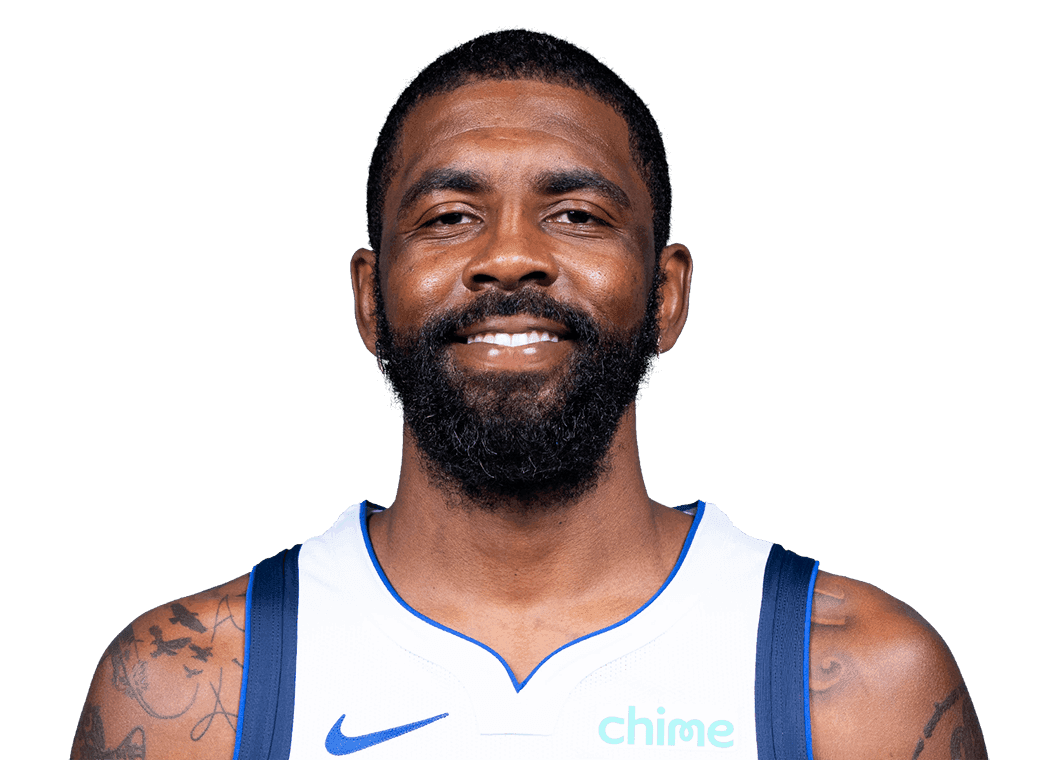
Kyrie Irving
#2 · Guard
27.1
PPG
3.9
RPG
3.6
APG
47.3
FG%
43.9
3P%
Kyrie Irving was arguably Cleveland's most important offensive player in the second half of the series. After struggling in Games 1 through 4, Irving caught fire just when the Cavaliers needed him most — scoring 41 points in Game 5, 23 points in Game 6, and then delivering the most consequential shot of the entire series in Game 7. With 53 seconds remaining and the score tied, Irving dribbled off a high screen near the left wing and pulled up for a three-pointer over Stephen Curry — the same player selected that year for his second consecutive MVP — and buried it cleanly. That shot gave Cleveland the lead for good. Kyrie Irving had 26 points, and the biggest shot of his career went in.
Game 7 go-ahead three-pointer over Stephen Curry with 53 seconds remaining — the shot that won Cleveland the championship
41-point eruption in Game 5 reignited the Cavaliers comeback and proved they could win on the road in Oakland
Averaged 27.1 PPG in the Finals while shooting 43.9% from three — the shooting volume and efficiency that made him impossible to stop
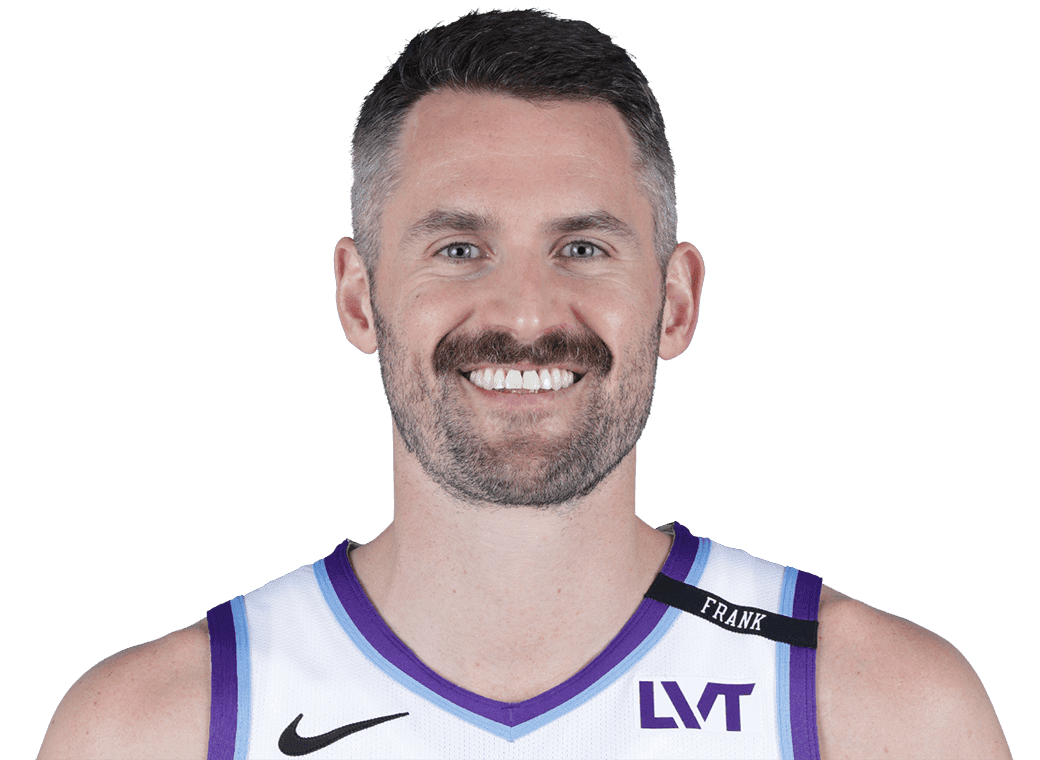
Kevin Love
#0 · Forward
9.3
PPG
7.0
RPG
41.4
FG%
Kevin Love's championship contribution was not defined by his box score — it was defined by one possession. In the final seconds of Game 7, with Klay Thompson driving toward the basket, Love stepped up and wrapped Thompson in a defensive bear hug, forcing a miss and surviving the contact without committing a foul. The play was the definition of championship-level sacrifice: Love gave up an open three-point opportunity, absorbed a physical collision, and saved the game. A player once criticized for his defensive willingness delivered the stop that mattered most.
Defensive stop on Klay Thompson in the final seconds of Game 7 preserved Cleveland's one-point lead and sealed the championship
Averaged 7.0 rebounds per game providing the interior presence that allowed LeBron to roam freely
Sacrificed offensive production for team defense — a transformation that defined Cleveland's championship identity
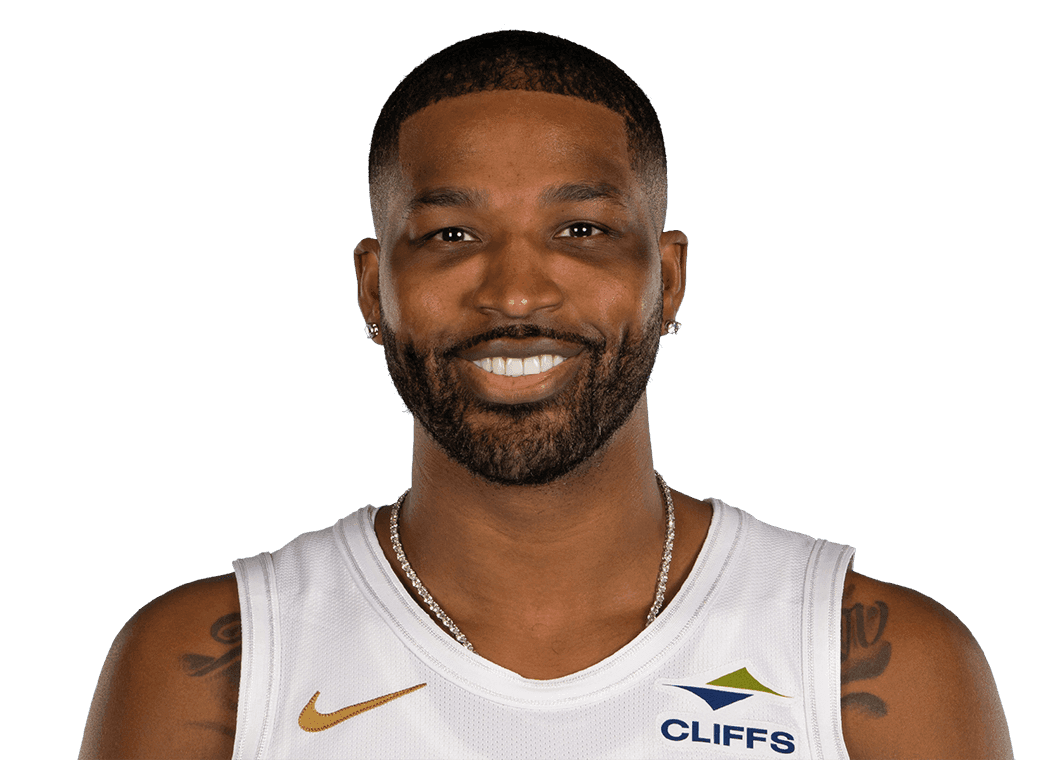
Tristan Thompson
#13 · Center
7.5
PPG
9.3
RPG
57.9
FG%
Tristan Thompson was Cleveland's engine on the offensive glass throughout the Finals. He averaged 9.3 rebounds per game and consistently extended Cavaliers possessions with tip-ins and second-chance finishes that kept drives alive. His physical interior presence against Draymond Green and Andrew Bogut gave Cleveland the rebounding margin that neutralized Golden State's pick-and-roll scheme. Thompson was the type of player that wins rarely get discussed without — relentless, physical, and invaluable in the moments most fans never notice.
Led all players in rebounds per game (9.3 RPG) — his offensive glass work directly produced extra possessions in every game of the series
Shot 57.9% from the field by keeping his role simple and attacking where Golden State's defense was softest
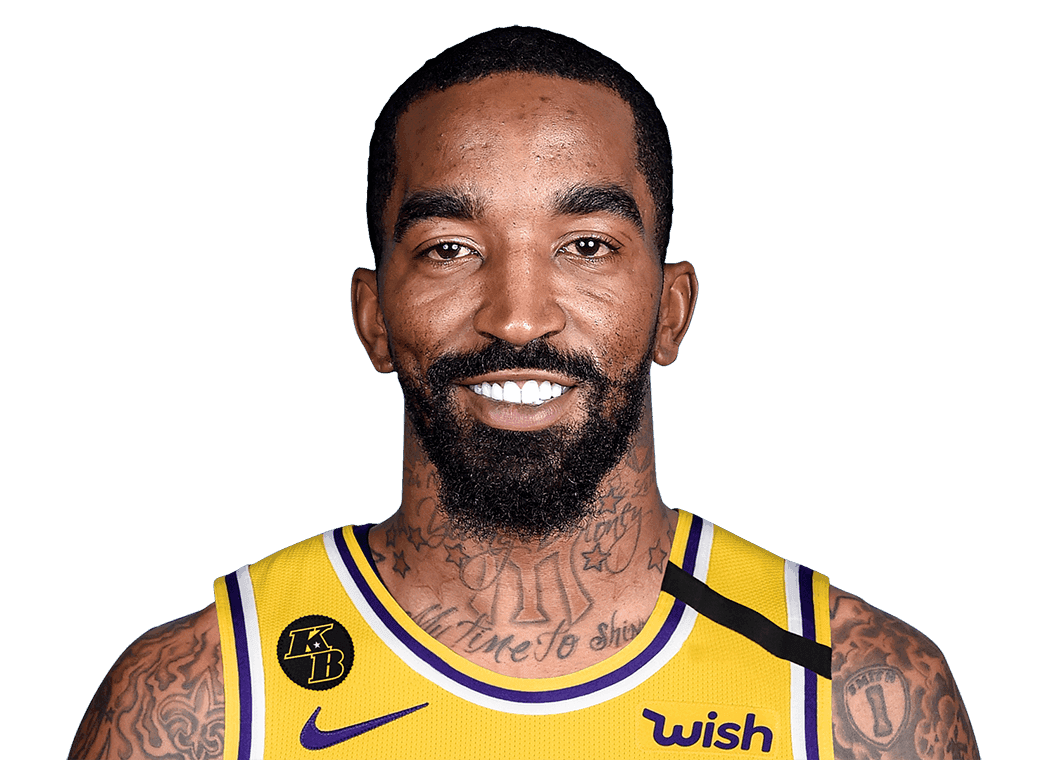
J.R. Smith
#5 · Guard
12.0
PPG
40.0
3P%
J.R. Smith provided Cleveland with the perimeter shooting and defensive energy that a LeBron-Kyrie team needed from its wing pieces. His ability to hit corner threes when defenses collapsed on LeBron created the spacing that made Cleveland's offense function. His 15-point Game 6 performance helped close out the series in Cleveland, and his defensive aggressiveness throughout the Finals embodied the toughness Tyronn Lue demanded from the team's role players.
15 points in Game 6 helped close out the series at home in Cleveland before the decisive Game 7
Perimeter shooting at 40% from three provided the spacing that opened driving lanes for LeBron and Kyrie throughout the series

Richard Jefferson
#24 · Forward
7.7
PPG
3.4
RPG
Richard Jefferson was 35 years old when he won his first NBA championship, and his contribution to Cleveland's run exemplified the veteran role player at its best. His defensive versatility allowed Tyronn Lue to switch matchups freely on Golden State's shooters, and his steady presence gave a young Cleveland core the experienced leadership that complemented LeBron's example. Jefferson averaged 7.7 points and never once took a possession off — the definition of a championship professional.
Won his first NBA championship at age 35 after a 15-year career — one of the great late-career championship narratives in NBA history
Defensive versatility allowed Cleveland to switch freely on Golden State's multi-faceted offensive schemes
They Pushed Us to the Limit
The 2015-16 Golden State Warriors finished 73-9 — the best regular-season record in NBA history, surpassing Michael Jordan's 1995-96 Chicago Bulls by one game. They entered the Finals as the defending champions, led by unanimous MVP Stephen Curry, Finals MVP Klay Thompson, and the defensive engine Draymond Green. The Warriors had blitzed through the Western Conference with a league-best offense and one of the most suffocating perimeter defenses ever assembled. They led the series 3-1 and were one win from back-to-back championships. But Cleveland came back. The 73-win Warriors remain one of the most talented and tragic teams in NBA history — proof that regular-season excellence and a 3-1 Finals lead are not guarantees of a championship.
Stephen Curry
#30 · Guard
22.6
PPG
5.1
RPG
5.4
APG
The unanimous MVP who led the greatest regular-season team in history — his 22.6 PPG in the Finals was not enough to prevent Kyrie's dagger three from ending Golden State's dynasty bid.
Klay Thompson
#11 · Guard
22.9
PPG
4.6
RPG
40.8
3P%
The Splash Brothers' quieter half averaged more points than Curry in the Finals and kept Golden State competitive against Cleveland's best defensive effort — a series defined by what neither team could take away from Thompson.
Draymond Green
#23 · Forward
15.4
PPG
9.7
RPG
6.7
APG
Green's triple-double production orchestrated Golden State's offense and anchored their defense — until his Game 4 flagrant foul accumulated into an automatic Game 5 suspension, a turning point that gave Cleveland the opening it needed.
Andre Iguodala
#9 · Forward
10.7
PPG
3.3
RPG
The 2015 Finals MVP whose Game 7 breakaway layup attempt was pinned against the backboard by LeBron James in the most famous chase-down block in NBA history — a moment that decided the championship.
History Written in 2016
Cleveland Cavaliers
First NBA Championship in franchise history — ending a 52-year professional sports championship drought in Cleveland, the longest active drought in major American sports at the time.
Cleveland Cavaliers
First team in NBA Finals history to come back from a 3-1 series deficit — a comeback considered statistically impossible against the greatest regular-season team ever assembled.
LeBron James
Only player in NBA Finals history to lead both teams in points, rebounds, and assists for an entire series — averaging 29.7 PPG, 11.3 RPG, and 8.9 APG against a historically great Warriors defense.
LeBron James
Chase-down block on Andre Iguodala in Game 7 with 1:57 remaining is universally recognized as the greatest defensive play in NBA Finals history — a full-court sprint that saved Cleveland's season.
LeBron James
Three consecutive 41-point performances in Games 5, 6, and 7 — the only player in Finals history to score 41+ in three straight games, all of them decisive wins for his team.
Kyrie Irving
Go-ahead three-pointer over Stephen Curry with 53 seconds left in Game 7 — the shot that put Cleveland ahead for good and is among the five most consequential baskets in Finals history.
LeBron James
Triple-double in Game 7 on the road (27 pts / 11 reb / 11 ast) — one of the most complete championship-clinching performances in NBA history, delivered by the player who promised to bring Cleveland a championship.
Golden State Warriors
The 73-win Warriors became the only team to hold a 3-1 Finals lead and lose — a collapse that remains one of the defining cautionary tales in sports history.
Beyond the Box Score
The 2016 NBA Finals was the culmination of a story that had begun two years earlier, when LeBron James announced his return to Cleveland in an open letter that promised to bring the city a championship. Cleveland had not won a major professional sports title since 1964. LeBron had left for Miami in 2010, won two championships, and come home in 2014 specifically because he believed he could do something meaningful for the city that raised him. The 2016 Finals was where that promise was either kept or broken.
The opponent was not just any team. The 2015-16 Golden State Warriors had finished 73-9 — the best regular-season record in NBA history, one win better than Michael Jordan's 72-10 Chicago Bulls. Stephen Curry had just been named the first unanimous MVP in NBA history. The Warriors had won the 2015 championship, and everything in basketball pointed toward a dynasty. When they took a 3-1 series lead, the mathematics of history said Cleveland could not come back. No team ever had.
Games 5 and 6 changed everything. LeBron James scored 41 points in Game 5 in Oakland, then 41 points again in Game 6 in Cleveland. Kyrie Irving matched him in both — 41 in Game 5, 23 in Game 6. The two-man combination was performing at a level that basketball had rarely seen: two stars taking over a Finals in the moments of highest pressure, feeding off each other's confidence, making an impossibly difficult task look achievable. By the time Game 6 ended, the greatest comeback in Finals history was one win away from completion.
Game 7 at Oracle Arena on June 19, 2016, was one of the greatest single games in sports history. With less than two minutes remaining and the score tied, Andre Iguodala caught a pass in transition and rose for a layup that would have given Golden State the lead and, effectively, the championship. What happened next became the most replayed sequence in NBA Finals history: LeBron James, starting from the opposite side of the court, accelerated across the lane and pinned the ball against the backboard — a full-body, full-speed act of will that defied the physics of what a 31-year-old should be able to do with championship stakes on every step. Kyrie Irving's corner three came seconds later. Cleveland held on. The city that waited 52 years finally had its championship.
The Full Story
There is a letter in Cleveland's history that changed everything. In July 2014, LeBron James wrote four paragraphs in Sports Illustrated announcing his return to the Cleveland Cavaliers — not because it was the safest path, not because it guaranteed championships, but because it was home. "I want to give them a championship," he wrote. "I want to bring it home to Northeast Ohio." The 2016 NBA Finals was where that promise came due.
The opponent could not have been more formidable. The Golden State Warriors had just completed the greatest regular season in NBA history — 73 wins, one more than Michael Jordan's Bulls, with Stephen Curry becoming the first unanimous MVP in league history. They had beaten Cleveland in the 2015 Finals. By the time they went up 3-1 in the 2016 series, the basketball world had essentially moved on. LeBron had given everything, the math said it was over, and Golden State was one win from back-to-back championships.
Then Games 5, 6, and 7 happened. LeBron James scored 41 points in Game 5 in Oakland, where Cleveland had barely been competitive all series. He scored 41 more in Game 6 at home. Kyrie Irving went for 41 in Game 5 alongside him — two men combining for 82 points in a road win against the best team in basketball. The series was tied at three. One game. Oracle Arena. No margin for error.
Game 7 is what separates legends from champions. For three quarters it was even, grinding, tense — the way games are when neither team can afford a mistake. Then, with less than two minutes left, Andre Iguodala rose for a layup that would have ended it. LeBron James, moving at a speed that should be impossible at 31 years old in the 46th minute of the most important game of his life, crossed the court and pinned the ball against the backboard. Possession Cleveland. Seconds later, Kyrie Irving — knowing the moment, embracing it — pulled up off a screen and hit a three-pointer over Stephen Curry's hand that dropped through the net. Golden State could not answer. The buzzer sounded. LeBron James dropped to the floor and sobbed. He had promised to bring Cleveland a championship. He kept his word.
Share the Legacy
Send this page to a fellow Cleveland Cavaliers fan. Let them relive every moment — game by game, play by play.