Esta página contiene enlaces de afiliados. Podemos ganar una comisión si compras a través de estos enlaces, sin costo adicional para ti. As an Amazon Associate I earn from qualifying purchases.
On June 19, 2016, Kyrie Irving pulled up from the left wing in Oracle Arena with 53 seconds remaining in Game 7 of the NBA Finals, and released a three-pointer over the outstretched hand of Stephen Curry — the unanimous MVP of a team that had won 73 regular-season games, the most in NBA history. The ball went in. Cleveland Cavaliers 93, Golden State Warriors 89. The most celebrated basketball city in America had just been beaten by a team from a rust-belt city that had not won a major professional sports championship since 1964.
The 2016 Cleveland Cavaliers championship is the most improbable title in NBA Finals history. No team had ever come back from a 3-1 deficit in the Finals. The opponent was not merely good — they were historically great. And the two men who delivered the championship, LeBron James and Kyrie Irving, did so with performances that belonged in a different category from anything the Finals had seen in a generation.
A City That Waited 52 Years
Cleveland's last major professional sports championship had come in 1964, when Jim Brown led the Cleveland Browns to an NFL title. In the half-century that followed, the city experienced a level of sporting heartbreak that became its defining narrative: The Drive, The Fumble, The Shot, The Decision. Cleveland was not merely a city that had not won — it was a city that had lost in ways specifically designed to maximize pain. When LeBron James left for Miami in 2010, it felt like the final indignity. When he came back in 2014 and wrote an open letter in Sports Illustrated promising to bring a championship home, Cleveland allowed itself to believe one more time.
A Season of Change: 57 Wins and a Coaching Shift
The 2015-16 Cavaliers finished 57-25 under head coach Tyronn Lue, who had taken over in January after David Blatt was fired despite a 30-11 record — one of the most extraordinary midseason coaching decisions in NBA history. Lue gave Cleveland a defensive identity and, crucially, gave LeBron James a coach whose authority he respected and whose defensive adjustments he would execute without resistance. The regular season was defined by LeBron's health management and the development of Kyrie Irving as a capable co-star. By playoff time, both were operating at peak level.
The Road to the Finals
Cleveland's path through the Eastern Conference was dominant without being spectacular. They swept the Detroit Pistons in the first round, dispatched the Atlanta Hawks 4-0 in the second, and eliminated the Toronto Raptors 4-2 in the Conference Finals — a series that required Irving's best individual performances of the postseason to close out. By the time Cleveland reached the Finals, LeBron had averaged 25.2 points, 8.7 rebounds, and 6.0 assists across 12 playoff games. The Cavaliers entered as the consensus favorites — until the series began and Golden State's 73-win offense proved impossible to stop.
Down 3-1: The Weight of History
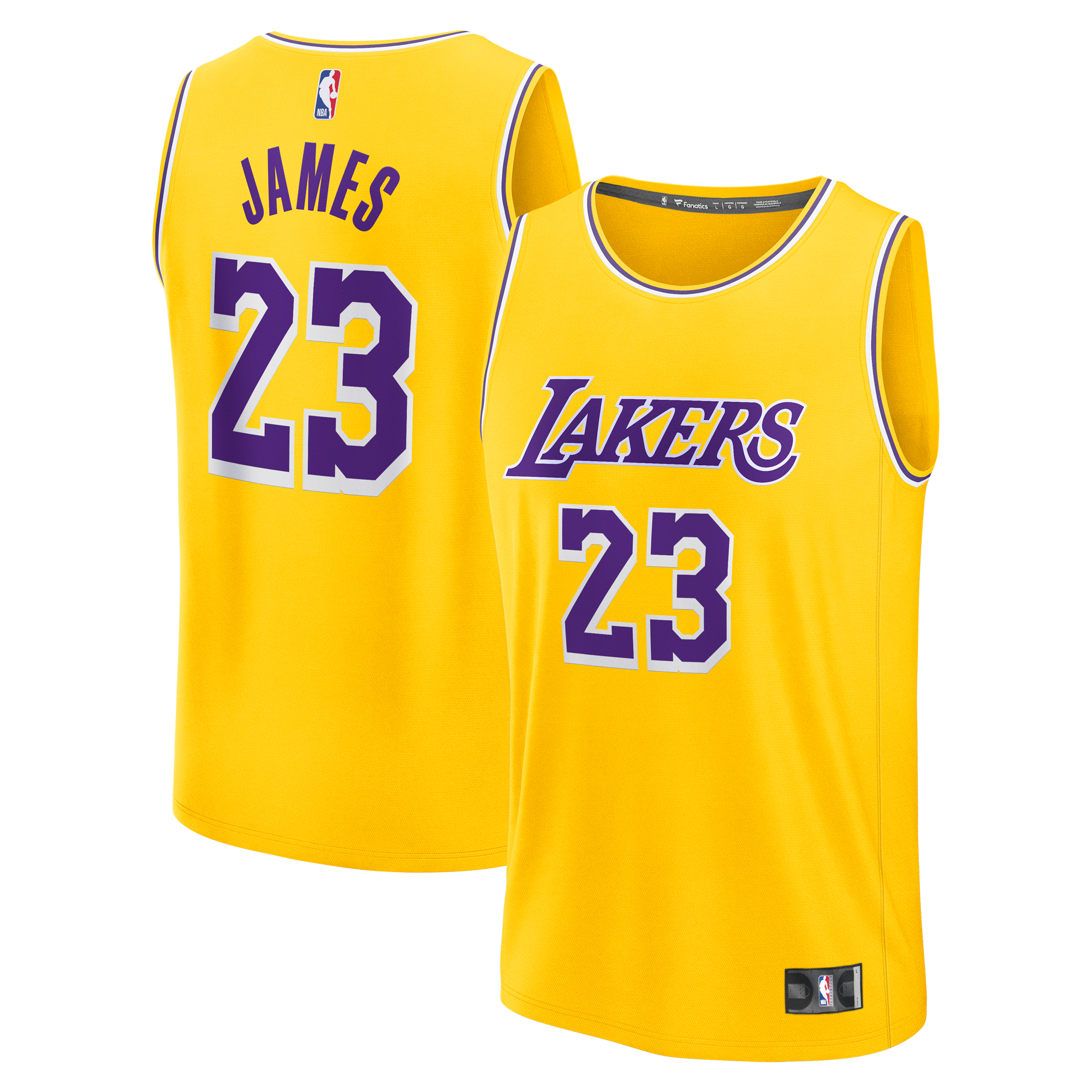
After Golden State won Games 3 and 4 in Cleveland, the mathematics of history said the series was over. No team had ever recovered from a 3-1 Finals deficit. Klay Thompson had set a Finals record with 11 three-pointers in Game 3. Draymond Green had produced triple-double performances that orchestrated the Warriors movement offense at a level that defied containment. Then Green was suspended for Game 5 due to accumulated flagrant fouls — a disciplinary twist that gave Cleveland the opening it needed. The city of Cleveland prepared for the loss it had always expected. And then Games 5, 6, and 7 happened.
Three Wins. Three Games. A Promise Kept.
In Game 5 in Oakland — without Draymond Green — LeBron James and Kyrie Irving each scored 41 points, combining for 82 on the road against the best team in basketball. Game 6 brought 41 more from LeBron in Cleveland, the building shaking with belief that had no rational basis except the man manufacturing it. And then Game 7: LeBron's chase-down block on Andre Iguodala with 1:57 remaining — his body crossing the entire court at full speed to pin a layup against the backboard. Kyrie's three-pointer over Curry's outstretched hand 37 seconds later. Kevin Love wrapping Klay Thompson on the final possession and holding without fouling. Ninety-three to eighty-nine. The buzzer sounded. LeBron James dropped to the floor of Oracle Arena and sobbed. Cleveland had its championship.
The Legacy
The 2016 Cleveland Cavaliers championship sits in its own category in NBA history. It is the only title won by a team that came back from a 3-1 Finals deficit. It ended a 52-year championship drought for Cleveland. It fulfilled a specific, public promise made by the most famous athlete in Ohio history when he came home in 2014. The players who delivered it — LeBron James, Kyrie Irving, Kevin Love, Tristan Thompson, J.R. Smith, Richard Jefferson — became permanent figures in Cleveland's civic memory. The block and the shot are not merely highlights. They are the two most important plays in the history of a franchise, delivered within the same two-minute window of the most important game any of them ever played.
¿Te gusta este análisis?
Recibe más análisis como este en tu bandeja de entrada.