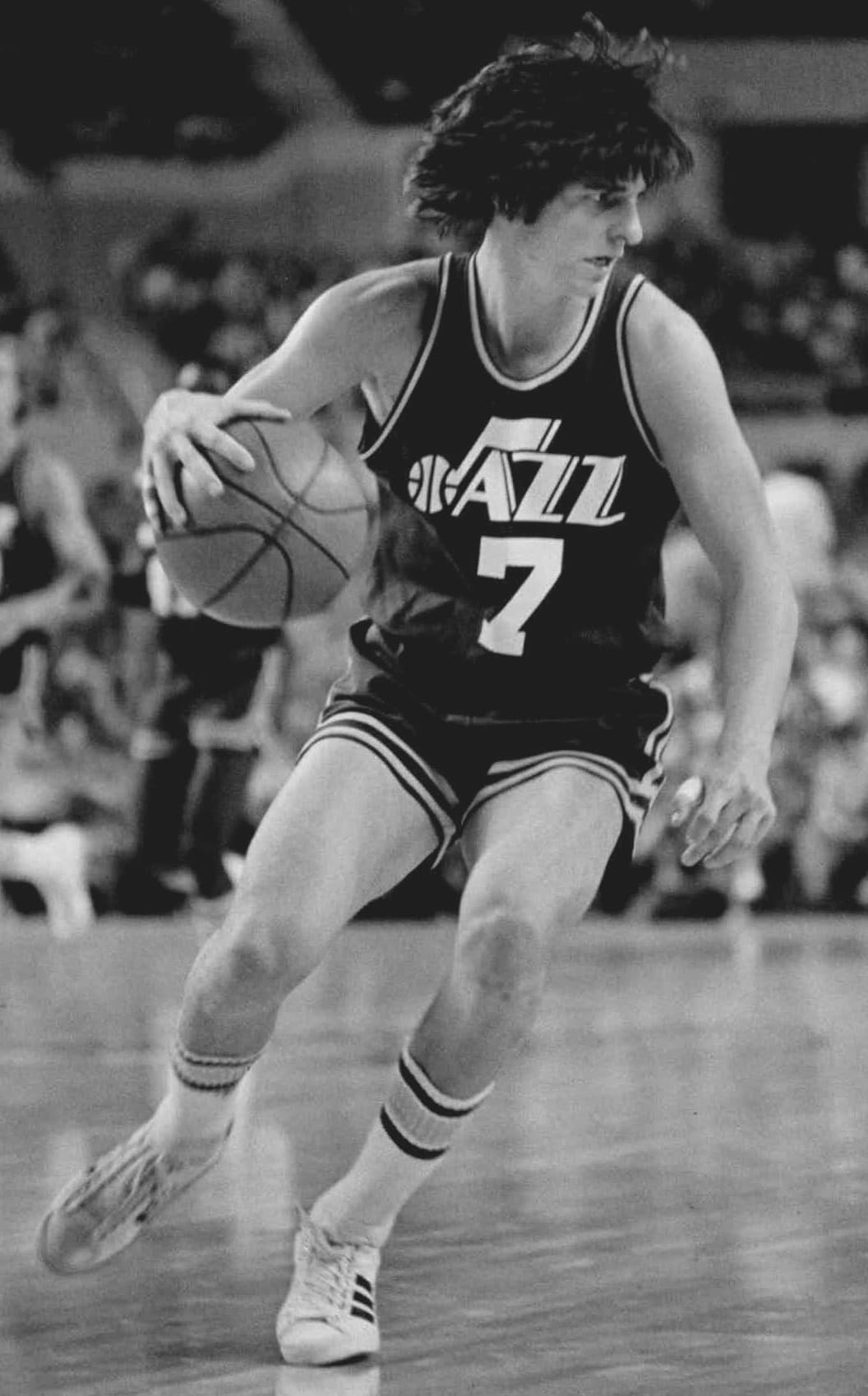
Pete Maravich averaged 44.2 PPG in college, led the NBA in scoring in 1977, and was the most creative offensive player of his era. Here is why #7 belongs in the Jazz rafters.
Este artículo fue traducido automáticamente del inglés.View original
Diosh Lequiron
··7 min de lectura·
M
Share
Esta página contiene enlaces de afiliados. Podemos ganar una comisión si compras a través de estos enlaces, sin costo adicional para ti. As an Amazon Associate I earn from qualifying purchases.
Pete Maravich averaged 44.2 points per game in college without a three-point line — a record that, decades later, no one has approached; Oscar Robertson is second, far behind at 33.8. The Jazz retired his #7 because "Pistol Pete" was, for six seasons, the entire identity of the franchise. Maravich joined the New Orleans Jazz in 1974 as the team's centerpiece and defining attraction, a showman whose passing and scoring imagination ran generations ahead of his era. He earned five All-Star selections and won the 1977 NBA scoring title at 31.1 points per game, the brightest individual peak in the franchise's early history. When the team relocated to Utah, Maravich's #7 went with it into the rafters — the number of the player who first made Jazz basketball must-watch, and whose flair still defines what the franchise was born from. His banner honors basketball as spectacle.
Yves Missi Men's Fanatics Navy New Orleans Pelicans Fast Break Custom Jersey - Icon Edition
Pistol Pete in New Orleans and Utah
Maravich joined the New Orleans Jazz in 1974 and was, for six seasons, the franchise's entire identity. He was a five-time All-Star, the 1977 scoring champion at 31.1 points per game, and a player whose combination of ball-handling creativity, scoring instincts, and theatrical flair made him the most watchable player of his era. When the Jazz relocated to Salt Lake City in 1979, Maravich came with them, wearing #7 for the entire organization — both cities, one number.
Youth Fanatics Zion Williamson Navy New Orleans Pelicans Fast Break Replica Player Jersey - Icon Edition
His NBA career ended with a knee injury in 1980, but the impact was not measured in championships or rings. It was measured in the particular joy his game produced — the behind-the-back pass before anyone was doing behind-the-back passes, the no-look dish to a cutter nobody else saw, the pull-up jumper from impossible distances at pivotal moments.
Men's Fanatics Zion Williamson Black New Orleans Pelicans 2025/26 City Edition Fast Break Jersey
What Made Him Different
Maravich was not simply a great scorer. He was an architect of basketball creativity — someone who expanded the vocabulary of what the sport could look like. Every flashy point guard who has played in the NBA since 1970 learned something from watching Pete Maravich, whether they knew it or not.
Micah Peavy Men's Fanatics Navy New Orleans Pelicans Fast Break Custom Replica Jersey - Icon Edition
His father Press Maravich spent Pete's entire childhood designing increasingly complex dribbling and passing drills — strapping a basketball to his wrist at night, having him dribble from a moving car, demanding the obsessive repetition that borders on mythology. The result was a player who treated the ball as an extension of thought rather than a tool.
Youth Fanatics Dejounte Murray Red New Orleans Pelicans Fast Break Replica Player Jersey - Statement Edition
In 1977, scoring 31.1 points per game in an era before the three-point line, Maravich demonstrated that artistry and efficiency were not in conflict. He led the league in scoring for the fifth and final time. The knee injury that would end his career was already developing, though nobody knew it yet.
Herbert Jones Youth Fanatics White New Orleans Pelicans Fast Break Replica Custom Jersey - Association Edition
Why #7 Is in the Rafters
The Jazz retired #7 because Pete Maravich was the most gifted offensive player to ever wear the franchise's uniform — a statement that requires no qualification. The number covers both the New Orleans and Utah eras of the organization, and it represents a player whose influence on how the game is played outlasted his body's ability to play it.
Dylan Windler New York Knicks Game-Used #20 Blue Nike Jersey vs. New Orleans Pelicans on October 28, 2023 - Size 50+4
He died of a heart attack at 40 years old in 1988, on a gym floor in Pasadena during a pickup game. He was inducted into the Basketball Hall of Fame the year before he died. The Jazz keep his number in the rafters as a reminder that some contributions to the sport cannot be measured in wins, and that the most important things about basketball are not always the things that show up in a box score.
Unisex Nike Zion Williamson Black New Orleans Pelicans 2025/26 Swingman Jersey - City Edition
¿Te gusta este análisis?
Recibe más análisis como este en tu bandeja de entrada.
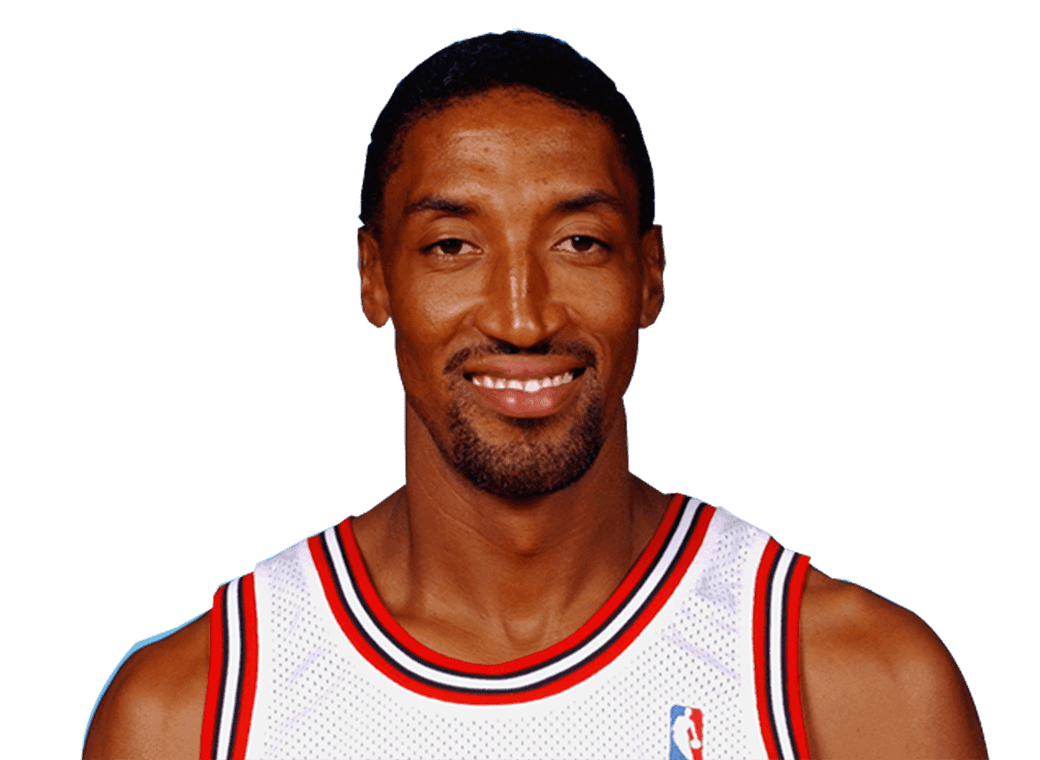
Scottie Pippen is the greatest example in basketball history of what it means to be exactly what your team needs. Without Pippen's #33, there is no second three-peat, no dynasty mythology, and arguably no six championships at all.
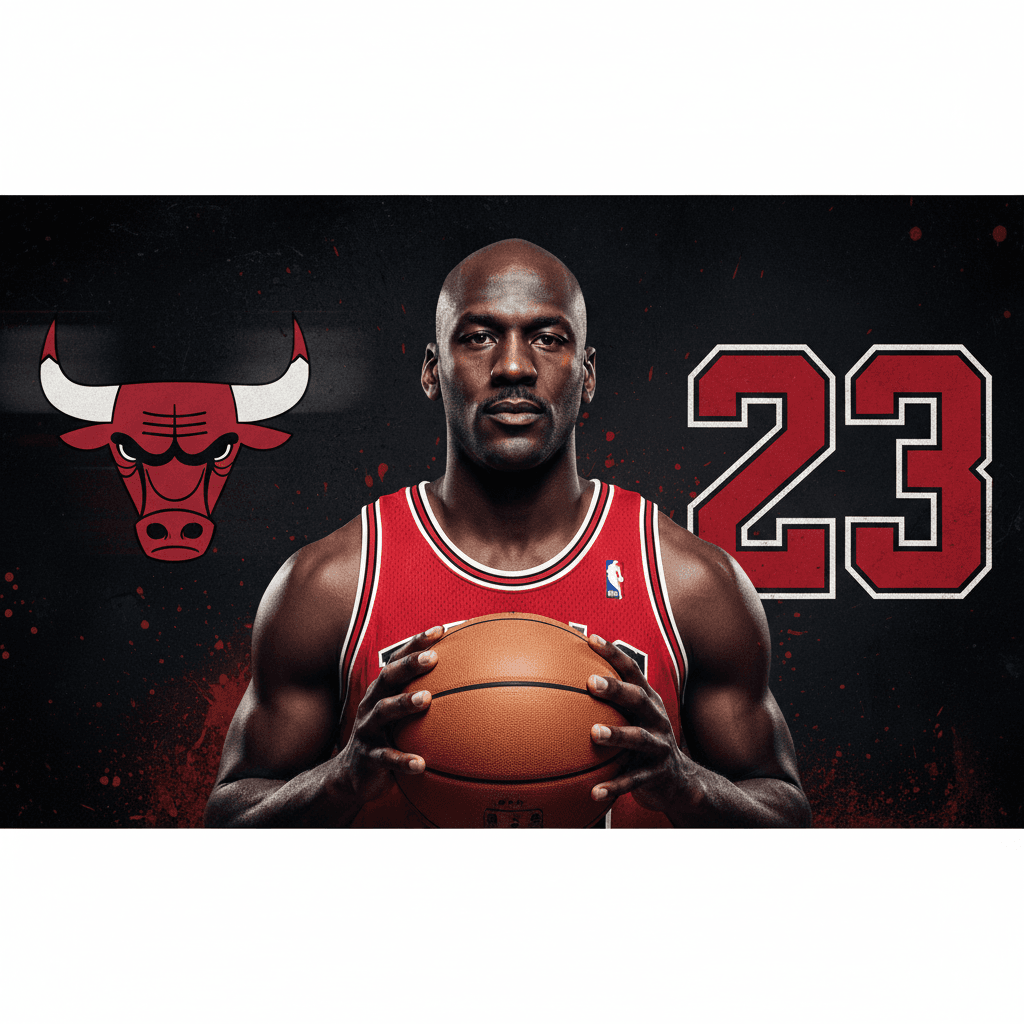
October 1, 1994: the Bulls retire #23 for the first time. Eighteen months later, Jordan faxed two words and they took it back down. The story of six championships, two three-peats, and the number that bent the gravity of basketball around itself.
Bob Love was the Chicago Bulls' first great offensive player — a jump-shooting artist who averaged 21 points a game and made three All-Star teams. But the story of why the Bulls retired his #10 has as much to do with what happened after basketball as during it.