Esta página contiene enlaces de afiliados. Podemos ganar una comisión si compras a través de estos enlaces, sin costo adicional para ti. As an Amazon Associate I earn from qualifying purchases.
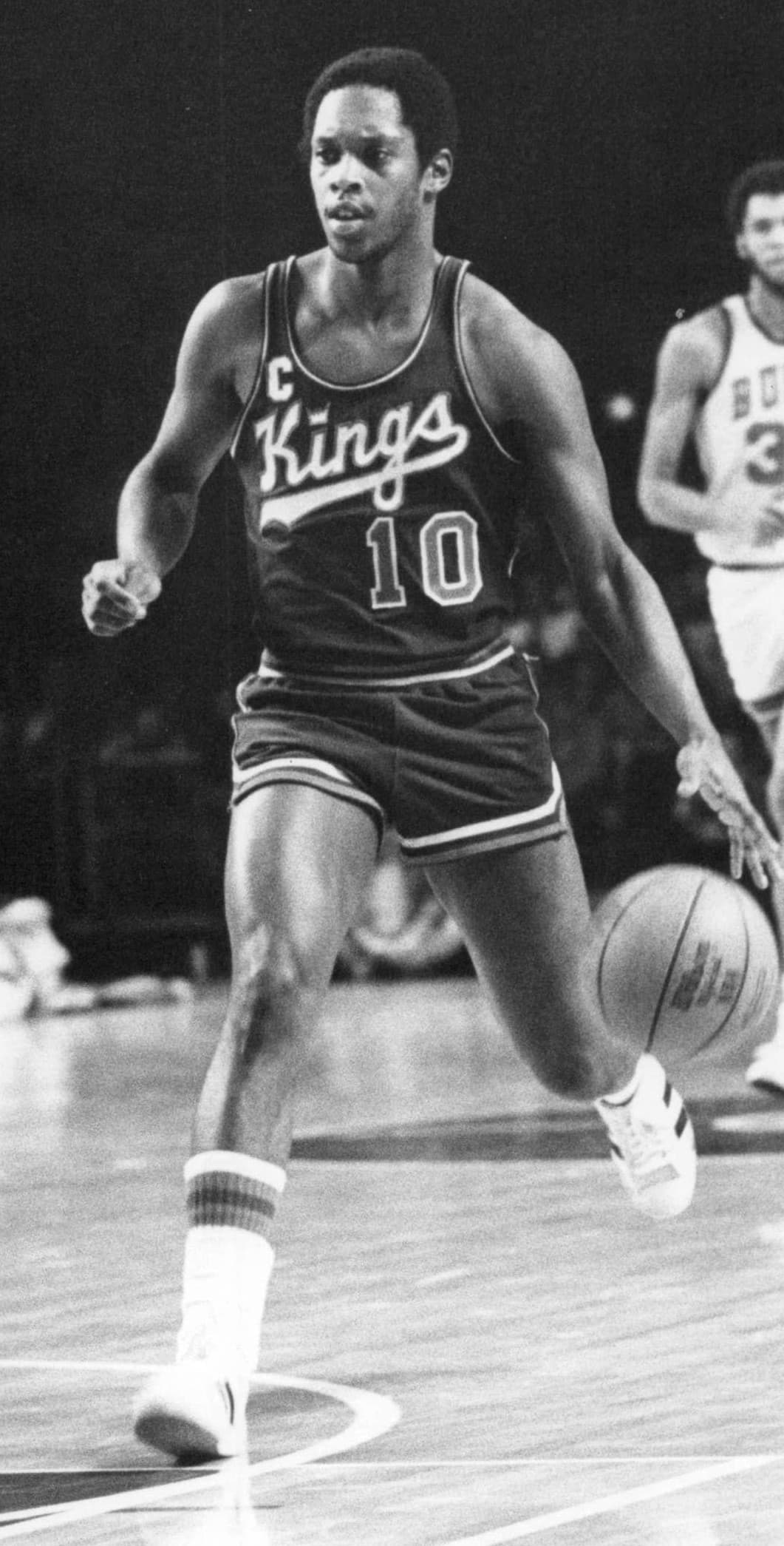
In the 1972-73 season, playing for the Kansas City-Omaha Kings — the franchise that would eventually settle in Sacramento — Nate Archibald averaged 34.0 points and 11.4 assists per game, leading the NBA in both categories simultaneously. It is the only time in league history any player has accomplished that feat: not Michael Jordan, not Magic Johnson, not LeBron James, only Tiny. Nathaniel Archibald was born September 2, 1948, in New York City's South Bronx, attended DeWitt Clinton High School and the University of Texas at El Paso, and was selected by the Cincinnati Royals in the second round of the 1970 NBA Draft. Across 80 games in 1972-73 he scored 2,719 points and distributed 910 assists. A serious Achilles injury in 1977 threatened his career, but he recovered and won the 1981 title with the Boston Celtics. Standing 6-foot-1, he entered the Hall of Fame in 1991. The Kings retired #1 for that singular season.
From the South Bronx to the Basketball Hall of Fame
Nathaniel Archibald — nicknamed Tiny — was born September 2, 1948, in New York City's South Bronx, one of the most economically challenging neighborhoods in America during the postwar era. The Bronx of Archibald's youth was a place where basketball courts provided structure, community, and escape. Archibald absorbed the game on those courts, developing a handle and court vision that would eventually earn him comparisons to the greatest point guards the sport has produced.
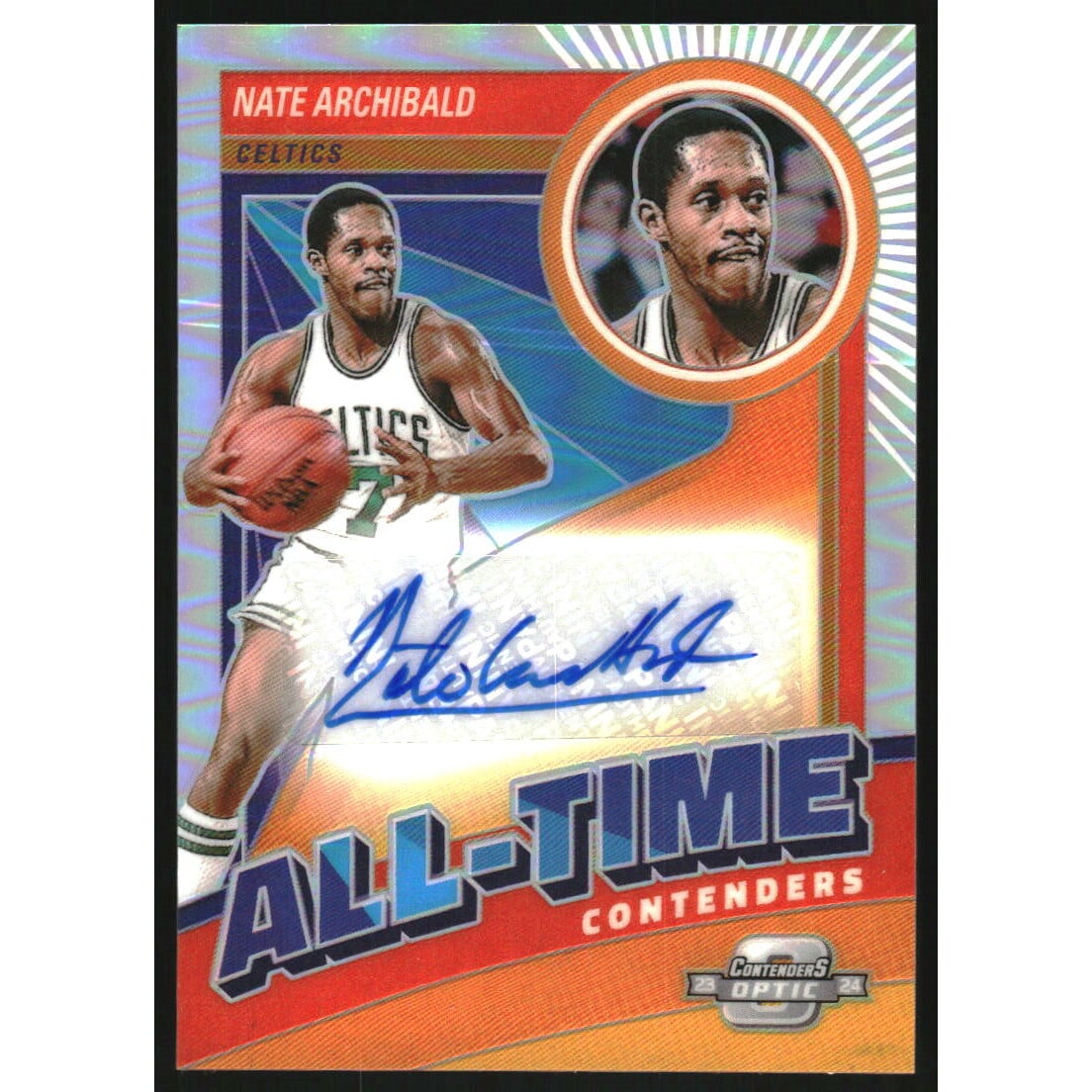
He attended DeWitt Clinton High School before going on to the University of Texas at El Paso, where his scoring and playmaking developed under structured coaching. The Cincinnati Royals — the predecessor franchise to today's Sacramento Kings — selected Archibald in the second round of the 1970 NBA Draft. That selection was already an undervaluation of his talent, and it would look even more shortsighted within three seasons.

The 1972-73 Season: A Statistical Singularity
By 1972, the Royals had become the Kansas City-Omaha Kings, and Archibald had established himself as one of the league's most dangerous scoring guards. But nothing prepared observers for what the 1972-73 season would produce. Playing 80 games, Archibald scored 2,719 points — 34.0 per game — while distributing 910 assists — 11.4 per game. Both figures led the league. He became the first and only player in NBA history to accomplish both in the same season.
The achievement requires context to appreciate. Leading the NBA in scoring means being the most prolific scorer among hundreds of professionals whose sole job is putting the ball in the basket. Leading in assists means being the best distributor, the most selfless creator. These two tasks exist in natural tension — the more you score, the fewer possessions you create for others. Archibald resolved that tension by being so supremely gifted at both that the tension itself ceased to matter.
The Championship That Came Later
The Kings of the early 1970s were not a winning team, and Archibald's brilliance often shone brightest in losing efforts. A serious Achilles injury in 1977 threatened to end his career entirely. He worked his way back, eventually landing with the Boston Celtics, where alongside Larry Bird, Kevin McHale, and Robert Parish, he won the 1981 NBA Championship. The title validated a career of extraordinary individual excellence that had gone unrewarded by team success during its most productive years.

Archibald was named to six All-Star Games, earned a place on the NBA 50th Anniversary Team, and was inducted into the Naismith Memorial Basketball Hall of Fame in 1991. His career was the story of a man from the South Bronx who became one of the most statistically dominant players in the history of professional basketball.

Why the Kings Retired #1
The Sacramento Kings retired Nate Archibald's number 1 because what he accomplished in a Kings uniform represents the highest individual achievement any franchise player has ever produced. No other player in Kings history, or in any team's history, has led an entire professional league in scoring and assists in the same year.

When #1 hangs in the rafters at Golden 1 Center, it is a reminder that this franchise has a history stretching back to 1945 — and that within that history exists a singular moment of basketball perfection. Tiny Archibald, standing 6-foot-1 and weighing 160 pounds, willed himself through that season on pure skill and competitive fire. The number is the franchise's way of saying: we saw something here that will never happen again.

¿Te gusta este análisis?
Recibe más análisis como este en tu bandeja de entrada.