Esta página contiene enlaces de afiliados. Podemos ganar una comisión si compras a través de estos enlaces, sin costo adicional para ti. As an Amazon Associate I earn from qualifying purchases.
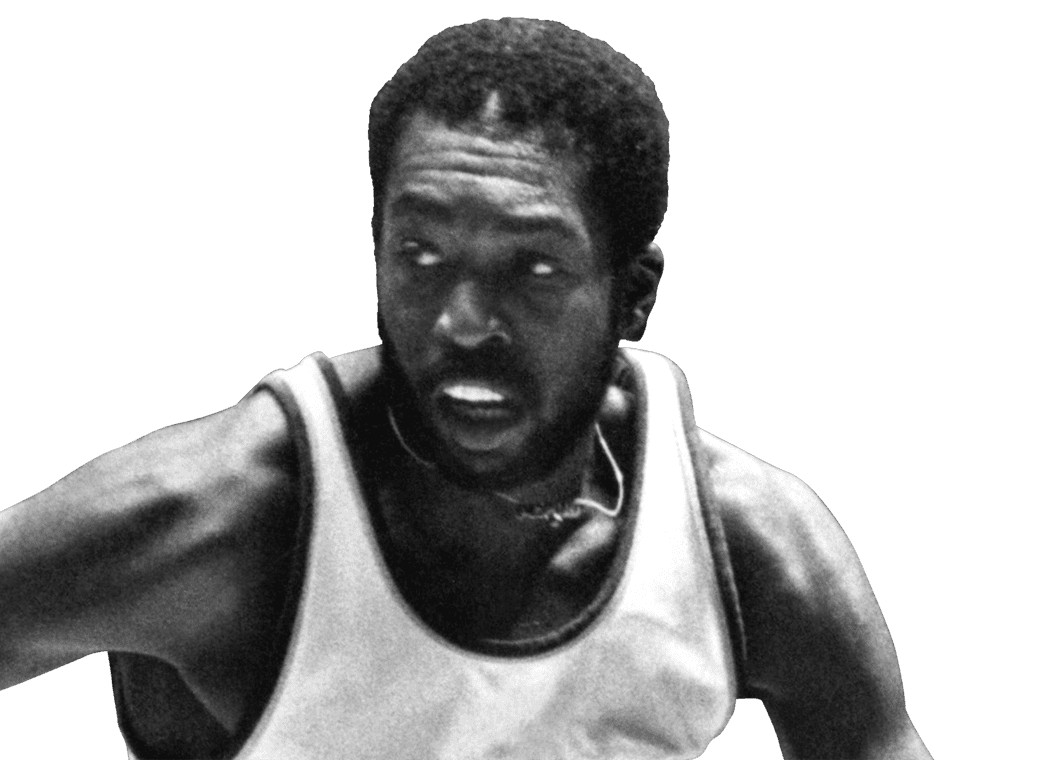
Madison Square Garden's #15 banner tells two stories at once. The New York Knicks retired the number for Dick McGuire and Earl Monroe — two eras, one number, both deserving permanent recognition. Richard Joseph McGuire, born in Queens in 1926, joined the Knicks in 1949 out of St. John's and became the team's primary playmaker in an age before assists were celebrated, earning seven All-Star selections across his career before later coaching and scouting for the franchise. Earl Monroe, born in Philadelphia in 1944, averaged 41.5 points per game as a senior at Winston-Salem State and went second overall to Baltimore in 1967. Traded to New York in 1971, "The Pearl" accepted a complementary role beside Walt Frazier — the celebrated "Clyde and The Pearl" backcourt — and helped deliver the 1973 championship. A four-time All-Star, Monroe entered the Hall of Fame in 1990. McGuire is the pioneer; Monroe the championship completion.

Dick McGuire: The Pioneer
Richard Joseph McGuire was born January 25, 1926, in Queens, New York — a local kid who became one of the franchise's first stars. A product of St. John's University, McGuire joined the Knicks in 1949 and immediately became the team's primary playmaker. In an era before assists were valued as they are today, McGuire's ability to find open teammates and control pace made the early Knicks competitive in a league that was still defining itself.

He was selected to seven NBA All-Star Games across his career, a remarkable achievement that speaks to sustained excellence in a decade when the All-Star Game had genuine meaning as a recognition of the season's best performers. McGuire played for the Knicks through 1957, then finished his career with Detroit. He later served as head coach of the Knicks and Detroit Pistons, and spent decades as a scout and executive in the organization.
Earl Monroe: The Pearl
Vernon Earl Monroe was born November 21, 1944, in Philadelphia, Pennsylvania. He is the more celebrated of the two #15 honorees — a player so original that his nickname (The Pearl) and his style (spinning, pirouetting, improvising in ways no one had codified) became part of the language of basketball. At Winston-Salem State University, he averaged 41.5 points per game as a senior, winning the NCAA College Division scoring title. The Baltimore Bullets selected him second overall in 1967.

In Baltimore, Monroe was spectacular — an All-NBA First Team selection in 1969 who made the Bullets appointment television every night he played. His rivalry with Walt Frazier, the two elite guards constantly going head-to-head in the Eastern Division, was one of the defining matchups of the era. When the Knicks traded for Monroe in 1971, the basketball world assumed the Frazier-Monroe partnership was impossible — two players accustomed to being the focal point couldn't share a backcourt.

Monroe proved the skeptics wrong by accepting a complementary role with a generosity of spirit that his championship-hungry teammates deeply respected. The 'Clyde and The Pearl' backcourt became one of the most celebrated in NBA history. Monroe's improvised creativity gave the Knicks' offense an unpredictability that made their 1973 championship run feel inevitable once Monroe fully embraced Holzman's system. He was named to four NBA All-Star Games and inducted into the Naismith Memorial Basketball Hall of Fame in 1990.
Why the Knicks Retired #15
The shared retirement of #15 for McGuire and Monroe reflects the Knicks' unusual history as one of the NBA's original franchises — a team whose championship era is relatively recent but whose competitive history spans the league's entire existence. McGuire represents the pioneering years when the franchise was establishing its identity; Monroe represents the championship completion. Together, they tell the full story of what #15 meant to New York basketball across two generations.

¿Te gusta este análisis?
Recibe más análisis como este en tu bandeja de entrada.