Esta página contiene enlaces de afiliados. Podemos ganar una comisión si compras a través de estos enlaces, sin costo adicional para ti. As an Amazon Associate I earn from qualifying purchases.
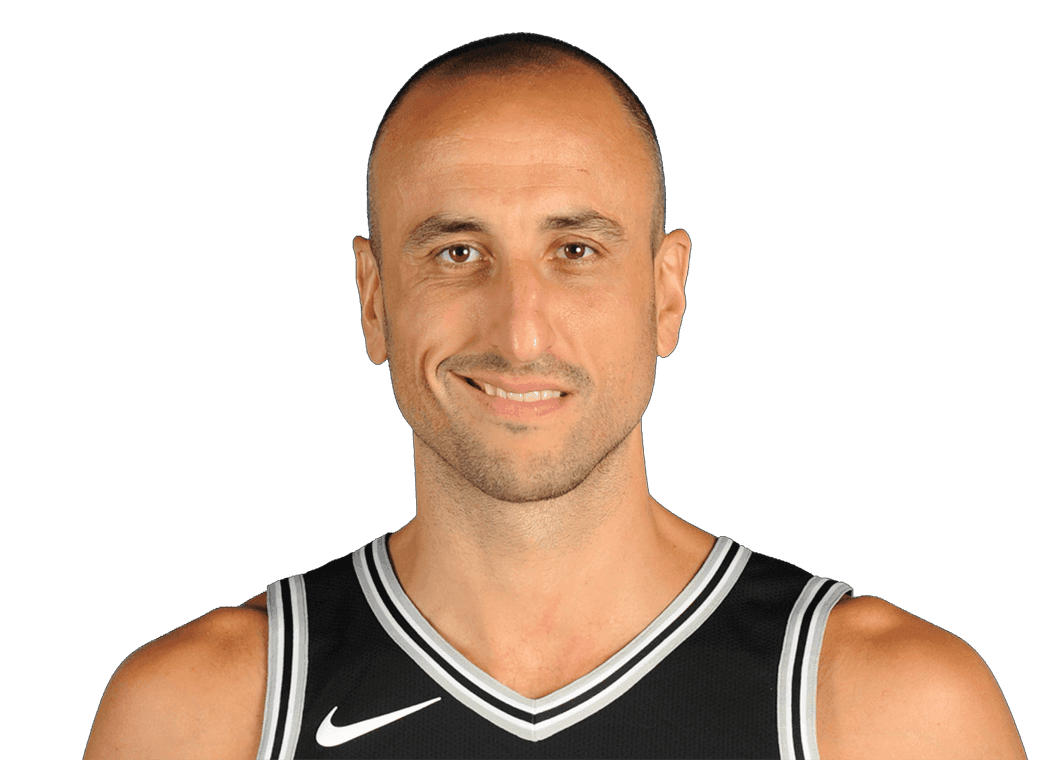
The euro step was not in any coaching manual when Manu Ginobili brought it to the NBA. The spin move into a floater was not on any scouting report. The willingness to take the most important shot in the biggest game, whether starting or coming off the bench, was not something any executive had penciled into a roster projection. Manu Ginobili invented his own category of basketball player, and in doing so became one of the most beloved athletes in Spurs history.
Ginobili was drafted 57th overall in 1999 — a name near the bottom of the second round, an Argentinian guard who spent three years in Italy before coming to San Antonio. What the Spurs got was a four-time champion, an Olympic gold medalist, a two-time All-Star, and the greatest sixth man the franchise has ever deployed. His #20 hangs in the rafters because Ginobili refused to be defined by anyone else's expectations of what he could be.

From Bahía Blanca to San Antonio's Best Weapon
Ginobili developed his game in the Argentine domestic league and then Serie A in Italy, where he became one of the most dangerous players in European basketball. He won the EuroLeague MVP in 2001 and led Kinder Bologna to a title — a preview of what was coming in the NBA. When he arrived in San Antonio in 2002, the Spurs were already built around Tim Duncan and Tony Parker. Ginobili fit as if the roster had been designed with him in mind.

His first full season, 2002-03, ended with a championship. His second ended with another. His third, 2004-05, delivered a third ring. In his first five NBA seasons, Ginobili won three championships — a rate of team success matched by almost no one in the modern era. He was not a star in the traditional sense. He was something rarer: a player who made the team better in ways that box scores couldn't fully capture.

The Art of the Sixth Man
Ginobili's decision to come off the bench — and the Spurs' decision to ask him to — reshaped how the NBA thought about reserve players. He won the Sixth Man of the Year Award in 2008, but the award understated what he provided. Ginobili was not a backup. He was a primary offensive weapon deployed in a different role for strategic reasons. When Duncan and Parker were tired, Ginobili was fresh. When the opponent's second unit was on the floor, Ginobili was a nightmare matchup.

His handle, his creativity, and his sheer fearlessness made him impossible to game plan against. He made up shots in real time that coaches had never seen. The euro step, popularized internationally by Ginobili, became a staple of the NBA game partly because of how effectively he weaponized it. He was also an underrated defender — quick hands, excellent anticipation, the kind of disruptive presence who changed possessions without getting credited for it in traditional stats.

Four Championships and an Olympic Gold
The 2007 championship against the Cleveland Cavaliers was Ginobili's most dominant Finals performance. He averaged 16.5 points, 4.8 rebounds, and 4.5 assists in four games, helping San Antonio sweep LeBron James in his first Finals appearance. That team embodied everything Ginobili represented: skill, system, trust, and a collective desire to win that overrode individual ego.

In 2004, Ginobili led Argentina to the Olympic gold medal in Athens, knocking out the United States in the semifinals — one of the most stunning upsets in international basketball history. His leadership on that team, surrounded by fellow Argentinian stars, showed a different dimension: Ginobili as the fulcrum of a system, not just a complementary piece. Argentina's gold that year is still considered the greatest moment in the history of South American basketball.

Why the Spurs Retired #20
Manu Ginobili played sixteen seasons in San Antonio, every single one as a Spur. He retired in 2018 with four championships, 14,043 career points, and a legacy that transcends any statistical summary. The Spurs retired his #20 in 2019, and the ceremony felt less like a sports tribute than a celebration of a specific kind of greatness: the willingness to subordinate personal ambition to collective success and still, somehow, become irreplaceable.
The most enduring image of Ginobili's career might not be a championship moment. It might be any one of thousands of plays where he turned nothing into something — a drive that should have been stopped becoming a floater, a defensive breakdown becoming a steal, a late-game moment that should have gone to someone else becoming his. That improvisational genius, combined with the championship pedigree to back it up, is why #20 belongs in the rafters forever.
¿Te gusta este análisis?
Recibe más análisis como este en tu bandeja de entrada.