Ang pahinang ito ay naglalaman ng mga affiliate link. Maaari kaming kumita ng komisyon kung bibili ka sa pamamagitan ng mga link na ito, nang walang dagdag na gastos sa iyo. As an Amazon Associate I earn from qualifying purchases.
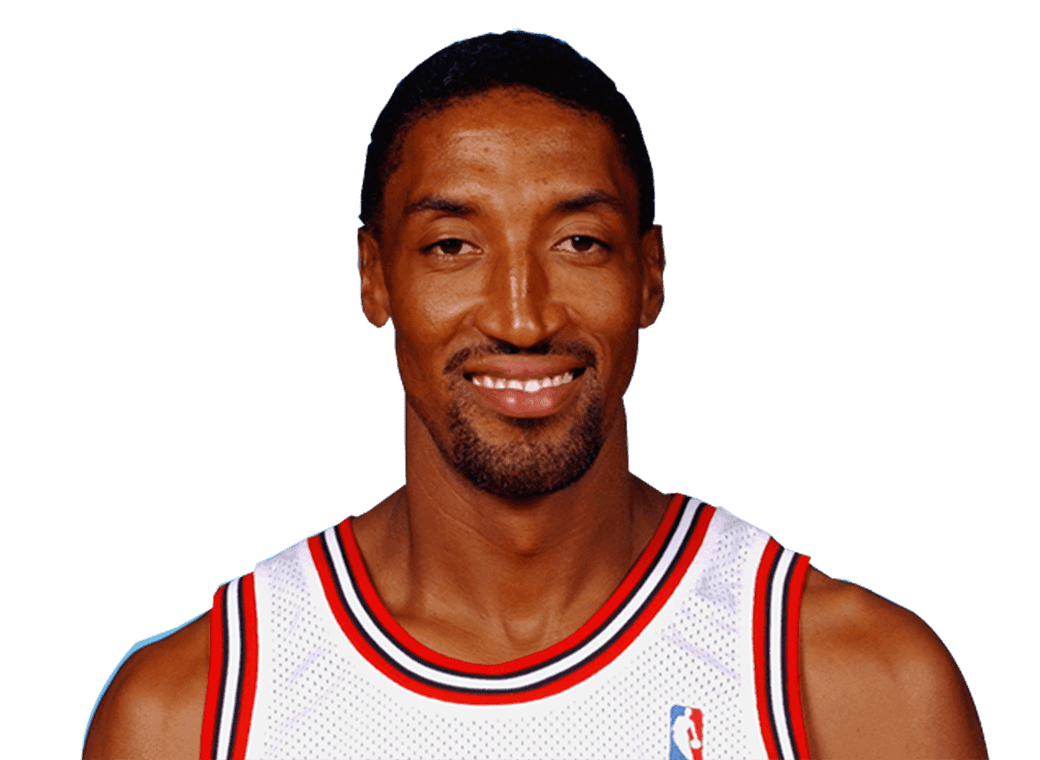
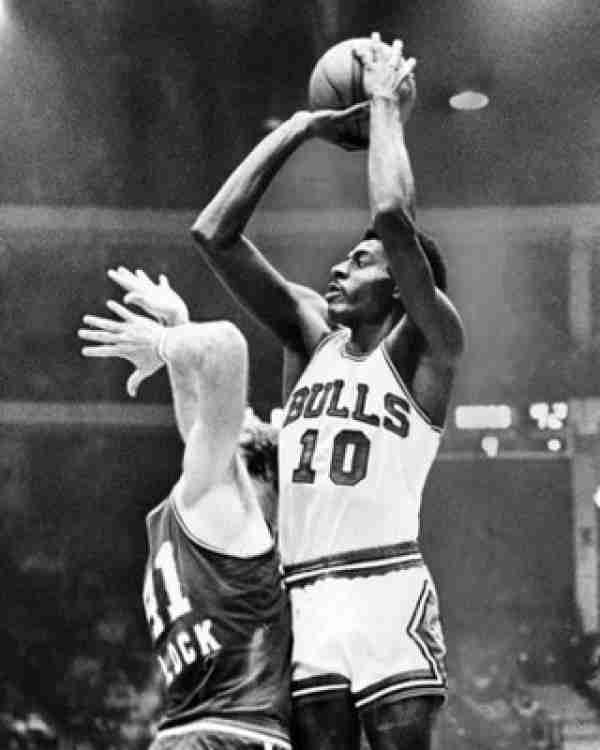
The Toronto Raptors retired DeMar DeRozan's #10 not for one season or statistic but for nine years of showing up and caring about a franchise and a city with rare consistency. Selected ninth overall in the 2009 Draft out of USC, the kid from Compton arrived as the franchise was rebuilding after Chris Bosh left for Miami — and never acted like he wanted to be anywhere else. He grew from 8.6 points as a rookie into a four-time All-Star (2014, 2016, 2017, 2018), averaging 20.7 points per game across nine seasons to become the Raptors' all-time leading scorer, built almost entirely on a mid-range game rather than the three. His partnership with Kyle Lowry turned Toronto from a lottery team into a 59-win contender. Traded to San Antonio in July 2018 for Kawhi Leonard, he left behind the competitive culture that won the 2019 championship. #10 belongs in the rafters as the permanent record of that loyalty.
The Compton Kid Who Chose Toronto
Compton, California is not a place that traditionally exports its best athletes to Canada. The climate, the culture, and the geography make the relationship unlikely. And yet DeMar DeRozan — raised in a neighborhood where basketball was a lifeline and competitive intensity was a survival trait — arrived in Toronto and made it his city more completely than the franchise could have reasonably hoped.

He grew up the son of Frank DeRozan, a man who installed in his son a toughness that Southern California streets demanded and basketball courts rewarded. DeMar attended Compton High School, where he developed the mid-range game — the pull-up off the dribble, the floater in the lane, the baseline jumper at the elbow — that would become his professional signature. He was a McDonald's All-American, committed to USC, played one year for the Trojans averaging 13.7 points per game, and declared for a draft that sent him to a city far from everything familiar. He never once acted like he wanted to be anywhere else.
Building Something Real
The early years in Toronto were developmental in the way early years are supposed to be: promising in flashes, inconsistent in execution, and carried by a competitive drive that never wavered regardless of the team's standing. DeRozan averaged 8.6 points as a rookie, 17.2 in his second season, and had established himself as the team's primary scoring option by his third year. His development coincided with Kyle Lowry's arrival in 2012, and the partnership that formed between them became the foundation on which the entire Raptors franchise was rebuilt.

Together, DeRozan and Lowry turned Toronto from a lottery team into a playoff regular. They pushed each other in practice, held each other accountable in the locker room, and competed with a collective ferocity that elevated every teammate who came through the organization. The Raptors went from 34 wins in DeRozan's second season to 49 in 2013-14, 56 in 2015-16, and 59 in 2017-18 — a sustained improvement that tracked directly with DeRozan's growth from scoring option to franchise cornerstone.
Four All-Stars in a Red and Black Jersey
DeRozan made four NBA All-Star teams as a Toronto Raptor — 2014, 2016, 2017, and 2018 — a distinction that reflected his individual excellence and validated the franchise's belief in what he could become. He averaged over 20 points per game for five consecutive seasons at his peak, relying on a mid-range game that analytics-obsessed observers frequently dismissed as inefficient but that DeRozan deployed with surgical precision against defenders who could not guard it regardless of what the possession value charts said.

His game was not built on threes. It was built on the pull-up — from 15 feet, from the elbow, off the glass — and the ability to draw fouls at a rate that kept him at the free throw line and kept the opposing defense in foul trouble. He finished as the Raptors' all-time leading scorer, a record he achieved without ever relying on the three-point line that most modern scorers lean on as their primary weapon. In Toronto, he averaged 20.7 points per game across nine seasons. No one who has worn a Raptors uniform has ever scored more.

The Trade That Broke Hearts
In July 2018, the Raptors traded DeMar DeRozan to the San Antonio Spurs in exchange for Kawhi Leonard and Danny Green. DeRozan learned about the trade the way professional athletes learn about most trades — from sources other than the team that had employed him for nine years. He had believed he would finish his career in Toronto. He had said so publicly. The trade contradicted that belief and violated a loyalty he had not realized was conditional.
The basketball world debated whether the trade was the right call. The answer, delivered one year later in June 2019 when the Raptors held the Larry O'Brien Trophy, was unambiguous. But the human cost of that transaction was real. DeRozan had given the franchise his best years, his most competitive seasons, and the kind of franchise-defining loyalty that general managers cannot manufacture. He received, in return, a trade notification from secondary sources.
He handled it with the same quiet toughness that had defined his nine seasons in Toronto. He went to San Antonio, continued to be excellent, and never said anything publicly about the Raptors that betrayed bitterness or diminished what those nine years had meant. The city respected that. It always had.
What He Left Behind
The championship the Raptors won in 2019 was built on a foundation that DeMar DeRozan constructed. The culture of accountability, the habit of competing every night, the expectation that being a Raptor meant something — these were not accidents of roster construction. They were the product of nine seasons of a franchise player showing every teammate, every coach, and every fan in Scotiabank Arena what professional standards looked like.
Kyle Lowry, the championship's emotional center, was the partner DeRozan had built that culture alongside. Nick Nurse, the first-year coach who won the title, inherited a locker room that had been shaped in large part by the player who was no longer in it. Pascal Siakam, Fred VanVleet, and the other young contributors who delivered that championship had watched DeRozan compete every night for years before they became the players who closed out Golden State in Oakland. The championship has Kawhi Leonard's fingerprints on the trophy. It has DeMar DeRozan's fingerprints on the organization that won it.

Why #10 Belongs in the Rafters
The case for DeMar DeRozan's number is not about one season or one performance or one statistic. It is about nine years of showing up, competing at the highest level, and caring about a franchise and a city with a consistency that is rarer in professional basketball than the talent required to make four All-Star teams.
He is the Raptors' all-time leading scorer. He is the player who, alongside Kyle Lowry, built the competitive culture that produced a championship. He made Toronto his home when Toronto was not yet the basketball destination it has become — when the right decision, for a player of his caliber, might have been to demand a trade to a more prominent market. He stayed. He competed. He made the city better and the franchise real.

Number 10 in the rafters of Scotiabank Arena is the permanent record of what loyalty, professionalism, and sustained excellence look like when they live in the same player for nine years. DeMar DeRozan gave Toronto his career. Toronto gave him its heart. The number in the rafters is where those two facts meet — and where they will remain, long after every player who watched him compete has retired and every fan who booed the visiting team with his name on their back has told a younger generation about the player who made them believe.
Nagustuhan mo ba ang analysis na ito?
Makakuha ng mas marami pang analysis na tulad nito sa iyong inbox.