The Phoenix Suns retired Dan Majerle's number 9 for what his seasons represented as the connective tissue of the franchise's greatest era. Selected 14th overall in 1988 out of Central Michigan — a pick that drew immediate skepticism — "Thunder Dan" answered every question within two seasons with thunderous dunks, consistent three-point shooting above 37%, and elite perimeter defense. He earned three All-Star selections between 1992 and 1994 and represented the United States on Dream Team II at the 1994 FIBA World Championship. Alongside Charles Barkley and Kevin Johnson, he was the third essential piece of the 62-win 1992-93 team that reached the Finals, averaging over 15 points there before John Paxson's shot decided the series. He returned to Phoenix for two more seasons through 2002 for nine total, then built a restaurant in the city and remained one of its most recognized faces. Number 9 belongs in the rafters.
From Traverse City to the Desert: An Unlikely Path
Dan Majerle grew up in Traverse City, Michigan — a small city on the shores of Lake Michigan not known for producing NBA talent. He attended Central Michigan University, hardly a pipeline to professional basketball, and developed into a standout player in the Mid-American Conference while playing for coach Charlie Coles. The Phoenix Suns selected him 14th overall in the 1988 NBA Draft, a selection that drew immediate skepticism. Central Michigan? A mid-major? That high?
Majerle answered every question within two seasons. His athleticism was evident from his first NBA game — the thunderous dunks, the quick release on the three, the relentless activity on the defensive glass. By his third season, he had earned his first All-Star selection. The skeptics who doubted the pick were replaced by Suns fans who had adopted him as one of their own: a blue-collar player in a blue-collar uniform who happened to be electrifying every time he touched the ball.
The Complete Player: Defense, Depth, and Thunder
What separated Majerle from other shooting guards of his era was the totality of his contribution. He was not just a scorer, though he could fill it up — he shot consistently above 37% from three when that was a remarkable mark, and his ability to attack closeouts and finish above the rim gave the Suns a second explosive threat alongside Kevin Johnson. He was not just a defender, though his defensive instincts were elite — he accepted the assignment of guarding the opponent's best perimeter scorer night after night and competed on every possession.
The Dream Team II selection in 1994 — where Majerle joined Shaquille O'Neal, Reggie Miller, and other NBA stars to win the FIBA World Championship — was the most visible confirmation of what Suns fans had known since 1989: this was a player of genuine NBA excellence, not merely a complementary piece. Three All-Star appearances between 1992 and 1994 placed him among the elite shooting guards of his generation at a time when the position included some of the greatest players in basketball history.
The 1993 Finals and the Shot That Almost Was
The 1992-93 Suns season was Majerle's finest hour as a professional basketball player. Alongside Charles Barkley and Kevin Johnson, Majerle was the third essential piece of a 62-win team that had the best record in the NBA and reached the Finals for the second time in franchise history. His role was precisely defined: guard the best perimeter scorer, space the floor, attack closeouts, and hit the shots that the Barkley double-team created.
He did all of it. His three-point shooting throughout the 1993 playoffs was crucial — his willingness to take and make the deep shot that the Bulls' collapsing defense opened up gave Phoenix a weapon that Chicago struggled to contain. In the Finals itself, Majerle averaged over 15 points per game and played the kind of two-way basketball that coaches spend entire careers designing game plans around. The series came down to one shot. John Paxson hit it for Chicago. But Majerle's performance in those Finals — and throughout that entire season — was that of a player at the absolute peak of his powers.
Why the Suns Retired #9
Dan Majerle returned to Phoenix for two seasons from 2001 to 2002, giving him nine total seasons in a Suns uniform. But the number isn't retired because of nine seasons — it's retired because of what those seasons represented. Majerle was the connective tissue of the greatest era in Suns history: the player who made the Barkley years complete, who embodied the competitive spirit that Suns fans still celebrate three decades later, and who demonstrated that elite two-way wing play — before the term became common currency — was the difference between good teams and championship contenders.
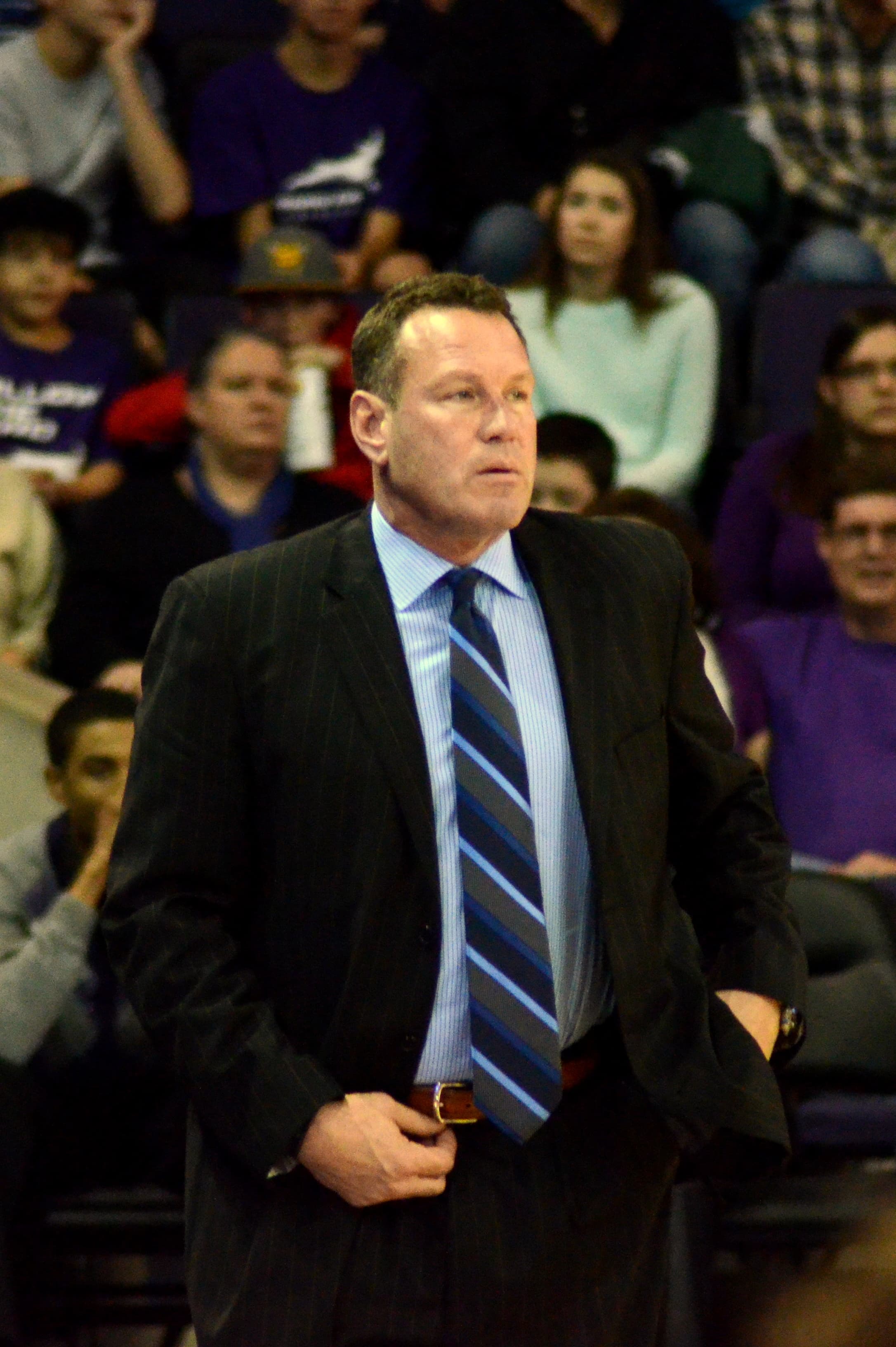
Thunder Dan built a restaurant in Phoenix after his playing career, coached at the collegiate level, and remained one of the city's most recognized faces for decades after the last time he wore the uniform. He never left. He never stopped being a Sun. The retirement of #9 acknowledges all of it — the three All-Star appearances, the 1993 Finals, the thunderous dunks, and the twenty-five years of civic loyalty that followed. Phoenix is a better sports city because Dan Majerle played here. That is exactly why #9 belongs in the rafters.
Nagustuhan mo ba ang analysis na ito?
Makakuha ng mas marami pang analysis na tulad nito sa iyong inbox.