Bu sayfa ortaklık bağlantıları içermektedir. Bu bağlantılar üzerinden satın alma yaparsanız, size ek maliyet olmaksızın komisyon kazanabiliriz. As an Amazon Associate I earn from qualifying purchases.
There's a sound that outdoor basketball players know intimately: the gritty scrape of rubber on concrete, the whisper of pebbles trapped in traction grooves, the slightly hollow thud of a ball bouncing on asphalt instead of hardwood. Outdoor basketball is a different sport played on a different surface, and it demands different equipment.
Related: Best Outdoor Basketball Shoes 2026
We did not wear-test these shoes. We compared six popular models on the things that decide how a shoe holds up outside: outsole rubber, tread pattern, and cushioning. We worked from brand specs and published reviews, mainly RunRepeat's lab tests (outsole hardness and abrasion) and The Hoops Geek, and we name the source wherever we cite a figure.
What Outdoor Courts Do to Shoes
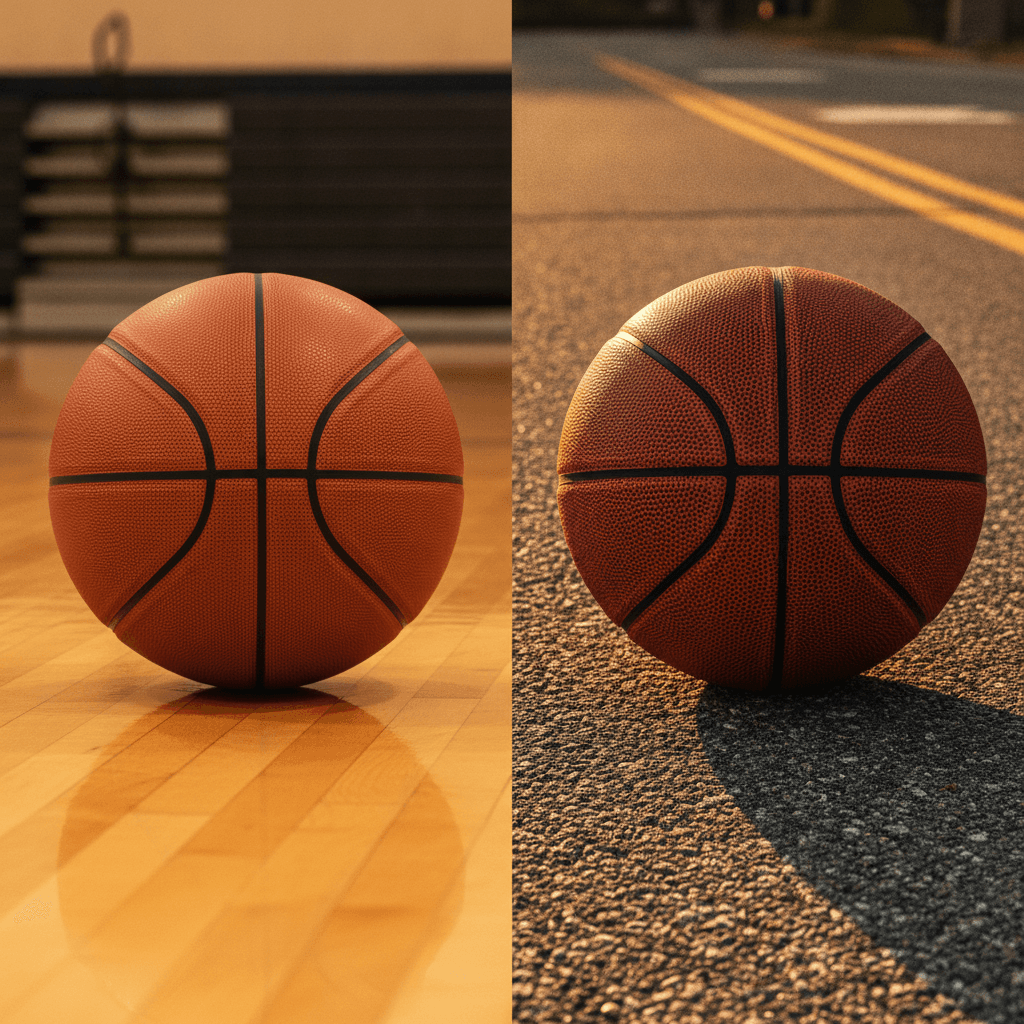
Before the reviews, here's why indoor shoes die outside. Concrete and asphalt are exponentially more abrasive than hardwood. An indoor basketball court has a coefficient of friction around 0.5-0.6. Outdoor concrete sits at 0.7-0.9 — significantly rougher, which means significantly more rubber stripped from the outsole with every step, cut, and slide.
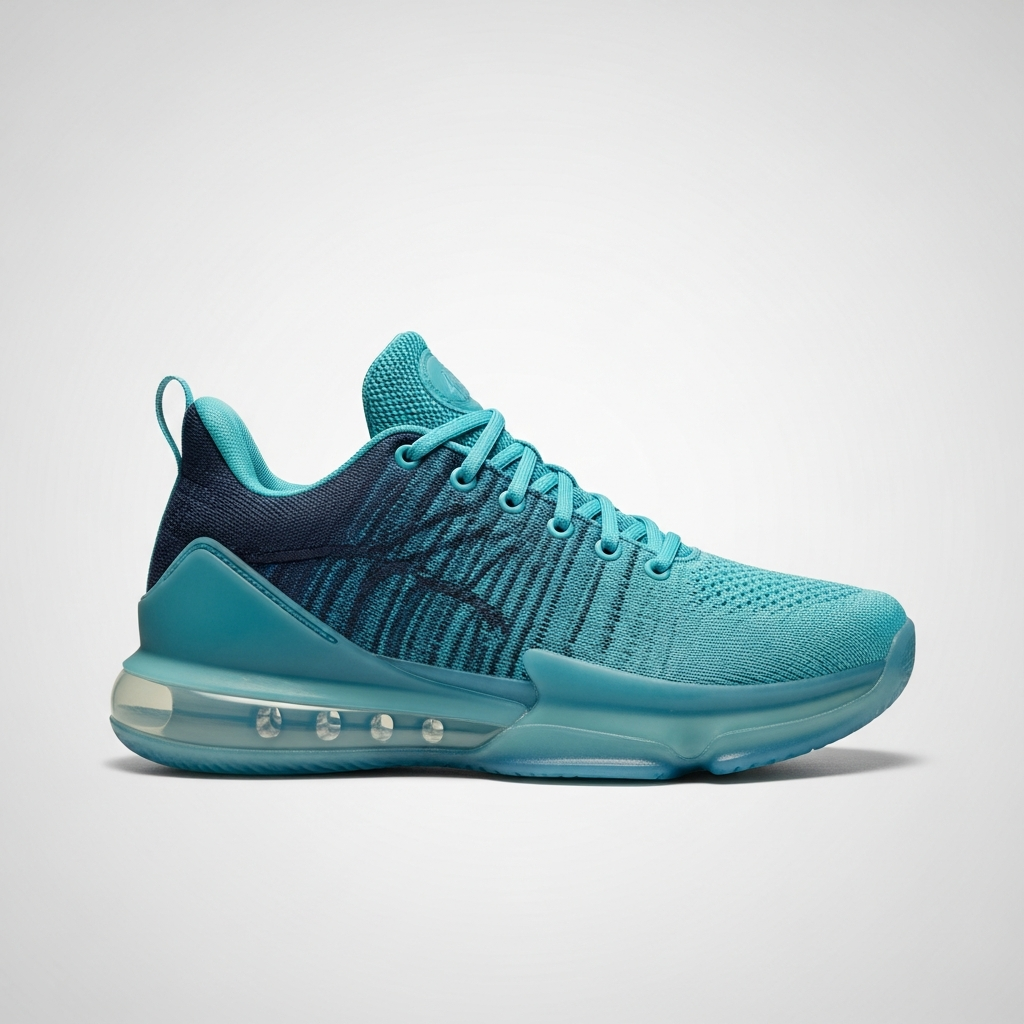
The failure pattern is predictable:
- First: Traction grooves begin to flatten, especially under the ball of the foot and the pivot area
- Next: Outsole rubber visibly thins. Indoor-compound shoes may show midsole through the outsole
- Eventually: Traction pattern is functionally destroyed on standard rubber. Only XDR or hard-rubber compounds retain grip
Most "premium" basketball shoes — the $170-200 models designed for NBA players on pristine hardwood — are not built for regular outdoor use. That's a lot of money for traction that won't last on concrete.
1. Nike Air Max Impact 4 — Best Overall ($100)
The Impact 4 is our top pick for outdoor courts, and the lab data backs it up. RunRepeat measured its outsole at 87.5 HC on the durometer, harder than 88% of the basketball shoes they have lab-tested (their average is 82.6 HC), and called it "a really wonderful outdoor option."
The Max Air cushioning in the heel provides genuine impact protection on concrete — a meaningful advantage over Zoom Air shoes that feel thin on hard outdoor surfaces. The forefoot is firmer, which creates a responsive push-off without the squishy energy loss of thick foam setups.

Cushioning degradation: Minimal — Max Air units don't compress permanently the way foam does
At $100, the Impact 4 costs roughly half what premium indoor shoes cost. It's not the sexiest shoe on this list, but it's the smartest purchase for dedicated outdoor players.
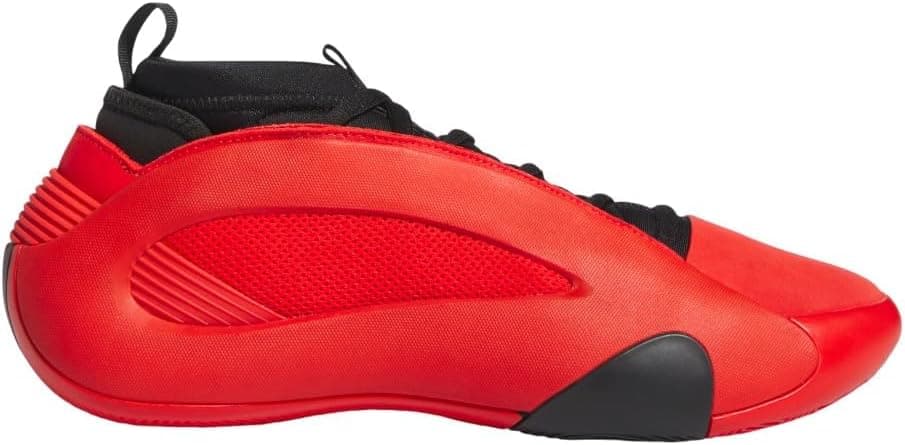
2. Adidas D.O.N. Issue 6 — Budget Option, With a Durability Caveat
The D.O.N. Issue 6 is one of the cheaper shoes on this list, but check its outsole before you buy it for outdoor-only play. RunRepeat's lab measured the outsole rubber at 74.0 HC, well below the 82.6 HC average of the basketball shoes they have lab-tested, and softer rubber wears down faster on concrete. RunRepeat adds that "it might not be the choice if you want it to be by your side for a while."
Cushioning uses Adidas Lightstrike, a firm, responsive foam rather than a plush one, which suits players who want court feel over cushioning.
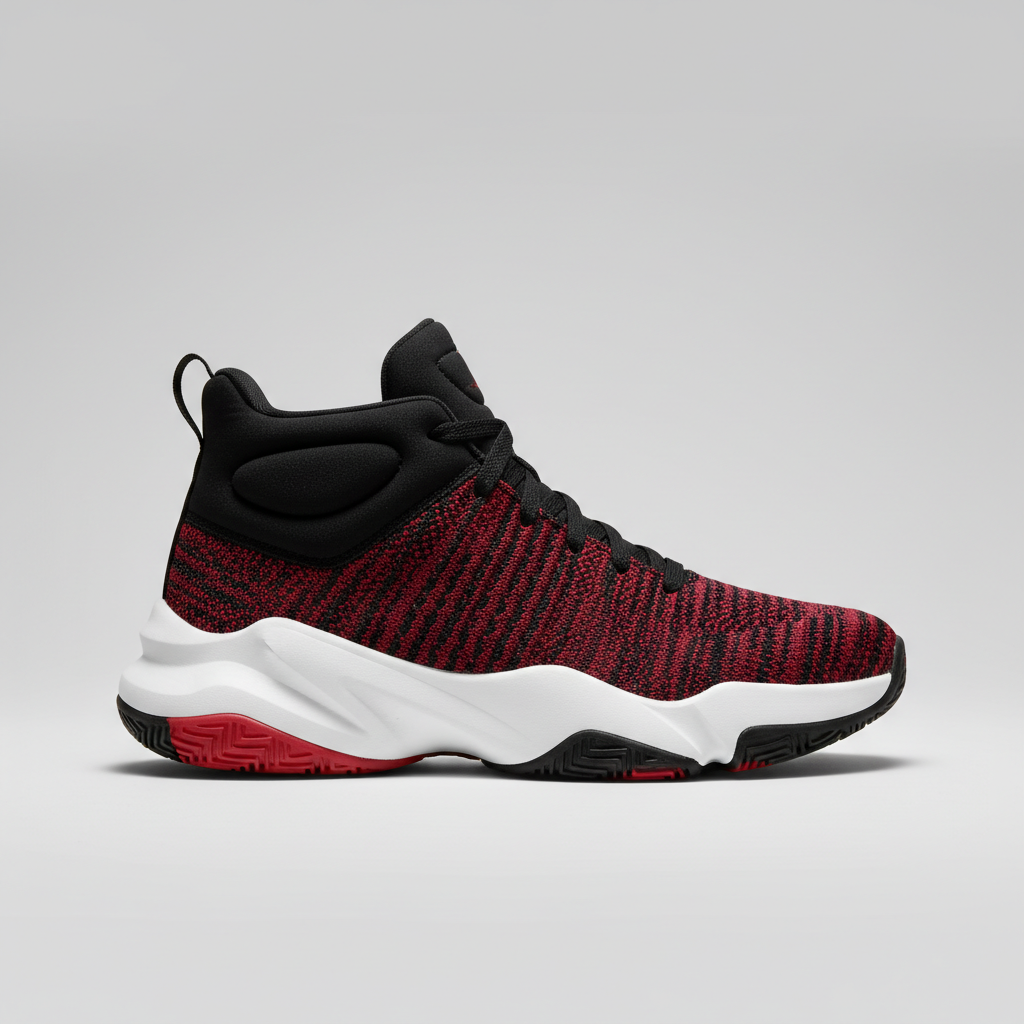
Best feature: A lower price for a signature shoe. It suits mixed indoor and outdoor play better than daily concrete runs.
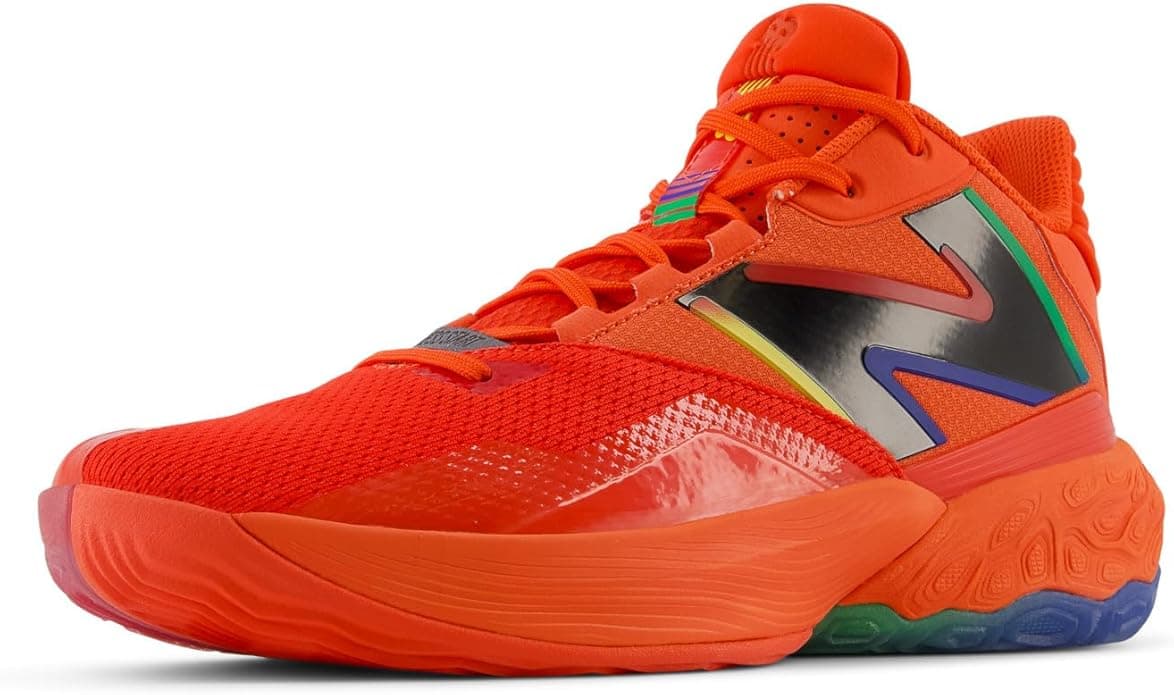
3. New Balance TWO WXY v4 — Most Comfortable ($130)
If your outdoor sessions run long — two hours or more — the TWO WXY v4's FuelCell cushioning makes a compelling case. Its midsole mixes FuelCell with Fresh Foam, which RunRepeat describes as two of New Balance's cushiest foams, and that impact absorption matters on unforgiving surfaces.
RunRepeat's lab measured the outsole rubber at 83.5 HC, just above their 82.6 HC average and softer than the Impact 4's 87.5 HC. Their Dremel abrasion test left a 0.7 mm dent, shallower than the average basketball shoe, and they recommend it for outdoor use.
Best feature: FuelCell cushioning that doesn't bottom out on concrete

4. Puma Court Rider 3 — Best Value Under $80 ($75)
The sleeper of this list. Puma's Court Rider 3 uses a rubber outsole with a modified herringbone traction pattern and wider grooves, the tread style our buying guide below recommends for debris. At $75, it's the cheapest shoe on this list.
Cushioning is basic — PROFOAM provides adequate impact protection without any standout characteristics. For players who prioritize court feel over plush comfort, it's acceptable.
Best feature: Price-to-performance ratio is outstanding
The Shoes to Skip Outdoors
Nike KD 17 ($150): Beautiful indoor shoe, but not one for outdoor-only play. RunRepeat measured its outsole at 87.1 HC, harder than their 82.6 HC average, but warns it will likely lose traction once the wavy tread pattern wears away, and says it can't recommend the shoe for playing streetball exclusively. Fine for an occasional outdoor run; not a pick for regular outdoor use.

Under Armour Curry 12 ($160): Another elite indoor shoe that isn't built for concrete. Its traction comes from a Flow foam outsole, and The Hoops Geek does not recommend it for outdoor use, citing poor durability of the Flow foam and outsole on rough surfaces. At $160, you're paying for indoor performance you'll never access outdoors.
Outdoor Shoe Buying Guide
When selecting an outdoor basketball shoe, prioritize these features in this order:
- 1. Outsole rubber compound. Look for XDR, Continental, or similar hard-rubber designations. Standard indoor rubber will be destroyed within weeks. This is the single most important factor.
- 2. Tread pattern. Wide-groove herringbone resists debris better than tight patterns. Avoid smooth or shallow-groove designs that pack with dirt on the first session.
- 3. Cushioning. Outdoor surfaces are harder than hardwood. You need more impact protection, not less. Air units, FuelCell, or firm EVA are good options. Avoid ultra-soft foams that bottom out on concrete.
- 4. Price discipline. Don't spend $180+ on outdoor shoes. They will wear out regardless of quality — the difference is how fast. The $75-130 range offers the best performance-per-dollar for outdoor play.
The golden rule of outdoor basketball shoes: buy for the outsole, not the name. A $100 shoe with hard rubber will outperform and outlast a $200 shoe with standard rubber every single time.
Related guides
Bu analizi beğendiniz mi?
Bunun gibi daha fazla içeriği doğrudan gelen kutunuza alın.