本页面包含联盟链接。如您通过这些链接购买,我们可能获得佣金,对您无额外费用。 As an Amazon Associate I earn from qualifying purchases.
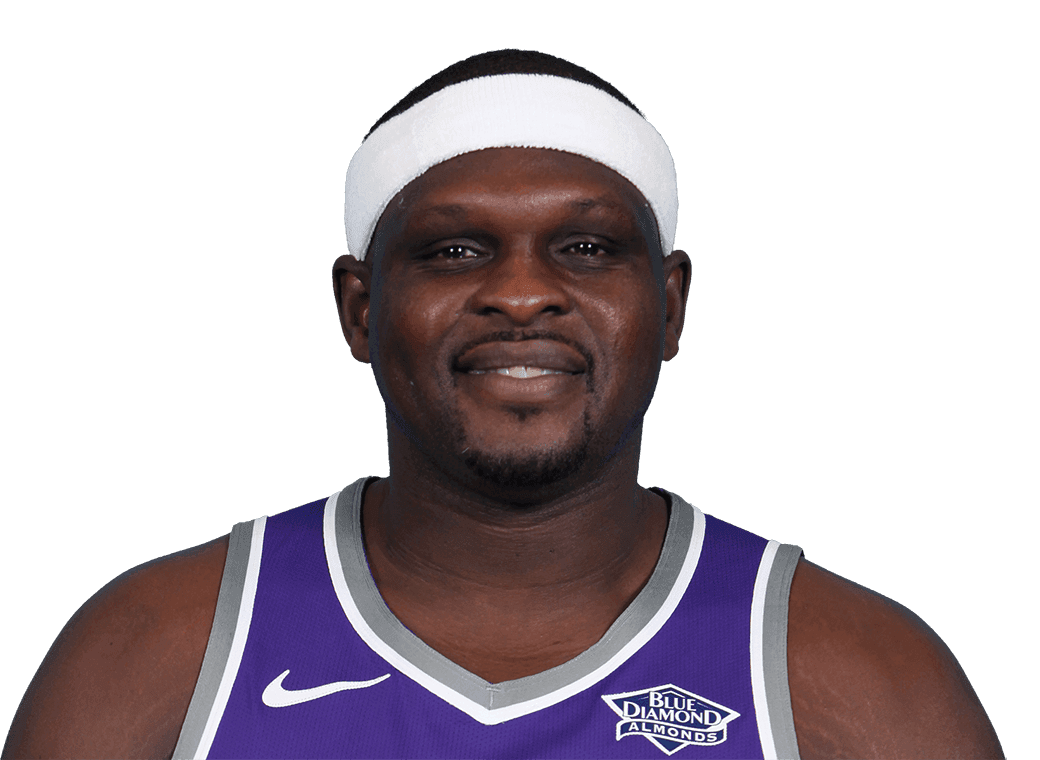
On April 9, 2019, the Memphis Grizzlies retired Zach Randolph's #50, closing the book on the most improbable franchise-defining career in team history. Memphis traded for Randolph in the summer of 2009, when he was 28 and widely written off after stops in Portland, New York, and Los Angeles. He answered with the best basketball of his life: 20.8 points and 11.7 rebounds in his first full season, two All-Star selections, and a 2011 playoff run in which the eighth-seeded Grizzlies stunned the 61-win San Antonio Spurs while Randolph averaged 19.8 points and 13.3 rebounds. He retired as the franchise's all-time leading scorer (11,046 points) and rebounder (5,765) in Memphis, the bruising heart of the "Grit and Grind" era. The Grizzlies retired #50 not only for the production but for a player who chose a small market and made it home.
From Outcast to Icon
When the Grizzlies traded for Zach Randolph in the summer of 2009, the NBA world shrugged. Here was a player who had worn out his welcome in Portland, been shipped off by the Knicks, and spent a dismal season in Los Angeles. He was 28 years old, considered past his prime by most league observers, and carrying a reputation as much as a contract.
Memphis didn't care. They needed a power forward who could score in the post, rebound without apology, and compete. What they got was something far beyond that — they got the heartbeat of a franchise.
In his first full season with the Grizzlies in 2009-10, Randolph averaged 20.8 points and 11.7 rebounds. He made the All-Star Game for the first time. Memphis, a team that had missed the playoffs five straight seasons before his arrival, went 40-42 and snuck into the postseason as the seventh seed. It was a preview of something larger.
The Year Everything Changed
The 2011 Western Conference playoffs remain one of the most stunning upsets in NBA history. Memphis, the eighth seed, faced the San Antonio Spurs — a team that had won 61 games and was heavily favored to advance deep into the postseason. The Spurs' dynasty seemed invulnerable.
Randolph made it vulnerable. He averaged 19.8 points and 13.3 rebounds against San Antonio, muscling his way through the league's most disciplined defense with a combination of post footwork, physicality, and sheer will. Memphis won in six games. The Grizzlies then pushed the Oklahoma City Thunder to seven games before finally falling. No one dismissed Memphis after that spring.

The phrase "Grit and Grind" was born in that playoff run. It wasn't a marketing slogan — it was a description of Zach Randolph attacking the glass on the third offensive rebound attempt, refusing to let a possession end until Memphis had its best look.
The Core of Something Special
For eight seasons, Randolph was the gravitational center of the Grizzlies' identity. He and Marc Gasol formed one of the most complementary frontcourt pairings in the Western Conference. While Gasol provided skill, passing vision, and defensive sophistication, Randolph brought what no amount of coaching could teach: relentless toughness.
He made his second All-Star appearance in 2013, the year Memphis reached the Western Conference Finals for the first time in franchise history. The Grizzlies knocked off the Los Angeles Clippers and the Oklahoma City Thunder before finally falling to the San Antonio Spurs. That postseason run established Memphis as a legitimate contender, not just a scrappy overachiever.
Z-Bo finished as the franchise's all-time leading scorer and rebounder. His 11,046 points and 5,765 rebounds in Memphis remain records that reflect not just longevity but sustained excellence in the most demanding of roles.

What Made Him Different
Randolph's game was deceptively simple. He posted up on the left block. He caught passes in traffic. He went up once, twice, sometimes three times for the same offensive rebound. He converted putbacks with an awkward, effective touch that baffled bigger, more athletic defenders.
But the numbers don't capture the effect he had on a team's emotional temperature. When Memphis was down by ten in the fourth quarter, Randolph's presence on the floor communicated something to teammates and opponents alike: this game is not over. That psychological weight is nearly impossible to quantify, but anyone who watched those Grizzlies teams understood it immediately.
He averaged 20-plus points in four separate seasons in Memphis and shot above 50% from the field in five of his eight years there — remarkable efficiency for a player doing the game's most contested work.
A Community Bond Unlike Any Other
What separated Randolph's legacy in Memphis from most NBA stars was what happened away from the arena. He was not a player who performed charity work as an obligation — he was woven into the fabric of the city. He invested in businesses, showed up at community events without cameras, and was known to hand cash directly to people in need during the holiday season.
Memphis adopted him, and he adopted Memphis back. In a league that often treats small markets as stepping stones, Randolph embraced a city that the broader basketball world frequently overlooked. The retirement ceremony wasn't just a basketball honor — it was a municipal thank-you to a man who chose to be there in every sense of the word.
The Honor
The Grizzlies retired #50 on April 9, 2019, the same number Randolph had worn since his days playing for an AAU team in Indianapolis, honoring his mentor. He had put the number on a Memphis jersey and made it mean something no one expected.

Alongside Tony Allen and Marc Gasol, Randolph's banner hangs above FedExForum as a permanent reminder of what the Grit and Grind era represented: that teams built on effort, cohesion, and genuine connection to a place can compete with anyone. That basketball doesn't always require stars — sometimes it requires Z-Bo.
喜欢这篇分析?
订阅获取更多类似分析,直达您的邮箱。