Scottie Pippen is the greatest example in basketball history of what it means to be exactly what your team needs. Without Pippen's #33, there is no second three-peat, no dynasty mythology, and arguably no six championships at all.
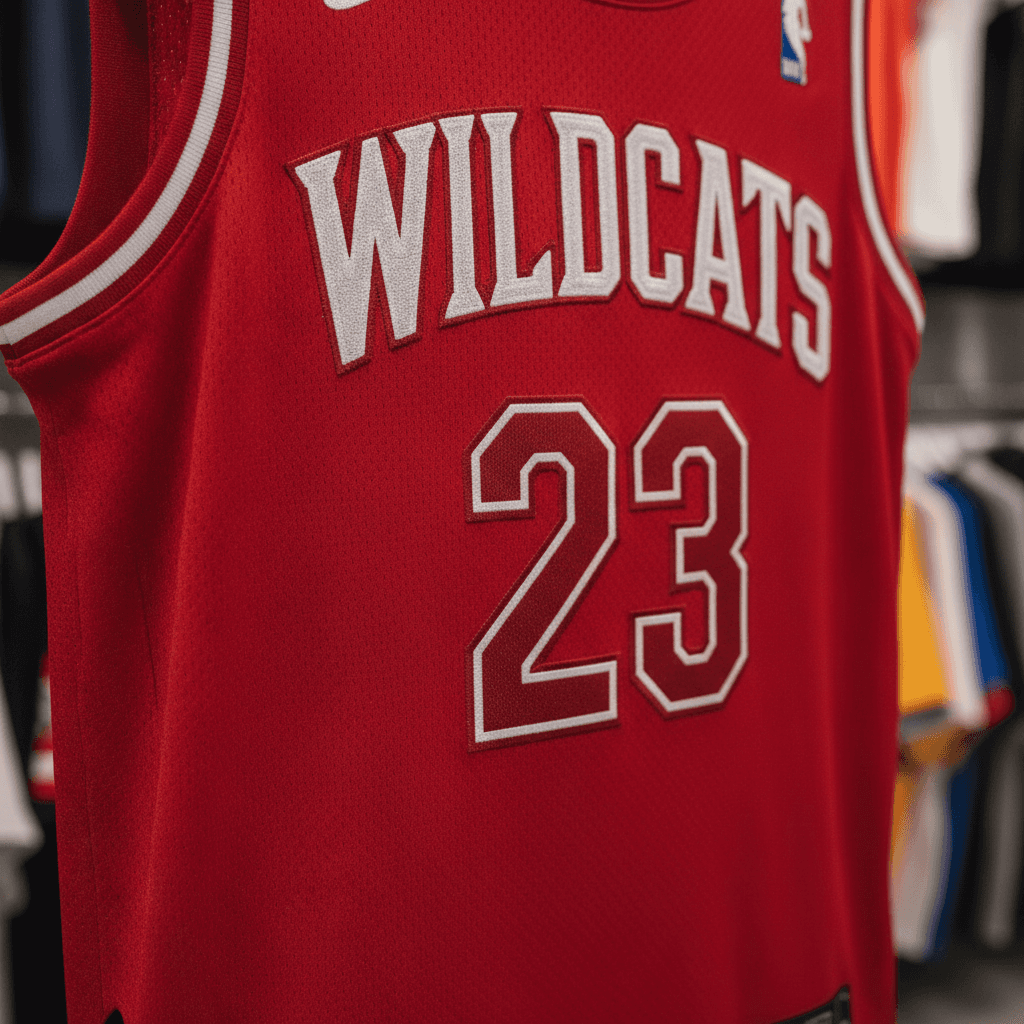
Michael Jordan's #23 is the most famous number in basketball history. Six championships, six Finals MVPs, five regular-season MVPs, and a cultural transformation that turned the Chicago Bulls into the most recognized sports brand on earth.
Bob Love was the Chicago Bulls' first great offensive player — a jump-shooting artist who averaged 21 points a game and made three All-Star teams. But the story of why the Bulls retired his #10 has as much to do with what happened after basketball as during it.
Michael Jordan's #23 is the most famous number in basketball history. Six championships, six Finals MVPs, five regular-season MVPs, and a cultural transformation that turned the Chicago Bulls into the most recognized sports brand on earth.
Bob Love was the Chicago Bulls' first great offensive player — a jump-shooting artist who averaged 21 points a game and made three All-Star teams. But the story of why the Bulls retired his #10 has as much to do with what happened after basketball as during it.
Before Michael Jordan, before the championships, before the global phenomenon — there was Jerry Sloan. The toughest, most relentless player in Bulls history wore #4 for ten seasons and built the defensive identity that would one day win six titles.
Drazen Petrovic's #3 hangs in the Nets' rafters as a monument to the Mozart of Basketball — a Croatian pioneer who proved European players belonged in the NBA, then died at 28 just as he was becoming one of its finest.