Why the Lakers Retired Gail Goodrich's #25: The Backcourt Assassin Behind the Greatest Season Ever
Gail Goodrich was the leading scorer on the 1971-72 Lakers team that won 69 games and 33 straight. His #25 represents clutch scoring, UCLA pedigree, and the backcourt partnership with Jerry West that defined an era.
本页面包含联盟链接。如您通过这些链接购买,我们可能获得佣金,对您无额外费用。 As an Amazon Associate I earn from qualifying purchases.
The Los Angeles Lakers retired Gail Goodrich's #25 on November 20, 1996, and the case was built on a single unassailable fact: on the winningest team in NBA history, the 1971-72 Lakers of 69 wins and a 33-game winning streak, Goodrich scored more points than anyone else — not Wilt Chamberlain, not Jerry West. The 6'1", 170-pound guard averaged 25.9 points per game that season, ahead of West's 25.8 and Chamberlain's 14.8, shooting 48.7% from the field and 85.0% from the free throw line in an era without the three-point line. A product of John Wooden's UCLA, he won back-to-back national championships in 1964 and 1965 and scored 42 points in the 1965 title game. Across seven seasons in his second Lakers tenure he earned five All-Star selections and averaged 22.0 points. His #25 represents something the Lakers value deeply: you don't need to be the biggest name to be the most valuable player on the court.
The UCLA Foundation
Goodrich was a product of John Wooden's machine, winning back-to-back national championships in 1964 and 1965. In the 1965 title game against Michigan, Goodrich scored 42 points — a performance that remains one of the most dominant in NCAA Championship history. He wasn't the biggest, strongest, or most athletic guard on the floor. He was simply the one who couldn't be stopped.
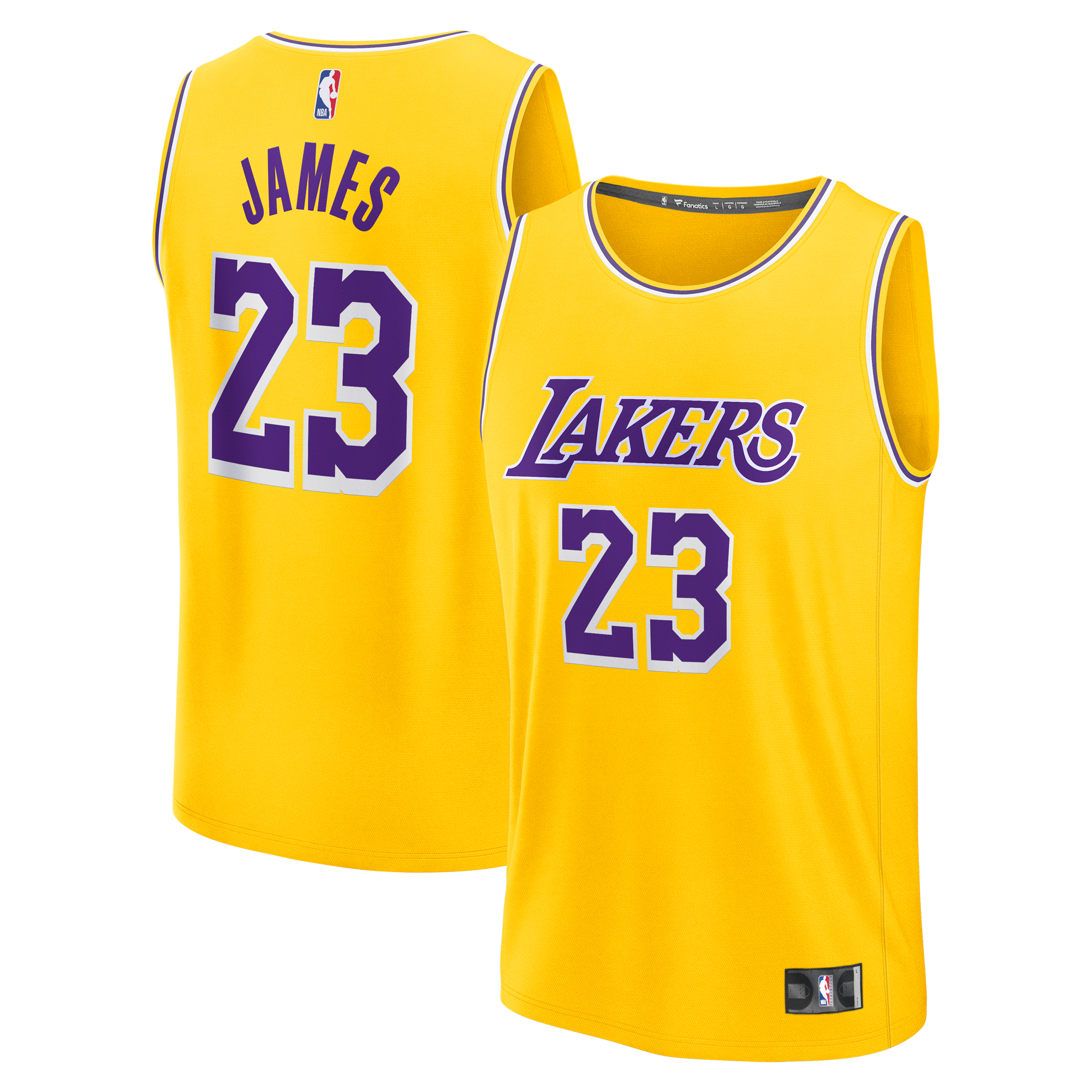
Men's LeBron James Gold Los Angeles Lakers Fast Break Replica Jersey - Icon Edition
The Lakers originally drafted Goodrich in 1965, but he spent his first three seasons as a reserve behind Jerry West. When the Phoenix Suns selected him in the 1968 expansion draft, Goodrich finally got the opportunity to be a primary scorer — and he flourished, averaging 20+ points immediately. The Lakers re-acquired him in 1970, and this second tenure produced his defining contribution.
Josh Hart Los Angeles Lakers 2017-18 Panini Immaculate Collection Jersey Number Tri-Color Relic #JP-JHT #60/75 Card
Leading Scorer on a Historic Team
During the record-setting 1971-72 season, Goodrich averaged 25.9 points per game, Jerry West 25.8, Wilt Chamberlain 14.8 (Basketball Reference, 1971-72 season). The leading scorer on the most dominant team in NBA history was the smallest player in the starting lineup.
Goodrich shot 48.7% from the field and 85.0% from the free throw line that season (Basketball Reference). In an era without the three-point line, that efficiency from a guard was elite. He wasn't scoring on volume. He was scoring on precision.
Unisex Nike LeBron James White Los Angeles Lakers Swingman Jersey - Association Edition
The Goodrich-West backcourt created an impossible defensive puzzle. Focus on West, and Goodrich carved you up from mid-range. Try to contain both guards, and Chamberlain had one-on-one post opportunities against overmatched defenders. Goodrich's ability to create his own shot off the dribble — pull-up jumpers, finishes through contact, floaters in the lane — made the Lakers' offense essentially unguardable when all three options were engaged.
Men's Mitchell & Ness White Los Angeles Lakers Head Coach Pinstripe Mesh Full-Button Baseball Jersey
In the 1972 Finals against the New York Knicks, Goodrich averaged 25.6 points and was the most consistent offensive performer across the five games (Basketball Reference, 1972 NBA Finals). His 33-point eruption in Game 3 — on a night when West and Chamberlain were both below their averages — was the kind of performance that separates role players from franchise cornerstones.
Unisex New Era Black Los Angeles Lakers Sport Classics Capsule V-Neck Fashion Jersey
Career Consistency
Goodrich spent seven seasons in his second Lakers tenure (1970-76), earning five All-Star selections and averaging 22.0 points per game (Basketball Reference). He was never the headline. He was always the production. His ability to get to his spots, use screens, and finish with either hand made him a nightmare for defenders in an era when there was no video scouting, no defensive analytics, and no way to prepare for a player who could score from everywhere on the floor.
Why the Lakers Retired #25
The Lakers retired Goodrich's #25 on November 20, 1996. The case was built on a single, unassailable fact: on the winningest team in NBA history, Gail Goodrich scored more points than anyone else. Not Chamberlain. Not West. Goodrich.
Women's Mitchell & Ness x DANNIJO Purple Los Angeles Lakers Fashion Baseball Jersey
His #25 represents something the Lakers value deeply: you don't need to be the biggest name to be the most valuable player on the court. Gail Goodrich was 6'1", 170 pounds, and he outscored two of the greatest players in basketball history on the greatest team in basketball history. The record books demanded his place in the rafters. The Lakers simply obliged.
Men's Mitchell & Ness Shaquille O'Neal Gold Los Angeles Lakers 1996/97 Hardwood Classics Authentic Jersey
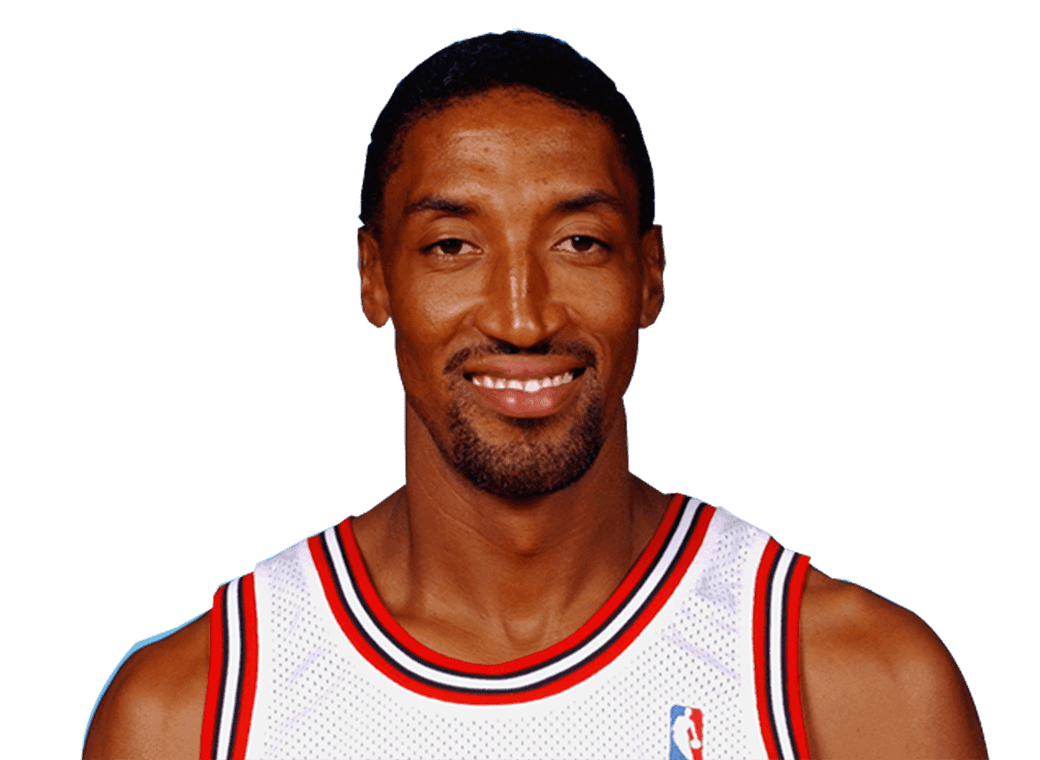
Scottie Pippen is the greatest example in basketball history of what it means to be exactly what your team needs. Without Pippen's #33, there is no second three-peat, no dynasty mythology, and arguably no six championships at all.
October 1, 1994: the Bulls retire #23 for the first time. Eighteen months later, Jordan faxed two words and they took it back down. The story of six championships, two three-peats, and the number that bent the gravity of basketball around itself.
Bob Love was the Chicago Bulls' first great offensive player — a jump-shooting artist who averaged 21 points a game and made three All-Star teams. But the story of why the Bulls retired his #10 has as much to do with what happened after basketball as during it.