本页面包含联盟链接。如您通过这些链接购买,我们可能获得佣金,对您无额外费用。 As an Amazon Associate I earn from qualifying purchases.
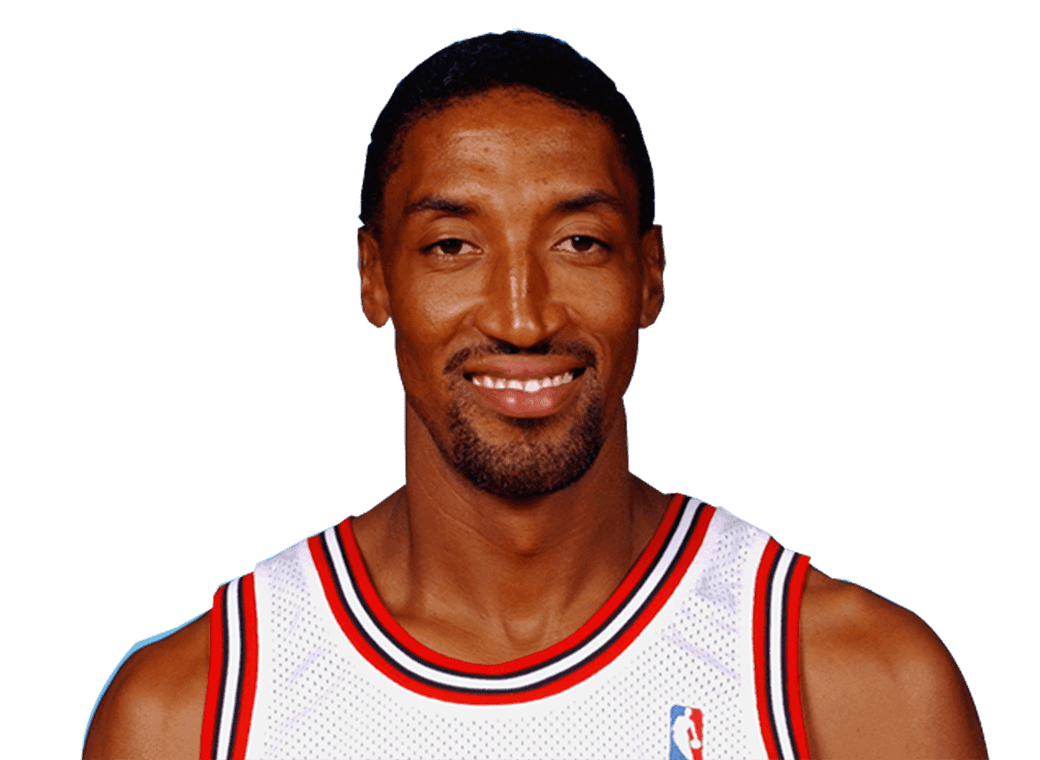
Derek Harper's #12 hangs in the rafters of American Airlines Center because he gave Dallas a basketball identity before the city knew it wanted one. Drafted 11th overall by Dallas in 1983 out of the University of Illinois, Harper became one of the most disruptive perimeter defenders of the 1980s — quick hands, relentless energy, and a defensive instinct that bordered on supernatural. He earned NBA All-Defensive Second Team honors in 1987 and consistently ranked among the league leaders in steals. Paired with Rolando Blackman for eleven seasons, he helped push the Lakers to seven games in the 1988 Western Conference Finals, guarding Magic Johnson throughout. His 13 seasons in Dallas produced 13,910 points, 4,959 assists, and 1,957 steals. The Mavericks retired #12 on March 18, 2001 — not for All-Star appearances or scoring titles, but for fourteen years of showing up, competing, and making every opponent earn it.
The Defensive Assassin of the Western Conference
Harper was drafted 11th overall by Dallas in 1983, a raw point guard out of the University of Illinois with quick hands, relentless energy, and a defensive instinct that bordered on supernatural. In an era before advanced metrics quantified defensive impact, his value was understood by every coach and player who faced him: he was a nightmare to play against. His lateral quickness, anticipation in passing lanes, and willingness to make opposing guards work for every inch of the court made him one of the most disruptive perimeter defenders of the 1980s.
In an era when the NBA was dominated by Magic Johnson, Isiah Thomas, and John Stockton, Harper consistently ranked among the league leaders in steals. He earned NBA All-Defensive Second Team honors in 1987, and his name appeared in conversations about the best defensive guards in the Western Conference season after season. What made him exceptional was not just his physical tools but his intensity. Harper brought a ferocity of effort to every defensive possession that coaches spent entire careers trying to teach players to replicate.

The Partnership with Rolando Blackman
The most complete chapter of Harper's Dallas career was the era he shared with shooting guard Rolando Blackman — together forming one of the most complementary backcourts in the Western Conference. Blackman was the scorer, the artist, the silk-smooth shooting guard who made it look effortless. Harper was the engine, the disruptor, the player who made sure their side of the court was impossible to exploit. Their partnership lasted eleven seasons and gave Dallas its first taste of genuine playoff relevance.
The 1988 Western Conference Finals remains the signature moment of Harper's Dallas career. The Mavericks — led by Harper, Blackman, Mark Aguirre, and Sam Perkins — pushed the Los Angeles Lakers to seven games before falling. Harper's defensive assignment on Magic Johnson throughout that series was one of the most demanding individual matchups of the decade. He was not expected to stop Magic. Nobody could stop Magic. But Harper competed in a way that showed the entire NBA that Dallas belonged.
Fourteen Seasons of Loyalty
What separates Harper from many players of comparable talent is simple: he stayed. Through rebuilding years, through coaching changes, through the inevitable valleys that follow playoff runs that fall short, Harper remained. He was traded to the New York Knicks in 1994, played two seasons alongside Patrick Ewing, then bounced to the Lakers and Magic before returning to Dallas for a final season in 1996-97.

That final return was not about statistics — it was a statement about belonging. By any measure, Harper is a Maverick. His 13 seasons in Dallas produced 13,910 points, 4,959 assists, and 1,957 steals. The steals number is particularly striking: it places him among the all-time franchise leaders in a category that measures competitive spirit as much as skill. He was not just a player in Dallas. He was the franchise's face during its most formative years, before the world was paying attention.

Why the Mavericks Retired #12
The Mavericks retired Derek Harper's number 12 on March 18, 2001, in a ceremony that acknowledged what the organization owed him. Harper gave Dallas a defensive identity before the franchise had earned the right to one. He represented the team to the world during years when the world was not paying attention. He competed with the ferocity of a champion in seasons when championships were not yet within reach.

Only four numbers hang in the rafters at American Airlines Center: Brad Davis (#15), Rolando Blackman (#22), Dirk Nowitzki (#41), and Derek Harper (#12). Each retirement tells a story about what the Mavericks value — loyalty, excellence, and the kind of player who makes a franchise better by simply being part of it. Harper's number belongs among them not because of All-Star appearances or scoring titles, but because of fourteen years of showing up, competing, and making every opponent earn it.

Number 12 is a reminder that championships are built from the inside out — from players who defend first, compete always, and understand that the franchise's success matters more than their individual recognition. Derek Harper understood that before anyone told him to.
喜欢这篇分析?
订阅获取更多类似分析,直达您的邮箱。