本页面包含联盟链接。如您通过这些链接购买,我们可能获得佣金,对您无额外费用。 As an Amazon Associate I earn from qualifying purchases.
Moses Malone never went to college. He went straight from Petersburg High School in Virginia to the ABA's Utah Stars in 1974 — the first player to make that jump directly — and played professional basketball for twenty-one years. Born March 23, 1955, he had averaged 36 points and 26 rebounds as a high school senior before turning pro at 18. He arrived in Houston via trade from Buffalo in 1976, and across four seasons there averaged 17.1 points and 13.4 rebounds while becoming the most unstoppable offensive force in franchise history to that point. The greatest offensive rebounder of all time, he led the NBA in offensive rebounds in ten different seasons. He won the league MVP in 1982, averaging 31.1 points and 14.7 rebounds, and took a modestly talented team to the NBA Finals on sheer will. The Rockets retired his #24 in 2002 for the kid from Petersburg who did the dirty work better than anyone who ever played.
The Kid from Petersburg
Moses Eugene Malone was born on March 23, 1955 in Petersburg, Virginia. He grew up in poverty and found basketball as the vehicle out. At Petersburg High School, he averaged 36 points and 26 rebounds per game as a senior and was heavily recruited by every major college program in the country. He chose to turn professional instead, signing with the ABA's Utah Stars in 1974 at age 18.

He spent three years in the ABA before the merger with the NBA, and by the time he arrived in Houston via trade from Buffalo in 1976, he was already one of the most physically imposing centers in professional basketball. The Rockets had found something rare: a genuinely dominant big man willing to do the unglamorous work that winning requires.

The Greatest Offensive Rebounder of All Time
Moses Malone's defining gift was his relentlessness on the offensive glass. He pursued missed shots with a calculation and persistence that no one could match — he read trajectories, anticipated bounces, and simply outworked everyone else for position. He led the NBA in offensive rebounds in ten different seasons across his career. He averaged 5.0 offensive rebounds per game for his career, a number that no center in the modern era has approached.

In Houston, he averaged 17.1 points and 13.4 rebounds per game across four seasons. In his final seasons with the Rockets, he was the best player in the NBA. He won the league MVP award in 1982 — one of three MVPs he would win in his career — and led Houston to the 1981 NBA Finals, where they fell to the Boston Celtics in six games. That Finals run, with a team that had barely qualified for the playoffs, is still regarded as one of the great upsets in conference playoff history.
The 1982 MVP Season
The 1981–82 season was Moses Malone at his absolute peak. He averaged 31.1 points and 14.7 rebounds per game — numbers that belong to a different sport than what most centers produce. He was named to the All-NBA First Team and won the league MVP going away. The Rockets had one of the most dominant big men in history, and they knew it.
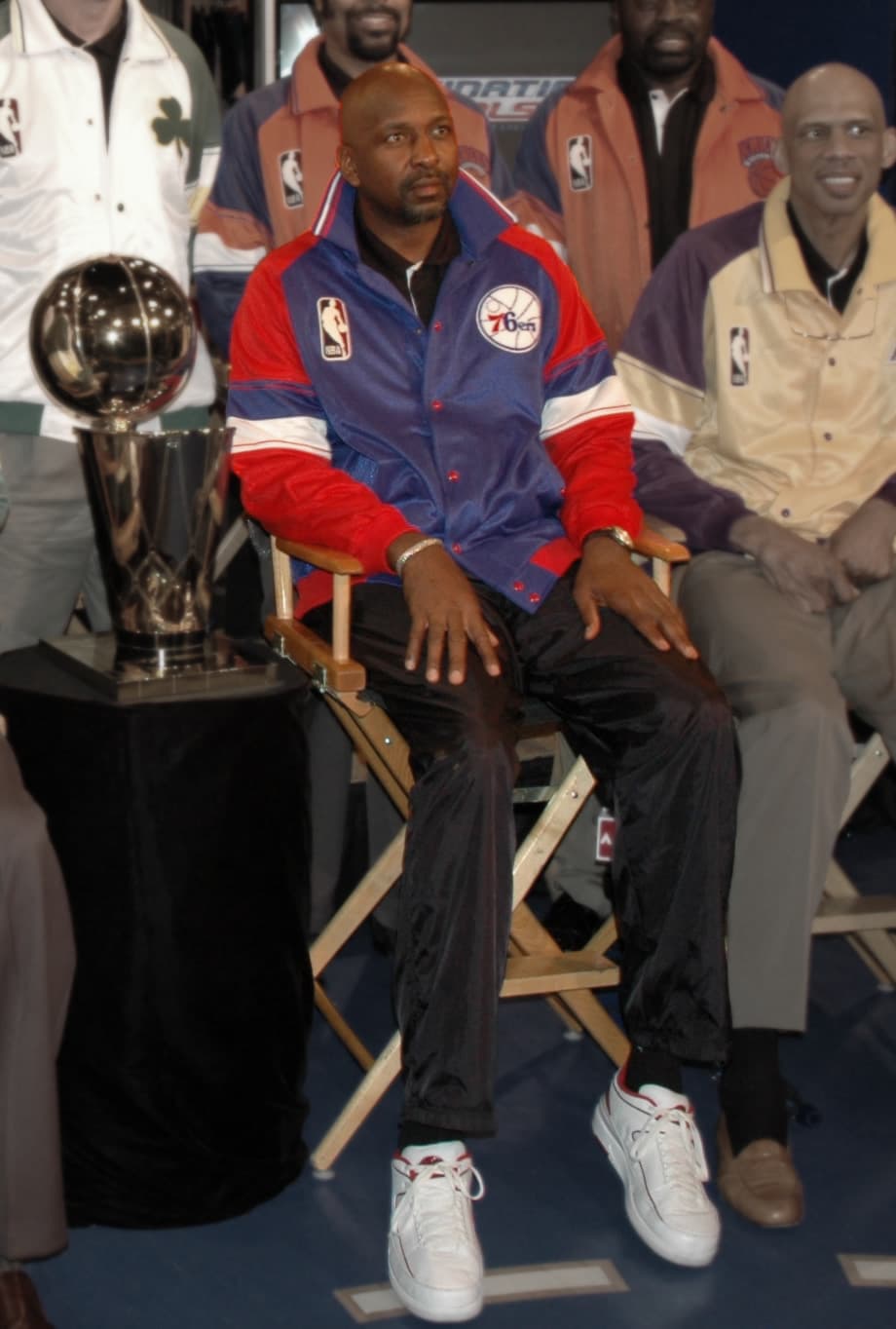
The following summer, Moses signed with the Philadelphia 76ers, where he famously predicted "Fo, Fo, Fo" in the playoffs and delivered one of the most efficient championship performances in NBA history. He won the championship and Finals MVP in his first season in Philadelphia. The Rockets had let the best player of his era walk away — a decision that haunted the franchise for years.
The Legacy in Houston
Moses Malone was inducted into the Naismith Memorial Basketball Hall of Fame in 2001 and was named to the NBA's 50th Anniversary All-Time Team. He passed away on September 13, 2015 in Norfolk, Virginia at age 60 — a loss that the basketball world felt deeply. The tributes that poured in from players across generations testified to how much he had influenced the game.
In Houston, his influence was specific and lasting. He showed the franchise what a truly dominant center looked like. When Hakeem Olajuwon arrived two years after Moses left, the Rockets had a template for how to build around that position. The championships that followed owe something, indirectly, to what Malone established.

Why the Rockets Retired #24
The Houston Rockets retired Moses Malone's #24 in 2002. He played four seasons in Houston and was one of the five most dominant players in the league for every one of them. His 1982 MVP season remains one of the greatest individual seasons in franchise history. He took a modestly talented Rockets team to the NBA Finals on the sheer force of his will, his work ethic, and his rebounding genius.

Number 24 in those rafters is for the kid from Petersburg who skipped college, played twenty-one years of professional basketball, and did the dirty work that nobody wanted to do better than anyone who has ever played. Moses Malone didn't just earn that retired number. He made the concept of earning things look easy.
喜欢这篇分析?
订阅获取更多类似分析,直达您的邮箱。